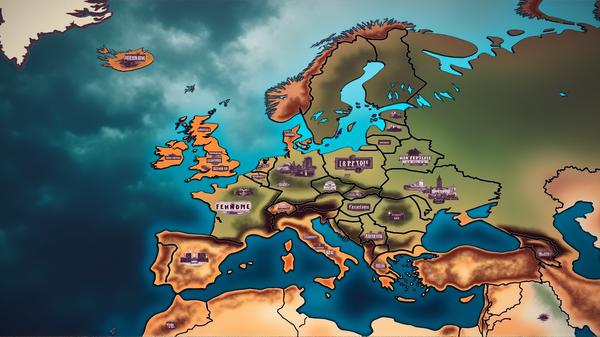
Elon Musk's EU Controversy: A Global Exchange of Words and Ideals
In a remarkable exchange that reverberated across international media, Poland’s Foreign Minister Radosław Sikorski sternly responded to Elon Musk’s provocative call for the abolition of the European Union, inviting the billionaire to “Go to Mars.” This retort, layered with biting sarcasm, reflects the rising tensions between U.S. tech figures and European policies, especially concerning free speech and migration.
Musk’s Bold Assertion
On December 6, Musk publicly speculated about the longevity of the EU on his social media platform X, suggesting the potential necessity of abolishing the EU. His views align with a growing skepticism from some U.S. quarters towards the EU’s influence, targeting its stance on national sovereignty and migration policies.
A Martian Suggestion
Minister Sikorski’s response was quick and cutting, drawing on old allegations regarding Musk’s past controversies. “Go to Mars,” he tweeted, suggesting that the red planet might be more suited to Musk’s uncensored ideals. The comment was also a nod towards Musk’s well-publicized ambition to establish a self-sufficient colony on Mars through his SpaceX endeavors. According to Brussels Signal, Sikorski’s jibe came at a time when European and world leaders were examining their diplomatic relationships.
Russian Echoes
Following Musk’s EU critique, former Russian president Dmitry Medvedev openly supported the call for European nations to regain their sovereignty. This prompted Sikorski to weigh in once more, questioning the ultimate benefactors of such rhetoric and pointing the finger at Russia, insinuating that rhetoric undermining EU unity serves adversaries’ interests.
Historical Tensions Revisited
This is not the first clash between Sikorski and Musk. Their feud dates back to issues surrounding Musk’s political ventures in the U.S. and subsequent critiques from European politicians, showcasing the complex dance of political allegiances across the globe.
The Broader US-EU Dynamic
This spat is set against a backdrop of broader tensions, spotlighted in a new U.S. security strategy document. The strategy criticizes the EU for eroding national identities, stoking fires of discontent. The EU, meanwhile, defends its progressive policies, emphasizing solidarity and its stance against Russian aggression, while maintaining its regulatory independence.
Diplomatic Balancing Act
European leaders like Polish Prime Minister Donald Tusk have reiterated the importance of the U.S.-EU alliance against common global threats, advocating for cohesion amidst growing nationalistic sentiments. EU’s Kaja Kallas acknowledged some of the U.S.’s concerns, mentioning the need for Europe to assert its power better, especially in its dealings with Russia.
This discourse extends beyond soundbites; it encapsulates fundamental debates over national sovereignty and international cooperation, with heavyweight figures like Musk becoming unlikely but influential participants.