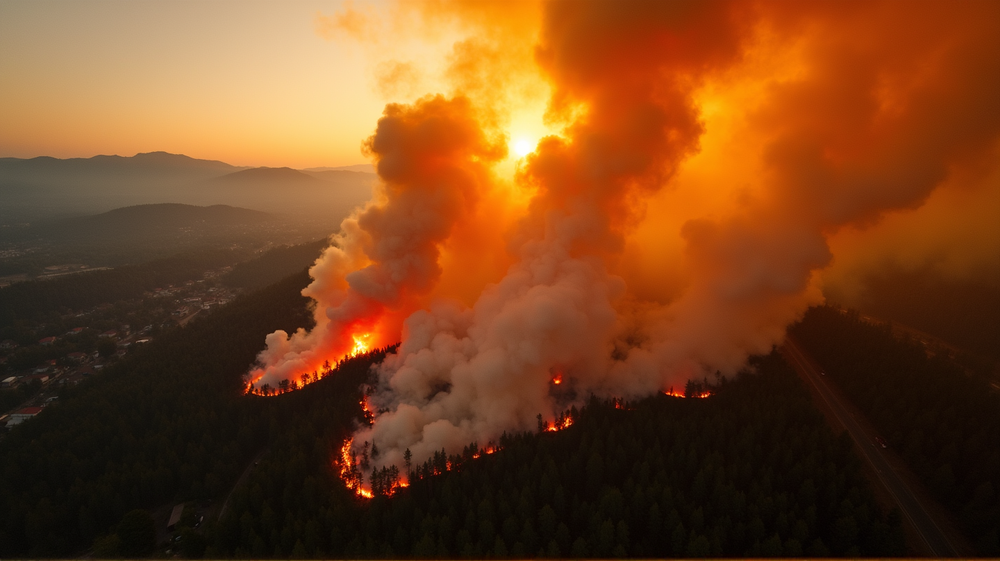
Exploring Newfoundland's Dramatic Fire Fine Hike and its Implications for B.C.
An Urgent Response to Wildfire Devastation
In a response as fiery as the blaze itself, Newfoundland’s government reacted to ongoing wildfires by imposing astonishing fines on illegal fire-setting activities. A surge from \(75 to a daunting \)50,000 for a first offense highlights the province’s zero-tolerance stance. Premier John Hogan’s firm declaration underscores the immediate need to curb actions that fuel the flames.
Examining the Need for Stringent Measures
With wildfires devouring over 28 square kilometers, Newfoundland’s approach emerges as a crucial step. The escalated penalties scale to \(75,000 for a second breach and a remarkable \)150,000 for a third, reflecting the government’s urgency in safeguarding lives and homes. Hogan articulates a clear message: negligence won’t be tolerated amidst this crisis.
A Dilemma for B.C.: Follow Suit or Chart a New Course?
Amidst a backdrop of evacuations and a relentless fire in Conception Bay, should British Columbia consider replicating Newfoundland’s dramatic fine model? B.C., too familiar with fire devastation, might find merit in this aggressive deterrent. But is hiking fines the ultimate salve for rampant wildfires, or does a broader strategy beckon?
The Role of Surveillance and Community Responsibility
As B.C. contemplates its strategy, Newfoundland’s call for community involvement resonates. Encouraging residents to scrutinize surveillance footage places responsibility back into collective hands. This community-driven surveillance could form an integral part of any new policies—deterring potential fire starters while nudging communities towards vigilance.
Resource Mobilization: A Shared Community Effort
Newfoundland’s current predicament extends beyond law enforcement. With the fire crisis pressing on, the Canadian Red Cross and Salvation Army’s collaborative efforts offer comfort, but accommodation shortages strain resources. Such challenges underline the need for a multifaceted fire response plan, something B.C. can learn from as it drafts its policy blueprint.
International Aid: Québec Steps In
Solidarity surfaced as a trait of Canadian provinces working together, showcased by Quebec’s support through water bombers and firefighters. Such resource sharing exemplifies regional cooperation in crisis management—an essential practice for B.C., should fire situations escalate. This spirit of cooperation might inform B.C.’s broader response framework.
Pondering Policy Evolution in B.C.
British Columbia stands at a policy crossroads; should it embrace Newfoundland’s punitive approach as fires threaten its ecosystem? As discussions continue, a simultaneous emphasis on community fortification, resource mobilization, and collaborative aid may pave a comprehensive pathway to fire safety.
According to Castanet, Canada faces complex wildfire challenges, demanding innovative and cooperative solutions to protect its natural landscapes and communities. Each fine, each measure, is a step towards reducing the fiery threat and fostering resilience.