Fascist Agenda: The Censorship of Black History
The Harsh Reality of Historical Censorship
Censorship of Black history represents the unsettling intersection of authoritarian control and racial erasure. According to recent legislative actions across various states, there has been an alarming push to ban so-called “divisive topics,” impacting how slavery and racial inequality are taught. This effort isn’t just about erasing uncomfortable truths; it’s a calculated move to control the narrative, ensuring that the horrors endured by enslaved Africans are marginalized.
Slavery: Erasing the Ugly Truth
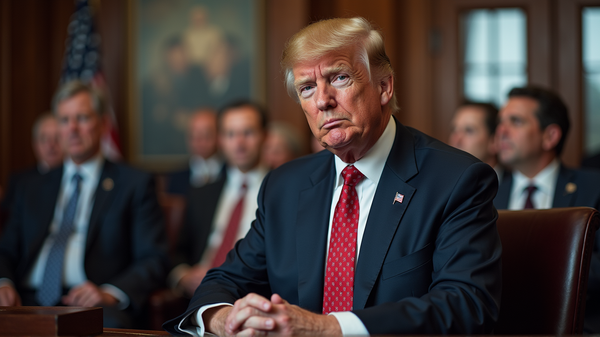
Critics, including former President Donald Trump, have described exhibits at institutions like the Smithsonian’s National Museum of African American History as excessively somber, urging a brighter portrayal of history. This insistence on “brightening” history blatantly undermines the brutal realities of slavery, where millions of Black people suffered for the prosperity of a nation that continues to struggle with racial inequality. Trump’s comments mirror a broader trend where acknowledging Black struggles is dismissed as unnecessary or divisive.
Divergent Narratives and Their Impact
Academic forums are being disrupted as discussion around racial issues risks being labeled divisive, much to the detriment of students’ understanding of history. Museums face pressure to dilute their narratives, with demands for historical figures’ achievements and contributions to be spotlighted over the suffering they’ve endured. This selective memory perpetuates ongoing racial disparities, from economic inequalities to systemic biases in law enforcement and healthcare.
Artistic Resistance Against Erasure
Visual artists like Jonathan Harris are confronting this erasure through impactful works like “Critical Race Theory,” which depicts the whitewashing of prominent Black figures. Such artwork visualizes the consequences of this disturbing trend, reminding us that the vulnerability of history isn’t just theoretical. If ignored, significant narratives representing centuries of struggle and resilience could be lost, impacting future generations’ understanding of justice and equality.
Conclusion: The Path Forward
The ongoing censorship of Black history raises alarms about racial and democratic integrity. As authoritarianism looms, the right to truthful historical narratives becomes foundational in protecting democracy and addressing past injustices. Community efforts to maintain historical awareness and truth are crucial in combating these regressive policies. As stated in LEVEL Man, resisting the erasure of Black history is essential, not only to honor those who suffered but to ensure a just and equitable future for all.