IPO Definition: Meaning in Trading and Investing
IPO Definition: What It Means in Trading and Investing
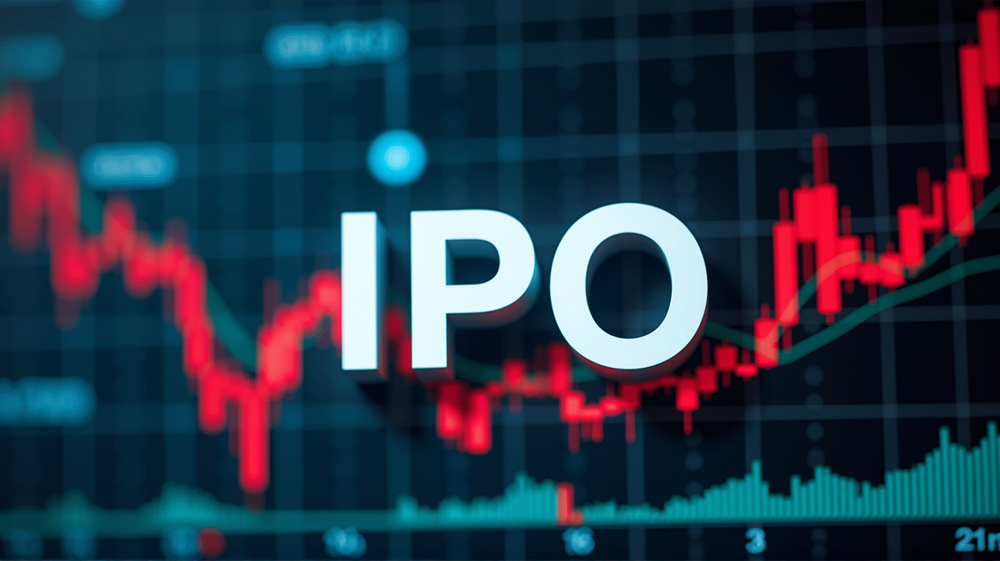
IPO (Initial Public Offering) is the process by which a private company sells shares to the public for the first time, becoming listed on a stock exchange. In plain English, an IPO is a business “going public,” turning private ownership into publicly traded stock with a market price set by supply and demand.
In trading and investing conversations, the IPO meaning often goes beyond a single listing day. Market participants use the term to describe the whole public listing cycle: the prospectus (S-1), the roadshow, the first trade, and the early months when price discovery is still unstable. This event can affect equity indices and sector sentiment; it also shapes how some traders position around volatility. In Forex and crypto, there is no true equity IPO, but investors loosely compare IPO dynamics to new listings, fresh token launches, or major exchange debuts—situations where pricing history is limited and narratives run ahead of fundamentals.
From a Buffett-style lens, price is what you pay and value is what you get. A flotation can create opportunity, but it does not create certainty. Read the filings, understand the business, and demand a margin of safety.
Disclaimer: This content is for educational purposes only.
Key Takeaways
- Definition: An IPO is a company’s first sale of shares to the public, establishing an initial market price through trading.
- Usage: Investors track the going-public process in stocks and related sectors; analogous “new listing” situations also influence crypto sentiment.
- Implication: Early trading often reflects price discovery, lock-ups, and limited financial history, which can amplify volatility.
- Caution: A public debut is not a quality stamp; disciplined investors rely on filings, cash flows, and valuation—not headlines.
What Does IPO Mean in Trading?
In trading terms, an IPO is less a “signal” and more a market condition: a new equity arrives with limited trading history, high attention, and a valuation often framed by underwriters and early investors. Traders focus on mechanics—allocation, first-day liquidity, order imbalances, and how the opening price differs from the indicated range. This is why a stock market debut can behave unlike a mature company with years of price levels and technical reference points.
Professionals also treat a public offering as a calendar event with predictable phases. The days around the listing tend to feature wide spreads, gaps, and fast repricing as institutions establish positions and retail demand reacts. Later, the market shifts attention to the first earnings reports as a public company, changes in float, and (crucially) lock-up expirations that may add supply. In this sense, IPO in trading is about understanding who can sell, when they can sell, and how much stock is truly available.
For investors, the definition is simple but the implications are not: a company can be wonderful and still be a poor investment if the offering price assumes perfection. The smartest work is usually done in the footnotes—revenue recognition, stock-based compensation, customer concentration, and cash flow quality—rather than in the first day’s tape.
How Is IPO Used in Financial Markets?
Stocks: IPO analysis starts with filings (business model, risks, use of proceeds) and ends with valuation discipline. Equity traders may focus on opening volatility, while longer-horizon investors study unit economics, competitive moat, and whether insiders are selling. A new issue can also move peer stocks by resetting valuation benchmarks for an industry.
Indices: A high-profile listing can affect sector indices through sentiment first and index inclusion later. Portfolio managers may hedge exposure or rebalance once the company becomes eligible for major benchmarks. Time horizon matters: the first week is often about liquidity; the next few quarters are about earnings reality.
Forex: There is no IPO for currency pairs, but large public offerings can influence FX indirectly via cross-border flows (international allocations, repatriation, or hedging by global funds). A well-telegraphed public float in a major market can coincide with periods of risk-on/risk-off that spill into currency positioning.
Crypto: Tokens do not “go public” in the legal equity sense, yet traders often map IPO thinking onto major exchange listings or token distribution events. The practical lesson is the same: limited history, narrative-driven pricing, and sudden shifts in available supply.
How to Recognize Situations Where IPO Applies
Market Conditions and Price Behavior
The clearest sign you are in an IPO environment is newness: limited historical prices, rapid repricing, and a market trying to find fair value in real time. On day one, you may see large gaps from the indicated range, repeated volatility halts, and sharp reversals as demand meets constrained float. In the weeks after a public listing, liquidity improves, but the stock can remain sensitive to headlines and analyst initiations because expectations are still being set.
Technical and Analytical Signals
Technical analysis works differently when there is little prior data. Instead of long-term support/resistance, traders watch microstructure cues: opening range behavior, volume spikes, and where price stabilizes after early surges. A common pattern is an initial burst followed by consolidation as institutions accumulate or distribute. For a freshly listed stock, volume profile and intraday VWAP often matter more than classic indicators that need long lookback periods. Also watch the calendar: lock-up expirations and secondary offerings can create predictable supply shocks.
Fundamental and Sentiment Factors
Fundamentals in an IPO setting begin with the filing: revenue quality, margins, cash burn, customer concentration, and related-party transactions. Pay attention to stock-based compensation and how it affects true owner earnings. Sentiment is typically loudest when information is thinnest—roadshow narratives, media profiles, and “total addressable market” claims. A disciplined investor anchors the story to the numbers and asks: What does normalized free cash flow look like five years out, and what am I paying for it today? In a going-public event, that question matters more than any first-day “pop.”
Examples of IPO in Stocks, Forex, and Crypto
- Stocks: A profitable private firm completes an IPO at a valuation that implies very high future growth. The stock opens strong, then stalls as early buyers take profits and the market rereads the prospectus. A fundamentals-first investor waits for the first couple of quarterly reports and evaluates the new issue on cash generation, not on the opening-day headline.
- Forex: A large cross-border equity flotation draws heavy international demand. Global funds convert currency to participate, and some hedge the exposure, increasing short-term FX volume. A currency trader doesn’t “trade the IPO” directly, but monitors flow-driven volatility around the offering window and avoids overleveraging during the event.
- Crypto: A token begins trading on a major venue after a distribution event. Traders treat it like an IPO analog: limited history, thin order books, and rapid price discovery. A risk-aware participant sizes small, uses predefined stops, and waits for circulating supply and vesting schedules to become clearer before taking a longer-term view.
Risks, Misunderstandings, and Limitations of IPO
The biggest risk in an IPO is confusing attention with value. A market debut can be accompanied by persuasive narratives, selective metrics, and comparisons that flatter valuation. Yet the economics of the business—cash flow, competitive durability, and reinvestment needs—still decide long-run returns. Another hazard is structural: limited float can exaggerate moves, and later changes in supply (lock-up expirations or secondary sales) can punish late buyers.
- Overconfidence in the “pop”: A first-day surge in a stock market debut can reflect scarcity and demand, not intrinsic value.
- Misreading fundamentals: Adjusted profits may exclude real costs like stock compensation; always reconcile to cash flow.
- Liquidity and volatility: Wide spreads, fast gaps, and halts can make risk controls ineffective.
- Concentration risk: Betting heavily on a single public offering undermines diversification and margin-of-safety thinking.
How Traders and Investors Use IPO in Practice
Professionals approach an IPO with a process. Institutional desks study the order book, expected float, shareholder base, and the likelihood of stabilization activities. They often plan trades around liquidity windows and known catalysts such as the first earnings call, index eligibility, or lock-up expirations. Position sizing is typically conservative early on, because a newly public company can reprice quickly when expectations meet reality.
Retail participants should be even more disciplined. A practical checklist: read the filing summary, understand dilution and stock-based compensation, and compare valuation to realistic cash flow outcomes. If trading short-term, define risk first—use smaller size, hard stops, and accept that slippage can happen. If investing, consider waiting until the business has at least a couple of quarters of public reporting, when the market has more data and the initial offering excitement fades.
In my experience, the edge is rarely in being first. It is in being right about business quality and refusing to overpay.
Summary: Key Points About IPO
- IPO (Initial Public Offering) is a company’s transition from private to publicly traded shares, creating a new market price through trading.
- A going-public process often brings unstable price discovery: limited float, heavy attention, and shifting supply as lock-ups expire.
- Use filings and cash-flow reasoning to judge value; a first-day move is not proof of quality.
- Risk control matters: volatility, gaps, and concentration can hurt even when the long-term story is good.
To build stronger habits, review a basic Risk Management Guide and a checklist for reading SEC filings before committing capital.
Frequently Asked Questions About IPO
Is IPO Good or Bad for Traders?
It depends on your risk controls. An IPO can offer opportunity because volatility and volume are high, but a new issue can gap violently and make stops less reliable.
What Does IPO Mean in Simple Terms?
It means a private company starts selling shares to the public for the first time—a company going public.
How Do Beginners Use IPO ?
Start by reading the prospectus summary, noting dilution and cash flows, and keeping position size small. Treat the public listing as a learning case, not a shortcut.
Can IPO Be Wrong or Misleading?
Yes, if you treat excitement as evidence. Early pricing in an IPO can be distorted by limited float, marketing narratives, and incomplete operating history.
Do I Need to Understand IPO Before I Start Trading?
No, but it helps. Understanding how a stock market debut differs from seasoned trading will improve your expectations about volatility, liquidity, and valuation risk.
Disclaimer: This article is for informational purposes only and does not constitute financial advice. Always do your own research or consult a professional.