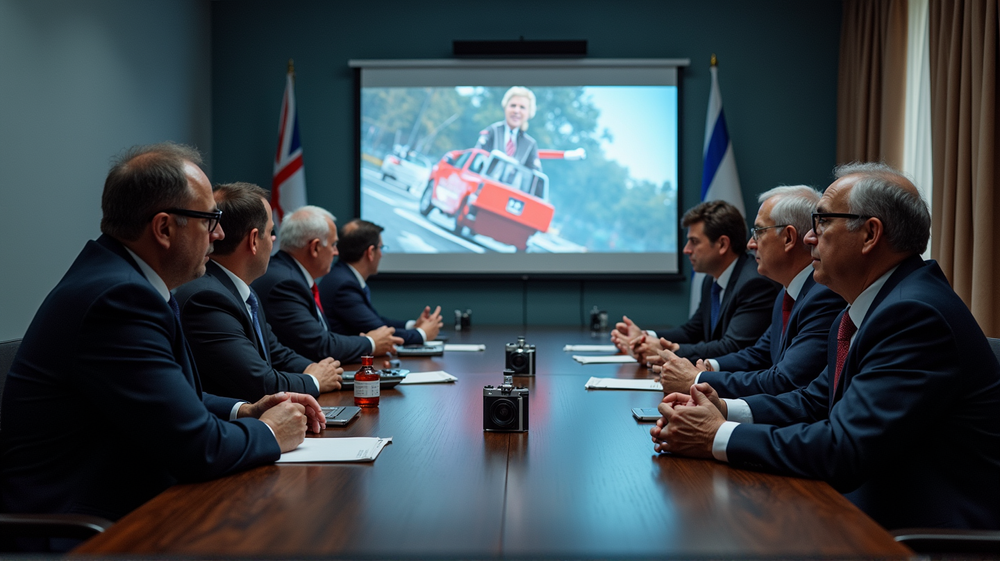
Google Defends Content: Rejection of Poland's Complaints Against Israel's YouTube Videos
In a move that has sparked an international debate, Google has stood firm against the Polish foreign ministry’s complaints regarding a series of YouTube videos by Israel’s embassy that Poland claims spread “manipulated or false content” concerning the humanitarian crisis in Gaza.
Diplomatic Tensions Unveil
The controversy began when the Israeli embassy published videos asserting the provision of humanitarian aid to Gaza and dismissing starvation claims as propaganda. These claims have been challenged internationally, with fact-checkers from media giants like Deutsche Welle and France 24 labeling the content as misleading. According to Notes From Poland, the discourse between the involved parties has been heated, with the Polish authorities even summoning Israel’s ambassador for a diplomatic dialogue.
The Core of the Complaint
The Polish media illuminated the core allegations - the portrayal of an abundant Gaza in videos showing bustling restaurants and food markets, which garnered millions of views. Critics point out that these scenes do not reflect the broader shortages and inflated prices making food inaccessible for many Gazans. Polish Prime Minister Donald Tusk has been vocally critical, accusing Israel of exacerbating the humanitarian crisis, remarks which the Israeli foreign ministry has called “unacceptable.”
Poles and Policies
In response to the videos, Poland escalated the issue through direct diplomatic channels and complaints filed to tech giant Google. Google’s response came firm, declaring the videos in alignment with its policies, a decision that has left Polish authorities dismayed but resolute in their advocacy against perceived misinformation.
Independent Voices and International Reactions
As the dialogue on truthful representation continues, various international organizations continue to report on the hunger and health crisis in Gaza, drawing attention to the disparity between reported conditions and the narratives shared by different parties. Despite Google’s position, the Polish foreign ministry and its supportive organizations promise to persevere in their mission to counter foreign interference in the information sphere.
In this complex and emotional narrative, the role of digital platforms like YouTube in shaping international discourse remains as pivotal as ever. The repercussions of these decisions echo worldwide, influencing both diplomatic relations and public perception.