International Journalists Face Consequences for Propaganda Tour in Russia’s Occupied Territories
In a bold statement, the Ministry of Foreign Affairs of Ukraine declared that the journalists who participated in Russia’s propaganda tour to the occupied territories have violated international laws. This serious claim puts these media entities under intense scrutiny as Ukraine demands accountability.
Crossing Legal Boundaries
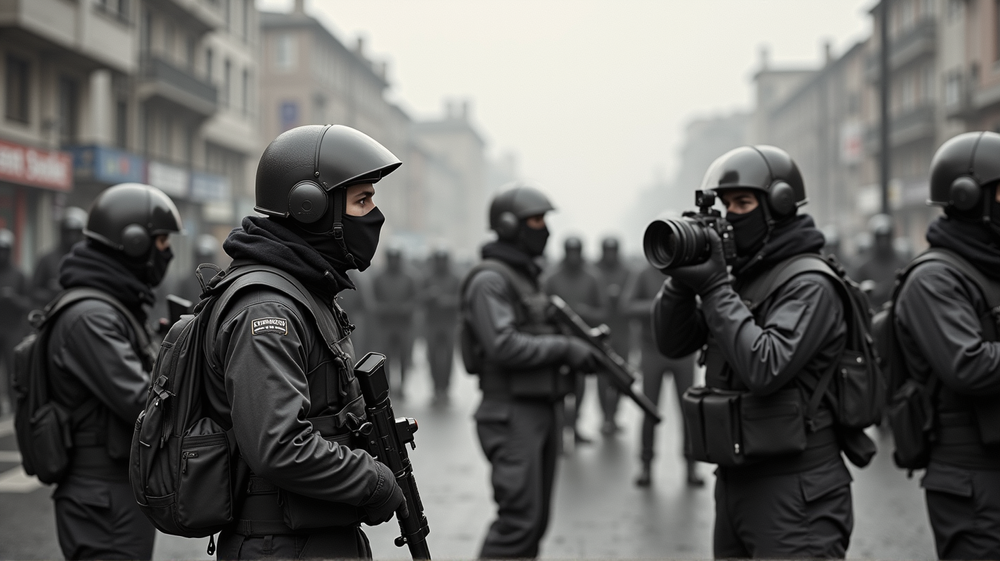
International journalists are accused of unlawfully crossing Ukrainian borders, aligning with unauthorized narratives. According to Georgiy Tikhiy, a spokesman for MFA Ukraine, this unapproved passage into disputed regions marks a breach of both international agreements and Ukraine’s sovereignty. Participants now face potential legal ramifications and possible entry bans to Ukraine.
“Every participant violated international laws and the national legislation of Ukraine,” pressed Tikhiy, highlighting a grim future for those implicated.
Calls for Accountability
Ukraine is not standing idly by. With plans to appeal to the headquarters of the implicated media outlets, Ukrainian authorities are taking a stand against these journalistic practices. Demands for public apologies and a cessation of participation in such tours have already been communicated. The nation’s struggle, amplified by this incident, underscores the need for unbiased journalism during ongoing conflicts.
Tikhiy also remarked that Russia is a “state of strict censorship,” condemning the curated reality presented to foreign media attendees.
Background of the Incident
This propaganda tour is part of a broader strategy employed by Russia, aimed at creating a facade of international engagement in shattered regions. Recent meetings led by Donetsk’s occupation authorities show attempts to bolster narratives, often misleading, about regional conditions for wider geopolitical consumption.
The Center for Countering Disinformation highlights the dissections of misleading storylines—including false claims of “genocide” and economic restoration in contested territories—used to distort actual conditions experienced in Donbas.
A Broader Crackdown
This recent scandal fortifies the Ukrainian government’s long-standing grievance against Russia’s handling of journalists and independent reporting. With over 800 offenses recorded against media personnel and ongoing unjust detentions, the campaign against misinformation continues to elevate.
Society’s Response and Future Developments
The international community eyes these developments with caution. As Ukraine pushes its appeal to media conglomerates, the spotlight on ethical journalism and abiding by international law sharpens. Only time will tell how these dynamics will alter the media landscape and influence international understanding of Russia’s occupation narrative.
According to Українські Національні Новини, these actions mark yet another chapter in the ongoing narrative of Russia’s complex relationship with media and international laws.