Iran Executes Two Opposition Members Amid Controversial Trials
Iran’s latest execution of two members of the banned Mujahideen-e-Khalq (MEK) opposition group has stirred international outcry, facing harsh criticisms from human rights organizations over the perceived injustice of the proceedings.
The Operation and Fallout
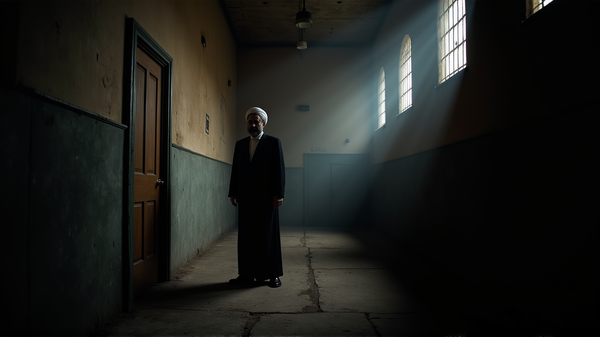
Mehdi Hassani and Behrouz Ehsani-Eslamloo, identified as “operational elements” of the MEK, were executed after Iran’s Supreme Court upheld their death sentences. The charges included targeting civilian infrastructures using homemade projectiles, and according to officials, their actions were coordinated with MEK leaders within Tehran.
Voices of Support and Condemnation
Maryam Rajavi, leader of the National Council of Resistance of Iran, hailed the steadfastness of the executed men, highlighting their resistance to pressures and torture during their imprisonment. These executions are seen as part of a broader narrative of Iran’s effort to quash opposition activities.
Criticism Over a ‘Grossly Unfair’ Trial
Amnesty International has strongly condemned the legal process as “grossly unfair,” with accusations of torture and forced confessions marring the integrity of their trial. Ehsani-Eslamloo and Hassani were reportedly denied access to legal representation during critical interrogation phases.
A Surge in Executions
According to the United Nations High Commissioner for Human Rights, Iran saw a significant rise in executions in 2024, with numbers reaching at least 901, marking the highest level since 2015.
A History of Political Tensions
The MEK, which was initially part of the broader revolutionary movement in 1979 but eventually clashed with post-revolution Islamic factions, remains a controversial force, with its leadership residing in exile in Paris. The group’s historical involvement in violent campaigns against both domestic and U.S. targets has left a lingering impact on the political landscape.
New Legislative Developments in Iran
Elsewhere, Iran’s parliament has moved forward with a draft law aimed at regulating information on social media. This new law contemplates severe penalties for spreading false information online, a move critics argue could further stifle free expression under the guise of crisis management.
The fate of political dissenters in Iran continues to highlight the sharp struggles within the country over governance, personal freedoms, and international human rights standards. As stated in The Singleton Argus, the international community is actively monitoring these developments, with ongoing debates surrounding justice and freedom of expression.