Iran Faces Renewed Sanctions Amidst Rising Tensions and Human Rights Concerns
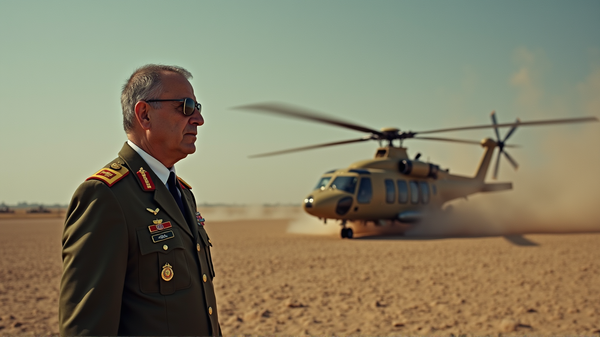
In a dramatic turn of events, the United Nations has reinstated sanctions on Iran, signaling a decisive moment in international diplomacy. The reactivation of these sanctions not only serves as a direct consequence of Tehran’s persistent non-compliance but also signifies a triumph for those who have long resisted the regime’s evasions.
The Snapback of Sanctions: Diplomatic Success or Failure?
Late Sunday night, all six UN Security Council resolutions, initially aimed at curbing Tehran’s alleged nuclear endeavors, came back into force. This move underscores a diplomatic stalemate for Iran, which had repeatedly spurned international agreements. Contrastingly, it represents a monumental stride for global security initiatives. Despite valiant efforts by Russia and China to forestall this outcome, their proposition met with substantial resistance. According to National Council of Resistance of Iran - NCRI, their attempts garnered minimal support in the Council, further isolating Tehran on the geopolitical stage.
Rising Concerns Over Human Rights Violations
As the geopolitical tensions escalate, so do humanitarian crises, with Qarchak Prison becoming a grim symbol of the regime’s negligence. The prison, notorious for its appalling conditions, has witnessed consecutive deaths, most notably that of Soudabeh Asadi. Denied medical care due to systemic neglect, her tragic demise highlights the urgent need for reforms within Iran’s carceral system.
Global Solidarity Against Executions
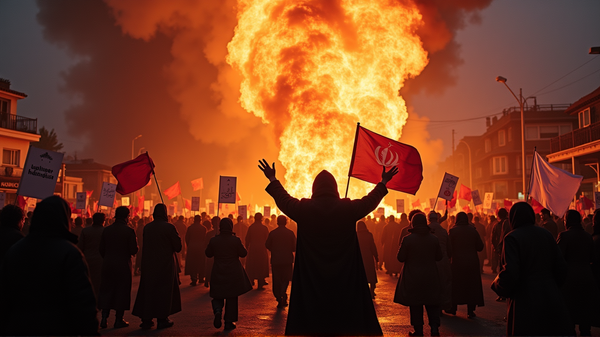
Across Europe, exhibitions from London to Bucharest are manifesting solidarity with Iran’s beleaguered citizens. Such initiatives have been pivotal in underscoring the regime’s human rights abuses. These exhibitions advocate not just for the cessation of executions but also demand the liberation of political prisoners, captivating audiences with stirring narratives and compelling visual displays.
Systematic Censorship and the Information Stranglehold
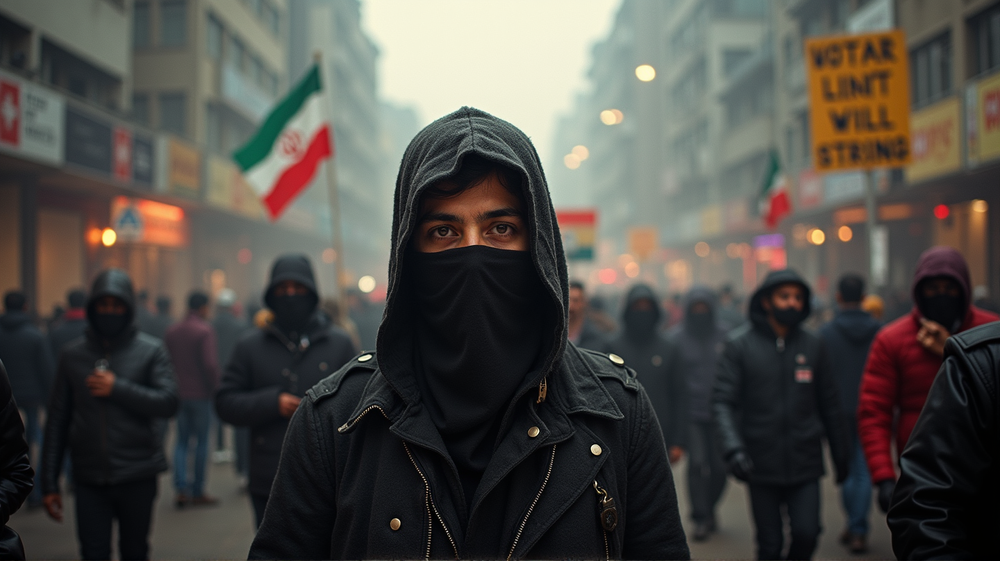
Marking the International Day for Universal Access to Information, Iran’s suppression of free speech stands as a grave contrast to global ideals. Ranked 176 on the Press Freedom Index by Reporters Without Borders, Iran trails only behind nations like North Korea and Syria, highlighting an urgent need for systemic change. The government’s stringent internet regulations further suffocate the digital arena, leaving citizens in an informational black hole.
Economic Challenges Exacerbated by Sanctions
In the wake of renewed sanctions, Iran’s economic woes continue unabated. The inflation rate, now at a staggering 45.3%, reflects an economy on the brink of collapse. Soaring food prices and widening wealth gaps exacerbate public discontent, threatening to plunge the nation deeper into crisis. As the Iranian Statistical Center reveals these daunting figures, experts warn of an impending stagflation crisis.
A Call for Hope and Action
This intricate tapestry of political, humanitarian, and economic challenges paints a somber picture for Iran’s future. Yet, in these dark times, global advocates and local voices unite, persisting in their demands for justice and reform. The echoes of resistance span continents, whispering a hope that someday, the voices of the oppressed will herald a new dawn.
As the world watches, Iran stands at a crossroads—between its tumultuous present and the carriages of change, awaiting a guiding hand towards progress and peace.