Iran Intensifies Crackdown with New Wave of Death Sentences
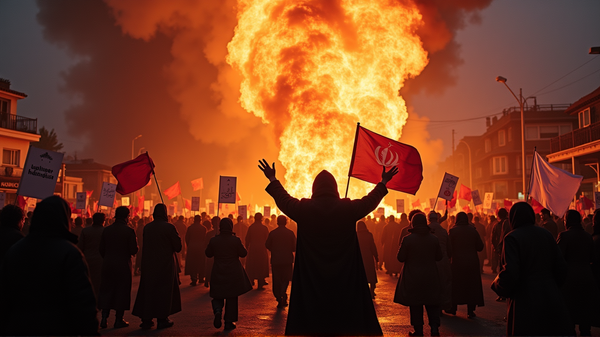
In a troubling move to silence growing dissent, the Iranian regime has ramped up its issuance of death sentences, targeting political activists and prisoners. This wave of terror, primarily directed at supporters of the People’s Mojahedin Organization of Iran (PMOI/MEK), reveals a regime rattled by fear of a rising spirit of defiance. According to National Council of Resistance of Iran - NCRI, the cases of Zahra Tabari, Ehsan Faridi, and Manouchehr Fallah are merely symptoms of a larger, systematic campaign to intimidate a nation on the cusp of change.
The Execution of Narges Ahmadi
On October 25, 2025, Narges Ahmadi’s execution in Qom Central Prison marked a grim milestone. Her death sentence for “premeditated murder” pushes the count of executed women in Iran to an unprecedented 44 this year alone. This alarming statistic accentuates the dire human rights landscape, as the regime’s secrecy shrouds much of the detail, leaving the world to call for transparency and justice.
Global Solidarity Against Executions: Exhibitions in Germany
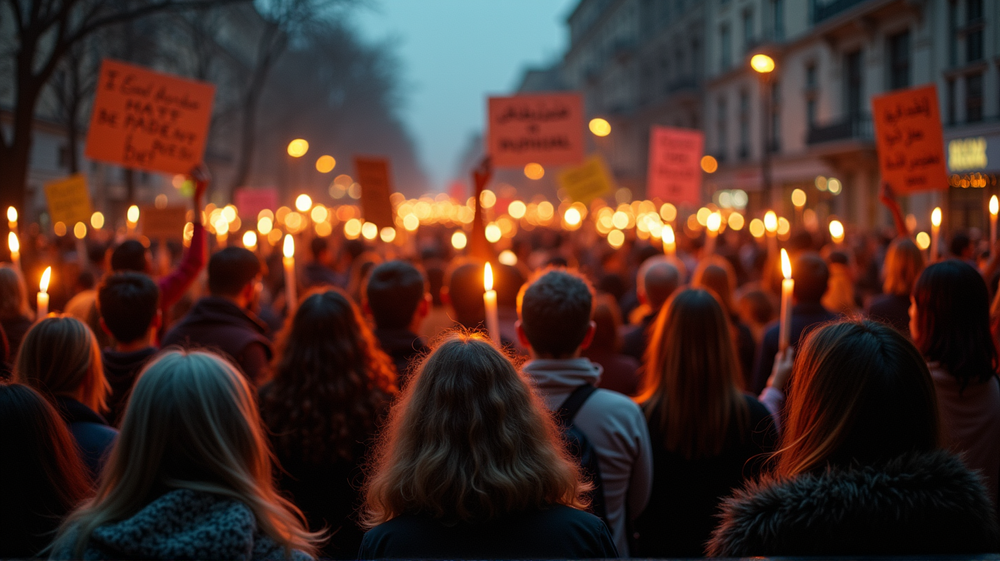
Exhibitions in Heidelberg and Rostock, Germany, organized by PMOI/MEK supporters, stand as powerful symbols of international solidarity. Held to denounce Iran’s increasing reliance on capital punishment, these events reinforce the global call for justice and support for political prisoners. The exhibitions echoed the growing “No to Execution” sentiment, highlighting international commitment against the regime’s oppressive measures.
The Agony of Ayoub Porkar: Neglected Health as Torture
Ayoub Porkar, a former Air Force pilot, embodies the silent suffering of political prisoners through state neglect. His recent emergency hospital transfer from Sheiban Prison underscores Iran’s inhumane tactics, using medical neglect as a tool of oppression. Porkar’s long-standing opposition to the regime and his family’s fight for his health shed light on the grave abuses faced by detainees.
A Health Crisis Rooted in Economic Decay
Iran’s declining economy has sparked a public health crisis of critical proportions. According to Ahmad Esmaeilzadeh from the Ministry of Health, one-third of annual deaths, equating to over 120,000 lives, are attributed to poor nutrition and food insecurity. These stark figures reveal how intertwined Iran’s economic woes are with citizens’ well-being, reflecting a deterioration that is both social and systemic.
Persistent Class Divide and Media Censorship
Revisiting the roots of Iran’s 1979 revolution, today’s Iran continues the cycle of deepening class disparity. State-controlled media perpetuates this divide by saturating outlets with figures on poverty and decay while omitting the responsible entities. Despite persistent reporting, the cycle of injustice remains unchanged, echoing the unresolved legacy of inequality and repression.
The Iranian regime’s wild, desperate efforts to suppress dissent reveal both its fragility and the resilience of those yearning for change. As international eyebrows raise and solidarity grows, the world’s watchful eyes remain crucial, demanding accountability and championing the Iranian people’s fight for justice and freedom.