Iran's Post-War Suppression: A Risky Game of Control
Escalation Under the Guise of Security
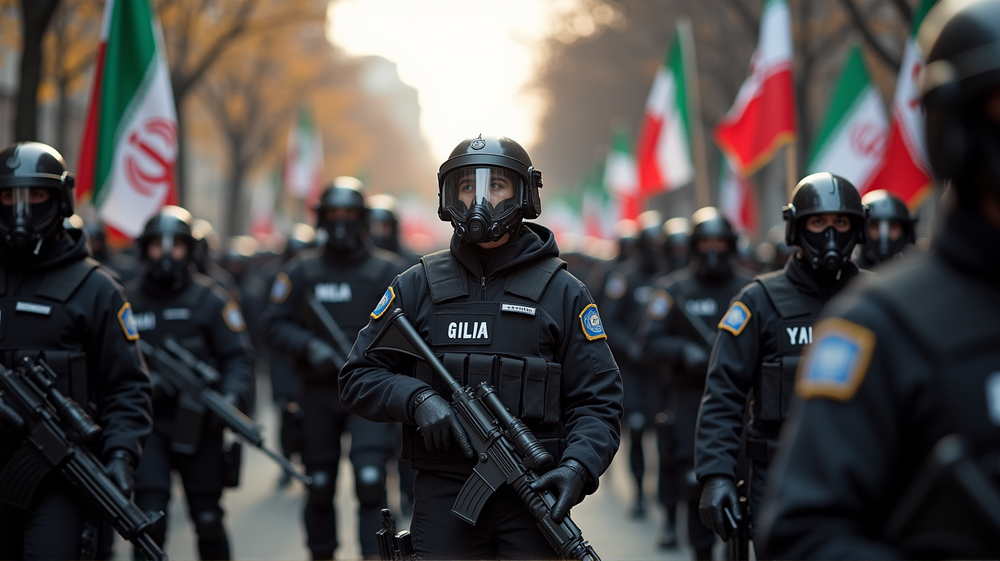
The conclusion of the Iran-Israel conflict marked a temporary ceasefire, yet inside Iran, the tension continues to escalate. The Iranian regime has intensified its internal security measures, creating an atmosphere where fear serves as a substitute for peace. According to Iran News Update, these measures are justified as a war-time necessity, yet critics argue they signal a more disturbing trend toward authoritarianism.
Media Manipulation and Public Perception
On the surface, state-controlled media champions the regime’s efforts, broadcasting support for the new policies. Yet, beneath this tailored narrative lies a reality starkly different. In candid exchanges on social media, citizens recount invasive stop-and-search operations, where personal devices become targets under the banner of “security.”
The Bounds of Free Expression Shrink
Despite the cessation of hostilities, digital freedoms remain severely curtailed. Internet access is sporadic, rendering everyday communication challenging. Those who dare to discuss controversial subjects—such as the ramifications of war on Iran’s economy or speculate future diplomatic tensions—are swiftly silenced, as underscored by recent bans on local news sites.
Legalizing Control through Legislation
A newly enacted law broadens the definition of espionage, targeting those accused of cooperating with hostile states. From disseminating casualty numbers to simple acts like filming in public spaces, the Iranian regime paves the way for widespread persecution, turning routine civil activities into indictable offenses.
Fearful Compliance and Coerced Confessions
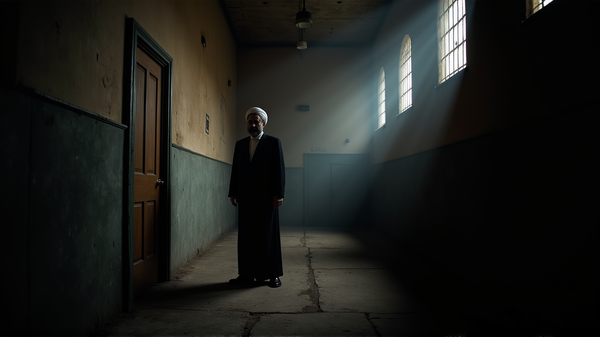
Within this climate of fear, the stories of those detained paint a worrying picture. Under duress, detainees provide confessions broadcast to the nation—statements often elicited through repressive means. The resulting atmosphere speaks volumes about the lengths to which the regime will go to maintain an iron grip on power.
Collateral Damage of Power
The repression does not discriminate between the guilty and the innocent. As vast sweeps make examples of everyday citizens, the shield of “security” ironically leaves them more exposed. Activists note the real threat stems not from external forces but from the crisis born within the regime’s refusal to embrace reform.
Beyond the Immediate Threat
Iran’s strategy mirrors a familiar pattern seen in authoritarian regimes, where external conflicts serve as a smokescreen for suppressing internal dissent. While some wartime measures are temporary, Iran appears poised to solidify these into tools of longstanding oppression.
In essence, although the battlefront might have drawn down its guns, the struggle for civil liberty and freedom within Iran is far from over. According to Iran News Update, as the regime seeks to consolidate its power, an enduring internal fight for democratic space persists.
The war might have paused, but for Iran’s citizens, a new confrontation against adversity looms larger than before.