Iran's Standoff: Snapback Sanctions May Alter Political Landscape
In a tumultuous chapter of international diplomacy, Iranian Vice President Mohammad Reza Aref stands defiant against the impending “snapback” sanctions, a UN mechanism poised to reimpose punitive measures on Iran. This unfolding scenario is overshadowed by a drama of geopolitical chess, where each move reverberates through the hallways of power across the globe.
The Unwavering Stance of Tehran
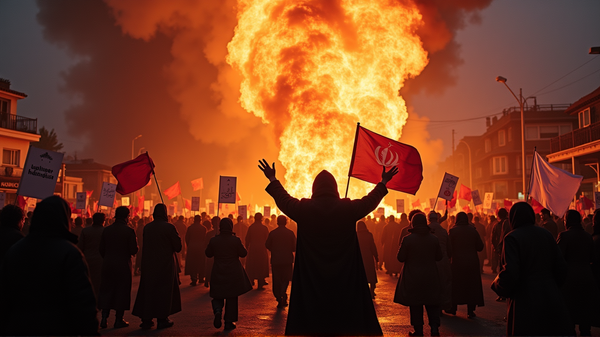
Despite the looming threat of revived sanctions, Tehran has openly declared its intention not to yield to international pressure. Aref’s assertive declaration, “the Iranian people will neither back down nor bow to pressure,” seems both a rallying cry and a testament to Iran’s resistant posture. Yet, the inexorable weight of economic sanctions, designed to penalize Iran’s alleged non-compliance with its 2015 nuclear obligations, inches closer.
European Diplomacy at a Crossroads
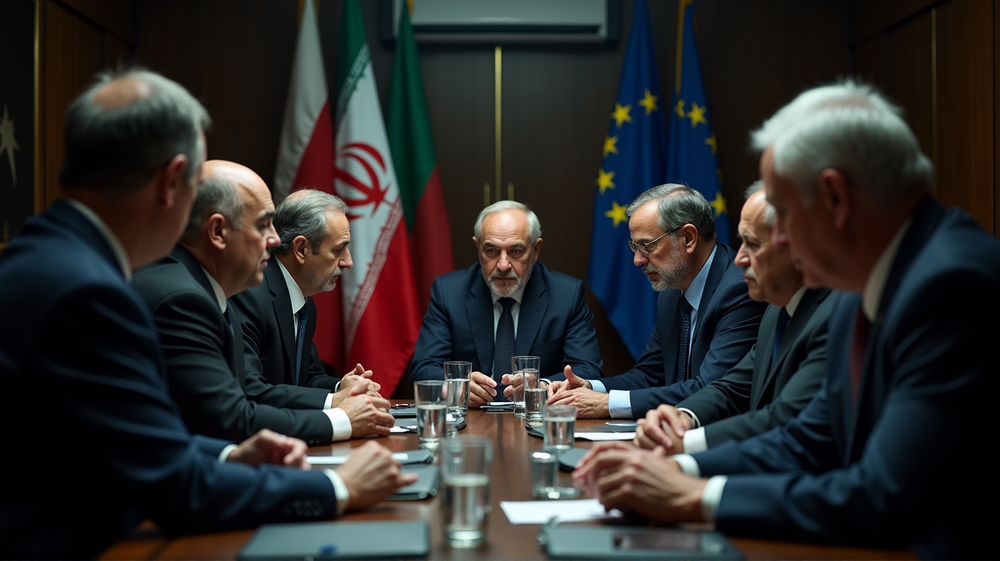
The European 3 (E3) — Britain, France, and Germany — have initiated the controversial “snapback” process, sparking intense debates over legal legitimacy. According to a source, this diplomatic maneuver affords a 30-day negotiation window, ostensibly to persuade Iran back towards compliance. However, the ticking clock leaves little room for complacency, hinting at an imminent confrontation unless reconciliation is achieved.
A Fragile Economy Under Siege
Amidst this diplomatic high-wire act, Iran faces significant economic duress due to previous sanction rounds. This economic strain might pressure Tehran into seeking diplomatic channels to avert further distress. Historically, sanctions have led to widespread shortages and economic hardship, painting a bleak picture for a nation already grappling with internal challenges.
The 2015 Accord: A Persistent Shadow
The 2015 nuclear deal, or the Joint Comprehensive Plan of Action (JCPOA), remains central in this geopolitical narrative. As rumors swirl about Iran’s nuclear aspirations, Tehran’s insistence on peaceful intent sits at odds with global apprehensions. With uranium enrichment surpassing JCPOA limits, accusations of treaty violation loom large, fostering a climate of mistrust.
A Glimmer of Diplomatic Hope?
EU foreign policy chief Kaja Kallas’s comments emphasize the 30-day period as a potential diplomatic window. Calling it an “opportunity,” she highlights the chance to “sort things out,” signaling perhaps, a sliver of hope amid the mounting tension.
As the world watches, Iran’s response to these looming “snapback” sanctions will shape not only the country’s future but also the geopolitical landscape at large. The coming days may well determine whether diplomacy can weave its magic to fend off an economic and political quagmire.