Kneecap Turns Glastonbury Stage Into a Political Powerhouse
An Electrifying Performance Riddled with Bold Political Statements
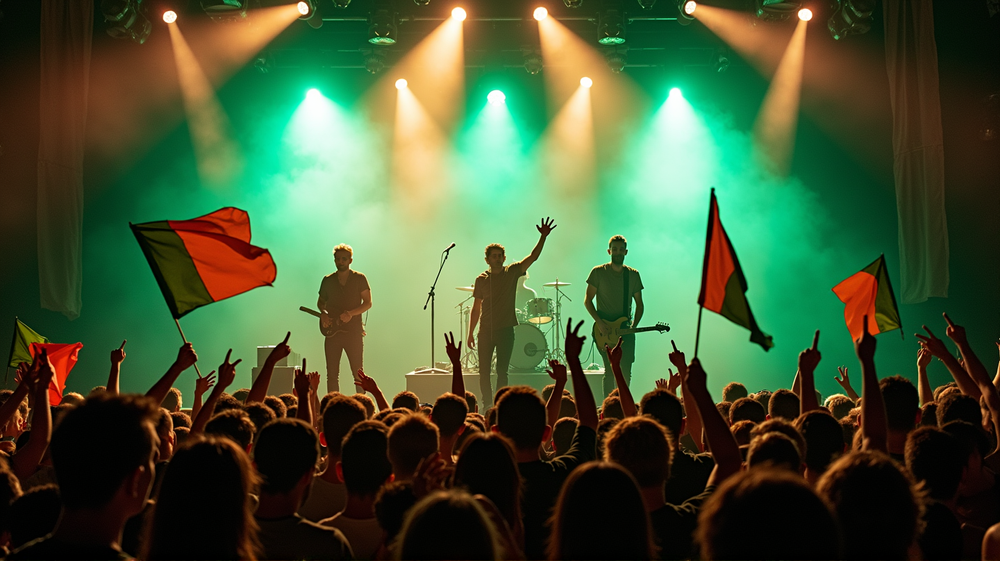
When Irish rap trio Kneecap took the stage at Glastonbury, they weren’t just there to entertain; they came armed with messages that reverberated around the world. With strong chants of “F**k Keir Starmer” and “Free Palestine,” Kneecap’s presence was impossible to ignore. Their words connected deeply with an audience that seemed eager to ignite change, causing waves of Palestinian and Irish flags to ripple across the massive crowd.
Overcoming Censorship and Legal Hurdles
Despite the performance’s exclusion from the BBC’s live coverage due to its controversial messages, the group’s reach was far from stifled. Mo Chara’s ongoing legal issues for alleged promotion of banned groups only intensified their supporters’ resolve, drawing attention to what many see as a miscarriage of justice against a backdrop of historical tensions between Ireland and Britain.
The Artistic Power Against Oppression
The challenging circumstances surrounding Kneecap’s performance didn’t deter their political inclinations; instead, it fueled them. According to The Hindu, the omission of their set by heavily scrutinized media like the BBC highlighted a significant discussion point on media responsibility and freedom of expression.
A Platform for Artistic Solidarity
Artists and fans alike rallied around Kneecap. Musicians like Johnny Marr and Massive Attack underscored the vital role of music in activism, echoing sentiments that “oppression fears artistic expression.”
A Rallying Cry for Global Awareness
DJ Próvaí emphasized international solidarity, leading chants for Palestinian freedom and standing in unity with groups like Palestine Action, recently targeted by the U.K. government for their activism. Kneecap’s fervor for backing minoritized voices echoed universally, resonating with audiences and shining a spotlight on issues that know no borders.
Kneecap’s set at Glastonbury became more than a musical performance; it transformed into a movement, demonstrating music’s potential to carve out spaces for justice and solidarity.