LA County Seeks New Powers to Reform Juvenile Hall Amid Staffing Crisis
Challenging State Control in Juvenile Justice
In a move that has stirred significant debate, Los Angeles County is requesting judicial powers to reform its beleaguered juvenile hall system instead of embracing a proposed state receivership. County officials argue that new authorities are essential to cutting through the bureaucratic red tape that has fostered a ‘callout culture’.
The Staffing Conundrum
The heart of the controversy lies in the County Probation Department’s staffing crisis. Approximately 61% of the staff at Los Padrinos Juvenile Hall are on leave due to various restrictions, and nearly two-thirds of hires leave within a year. According to Press Telegram, this instability is attributed to rigid civil service protocols and contract stipulations that have handicapped managerial flexibility.
Arguments Against Receivership
The Department of Justice seeks to appoint a receiver with sweeping powers to override existing laws and contracts. The county, however, contends this move is unnecessary and could impede progress already made. “Rather than supporting receivership, this argument supports giving current leaders the tools necessary to address root causes,” stated the county’s attorney, Robert Dugdale.
Unpacking the Proposal
The proposed receivership would transfer authority to a court-appointed figure, empowering them to manage staffing and budgets freely. Yet, county officials warn it might only add further bureaucracy. Probation spokesperson Vicky Waters stresses the need for stability and support for ongoing initiatives during this critical period.
The Opposition and Support
Within the county, reactions to the receivership proposal are mixed. While the Board of Supervisors shows a majority support, unions express cautious optimism. However, allegations arise accusing County Supervisor Lindsey Horvath of using the receivership to undermine union rights.
Implications for the Future
The prospect of a receivership raises innumerable questions about its implementation and impact. The Attorney General’s proposition outlines broad powers for the receiver, including potential demolishment of existing facilities. Yet, the effectiveness of such measures remains a polarizing topic.
Awaiting Judicial Decision
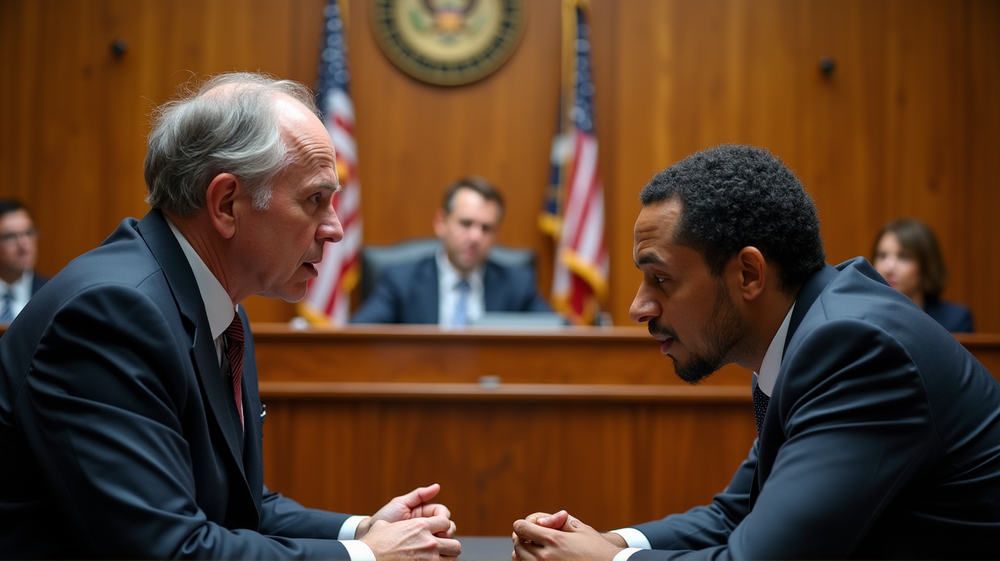
As the debate continues, a pivotal court hearing is scheduled for October 10. All eyes are on the judiciary to determine the future course for Los Angeles County’s juvenile halls, where high rates of violence and unmet needs persist as pressing issues.
The outcome of this judicial battle will shape the trajectory of juvenile justice reform, potentially setting a precedent for how authorities grapple with deeply entrenched systemic issues in the face of bureaucratic challenges.