New Rules for Influencers in China and South Korea: Who Can Speak?
In an era where influence holds substantial power, China and South Korea are taking bold steps to ensure the integrity and responsibility of media creators within their borders. These nations are seeking to curb the unwarranted influence of unqualified individuals who have long been able to profess expertise in matters such as health, finance, and law without any credentials to substantiate their claims.
China Demands Expertise
China’s Cyberspace Administration has set firm boundaries: influencers must now prove their credentials before they can discuss specialized topics online. The rule, initially introduced in 2022, is now being rigorously enforced. Platforms are responsible for verifying these qualifications and enforcing the rule, with fines up to $14,000 for non-compliance. This move addresses the spread of misinformation and the potential societal impacts of unqualified voices holding sway over millions of viewers.
South Korea’s Borders for Influence
In South Korea, the approach is slightly different but no less decisive. The country is contemplating regulations that would prevent foreign influencers from entering if they disseminate harmful or false information about Korea. This arises from incidents involving foreigners whose content has sparked local outrage and unrest. The message is clear: if your content damages South Korean society, your presence is unwelcome.
The U.S. Approach: Freedom Over Regulation
Contrasting sharply with their Asian counterparts, the U.S. is relaxing constraints on unqualified discourse. Platforms like Meta are scaling back fact-checking initiatives, permitting more unchecked content to reach audiences. This reflects a broad view of free speech as sacrosanct, making room for a sphere where influence is not restricted by expertise but is instead regarded as a part of the freedom of expression.
A Question of Balance: Expertise Versus Free Speech
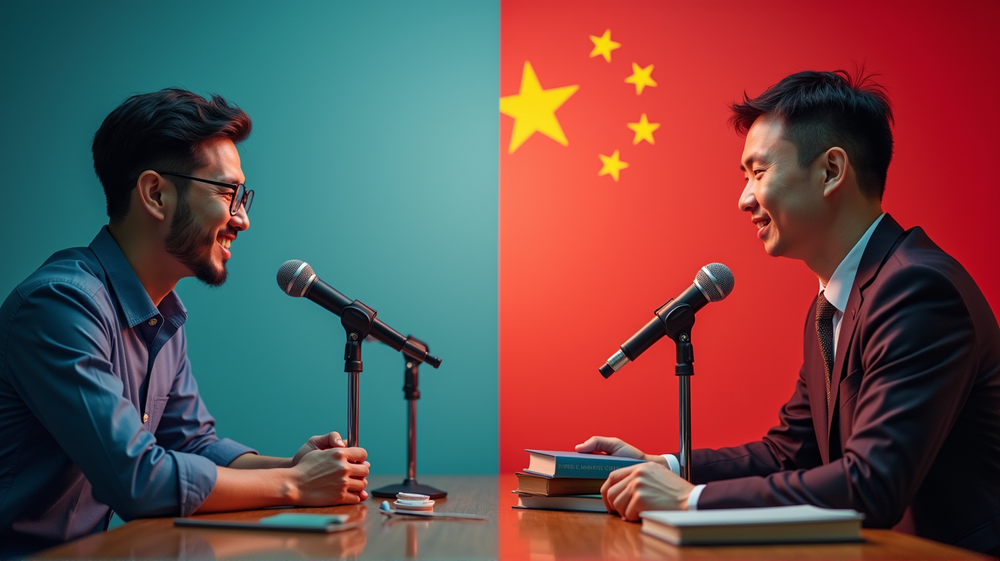
The divergence in approaches between Asia and the U.S. underpins a broader philosophical debate: Should influence equate to expertise, or should all voices, qualified or not, be equally heard? While critics of regulation decry potential censorship, proponents argue that unchecked influence leads to misinformation and societal risks. It’s not just about speaking; it’s about ensuring what’s spoken is constructive and informed.
Influencers today are not mere entertainers. They are beacons of cultural and political power, wielding the ability to shape narratives and sway public opinion. According to WeRSM, the legal and social conditions under which they operate will increasingly reflect this understanding, whether through regulation or by laissez-faire endorsement.