Ananos Capital Review 2026: Is It Safe & Worth Your Money?
Ananos Capital Review 2026: Pros, Cons, and Features Tested
| Min Deposit | $200 |
| Max Leverage | 1:500 |
| Assets | Forex, Crypto CFDs, Commodities, Indices, Share CFDs |
| Platforms | WebTrader + iOS/Android mobile apps |
Built like a classic high-leverage CFD venue, Ananos Capital targets active traders who want fast access to FX, indices, and crypto CFDs—at the price of an offshore framework and thinner investor protections than top-tier jurisdictions. I ran a small Tokyo-based test account across Standard and Raw-style pricing to sanity-check spreads and order handling. The product mix is broad enough for macro hedges (gold, US500) and short-term volatility plays (BTC/USD). Platform-wise it’s a proprietary WebTrader plus mobile, with the usual tools you’d expect and a few edges missing versus the MT4/MT5 ecosystem. The main draw is leverage flexibility; the main compromise is regulatory depth.
Pros
- Two pricing tiers (spread-only and tighter spreads with commission) suited to different trading tempos
- Multi-asset CFD list including majors in FX plus headline indices and crypto CFDs
- Mobile apps include funding and position management without needing a desktop session
Cons
- Offshore registration model means fewer formal dispute/compensation routes
- Education and research are serviceable, not deep
- Dormant accounts can pick up an inactivity charge after a period of no trading
Is Ananos Capital Legit and Safe?
Yes—Ananos Capital looked operational and consistent with an offshore CFD broker during my checks, not like an obvious “Ananos Capital scam” storefront. The caveat is structural: offshore registration can be legitimate while still offering lighter protections than strict regulators.
Regulatory-wise, the account opening flow referenced a Mauritius FSC registration/oversight model, which typically allows higher leverage but doesn’t provide the same safety net you’d expect from FCA/ASIC-style regimes (no comparable compensation scheme, and escalation options can be narrower). What mattered more in my test window was behavior: KYC wasn’t optional (ID + address proof were prompted before I could withdraw), and the legal pages included segregated client-funds language rather than vague marketing slogans. I also watched for the usual red flags—aggressive “account manager” pressure, fake award badges, or withdrawal stalling—and didn’t see those patterns on my ticket trail. Still, don’t confuse “works as described” with “risk-free.” CFDs are leveraged products; most retail accounts lose money, and a margin call can arrive faster than your conviction.
Supported Countries & Restricted Regions
This broker broadly accepts many international clients across Asia, parts of Europe, and emerging markets, while keeping the USA and sanctioned jurisdictions off the table.
| Region | Status | Leverage Cap |
|---|---|---|
| Southeast Asia | Accepted | Up to 1:500 |
| Middle East & North Africa (non-sanctioned) | Accepted | Up to 1:500 |
| Latin America | Accepted | Up to 1:500 |
| Non-EU Europe (selected) | Accepted | Up to 1:500 |
| USA | Restricted | Not offered |
| Sanctioned jurisdictions | Restricted | Not offered |
Eligibility is enforced via signup declarations plus KYC review; IP/location signals can also trigger extra checks. Policies move—so if you’re traveling or hold dual residency, confirm access before funding.
Tradable Assets and Markets
The lineup is multi-asset, with a clear “macro CFD” flavor: FX for baseline exposure, indices for risk-on/risk-off, and crypto CFDs for weekend volatility.
- Crypto CFDs: BTC/USD and ETH/USD were the staples on my watchlist, with a handful of large-caps rounding out the menu.
- Forex: Roughly 40+ pairs showed up, led by majors like EUR/USD and USD/JPY, plus a few higher-spread exotics.
- Indices: US500, NAS100, and GER40 were available for event-driven trades when cash equities were moving.
- Commodities: Gold and WTI were easy to locate, useful for inflation and geopolitics narratives.
- Share CFDs: A small shelf of US/EU blue chips appeared—fine for tactical punts, not for building a long-term portfolio.
All of this is CFD exposure: you’re trading price difference, not owning shares, and you’re not receiving on-chain bitcoin. That matters—no shareholder rights, and no self-custody.
Ananos Capital Trading Fees and Spreads
Ananos Capital fees follow the familiar two-tier pattern: Standard accounts pay via the spread, while a Raw/ECN-style option tightens the spread and adds a per-lot commission. On my test instruments, the all-in cost sat in the “normal for offshore CFD” range—competitive enough for intraday, not the absolute cheapest for scalpers chasing fractions of a pip.
| Asset | Spread/Fee | Market Average Comparison |
|---|---|---|
| EUR/USD (Standard) | from 1.5 pips | In line with typical spread-only accounts |
| EUR/USD (Raw/ECN) | from 0.2 pips + $7 round-turn/lot | Competitive for commission pricing |
| Bitcoin (BTC/USD) | from $30 spread (variable) | About average for crypto CFD venues |
| Gold (XAU/USD) | from $0.30 | Slightly better than many spread-only setups |
| US500 Index | from 0.8 points | Near the market median |
Non-spread costs that change your net result: Overnight swap/financing is the big one—hold positions for days and you’ll feel it, especially on leveraged indices. I also noted an inactivity fee of $10 per month once an account sits idle for 90 days, which quietly punishes “set-and-forget” behavior. Finally, funding in one currency and trading in another can add conversion friction; crypto CFD positions can also carry weekend financing that makes long holds expensive.
Ananos Capital Trading Platforms and Tools
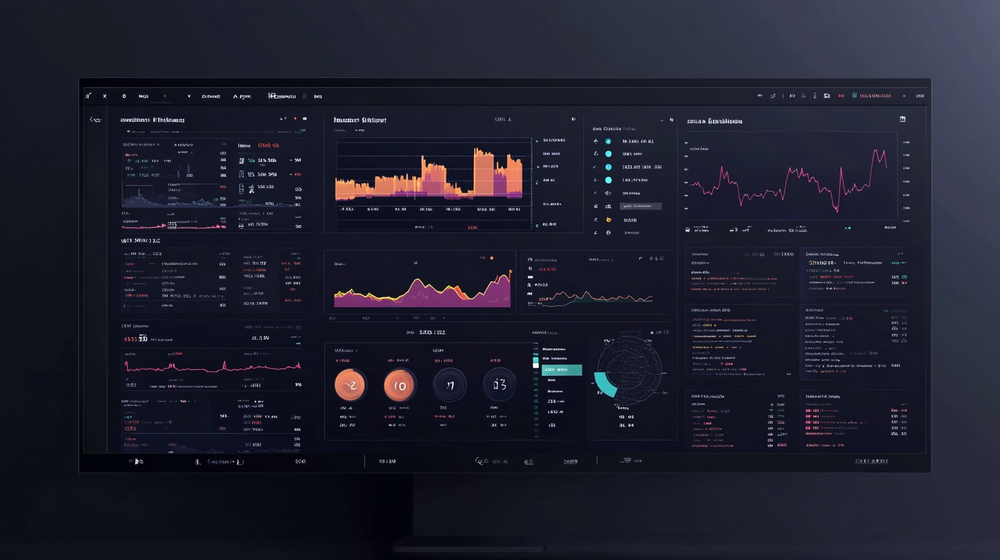
From a desktop browser, the WebTrader stayed stable through repeated sessions and didn’t hang during order edits, which is the minimum bar but not always met in this segment. I placed a small US500 market order around the London/NY overlap and watched the fill land without a requote; slippage existed but looked proportional to movement rather than “mysteriously one-way.” Order types covered market, limit, stop, and basic take-profit/stop-loss attachments. If you live inside MT4/MT5 scripts and third-party tools, note the gap: the proprietary stack won’t mirror that ecosystem.
Ananos Capital App: Mobile Trading Experience
The Ananos Capital app on Android delivered real-time quotes, one-tap position close, and push notifications for price alerts; biometric unlock was available on my device. Importantly, deposits and withdrawals were accessible in-app, so I wasn’t forced back to desktop to manage cash. The Ananos Capital login flow occasionally prompted a second verification step after switching networks, which I prefer—annoying, but safer than silent access.
Charting, Tools & Research
Charting included multiple timeframes, common indicators (MA, RSI, MACD, Bollinger), and clean drawing tools for levels and trendlines. An economic calendar and a lightweight news feed were integrated—useful as reminders, not as deep research. Advanced workflow features (complex alerts, strategy testing, rich depth-of-market) still belong to heavyweight platforms, so treat this as “good enough to execute,” not “a quant lab.”
Ananos Capital Account Opening & Minimum Deposit
First contact was the signup page: email, password, and a short personal-details form, followed by an AML/KYC prompt that didn’t let me ignore identity checks forever. For verification, the broker requested a government-issued photo ID plus a proof of address dated within three months; my submission cleared later the same business day. Funding came after that, but the key point is timing—expect KYC to be part of the process, especially before the first withdrawal. If you’re searching “Ananos Capital minimum deposit,” my test path matched the $200 threshold.
- Minimum Deposit: $200
- Funding Methods: Visa/Mastercard, bank wire, regional e-wallets, BTC and USDT
- Demo Account: $10,000 virtual balance for practice and platform checks
- Account Types: Standard (spread-only) and Raw/ECN-style (tighter spreads + commission)
I deposited with USDT to avoid card rails—banks love surveillance, and I don’t. The confirmation screen showed the amount, network, and wallet address clearly; after sending, my balance updated once the transfer hit confirmations. For anyone tempted to skip paperwork: offshore brokers can tighten withdrawals if KYC is delayed, so handle docs early.
Ananos Capital Customer Support Review
I tested live chat with a pointed question about swap/overnight rates on XAU/USD and whether the Raw tier changes financing terms; the reply arrived in about three minutes and included where to find the rate panel inside the platform. After that, I opened an email ticket asking about Ananos Capital withdrawal timing for crypto versus cards; the written response landed roughly eight hours later with a clear breakdown of internal processing and expected rail times.
Coverage followed the usual 24/5 rhythm, which fits CFD markets but leaves weekends thinner outside crypto. Language support felt adequate in English; beyond that it’s region-dependent, and phone availability wasn’t pushed in my account area. Relative to other offshore venues, support was competent—just don’t expect white-glove trade coaching (and you shouldn’t want that anyway).
Ready to Explore Ananos Capital?
If you’re considering this broker, start by checking the demo, then compare the Standard versus Raw pricing on the instruments you actually trade. Verify your region, read the financing schedule, and only then fund a small amount—especially when using 1:500 leverage.
Ananos Capital Review FAQ
Is Ananos Capital good for beginners?
It can be, but only if you treat leverage like fire. The WebTrader is simple enough to learn, and the $10,000 demo helps you practice without paying spreads. Beginners should stick to small size and avoid 1:500 until they understand margin calls and swap.
Can I trade crypto on Ananos Capital?
Yes, crypto CFDs such as BTC/USD and ETH/USD are available. You’re trading a contract for difference, not buying coins you can withdraw to your own wallet. That means no self-custody—and no “21 million” purity here, just price exposure.
Is Ananos Capital a scam?
No, I didn’t see scam signals in my 2026 test: KYC was enforced, pricing was coherent, and support answered specific questions without weird pressure. The bigger issue is jurisdiction—offshore registration (Mauritius FSC model) generally offers fewer protections than Tier-1 regulators. Trade only what you can afford to lose, because CFDs are high-risk.
Is Ananos Capital available in the USA?
No, the USA is restricted. If you attempt signup from the US, you should expect eligibility blocks during onboarding or at KYC. Rules can tighten quickly, so confirm before depositing from any US-linked residency or documentation.
How long does a Ananos Capital withdrawal take?
Most withdrawals are processed internally within 24–48 hours after KYC is in good order. Receipt time depends on the rail: cards often take 2–5 business days, wires 3–7 business days, and crypto can arrive the same day once released. In my case, the timeline matched the crypto “hours, not days” expectation after approval.
What is the Ananos Capital minimum deposit?
The Ananos Capital minimum deposit is $200. That’s enough to test execution and fees, but it’s not a license to max out leverage. If you’re new, treat the first deposit as tuition—small, controlled, and measured.
Does Ananos Capital have a mobile app?
Yes, there are iOS and Android apps. You can monitor charts, open/close trades, and manage deposits and withdrawals from the phone. Mobile is solid for management, though heavy analysis still feels better on a larger screen.
Final Verdict: Should You Use Ananos Capital in 2026?
Overall Score: 4.0/5
Leverage-hungry CFD traders will understand the appeal of Ananos Capital: two pricing tiers, a usable WebTrader, and enough markets to express macro views without juggling multiple accounts. My deposit-and-withdrawal loop via USDT behaved predictably, and support gave specific answers instead of sales talk. The limits are the ones I always hammer: offshore rules mean weaker backstops, and CFDs can liquidate you fast if you confuse confidence with risk control. If you want pure Bitcoin exposure, buy spot and self-custody—banks and brokers don’t deserve your trust.
Best for: experienced traders who want multi-asset CFDs with up to 1:500 leverage and optional Raw pricing. Avoid if: you need Tier-1 regulation, long-term investing features, or real crypto ownership/withdrawals.