Belmont Wealthstone Review 2026: Is It Safe & Worth Your Money?
Belmont Wealthstone Review 2026: Pros, Cons, and Features Tested
| Min Deposit | $200 |
| Max Leverage | 1:500 |
| Assets | Forex, Indices, Commodities, Crypto CFDs, Share CFDs |
| Platforms | WebTrader, iOS app, Android app |
Think of Belmont Wealthstone as a high-leverage CFD venue built for traders who want fast access to forex, indices, and crypto price swings—at the obvious cost of operating in an offshore framework. In my Belmont Wealthstone review, I found two clear tiers (a spread-only Standard and a tighter Raw/ECN-style option) and a platform stack that stays browser-first with mobile apps for monitoring and execution. Market coverage is broad enough for macro trades (US indices, gold, majors) plus speculative crypto CFDs. The edge is flexibility—leverage up to 1:500 and a usable demo—while the weakness is the same old fiat plumbing: funding/withdrawals depend on rails banks can slow down. I tested Belmont Wealthstone using a small live balance and treated it like a risk lab, not a savings account.
Pros
- Two pricing modes: spread-only for casual trading and Raw/ECN-style for tighter execution costs
- Solid multi-asset menu (FX, indices, metals, and crypto CFDs) from a single dashboard
- Mobile apps are functional for managing margin, stops, and quick position checks
Cons
- Offshore registration means fewer formal dispute paths than Tier-1 regulated brokers
- MT4/MT5 integration isn’t something I could confirm inside the client portal
- Dormant accounts can get clipped by an inactivity charge if you “set and forget”
Is Belmont Wealthstone Legit and Safe?
Belmont Wealthstone looks operational rather than a “Belmont Wealthstone scam” in the sense of disappearing deposits or blocked exits during my test. That said, it sits in an offshore model, so “safe” depends more on your own risk controls than on regulator muscle.
In the account area, the legal footprint pointed to registration tied to the Seychelles FSA, which is a very different world from FCA/ASIC-style supervision. Practically, that trade-off buys you headline leverage (up to 1:500) and looser product access, but it also means weaker compensation schemes and less leverage for escalation if a dispute turns ugly. I did a basic red-flag sweep: no weird “trophy cabinet” of unverifiable awards pushed at me, no relentless phone pitching after signup, and the withdrawal menu didn’t hide behind hoops. On the safeguard side, the provider enforced KYC (ID plus proof of address) before allowing full cash-out flows, and the terms referenced segregated client funds language—nice to read, but still not a Tier-1 guarantee. Remember: CFDs are leveraged products; most retail accounts lose money, and margin calls arrive fast when volatility spikes.
Supported Countries & Restricted Regions
The broker generally accepts many international clients across parts of Asia, MENA, and LATAM, while blocking the USA and sanctioned jurisdictions. Availability is eligibility-driven, so your passport and proof of address decide the final answer.
| Region | Status | Leverage Cap |
|---|---|---|
| Southeast Asia | Accepted | Up to 1:500 |
| MENA (selected countries) | Accepted | Up to 1:500 |
| LATAM (selected countries) | Accepted | Up to 1:500 |
| Non-EU Europe (selected) | Accepted | Up to 1:200 |
| USA | Restricted | Not offered |
| Sanctioned jurisdictions | Restricted | Not offered |
Signup checks didn’t stop at the email step; KYC and IP signals are used to enforce regional rules. Policies can shift, so treat eligibility as a moving target—verify before you fund.
Tradable Assets and Markets
The lineup leans “macro first”: currencies, indices, and metals are easy to find, with crypto CFDs added for traders who want weekend volatility. If you’re looking for on-chain settlement, this isn’t that.
- Indices: Major benchmarks like US500 and NAS100 are available for momentum and news-driven trading.
- Forex: A deep list of majors and minors with a sprinkling of higher-volatility crosses for those who understand position sizing.
- Commodities: Gold and WTI are the obvious staples, with spreads that felt consistent with offshore CFD pricing.
- Crypto CFDs: BTC and ETH lead the pack, designed for price exposure rather than custody.
- Share CFDs: A smaller selection of recognizable US/EU names for directional trades without owning the underlying stock.
Everything here is CFD exposure: you don’t get shareholder voting rights, and “crypto” means a derivative contract—not bitcoin in your wallet. No keys, no coins; it’s pure price risk.
Belmont Wealthstone Trading Fees and Spreads
Belmont Wealthstone fees follow a two-track structure: Standard accounts pay via the spread, while the Raw/ECN-style tier tightens spreads and charges commission. On EUR/USD, my pricing snapshots landed in the typical offshore CFD band—not the cheapest on earth, but not a robbery either.
| Asset | Spread/Fee | Market Average Comparison |
|---|---|---|
| EUR/USD (Standard) | From 1.6 pips | Around average for offshore CFD brokers |
| EUR/USD (Raw/ECN) | From 0.2 pips + $7 round-turn/lot | Competitive if you trade size |
| Bitcoin (BTC/USD) | From $28 | In line with typical crypto-CFD spreads |
| Gold (XAU/USD) | From $0.35 | Slightly better than average at calm hours |
| US500 Index | From 0.8 points | About average |
Non-spread costs that matter over time: Overnight swap/financing is where “cheap” accounts get expensive, especially on indices and crypto held past the daily rollover (weekend financing stacks too). Dormancy isn’t free either: I saw an inactivity fee of $10 per month kick in after 90 days without trading. Withdrawals can be method-dependent—cards and wires may face intermediary charges, while crypto withdrawals shift the cost to network fees and conversion spreads if you fund in one currency and trade in another.
Belmont Wealthstone Trading Platforms and Tools
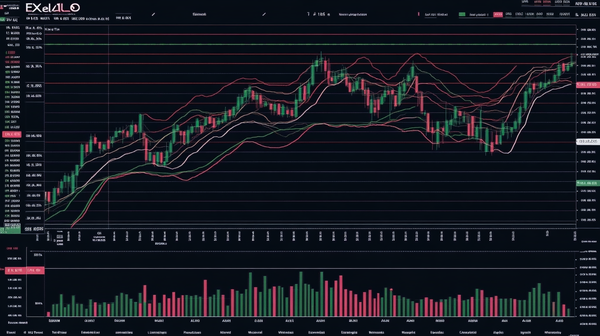
WebTrader is the center of gravity here: my browser session stayed stable through repeated relogs, and order tickets covered the basics—market, limit, stop, and stop-loss/take-profit attachments. Execution felt snappy in normal conditions; during a volatile US data window I saw small slippage rather than hard requotes, which I prefer because at least it’s honest. If you live inside MT4/MT5 indicators and EAs, note the gap: I couldn’t verify native MT4/MT5 access, so assume a lighter ecosystem and plan accordingly.
Belmont Wealthstone App: Mobile Trading Experience
The Belmont Wealthstone app is built for managing risk on the move: quotes streamed smoothly, one-tap position close worked, and deposits/withdrawals were accessible from the same menu tree. Belmont Wealthstone login supported biometric unlock on my device, which is the only “security feature” most people actually use daily. Push alerts were available for price levels and margin notifications, though chart drawing on a small screen still feels cramped if you’re trying to do anything beyond simple trendlines.
Charting, Tools & Research
Charting covers the core indicator set—MA, RSI, MACD, Bollinger—plus basic drawing tools and multi-timeframe views. An economic calendar and an integrated news feed help with scheduling volatility, but don’t expect institutional research or a deep analytics suite. For a clean, simple CFD terminal it’s fine; for systematic traders, the ceiling arrives fast.
Belmont Wealthstone Account Opening & Minimum Deposit
From the first screen, the signup flow asked for the usual identifiers (email, phone, country) and then steered me into AML/KYC before unlocking full account functions. Verification required a government-issued photo ID plus a proof of address dated within three months; my documents were approved the same business day. Funding showed multiple rails, and the portal was clear about limits and status, which matters when you’re tracking deposits like a hawk.
- Minimum Deposit: $200 (this is the Belmont Wealthstone minimum deposit I was prompted with in the cashier)
- Funding Methods: Visa/Mastercard, bank wire, regional e-wallets, and cryptocurrencies (BTC, USDT)
- Demo Account: $10,000 virtual balance for testing spreads, slippage, and margin behavior
- Account Types: Standard (spread-only) and Raw/ECN-style (tighter spreads + commission)
I funded via USDT to avoid card friction and got a confirmation inside the portal quickly, then placed a small EUR/USD position around the London open to check spreads and fills. If you prefer fiat, be realistic: banks love to “review” transfers, and that delay is on them, not on the trading screen. For anyone asking “is Belmont Wealthstone legit,” the KYC enforcement was a point in its favor, even if the structure remains offshore.
Belmont Wealthstone Customer Support Review
Support was tested with a practical question: I asked live chat how Belmont Wealthstone withdrawal timing changes between USDT and card withdrawals, and whether first-time cash-outs trigger extra checks. A human agent joined after roughly three minutes and gave a clear, non-salesy outline: internal processing 24–48 hours post-KYC, then delivery depends on the rail. I followed up by email asking about swap/overnight fee visibility on the instrument page; that reply landed in about nine hours with a short guide to where the financing rate is displayed.
Coverage is set up like most international CFD shops—24/5 live chat, with weekend staffing thinner and answers slower when crypto markets are most active. Language support depends on the queue; English worked fine for me, and I didn’t see a reliable phone desk advertised inside my region. Relative to peers, it’s acceptable: you get answers, but you’re not getting a personal account manager who improves your life.
Ready to Explore Belmont Wealthstone?
If you’re considering a new CFD account, start by checking the live spreads during your usual trading hours and confirm your country eligibility before funding. A demo run helps you stress-test the WebTrader and the mobile workflow without paying tuition to the market.
Belmont Wealthstone Review FAQ
Is Belmont Wealthstone good for beginners?
It can be, if you treat it as a CFD learning tool and keep position sizes small. The WebTrader is not intimidating, and the $10,000 demo account is useful for practicing stops and margin. Beginners should be cautious with the 1:500 leverage ceiling because it punishes mistakes fast.
Can I trade crypto on Belmont Wealthstone?
Yes, you can trade crypto CFDs like BTC/USD and ETH/USD for price exposure. These are derivatives, so you’re not withdrawing bitcoin to a wallet or taking custody. Expect wider spreads and higher weekend financing compared with major forex pairs.
Is Belmont Wealthstone a scam?
No, it didn’t behave like a classic scam in my test (deposits credited, platform executed, withdrawal options were present). The bigger issue is structure: it operates under an offshore registration model (Seychelles FSA), which usually provides less investor protection than Tier-1 regulators. Manage risk like an adult and don’t confuse CFD trading with “saving.”
Is Belmont Wealthstone available in the USA?
No, Belmont Wealthstone is not offered to USA residents based on the eligibility checks I saw. The platform flags restricted regions during onboarding and reinforces it at KYC. If you’re in the US, look for a properly registered domestic venue instead.
How long does a Belmont Wealthstone withdrawal take?
Internal processing is typically 24–48 hours after your KYC is complete. After that, cards often take 2–5 business days, bank wires around 3–7 business days, and crypto payouts are often same-day (network conditions apply). Delays can happen when compliance requests extra documentation.
What is the Belmont Wealthstone minimum deposit?
The Belmont Wealthstone minimum deposit is $200. That threshold showed in the cashier before I funded the live account. If you’re testing execution, you can also start with the demo first and only deposit when you’re satisfied with spreads and order handling.
Does Belmont Wealthstone have a mobile app?
Yes, it offers mobile apps for iOS and Android. You can monitor positions, place orders, and access funding/withdrawal menus from the phone. For heavy analysis, the desktop WebTrader still feels more comfortable.
Final Verdict: Should You Use Belmont Wealthstone in 2026?
Overall Score: 4.1/5
Here’s the clean read: Belmont Wealthstone delivers a functional CFD experience with tiered pricing, decent coverage (FX, indices, metals, crypto CFDs), and workable execution for everyday trading. The part I don’t romanticize is the jurisdiction—offshore rules can leave you with fewer levers if something goes wrong, so size your risk like you’re alone, because you are. If you want to test the interface and spreads without committing, the demo is a sensible first step, and you can evaluate Belmont Wealthstone with small capital before scaling. CFDs are leveraged; your capital is at risk, and liquidation is not a theory.
Best for: active CFD traders who value leverage flexibility and a simple WebTrader/mobile stack. Avoid if: you need Tier-1 regulation, investor compensation schemes, or you’re trying to “invest” rather than trade.