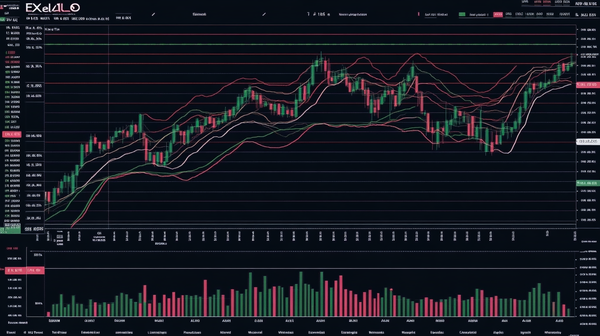

Belmont Wealthstone Trading Platform Alternatives 2026
Belmont Wealthstone Trading Platform Alternatives 2026: Reliable Options for Online Traders
Leverage feels like a cheat code—until it isn’t. I’ve watched too many traders get seduced by big headline leverage, thin risk controls, and a WebTrader that looks clean but can’t explain what happened when the fill comes back worse than your click. Belmont Wealthstone sits in that familiar offshore-shaped corner of the CFD world: typically marketed around forex and CFDs, with crypto CFDs often on the menu, a proprietary WebTrader, and a mobile app that mirrors the basics. Publicly, this category commonly operates under a Seychelles FSA framework rather than top-tier supervision, and that matters when you’re thinking about client fund segregation, dispute resolution, and what happens if withdrawals get “reviewed.”
For many people, the search for Belmont Wealthstone alternatives starts with something practical: tighter spreads, more reliable execution, or simply a broker whose name you can verify on an FCA, ASIC, CySEC, or NFA register. Others want real multi-asset access—stocks and ETFs you actually own (not a CFD copy), options and futures routing, and reporting that doesn’t feel like a black box. This guide is written for a global audience with a US/EU focus, and it treats risk like gravity: always present. CFDs are leveraged products; when a platform offers up to 1:500 leverage (a common offshore ceiling), your margin call doesn’t need permission to arrive.
Disclaimer: This article is for informational purposes only and does not constitute investment advice. Trading CFDs and other leveraged products involves a high risk of loss and may not be suitable for all investors.
Key Takeaways (TL;DR)
- If you need real stocks/ETFs (not CFDs), Interactive Brokers and Saxo are the cleanest “ownership-first” substitutes versus offshore CFD-only setups.
- For cost-sensitive FX trading, compare round-turn costs (spread + commission) and not just maximum leverage; Pepperstone and IC Markets are built for that math.
- Before migrating, open and verify the new account first, then withdraw using the same funding rails to avoid AML-related delays.
What Is Belmont Wealthstone and How Does Its Trading Platform Work?
From a trader’s-eye view, Belmont Wealthstone looks like a CFD-first broker setup aimed at retail clients who want quick access to forex, indices, commodities, and often a short list of crypto CFDs. This segment usually runs an in-house execution stack (often market-maker style) rather than true exchange access, and it’s typically oriented around short-term trading rather than long-horizon investing. Account opening tends to be fast, the product list is “enough to trade,” and the pitch is simplicity—especially for people coming from social media trading content rather than institutional workflow. If you’re comparing platforms like Belmont Wealthstone, assume the center of gravity is leveraged CFDs, not ownership of assets.
Belmont Wealthstone Web Trading Platform: Core Features and Tools
The usual platform stack here is a proprietary WebTrader with basic-to-mid tooling, plus iOS/Android apps that replicate most day-to-day functions. Charting is typically serviceable (common timeframes, a standard indicator library, drawing tools), but advanced workflow features—custom scripting, deep hotkey mapping, complex conditional orders—are rarely the headline. Order entry generally covers market and limit orders, with stops available, though the fine print around guaranteed stops (if any) is often restrictive. The account dashboard normally shows margin level, open P/L, and simple reporting; execution “speed” can feel fine in quiet markets and then degrade into slippage during news, which is where a trader learns whether the broker’s execution model matches their expectations.
Trading Fees, Spreads, and Account Types at Belmont Wealthstone
Cost structure in this bracket tends to cluster around a Standard-style account with EUR/USD spreads around ~2.0 pips (typical for a spread-only model) and, sometimes, a Raw/ECN-style tier advertised with near-zero spreads plus a commission (often around $6 round-turn)—though the real test is average spread during active sessions. A minimum deposit around $250 is common, and maximum leverage is often marketed up to 1:500. Beyond spreads, traders should watch swap/overnight financing (especially on indices and crypto CFDs), plus potential withdrawal and inactivity charges that don’t show up on the first “from 0.0 pips” banner.
When Do Traders Start Looking for Belmont Wealthstone Alternatives?
Withdrawal confidence is the real “spread” nobody quotes. That’s the moment many people start scanning Belmont Wealthstone alternatives, especially when the broker sits offshore and the dispute path is vague. The second trigger is strategy friction: if your system depends on MT4/MT5 or cTrader automation, or you need tighter control of execution and reporting, a basic WebTrader can become a ceiling. Finally, there’s the asset question—some traders want to graduate from CFDs into real equities, ETFs, options, or futures, where the broker acts more like infrastructure than a casino-like interface.
- You need MT4/MT5 or cTrader for an EA/automation workflow, but the current proprietary platform doesn’t support your tooling or backtesting habits.
- Spreads around ~2.0 pips on EUR/USD make your high-frequency or intraday approach mathematically fragile once slippage and swap are added.
- You want stronger protections (segregated client funds, negative balance protection where applicable, clearer complaint handling) under FCA/ASIC/CySEC/NFA-style oversight.
- US residency (or other restricted regions) blocks onboarding, or you need a broker that explicitly supports your jurisdiction with compliant leverage limits.
How to Choose a Reliable Alternative to the Belmont Wealthstone Trading Platform
Think of switching brokers as you’d think of upgrading a hardware wallet: you’re not chasing “features,” you’re reducing single points of failure. Start by defining what you must have (regulation, instruments, platform stack), then score each candidate against your strategy’s failure modes—slippage during volatility, margin policy, financing costs, and whether you’re trading CFDs or building long-term positions.
Regulation, Safety, and Investor Protection
Regulators aren’t a magic shield, but they change the rules of the game. The FCA and ASIC impose conduct standards; CySEC adds EU frameworks, and in the US the NFA/CFTC regime is strict on FX. Look for segregated client funds policies and clear entity disclosures. Compensation schemes can matter: under the UK’s FSCS, eligible clients may have coverage up to £85,000, while Cyprus’ ICF can cover eligible claims up to €20,000. If a broker can’t be located on a public register, treat that as a risk signal, not a paperwork issue.
Available Markets and Instruments
Decide whether you’re a trader or an investor—or both. CFDs cover FX, indices, commodities, and sometimes crypto price exposure, but they don’t give shareholder rights or exchange-level transparency. If you need real stocks and ETFs (cash equities), you’ll want a true multi-asset broker with DMA-style access. Options and futures are their own category: margining, contract specs, and reporting are tighter, and fewer brokers do it well. For traders who only need FX/CFDs, a specialist with strong execution can beat a “jack of all trades” setup.
Trading Costs: Spreads, Commissions, and Other Fees
Compare the round-turn cost of a typical trade: spread + commission + expected slippage, then add swap if you hold overnight. A Raw account that shows 0.1–0.3 pips but charges $6–$7 round-turn can still be cheaper than a 1.2–1.5 pip spread-only account once you scale volume. Also check non-trading costs: inactivity fees, deposit/withdrawal charges, and currency conversion costs. The cheapest broker on EUR/USD can be expensive on indices if financing is punitive.
Platforms, Tools, and Execution Quality
Platform choice isn’t aesthetic; it’s operational. MT4/MT5 and cTrader support automation, custom indicators, and broader third-party tooling. Proprietary platforms can be smooth, but you’re locked into their ecosystem and reporting. Execution model matters: market maker setups can be fine for many retail traders, while STP/ECN/DMA-style routing (where offered) tends to be preferred for transparency and scalping—though slippage can still happen in fast markets. If your fills during news are consistently worse than peers, your broker is part of your strategy whether you like it or not.
Support, Education, and Overall User Experience
When money is stuck, “friendly” support doesn’t help—process does. Check support hours, language coverage, and whether tickets get resolved with clear timelines. Education is useful only if it’s specific: margin policy, stop-out levels, and product specs beat motivational webinars. Mobile parity matters for risk management; if you can’t adjust stops or reduce exposure quickly on mobile, you’re trading with one hand tied. For competitors to Belmont Wealthstone, prioritize brokers that publish detailed product disclosures and maintain consistent statements across web, app, and legal docs.
Belmont Wealthstone and Different Asset Classes: When Alternatives May Be Better
Belmont Wealthstone Forex and CFD Trading
Forex and CFD coverage is the core here: typically 30–50 FX pairs, 8–15 indices, and a small commodities slate. The headline leverage (often up to 1:500 in offshore frameworks) looks powerful, but it’s a double-edged blade; a small price move can liquidate an under-margined account. If EUR/USD is around ~2.0 pips on a standard setup, the cost drag becomes obvious for active traders—especially once you factor in slippage and swap. Regulated FX/CFD specialists like Pepperstone or IC Markets are common “upgrade paths” because they offer MT4/MT5/cTrader stacks and pricing structures that are easier to model. Execution quality also tends to be documented more clearly, which matters more than marketing when volatility hits.
Belmont Wealthstone Stock and ETF Trading
Many offshore CFD-first brokers either don’t offer stocks/ETFs at all, or they offer them only as CFDs—price exposure without ownership, voting rights, or the ability to transfer holdings. If your goal is to build positions (not just speculate), that’s a fundamental mismatch. For traders seeking alternatives to the Belmont Wealthstone trading platform that include real equities, Interactive Brokers is hard to ignore: it’s built around exchange access, broad market coverage, and professional-grade reporting. Saxo Bank sits in a similar “serious multi-asset” lane, often favored by traders who want a polished front end with deep product breadth. The key distinction is simple: owning an ETF is not the same thing as betting on its price via a CFD.
Belmont Wealthstone Crypto Trading
Crypto, in this context, usually means crypto CFDs: you’re trading a derivative, not holding coins on-chain. That might suit a short-term trader who wants to express a view and manage risk with stops, but it won’t satisfy someone who cares about self-custody. I’m Bitcoin orthodox—“21 million, and not a coin more”—so I’ll say it plainly: if you want Bitcoin, learn cold storage; a CFD is a price IOU. Still, for regulated options vs Belmont Wealthstone in the CFD world, brokers like IG (where available) and Plus500 often provide crypto CFD access under stronger oversight than offshore venues, with clearer risk disclosures and standardized KYC/AML controls. Pay attention to weekend spreads and financing; that’s where many crypto CFD accounts quietly bleed.
Best Belmont Wealthstone Alternatives for 2026: Comparison of Top Trading Platforms
Interactive Brokers (IBKR): Key Facts and How It Compares to Belmont Wealthstone
Regulation: SEC/FINRA (US), FCA (UK), IIROC (Canada)
Markets: Stocks, ETFs, options, futures, FX, bonds (product access varies by region)
Fees: FX pricing is typically spread + commission structure; equity commissions depend on market and plan (tiered/fixed)
Platform: Trader Workstation (TWS), IBKR Mobile, Client Portal API tools
Best For: Real-asset investors who also trade FX/futures
Pepperstone: Key Facts and How It Compares to Belmont Wealthstone
Regulation: FCA (UK), ASIC (Australia), CySEC (Cyprus), DFSA (Dubai)
Markets: FX and CFDs (indices, commodities, some crypto CFDs depending on region)
Fees: EUR/USD often ~0.0–0.3 pips on Razor/Raw-style pricing + commission (varies); Standard-style spreads commonly ~1.0+ pip
Platform: MT4, MT5, cTrader, TradingView integration (availability varies)
Best For: System traders running MT4/MT5/cTrader automation
Saxo Bank: Key Facts and How It Compares to Belmont Wealthstone
Regulation: FCA (UK), MAS (Singapore), DFSA (Dubai)
Markets: Stocks, ETFs, bonds, options, futures, FX, CFDs
Fees: Pricing depends on tier; FX spreads typically competitive for larger accounts; commissions apply on exchange-traded products
Platform: SaxoTraderGO, SaxoTraderPRO
Best For: Multi-asset traders who want a polished pro-grade platform
IG: Key Facts and How It Compares to Belmont Wealthstone
Regulation: FCA (UK), ASIC (Australia), MAS (Singapore)
Markets: CFDs (FX, indices, commodities, shares/ETFs as CFDs), some regions offer broader access
Fees: Typically spread-based on many CFDs; costs vary by market and region
Platform: IG web platform, mobile app; MT4 available in some regions
Best For: Risk-managed CFD traders who value strong oversight
IC Markets: Key Facts and How It Compares to Belmont Wealthstone
Regulation: ASIC (Australia), CySEC (Cyprus), FSA Seychelles (group-level)
Markets: FX and CFDs (indices, commodities, some crypto CFDs depending on region)
Fees: EUR/USD often ~0.0–0.4 pips on Raw-style pricing + commission (commonly around $6–$7 round-turn); Standard spreads typically wider
Platform: MT4, MT5, cTrader
Best For: High-volume scalpers who track slippage and fills
Plus500: Key Facts and How It Compares to Belmont Wealthstone
Regulation: FCA (UK), CySEC (Cyprus), ASIC (Australia), MAS (Singapore)
Markets: CFDs (FX, indices, commodities, shares/ETFs as CFDs, crypto CFDs where permitted)
Fees: Primarily spread-based; overnight financing applies on leveraged positions
Platform: Plus500 proprietary WebTrader and mobile app
Best For: Beginners who want a simple CFD-only interface
Comparison Summary
| Platform | Regulation | Main Markets | Typical Costs | Best For |
|---|---|---|---|---|
| Interactive Brokers (IBKR) | SEC/FINRA, FCA, IIROC | Real stocks/ETFs, options, futures, FX, bonds | Commissions vary; FX often spread + commission | Real-asset investors who also trade FX/futures |
| Pepperstone | FCA, ASIC, CySEC, DFSA | FX + CFDs | Raw: ~0.0–0.3 pips + commission; Standard: ~1.0+ pip | System traders running MT4/MT5/cTrader automation |
| Saxo Bank | FCA, MAS, DFSA | Stocks/ETFs, options, futures, FX, CFDs | Tiered pricing; spreads/commissions depend on product | Multi-asset traders who want a polished pro-grade platform |
| IG | FCA, ASIC, MAS | CFDs across FX/indices/commodities; shares as CFDs | Mostly spread-based; market-dependent financing | Risk-managed CFD traders who value strong oversight |
| IC Markets | ASIC, CySEC, FSA Seychelles (group-level) | FX + CFDs | Raw: ~0.0–0.4 pips + ~$6–$7 round-turn; Standard wider | High-volume scalpers who track slippage and fills |
| Plus500 | FCA, CySEC, ASIC, MAS | CFDs (FX/indices/commodities/shares); crypto CFDs where allowed | Spread-based; overnight fees on leveraged holds | Beginners who want a simple CFD-only interface |
How to Safely Move from Belmont Wealthstone to Another Broker
Switching brokers isn’t a “sign up and hope” process; it’s a controlled handover of counterparty risk. Start by validating the destination broker on the regulator’s public register, then prove the account works with small size before moving serious capital. And remember: leverage magnifies errors as efficiently as it magnifies wins—keep position sizing conservative during the transition from Belmont Wealthstone to a new venue.
- Confirm the new broker’s legal entity and license number on the FCA Register, ASIC Connect, the CySEC list, or NFA BASIC (whichever applies to your region).
- Open the new account and complete KYC/AML checks (ID + proof of address) before you touch your existing funds; verification delays are common during busy periods.
- Recreate your risk settings on the new platform first: margin alerts, default order size, and stop-loss behavior, then test them in demo or micro-size.
- Close open positions on the old account rather than assuming transfers; most retail CFD positions do not port between brokers, so plan your exits and re-entries.
- Withdraw funds using the same method you used to deposit where possible; many compliance teams will reject “third-party” routes or mismatched rails.
Ready to Explore Belmont Wealthstone?
If you’re still evaluating the original platform, treat it like a due-diligence exercise: confirm regional eligibility, read the fee schedule for swaps and withdrawals, and compare execution tools against the Belmont Wealthstone trading platform alternatives 2026 list above. Then decide with your strategy—not marketing—as the judge.
FAQ: Belmont Wealthstone Alternatives and Trading Platforms
What is the best alternative to Belmont Wealthstone in 2026?
The best alternative depends on whether you need real assets or just CFDs. For real stocks/ETFs plus pro-grade tools, Interactive Brokers is a top substitute for Belmont Wealthstone; for FX/CFD execution and MT4/MT5/cTrader workflows, Pepperstone or IC Markets often fit better. If you prefer a simple CFD interface under stronger oversight, Plus500 is frequently chosen in the US/EU-adjacent retail crowd (where available).
Is Belmont Wealthstone a safe broker/platform?
Belmont Wealthstone appears to operate in an offshore-style framework (commonly associated with jurisdictions like Seychelles), which typically offers fewer investor protections than FCA/ASIC/CySEC/NFA-regulated firms. That doesn’t automatically mean fraud, but it does change the risk profile around fund segregation, complaint handling, and transparency. If safety is your priority, regulated options vs Belmont Wealthstone are usually the more defensible choice.
Can I trade stocks, futures, or crypto with Belmont Wealthstone?
In this broker category, you’re typically looking at forex and CFDs first, with crypto often offered as crypto CFDs rather than on-chain ownership. Stocks/ETFs may be offered only as CFDs (no shareholder rights), and exchange-traded futures are often not offered to retail clients in offshore CFD setups. If you need real stocks/ETFs or listed futures, platforms like Belmont Wealthstone usually can’t match what Interactive Brokers or Saxo provides.
What should I check before switching from Belmont Wealthstone to another platform?
Before switching, verify the new broker on an official register (FCA, ASIC, CySEC, or NFA) and confirm which legal entity will hold your account. Next, compare round-turn trading costs (spread + commission) and the platform stack you actually need (MT4/MT5/cTrader vs proprietary). Finally, export statements and trade history from Belmont Wealthstone before withdrawing, so your tax and performance records stay intact.
About the Author: Kenji Tanaka is a Tokyo-based financial journalist and active trader with a background in cryptography studies (University of Tokyo, incomplete). I’m Bitcoin orthodox—banks and fiat are liabilities in my book—so I focus on counterparty risk, execution quality, and what you truly own versus what you merely “trade.” 21 million — and not a coin more.