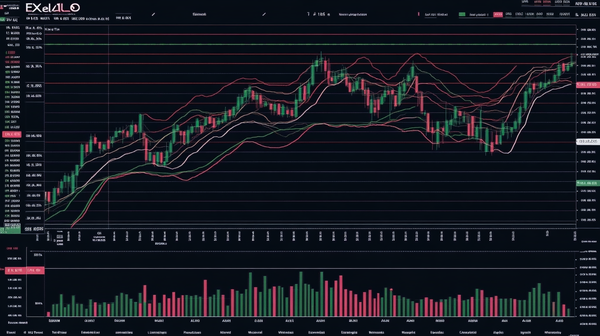
Bold Accrudency Trading Platform Alternatives 2026
Bold Accrudency Trading Platform Alternatives 2026: Reliable Options for Online Traders
Leverage is the siren song of the CFD world: loud, seductive, and perfectly designed to drag unprepared traders onto the rocks. In that environment, Bold Accrudency typically shows up as an offshore-style FX/CFD venue: a proprietary WebTrader, mobile apps, a headline max leverage that can reach around 1:500, and a minimum deposit that often clusters near $250. For many retail traders that’s “good enough” until the first real stress test—fast markets, slippage, a margin call, or the moment you need a regulator to pick up the phone and there is no one onshore to answer.
If you’re comparing Bold Accrudency with stricter, better-audited venues, the key difference is not just spreads or the number of indicators. It’s the whole trust stack: investor-protection rules, segregation of client funds, negative balance protection policies, and whether you can independently verify the firm on an FCA, ASIC, CySEC, or NFA register. That’s why traders search for Bold Accrudency alternatives—either to reduce counterparty risk, to access real multi-asset trading (stocks/ETFs/futures rather than CFDs only), or to get professional-grade execution and platform support (MT4/MT5/cTrader, APIs, better order controls).
Disclaimer: This article is for informational purposes only and does not constitute investment advice. CFDs and other leveraged products carry a high risk of loss and may not be suitable for all investors.
Key Takeaways (TL;DR)
- Offshore-style CFD brokers can advertise high leverage, but regulated alternatives typically provide clearer investor protections (segregated funds, complaint channels, and—sometimes—compensation schemes).
- Compare total “round-turn” trading cost (spread + commission + swap/overnight fees), not just the tightest headline spread.
- If you want real stocks/ETFs/futures access (not CFDs), multi-asset brokers like IBKR or Saxo are closer to “market plumbing” than WebTrader-only CFD venues.
What Is Bold Accrudency and How Does Its Trading Platform Work?
From a trader’s-eye view, Bold Accrudency fits the common offshore CFD pattern: primarily forex and CFDs, with crypto CFDs often on the menu, and an account journey designed to get you trading quickly rather than to give you deep market structure. The offering usually targets short-term retail flows—day traders, momentum chasers, and anyone drawn to headline leverage. That also means the experience can feel more “platform-first” than “market-first”: you trade what the broker lists, on the broker’s rails, under an offshore regulatory umbrella (commonly seen under the Seychelles FSA framework in this segment).
Bold Accrudency Web Trading Platform: Core Features and Tools
Most platforms like Bold Accrudency lean on a proprietary WebTrader with basic-to-mid charting: the essential timeframes, a workable set of indicators, and drawing tools that cover trendlines, support/resistance, and Fibonacci. Order entry is usually straightforward (market/limit/stop), but advanced order logic—OCO brackets, depth-of-market, and granular partial-fill controls—tends to be thinner than what you get with MT5 or cTrader. Mobile apps on iOS/Android typically mirror the core workflow (watchlists, chart + trade, deposit/withdraw), though heavy chart work still feels better on desktop.
Trading Fees, Spreads, and Account Types at Bold Accrudency
Cost structure in this offshore CFD category commonly follows a “Standard vs. Raw/Pro” split. On a Standard-style account, EUR/USD often prices around 2.0 pips in typical conditions. Raw/ECN-style tiers—when offered—may show near-zero spreads (roughly 0.0–0.4 pips) but add a commission in the neighborhood of $6 round-turn. Add the quiet fees traders forget: swap/overnight financing (material for multi-day holds), potential withdrawal charges depending on payment rails, and any inactivity fee if the account goes dormant.
When Do Traders Start Looking for Bold Accrudency Alternatives?
A trader usually doesn’t wake up craving paperwork; the impulse comes from friction. The biggest driver I see is counterparty anxiety—especially after a volatile week where spreads widen and stop-outs happen faster than expected. That’s when “Bold Accrudency alternatives” become a practical search term rather than a theoretical one: you want transparent rules, verifiable oversight, and a platform stack that matches your strategy instead of forcing your strategy to fit the platform.
- You need MT4/MT5 or cTrader for an EA/systematic workflow, but the current WebTrader toolset can’t support your execution rules.
- You trade news or fast sessions and notice widened spreads/slippage that makes a 10–20 pip edge evaporate.
- You want investor-protection plumbing (segregated client funds, formal complaint handling, negative balance protection), not just a support inbox.
- Your plan expands beyond FX/indices into real stocks/ETFs or listed futures—products many CFD-first venues don’t provide as true ownership.
How to Choose a Reliable Alternative to the Bold Accrudency Trading Platform
Selection is not a beauty contest; it’s a strategy-fit exercise under a risk budget. Write down what you actually do (scalping, swing, hedging, options, long-only investing) and then choose the broker structure that makes that activity safer and cheaper. If you’re evaluating alternatives to the Bold Accrudency trading platform, the right question is “what fails in a stress event?”—execution, solvency, withdrawals, or support.
Regulation, Safety, and Investor Protection
Start with the regulator’s public register: FCA (UK), ASIC (Australia), CySEC (EU), and for US FX, the NFA/CFTC framework. UK FCA coverage can include FSCS protection up to £85,000 for eligible claims; CySEC investment firms can fall under the ICF up to €20,000 (eligibility and product scope matter). Look for segregated client funds language, clear negative balance protection, and a clean entity structure—not just a brand name.
Available Markets and Instruments
Forex and index CFDs are fine—until your plan demands more. Traders who want real equities/ETFs (with corporate actions and direct ownership mechanics) should look at multi-asset shops with exchange access. Options and listed futures matter for defined-risk hedging; they’re a different beast than CFDs. For crypto, be honest: CFD exposure is price-only and stays off-chain; it’s not Bitcoin custody, and it’s not “21 million — and not a coin more.”
Trading Costs: Spreads, Commissions, and Other Fees
Costs show up as death-by-a-thousand-cuts. Compare round-turn cost on your typical trade size: spread + commission, then add swap/overnight fees if you hold positions. A “0.1 pip” headline means little if commissions and slippage do the real damage. Also read the fine print on inactivity and withdrawals—fees that don’t appear on a chart but hit your balance all the same.
Platforms, Tools, and Execution Quality
Platform choice is not cosmetic; it’s capability. MT4/MT5 ecosystems support EAs and a deep indicator library, while cTrader often appeals to execution-focused traders with cleaner order handling. Proprietary platforms can be stable, but you’re locked into whatever features the broker ships. Execution model matters too: market maker vs. STP/ECN/DMA changes how you experience spreads, requotes, and slippage during volatility—precisely when mistakes cost the most.
Support, Education, and Overall User Experience
Support quality becomes real only when something breaks. Test response time and escalation paths before you fund heavily. Check language coverage, hours across US/EU sessions, and whether the broker provides platform education beyond marketing PDFs. Mobile parity matters if you manage risk away from the desk; the best UX keeps margin, swaps, and open risk visible without hunting through menus.
Bold Accrudency and Different Asset Classes: When Alternatives May Be Better
Bold Accrudency Forex and CFD Trading
FX/CFDs are where Bold Accrudency-type brokers usually concentrate: roughly 30–50 FX pairs, a set of indices and commodities, and leverage that can run to about 1:500. The trade-off is that high leverage shrinks your error tolerance; a small adverse move can trigger a margin call fast. Regulated substitutes often win on execution tooling and predictable conditions: Pepperstone and IC Markets, for example, are widely used by systematic and scalping traders because they combine MT4/MT5/cTrader access with competitive “Raw/Razor” style pricing (tight spreads plus commission). In practice, the difference is not just a pip here or there—during news or thin liquidity, execution quality and transparent order handling can be the line between a controlled loss and a cascade of slippage.
Bold Accrudency Stock and ETF Trading
Stock/ETF access is the most common fault line between offshore CFD venues and top-tier multi-asset brokers. With a CFD-first setup, equities—if present at all—are frequently offered as CFDs, meaning no shareholder rights and pricing/financing shaped by the broker’s terms rather than exchange membership. Traders who want real stocks/ETFs, routing, and broader market access should look at Interactive Brokers or Saxo Bank. IBKR is built around exchange connectivity (stocks, ETFs, options, futures, bonds, and FX) and is closer to “infrastructure” than a WebTrader wrapper. Saxo offers a curated but serious multi-asset environment for investors who want one account to hold and hedge. If your plan includes portfolio construction—not just intraday CFD shots—this is where competitors to Bold Accrudency can materially change what you’re able to do.
Bold Accrudency Crypto Trading
Crypto at offshore CFD brokers is typically CFD exposure—10–30 coins as synthetic contracts. That can be fine for short-term speculation, but it is not on-chain ownership, not self-custody, and not the Bitcoin standard I live by in Tokyo. For traders who still want regulated, price-only exposure, some large CFD providers (IG and Plus500, depending on jurisdiction) offer crypto CFDs under stronger compliance regimes than offshore entities. The key is clarity: are you trading a CFD with overnight financing and margin calls, or are you holding the asset? If you choose CFDs, size accordingly—crypto volatility plus leverage is a classic account killer. That’s exactly why regulated options vs Bold Accrudency often look boring on the surface and safer in the places that matter.
Best Bold Accrudency Alternatives for 2026: Comparison of Top Trading Platforms
Interactive Brokers (IBKR): Key Facts and How It Compares to Bold Accrudency
Regulation: SEC/FINRA (US), FCA (UK), IIROC (Canada) via relevant entities.
Markets: Stocks, ETFs, options, futures, bonds, FX; CFDs in some regions.
Fees: Varies by product/venue; FX and equities priced with low, transparent commissions; not a “high-leverage CFD” model.
Platform: Trader Workstation (TWS), IBKR Mobile, Client Portal; API access.
Best For: Multi-asset traders who want exchange access and deep risk controls.
Pepperstone: Key Facts and How It Compares to Bold Accrudency
Regulation: FCA, ASIC, CySEC, DFSA (entity-dependent).
Markets: FX and CFDs (indices, commodities, some crypto CFDs depending on region).
Fees: EUR/USD often ~0.0–0.3 pips on Razor-style pricing plus commission; Standard accounts commonly ~1.0+ pip equivalent.
Platform: MT4, MT5, cTrader, plus supported tools for active traders.
Best For: MT4/MT5/cTrader users running systematic or scalping-style execution.
Saxo Bank: Key Facts and How It Compares to Bold Accrudency
Regulation: FCA, MAS, DFSA (entity-dependent).
Markets: Stocks, ETFs, bonds, options, futures, FX; CFDs in supported regions.
Fees: Pricing depends on tier and instrument; generally competitive for investors; FX spreads commonly start around ~0.6+ pips equivalent depending on account level.
Platform: SaxoTraderGO, SaxoTraderPRO.
Best For: Portfolio builders who want one account for investing and hedging.
IG: Key Facts and How It Compares to Bold Accrudency
Regulation: FCA, ASIC, MAS (entity-dependent).
Markets: CFDs on FX, indices, commodities, shares; crypto CFDs where permitted; spread betting in the UK (where eligible).
Fees: Costs vary by market; FX spreads often start around ~0.6+ pips on major pairs in normal conditions; financing applies on leveraged holds.
Platform: IG web platform, mobile apps; MT4 available in some regions.
Best For: Active CFD traders who prioritize strong oversight and broad market coverage.
OANDA: Key Facts and How It Compares to Bold Accrudency
Regulation: CFTC/NFA (US), FCA (UK), ASIC (Australia), IIROC (Canada) via relevant entities.
Markets: FX (core), CFDs in certain regions; crypto offerings vary by jurisdiction.
Fees: Commonly spread-based pricing; majors can be around ~1.0+ pip typical, with account options varying by region.
Platform: OANDA Trade (web/mobile), MT4 support in some regions.
Best For: FX-first traders who want a long-standing, compliance-heavy venue.
CMC Markets: Key Facts and How It Compares to Bold Accrudency
Regulation: FCA, ASIC, BaFin (entity-dependent).
Markets: CFDs across FX, indices, commodities, treasuries, and shares (CFD format); cash equities vary by region.
Fees: FX spreads can be very competitive (often starting ~0.7+ pips on majors in normal conditions); financing costs apply to leveraged positions.
Platform: Next Generation platform, mobile apps; MT4 offered in some regions.
Best For: Chart-driven discretionary traders who live inside a robust web platform.
Comparison Summary
| Platform | Regulation | Main Markets | Typical Costs | Best For |
|---|---|---|---|---|
| Interactive Brokers (IBKR) | SEC/FINRA, FCA, IIROC (entity-based) | Real stocks/ETFs, options, futures, bonds, FX | Low commissions (product-dependent); not spread-only CFD pricing | Multi-asset traders who want exchange access and deep risk controls |
| Pepperstone | FCA, ASIC, CySEC, DFSA (entity-based) | FX + CFDs (indices/commodities; some crypto CFDs) | Raw ~0.0–0.3 pips + commission; Standard ~1.0+ pip equivalent | MT4/MT5/cTrader users running systematic or scalping-style execution |
| Saxo Bank | FCA, MAS, DFSA (entity-based) | Stocks/ETFs, options, futures, FX; CFDs in some regions | Tiered pricing; FX often ~0.6+ pips equivalent depending on level | Portfolio builders who want one account for investing and hedging |
| IG | FCA, ASIC, MAS (entity-based) | CFDs on FX/indices/commodities/shares; crypto CFDs where allowed | FX often ~0.6+ pips on majors; financing on leveraged holds | Active CFD traders who prioritize strong oversight and broad market coverage |
| OANDA | CFTC/NFA, FCA, ASIC, IIROC (entity-based) | FX-first; CFDs in some regions | Mostly spread-based; majors often ~1.0+ pip typical | FX-first traders who want a long-standing, compliance-heavy venue |
| CMC Markets | FCA, ASIC, BaFin (entity-based) | CFDs across FX/indices/commodities/shares (CFD format) | FX often ~0.7+ pips on majors; financing on leveraged holds | Chart-driven discretionary traders who live inside a robust web platform |
How to Safely Move from Bold Accrudency to Another Broker
Switching brokers is not “click and forget”; it’s operational risk management. Do it in a sequence that preserves access to your funds, your records, and your ability to trade if markets move. If you’re migrating from an offshore CFD venue, assume extra scrutiny on payments and identity checks—especially once you start moving size. The goal is simple: no surprises, no frozen accounts, no missing statements.
- Confirm the new broker’s entity on the regulator’s public database (FCA Register, ASIC Connect, CySEC register, or NFA BASIC for US FX) and match the legal name, not just the brand.
- Open the new account and complete KYC/AML first (ID + proof of address). Many verifications clear quickly, but delays happen at the worst times.
- Export your full account history: trades, deposits, withdrawals, swaps, and monthly statements. Treat it like tax evidence, because it is.
- Reduce exposure before you move money: close open positions or plan fresh entries at the new broker. Don’t assume any “position transfer” between unrelated platforms.
- Withdraw from Bold Accrudency using the same rail you deposited with when possible; AML policies often require source-and-destination consistency.
Ready to Explore Bold Accrudency?
If you’re still evaluating the original platform, review the onboarding flow, trading conditions, and regional restrictions side-by-side with the Bold Accrudency trading platform alternatives 2026 list above. Check the legal entity, read the fee schedule for swaps and withdrawals, and only then decide where your risk belongs.
FAQ: Bold Accrudency Alternatives and Trading Platforms
What is the best alternative to Bold Accrudency in 2026?
The best option depends on whether you need real multi-asset access or mostly FX/CFDs. For exchange-traded stocks/ETFs/options/futures, Interactive Brokers is a leading candidate; for FX/CFD execution with MT4/MT5/cTrader, Pepperstone is a frequent shortlist pick. This article’s best Bold Accrudency alternatives 2026 list separates brokers by “best for” so you can match platform structure to strategy.
Is Bold Accrudency a safe broker/platform?
Bold Accrudency appears to operate under an offshore/unregulated-style framework (commonly seen under Seychelles FSA in this market segment), which generally provides fewer investor-protection levers than FCA/ASIC/CySEC-regulated brokers. Safety is not only about the app working; it’s about oversight, segregation rules, and what recourse exists if a dispute occurs. If safety is your top priority, compare regulated options vs Bold Accrudency and verify the legal entity on the regulator’s register.
Can I trade stocks, futures, or crypto with Bold Accrudency?
With brokers similar to Bold Accrudency, stocks and indices are often offered mainly as CFDs rather than as exchange-traded ownership, and listed futures are frequently not offered in the classic exchange sense. Crypto exposure, when available, is typically via crypto CFDs (price exposure only, not on-chain custody). If you want real stocks/ETFs or listed futures, alternatives like IBKR or Saxo are better aligned with that requirement.
What should I check before switching from Bold Accrudency to another platform?
Before switching, verify the new broker’s regulator entry (FCA/ASIC/CySEC/NFA) and ensure the legal entity name matches your account documents. Next, complete KYC at the new broker, export your statements, and then plan withdrawals and position closures carefully—especially if you’re moving from Bold Accrudency. Finally, test execution with small size first; leverage magnifies mistakes as efficiently as it magnifies gains.
About the Author: Kenji Tanaka is a Tokyo-based financial journalist and veteran trader with a cryptography background (University of Tokyo, incomplete). I distrust banks and fiat by design—“21 million — and not a coin more”—which makes me obsessed with counterparty risk, execution details, and the fine print most platforms hope you won’t read.