Boldequitor Review 2026: Is It Safe & Worth Your Money?
Boldequitor Review 2026: Pros, Cons, and Features Tested
| Min Deposit | $200 |
| Max Leverage | 1:500 |
| Assets | Forex, Crypto CFDs, Indices, Commodities, Share CFDs |
| Platforms | WebTrader, iOS app, Android app |
Built as a CFD venue for traders who want leverage and a multi-asset watchlist without marrying a bank, Boldequitor suits active speculators but comes with the usual offshore accountability gap. I ran a Standard and a tighter-spread Raw-style profile side-by-side, and the pricing behavior matched that split. Markets lean practical—FX majors, big indices, gold, and crypto CFDs—rather than niche microcaps. The stack is a proprietary WebTrader plus mobile apps; no MT4/MT5 claim was confirmed in my session. The hook is flexibility (especially leverage); the drawback is that you’re trusting an offshore rulebook, not a top-tier regulator. Start here: Boldequitor.
Pros
- Two-tier pricing (spread-only vs. commission account) gives you a real choice
- WebTrader + mobile apps covered the basics: charting, orders, funding, risk controls
- Broad CFD menu (FX, indices, metals, crypto CFDs) for one-screen portfolio hedging
Cons
- Offshore registration model means weaker dispute escalation than Tier-1 jurisdictions
- Inactivity fee can nibble at dormant accounts after 90 days
- MT4/MT5 ecosystem not verified during testing (EA traders may feel boxed in)
Is Boldequitor Legit and Safe?
Boldequitor looks operational and tradeable rather than a “vanish-with-your-deposit” setup, but it’s not the same safety profile as a Tier-1 regulated broker. In my checks, it behaved like a typical offshore CFD provider: usable, responsive, and higher-risk by design.
The registration trail I saw points to a Mauritius FSC offshore framework, which matters because client protection tends to be thinner than in the UK/EU/Australia—think fewer compensation schemes and less leverage policing. The upside is exactly what draws people in: higher leverage and broader product packaging. The downside is that if you end up in a dispute, escalation routes can be slower and less deterministic than a Tier-1 complaints process. I scanned for the usual stink: aggressive “account manager” pressure, suspicious award badges, and withdrawal stalling. Sales outreach stayed mild, the website language mentioned segregated client funds, and KYC/AML checks were not optional. Still, remember what you’re buying here: CFDs are leveraged products; most retail accounts lose money, and margin calls don’t ask permission.
Supported Countries & Restricted Regions
This broker generally accepts clients across parts of Europe (outside strict local regimes), MENA, Southeast Asia, LATAM, and segments of Africa, while the USA and sanctioned jurisdictions are blocked.
| Region | Status | Leverage Cap |
|---|---|---|
| Latin America (selected countries) | Accepted | Up to 1:500 |
| Southeast Asia (selected countries) | Accepted | Up to 1:500 |
| MENA (selected countries) | Accepted | Up to 1:500 |
| Africa (selected countries) | Accepted | Up to 1:500 |
| Europe (non-EU/EEA, selected) | Accepted | Up to 1:200 |
| USA | Restricted | Not offered |
| Sanctioned jurisdictions | Restricted | Not offered |
Eligibility isn’t just a checkbox; IP location, phone code, and KYC documents can all trigger a compliance review. Policies also shift, so treat country access as “current at signup,” not a lifetime guarantee.
Tradable Assets and Markets
The product list reads “multi-asset CFD toolkit” rather than a pure FX shop—useful if you like flipping between macro themes (rates, risk-on/off, commodities) without changing platforms.
- Indices: Major benchmarks like US500, NAS100, and GER40 for broad market exposure with margin.
- Forex: 40+ pairs including majors and a handful of higher-volatility crosses, with leverage up to the account limit.
- Commodities: XAU/USD and crude (WTI/Brent) were present on my watchlist, handy for inflation and energy narratives.
- Crypto CFDs: BTC and ETH pairs plus several large-cap tokens, designed for short-term trading rather than custody.
- Share CFDs: A smaller shelf of US/EU blue chips—fine for tactical trades, not deep equity research.
Everything here is CFD exposure: you’re trading price movement, not owning shares, not collecting “real” dividends as an investor, and not taking on-chain delivery of coins. If you want self-custody, you already know the answer—Bitcoin doesn’t need permission. 21 million — and not a coin more.
Boldequitor Trading Fees and Spreads
Costs on this platform depend on account tier: the Standard profile is spread-only, while the Raw/ECN-style option tightens the spread and adds a per-lot commission. On my test tickets, the all-in feel was broadly in line with offshore CFD peers—competitive on majors if you choose the right tier, less exciting if you stick to the entry account.
| Asset | Spread/Fee | Market Average Comparison |
|---|---|---|
| EUR/USD (Standard) | From 1.6 pips | Around average for offshore CFD brokers |
| EUR/USD (Raw/ECN) | From 0.2 pips + $7 round-turn/lot | Competitive if you trade size |
| Bitcoin (BTC/USD) | From $35 | Mid-pack; varies sharply in fast markets |
| Gold (XAU/USD) | From $0.25 | Reasonable for a retail CFD feed |
| US500 Index | From 0.9 points | Close to typical WebTrader pricing |
Non-spread costs that matter over time: Overnight swap/financing was the main “silent fee,” especially on indices and metals if you hold positions past rollover. After 90 days of dormancy, I saw an inactivity charge of $10/month, which can drain small balances. Withdrawals can also pick up network/miner fees on crypto rails, and card/wire routes may involve third-party banking charges or FX conversion if your funding currency doesn’t match the account base.
Boldequitor Trading Platforms and Tools
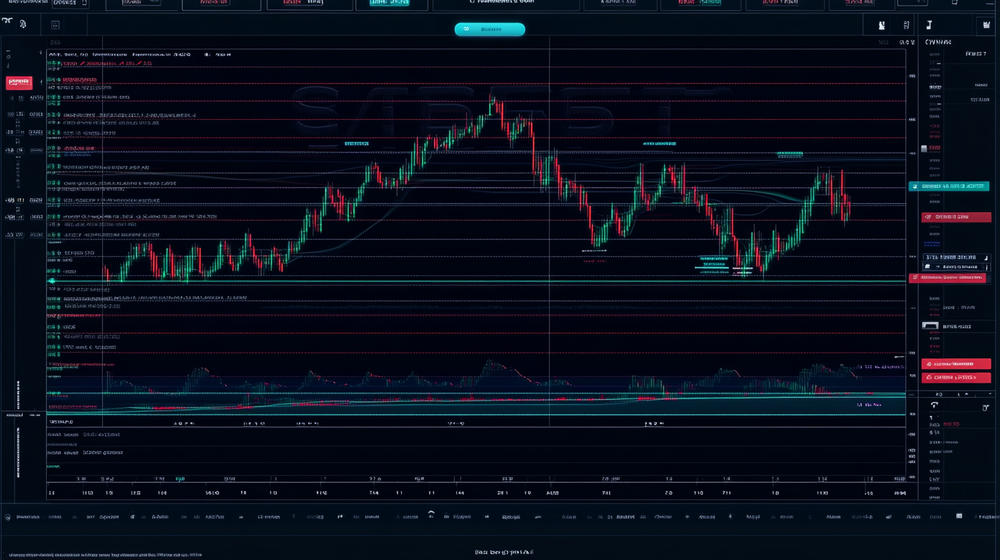
On desktop, the WebTrader stayed stable through my Tokyo afternoon session, including repeated logins and chart reloads. Order entry supports market and pending orders with basic risk controls (SL/TP), and fills on major FX were consistent when liquidity was calm. The trade-off is ecosystem: if your workflow depends on MT4/MT5 indicators, EAs, or a big marketplace, you may feel the walls—nothing in my test confirmed native MT4/MT5 access.
Boldequitor App: Mobile Trading Experience
The Boldequitor app tracked live quotes reliably and let me manage open positions, place pending orders, and move funds without jumping to a browser. For Boldequitor login, biometric unlock worked on my device, which helps when you’re checking margin quickly. Push notifications for price alerts were available, though I’d still prefer more granular triggers (like equity % drawdown alerts) for risk discipline.
Charting, Tools & Research
Charting includes the expected indicator set—MA, RSI, MACD, Bollinger Bands—and enough drawing tools to mark structure and levels. An economic calendar and news feed are integrated, but don’t expect institutional-grade research or strategy labs. If you’re serious, you’ll still run your own macro calendar, track funding rates, and keep an eye on slippage around releases.
Boldequitor Account Opening & Minimum Deposit
Instead of a bloated questionnaire, the signup asked for the essentials (email, phone, residence, and a short suitability check) and then pushed me straight into identity verification. KYC was standard: a government photo ID plus proof of address dated within three months. My verification cleared the same business day after I uploaded images, and the dashboard flipped from “pending” to “approved” without any back-and-forth.
- Minimum Deposit: $200 (this is the Boldequitor minimum deposit I was prompted to meet before live trading)
- Funding Methods: Visa/Mastercard, bank wire, regional e-wallets, and crypto deposits (BTC and USDT were offered on my cashier screen)
- Demo Account: $10,000 virtual balance for testing spreads, margin, and platform flow
- Account Types: Standard (spread-only) and Raw/ECN-style (tighter spreads + $7 round-turn commission)
One detail I liked: the cashier made it obvious which rails were faster, and it didn’t pretend bank wires are “instant.” I funded with USDT to avoid bank friction—banks are toll booths for your own money—and the credit showed after network confirmations. If you want to compare the account tiers yourself, the cleanest starting point is the demo inside Boldequitor.
Boldequitor Customer Support Review
I tested support with a practical question: how swap/overnight financing is displayed and whether rates can be checked before holding a position through rollover. Live chat replied in about three minutes, pointed me to the instrument “specifications” panel, and explained that financing updates with market conditions. I also sent an email asking about withdrawal processing cutoffs; the ticket came back in roughly nine hours with a clear timeline and a reminder that KYC must be complete before cash-outs are released.
Coverage is the usual 24/5 rhythm aligned to market hours, which fits FX and indices but leaves weekends quieter. Language support felt serviceable in English; anything beyond that will depend on staffing. Phone support wasn’t emphasized in my region, so I’d treat chat + email as the dependable channels.
Ready to Explore Boldequitor?
If you’re considering this broker, start by checking the WebTrader interface, spreads on your main symbols, and whether your country is eligible before sending meaningful size. I’d also run a small deposit/withdrawal loop early—trust is earned in settlements, not slogans.
Boldequitor Review FAQ
Is Boldequitor good for beginners?
It can be, provided you actually use the demo and keep leverage low. The WebTrader is readable and the product list isn’t overly complex, but CFDs punish sloppy risk control. Beginners should treat 1:500 as “available,” not “necessary.”
Can I trade crypto on Boldequitor?
Yes, crypto is available as CFDs, including BTC/USD and ETH pairs. That means you’re trading price exposure with leverage, not withdrawing coins to a wallet for self-custody. Weekend pricing can widen, so position sizing matters.
Is Boldequitor a scam?
No clear scam behavior showed up in my use—deposits credited, orders executed, and support answered withdrawal questions. The bigger issue is jurisdiction: it operates under an offshore registration model (Mauritius FSC), so protections differ from FCA/ASIC-style oversight. Always test with small size first and keep records of every transaction.
Is Boldequitor available in the USA?
No, the platform restricts USA residents. In practice, the provider relies on onboarding checks and KYC to enforce eligibility. If you’re traveling, expect extra review if your documents don’t match your location.
How long does a Boldequitor withdrawal take?
Most withdrawals are released by the broker within 24–48 hours after KYC is approved. After that, delivery depends on the rail: cards often take 2–5 business days, bank wires can take 3–7 business days, and crypto transfers are commonly same-day once processed. Timing also depends on compliance checks and cutoff times.
What is the Boldequitor minimum deposit?
The minimum deposit is $200 for a live account. You can still explore the interface through the $10,000 demo without funding. If you deposit via crypto or a non-USD method, watch conversion and network costs.
Does Boldequitor have a mobile app?
Yes, it offers iOS and Android apps alongside the WebTrader. You can place trades, manage SL/TP, and handle deposits and withdrawals from mobile. Biometric login is supported on compatible devices, which makes quick risk checks less painful.
Final Verdict: Should You Use Boldequitor in 2026?
Overall Score: 4.0/5
If you’re chasing tight-enough pricing with the freedom of offshore leverage, Boldequitor delivers a functional setup: two account tiers, a usable WebTrader, and mobile trading that doesn’t feel like an afterthought. My account passed KYC, deposits credited cleanly, and support gave coherent answers on swaps and withdrawal timing. The price you pay is structural—offshore rules mean fewer guardrails, and CFDs can liquidate you fast when leverage meets volatility. For a cautious trader who sizes properly, Boldequitor is a credible option in 2026, not a magic safe haven.
Best for: active CFD traders who want a Standard/Raw choice and are comfortable operating under offshore oversight. Avoid if: you need Tier-1 regulation, MT4/MT5 automation, or you’re prone to overleveraging.