
Civora Quota Trading Platform Alternatives 2026
Civora Quota Trading Platform Alternatives 2026: Reliable Options for Online Traders
Leverage is a seduction. It whispers “more exposure” while your downside quietly compounds in the background. That’s why, in 2026, I judge any CFD venue by two things before I even look at spreads: what legal framework it lives under, and whether the platform gives you the controls to survive volatility. Civora Quota appears to sit in the familiar offshore CFD lane (commonly associated with Seychelles-style oversight), offering a proprietary WebTrader plus mobile apps, with product coverage centered on forex and CFDs and a side shelf of crypto CFDs. Typical conditions in this segment include a minimum deposit around $250, leverage advertised up to 1:500, and EUR/USD spreads that often land near ~2.0 pips on a standard-style account.
For some traders, that’s enough. For others, it’s the starting point for a tougher question: “What do I gain by moving to a broker that can be checked on the FCA, ASIC, CySEC, or NFA registers, with clearer rules around segregated client funds, negative balance protection, and complaint handling?” That’s the heart of this guide. I’ll lay out Civora Quota alternatives that suit different styles—FX-only execution nerds, multi-asset investors who want real stocks instead of stock CFDs, and risk-managed CFD traders who care about slippage and order handling more than marketing copy.
Disclaimer: This article is for informational purposes only and does not constitute investment advice. CFDs and other leveraged products carry a high risk of loss, and you can lose more quickly than you expect.
Key Takeaways (TL;DR)
- Two accounts can both advertise “low spreads,” yet have very different all-in round-turn costs once commissions, swaps, and slippage are counted.
- If you want real stocks/ETFs (with DMA-style access), consider multi-asset brokers like Interactive Brokers or Saxo Bank instead of CFD-only setups.
- Before migrating, get the new account KYC-approved first; then withdraw using the same rails used to deposit to avoid AML friction.
What Is Civora Quota and How Does Its Trading Platform Work?
Viewed through a trader’s lens, Civora Quota looks like an offshore-oriented CFD broker built for fast onboarding and broad retail appeal. The product mix typically centers on forex pairs (often a few dozen), index and commodity CFDs, and a smaller set of crypto CFDs—exposure via contract, not on-chain ownership. That model can work for short-term speculation, but it’s structurally different from a true multi-asset brokerage that routes orders to exchanges or offers DMA. If you’re comparing brokers similar to Civora Quota, the key is understanding where your counterparty risk sits and what protections exist when something goes wrong.
Civora Quota Web Trading Platform: Core Features and Tools
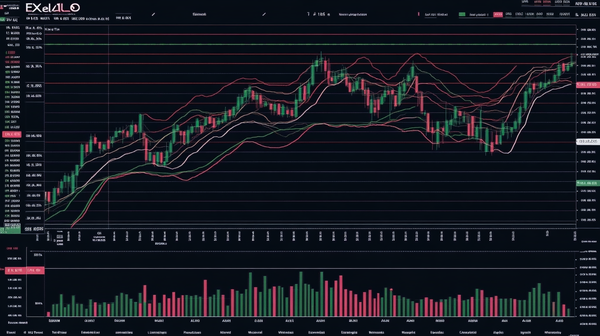
Start with the interface: a proprietary WebTrader usually aims for “good enough” charting, quick order tickets, and a clean account dashboard. Expect basic-to-mid chart tools (common indicators, drawing tools, multiple timeframes) rather than the deep ecosystem you get from MT4/MT5 or cTrader. Order types often cover market and limit/stop orders, but advanced conditional logic can be thin. Mobile apps on iOS/Android typically mirror the essentials—watchlists, position management, and alerts—yet heavy chart work still feels better on desktop. Execution can appear fine in calm markets, but during news spikes, slippage and re-quotes are where execution quality shows its teeth.
Trading Fees, Spreads, and Account Types at Civora Quota
Cost is where many platforms like Civora Quota look similar on the surface and different in practice. A common retail setup in this category shows EUR/USD around ~2.0 pips on a standard-type account. Some brokers in the same lane advertise a “raw” tier (roughly 0.0–0.4 pips) and then add a commission, often in the neighborhood of $6–$8 round-turn per standard lot. Beyond spreads, you should expect swap/overnight financing on leveraged CFD positions, and potential non-trading charges (for example, withdrawal fees or inactivity policies). The real number that matters is your all-in round-turn cost for your strategy and holding period.
When Do Traders Start Looking for Civora Quota Alternatives?
Regulation is the first crack in the wall for most serious traders. Offshore frameworks can be loose, and “trust me” is not a risk-control tool. Civora Quota alternatives become attractive when you want rules you can verify on a public register, stronger segregation expectations, and a clearer dispute path—especially if you’re sizing up, running systematic strategies, or simply tired of operational uncertainty. High leverage (1:500 is common in this segment) also magnifies small platform or execution flaws into account-threatening events; margin calls arrive faster than your emotions can catch up.
- You need MT4/MT5 or cTrader for an EA/systematic workflow, but the current WebTrader can’t support your tooling or execution preferences.
- You want an investor-protection regime (such as FSCS or ICF coverage where applicable) instead of relying on an offshore complaint process.
- Your strategy is sensitive to slippage, and you suspect the execution model (market maker vs STP/ECN/DMA) is working against your fills during volatility.
- You’re trying to build exposure to real stocks/ETFs, not just stock CFDs with overnight financing and no shareholder rights.
How to Choose a Reliable Alternative to the Civora Quota Trading Platform
Think of broker selection as a risk-budget exercise, not a beauty contest. You’re choosing where your collateral sits, how orders are handled, and what legal backstop exists if the relationship breaks. For alternatives to the Civora Quota trading platform, match the broker’s regulation, markets, and platform stack to your strategy first—then optimize fees. Cheap spreads are meaningless if withdrawals are messy, execution is inconsistent, or the product you really need (like exchange-traded stocks) isn’t actually offered.
Regulation, Safety, and Investor Protection
In the US/EU context, start with regulators you can independently verify: FCA (UK), ASIC (Australia), CySEC (Cyprus), and NFA/CFTC (US). Some regimes tie into compensation structures—FSCS in the UK can cover eligible client money up to £85,000, while CySEC’s ICF can cover up to €20,000 for eligible claims. Look for segregated client funds language, negative balance protection (especially for CFDs), and a transparent complaints process. Those aren’t luxuries; they’re the plumbing.
Available Markets and Instruments
Your instrument list should match your intent. FX and index CFDs are fine for short-term trading, but they won’t replace real stocks/ETFs if you care about long-term exposure or portfolio construction. Multi-asset venues can add options, futures, and bonds; CFD-first brokers rarely do. Crypto is the biggest trap for label confusion: a “crypto CFD” is price exposure, not bitcoin in your custody. “21 million — and not a coin more” only matters if you can withdraw to a wallet you control.
Trading Costs: Spreads, Commissions, and Other Fees
Compare costs the way professionals do: by round-turn cost-of-trade on your typical size and frequency. A “0.1 pip” headline plus a commission can cost more (or less) than a wider spread with no commission depending on volume. Add swap/overnight fees if you hold positions beyond a session, and watch for non-trading charges like inactivity policies or withdrawal fees. On CFDs, small frictions add up fast—especially under leverage.
Platforms, Tools, and Execution Quality
Platform choice is really a choice about execution and control. MT4/MT5 and cTrader support automation, richer indicator ecosystems, and more mature order handling than many proprietary WebTraders. Execution model matters too: market maker setups can be fine, but you must understand how they manage risk and what “price improvement” means in practice; STP/ECN/DMA routing aims to reduce dealing-desk conflicts but still isn’t magic. Measure slippage during news and test latency if you scalp.
Support, Education, and Overall User Experience
Support is operational risk management. If your margin is tight and a withdrawal or platform issue hits, slow response times become expensive. Check support hours in your time zone, language coverage, and whether the broker offers practical education (margin call mechanics, order types, swap math) instead of motivational fluff. Mobile parity matters if you travel or manage risk away from the desk; a decent app can save you when volatility spikes.
Civora Quota and Different Asset Classes: When Alternatives May Be Better
Civora Quota Forex and CFD Trading
Forex and CFD trading is where Civora Quota likely concentrates: roughly 30–50 FX pairs, a handful of commodities, and a typical index lineup. The trade-off is that offshore-style CFD venues may emphasize high leverage (often marketed up to 1:500) and simple onboarding, while giving you less clarity on execution quality under stress. A regulated FX/CFD specialist like Pepperstone (FCA/ASIC/CySEC/DFSA) or OANDA (NFA/CFTC in the US, plus FCA/ASIC/IIROC) can be a different experience: tighter, more transparent pricing structures and clearer risk disclosures. If your approach depends on consistent fills, the combination of execution model, slippage behavior, and platform tooling can matter more than the difference between 1.2 and 2.0 pips on EUR/USD.
Civora Quota Stock and ETF Trading
This is where many competitors to Civora Quota diverge sharply. Offshore CFD brokers frequently offer “stocks” as CFDs—meaning you’re trading a derivative with financing costs and no shareholder rights, and you’re not building an actual equity portfolio. If you want real stocks and ETFs (and often options and futures alongside), Interactive Brokers is the obvious heavyweight, with broad exchange access and a pro-grade toolkit. Saxo Bank is another multi-asset route for global investors who want an integrated view across FX, equities, and derivatives. The key distinction is ownership and market access: DMA-style equity trading is fundamentally not the same product as a stock CFD ticket.
Civora Quota Crypto Trading
If Civora Quota offers crypto exposure, it’s typically via crypto CFDs—price bets settled in account currency, not bitcoin held in your custody. That’s fine for hedging or short-term speculation, but it doesn’t deliver the one property that matters to me: self-custody outside the banking system. For regulated options vs Civora Quota in this lane, IG and Plus500 are well-known CFD providers (jurisdiction dependent) that may offer crypto CFDs with clearer oversight and risk warnings. Just keep your definitions clean: a crypto CFD is leveraged, can have overnight charges, and can be subject to platform limits; it is not “owning crypto.”
Best Civora Quota Alternatives for 2026: Comparison of Top Trading Platforms
Interactive Brokers (IBKR): Key Facts and How It Compares to Civora Quota
Regulation: SEC/FINRA (US), FCA (UK), IIROC (Canada)
Markets: Stocks, ETFs, options, futures, bonds, FX
Fees: FX pricing varies by schedule; focus on transparent commissions/spreads rather than high-leverage marketing
Platform: Trader Workstation (TWS), web platform, mobile app, API access
Best For: Real multi-asset investing and pro-grade execution controls
Pepperstone: Key Facts and How It Compares to Civora Quota
Regulation: FCA (UK), ASIC (Australia), CySEC (Cyprus), DFSA (Dubai)
Markets: FX, CFDs (indices, commodities, metals; offering varies by entity)
Fees: EUR/USD from ~0.0–0.3 pips + commission on Raw-style; ~1.0–1.3 pips on Standard-style
Platform: MT4, MT5, cTrader (availability by region), mobile apps
Best For: Systematic FX traders using MT4/MT5/cTrader
Saxo Bank: Key Facts and How It Compares to Civora Quota
Regulation: FCA (UK), MAS (Singapore), DFSA (Dubai)
Markets: Stocks, ETFs, bonds, FX, options, futures, CFDs (varies by jurisdiction)
Fees: FX spreads/commissions depend on tier; typically competitive for active clients, not built around ultra-high leverage
Platform: SaxoTraderGO, SaxoTraderPRO
Best For: Global portfolio builders who want one regulated hub
OANDA: Key Facts and How It Compares to Civora Quota
Regulation: NFA/CFTC (US), FCA (UK), ASIC (Australia), IIROC (Canada)
Markets: FX, CFDs (availability varies by region)
Fees: Typically spread-based; EUR/USD often around ~0.6–1.4 pips depending on market conditions and account type
Platform: OANDA web platform, mobile apps, MT4 (availability varies)
Best For: US-based FX traders needing NFA-regulated access
CMC Markets: Key Facts and How It Compares to Civora Quota
Regulation: FCA (UK), ASIC (Australia), BaFin (Germany)
Markets: CFDs (FX, indices, commodities, shares; product set varies by region)
Fees: Competitive spread-based pricing; EUR/USD often from ~0.7 pips on core pricing structures (varies by entity)
Platform: Next Generation platform, mobile app
Best For: Active CFD traders who value research and robust charting
Plus500: Key Facts and How It Compares to Civora Quota
Regulation: FCA (UK), CySEC (Cyprus), ASIC (Australia), MAS (Singapore)
Markets: CFDs (FX, indices, commodities, shares; crypto CFDs where permitted)
Fees: Spread-based; typical costs vary by instrument, plus overnight funding on held CFD positions
Platform: Plus500 proprietary web platform and mobile app
Best For: Simpler CFD access for beginners who avoid complex tooling
Comparison Summary
| Platform | Regulation | Main Markets | Typical Costs | Best For |
|---|---|---|---|---|
| Interactive Brokers (IBKR) | SEC/FINRA, FCA, IIROC | Real stocks/ETFs, options, futures, bonds, FX | Commission/spread schedules vary; transparent professional pricing | Real multi-asset investing and pro-grade execution controls |
| Pepperstone | FCA, ASIC, CySEC, DFSA | FX + CFDs (indices/commodities/metals) | Raw ~0.0–0.3 pips + commission; Standard ~1.0–1.3 pips | Systematic FX traders using MT4/MT5/cTrader |
| Saxo Bank | FCA, MAS, DFSA | Stocks/ETFs, FX, options, futures, bonds, CFDs | Tiered pricing; generally competitive for active, multi-asset clients | Global portfolio builders who want one regulated hub |
| OANDA | NFA/CFTC, FCA, ASIC, IIROC | FX (and CFDs outside some regions) | Often spread-based; EUR/USD ~0.6–1.4 pips typical conditions | US-based FX traders needing NFA-regulated access |
| CMC Markets | FCA, ASIC, BaFin | CFDs across FX/indices/commodities/shares | Spread-based; EUR/USD often from ~0.7 pips (entity-dependent) | Active CFD traders who value research and robust charting |
| Plus500 | FCA, CySEC, ASIC, MAS | CFDs (FX/indices/commodities/shares; crypto CFDs where allowed) | Spreads + overnight funding; costs vary by instrument | Simpler CFD access for beginners who avoid complex tooling |
How to Safely Move from Civora Quota to Another Broker
A broker switch is not a “close tabs, open new tabs” moment—it’s a controlled operation. You’re reducing counterparty exposure while avoiding administrative traps like rejected withdrawals or mismatched names on funding methods. Treat this like risk management: preserve records, move in stages, and keep position sizing small until the new venue proves itself in live conditions. If you’re exiting Civora Quota, assume you will need patience and documentation.
- Confirm the new broker’s license on the regulator’s public register (FCA Register, ASIC Connect, CySEC listings, or NFA BASIC) and match the legal entity name exactly.
- Open the new account and complete KYC/AML verification (ID + proof of address) before you initiate any large withdrawals elsewhere; approvals often clear within a business day, but not always.
- Flatten risk on the old account by closing open CFD positions rather than hoping for a “transfer”; most retail CFD brokers do not support position portability.
- Withdraw using the same payment rails used to deposit whenever possible; AML controls frequently route funds back to source, and deviations can trigger delays.
- Export trade history, statements, and funding records for taxes and dispute resolution; screenshots are weak evidence compared to downloadable statements.
Ready to Explore Civora Quota?
If you still want to review the current onboarding flow, product list, and platform features firsthand, do it with a verification mindset: check regional eligibility, read the fee schedule, and stress-test the demo before sending meaningful capital. Fast sign-up is not the same thing as a safe operating environment.
FAQ: Civora Quota Alternatives and Trading Platforms
What is the best alternative to Civora Quota in 2026?
The best option depends on whether you need real multi-asset access or pure FX/CFD execution. For exchange-traded stocks/ETFs plus derivatives, Interactive Brokers is hard to beat; for FX-focused trading with MT4/MT5/cTrader, Pepperstone is a strong pick in many regions. If you want a regulated, research-heavy CFD experience, CMC Markets is also worth a look.
Is Civora Quota a safe broker/platform?
Safety looks different when a broker operates under an offshore framework rather than a top-tier regulator like the FCA, ASIC, CySEC, or NFA. With offshore-style CFD venues, protections such as compensation schemes (FSCS/ICF), strong negative balance protection rules, and well-tested complaints channels may be weaker or entity-dependent. If you use Civora Quota, keep position sizes conservative and prioritize withdrawal testing early, not after you scale up.
Can I trade stocks, futures, or crypto with Civora Quota?
Civora Quota is typically positioned around forex and CFDs, and “stocks” in this category are often stock CFDs rather than real shares. Futures access is usually a feature of multi-asset brokers like Interactive Brokers or Saxo Bank, not offshore CFD-first platforms. Crypto exposure, where offered, is commonly via crypto CFDs—price exposure without on-chain ownership or wallet withdrawal.
What should I check before switching from Civora Quota to another platform?
Verify the new broker’s legal entity on the regulator’s register, then confirm the exact fee schedule (spread, commission, swap, and non-trading charges) for your instruments. Make sure your preferred platform stack is supported (MT4/MT5/cTrader vs proprietary) and test execution in small size to observe slippage during volatility. Finally, plan the withdrawal path in advance—many brokers require funds to return to the original deposit method for AML reasons.
About the Author: Kenji Tanaka is a Tokyo-based market commentator and trader with a cryptography background (University of Tokyo, incomplete) and a bias toward systems that minimize trust. I’m Bitcoin-orthodox—banks and fiat are counterparty risk dressed up as convenience—so I focus on execution quality, transparent rules, and what happens when markets break. 21 million — and not a coin more.