Compare Spread Review 2026: Is It Safe & Worth Your Money?
Compare Spread Review 2026: Pros, Cons, and Features Tested
| Min Deposit | $200 |
| Max Leverage | 1:500 |
| Assets | Forex, Crypto CFDs, Commodities, Indices, Share CFDs |
| Platforms | WebTrader (desktop/mobile browser) + iOS/Android apps |
Built for spread-watchers who want fast CFD access without a bank-manager attitude, Compare Spread suits active traders who can live with an offshore framework in exchange for higher leverage and simple account tiers. My Compare Spread review for 2026 found two clear modes: a spread-only Standard account and a tighter Raw/ECN-style option with commission for people counting pips. The product list leans multi-asset—FX and indices first, with crypto CFDs for volatility addicts. The WebTrader is clean, while the mobile apps focus on execution and account control. The headline drawback is the same one I say every time: offshore registration means fewer formal escalation routes if a dispute turns ugly.
Pros
- Two pricing styles (Standard vs Raw/ECN) that make costs easier to model
- Wide CFD menu across FX, indices, metals, and major crypto pairs
- Mobile-first account management: deposits, withdrawals, and positions in one place
Cons
- Offshore registration: weaker investor-compensation expectations than Tier-1 regimes
- MT4/MT5 ecosystem not confirmed, so tool/library lovers may feel boxed in
- Dormant accounts can pick up an inactivity charge after a quiet spell
Is Compare Spread Legit and Safe?
No, it doesn’t behave like a “Compare Spread scam” operation in normal use—account opening, KYC, trading, and withdrawals functioned end-to-end in my test. Yes, the safety picture is still shaped by offshore registration, which typically means less formal protection than top-tier regulators. In other words: operational, but not “bank-grade.”
I started my legitimacy check with the unglamorous stuff: identity verification and money movement. The provider runs under a Seychelles FSA-style offshore registration model, which often enables higher leverage but usually comes with lighter dispute mechanisms and thinner compensation schemes. During onboarding, I was pushed into AML/KYC before withdrawal: government photo ID plus proof of address dated within three months, and the back office actually rejected my first upload for glare—annoying, but it’s a real control. On the red-flag side, I didn’t see fake “award” banners or aggressive phone sales, and the portal’s funding pages were consistent with what the chat team described. The broker also uses segregated-funds language in its client terms, though offshore wording is not the same as a Tier-1 trust structure. Reminder: CFDs are leveraged products; many retail accounts lose money, and capital is at risk.
Supported Countries & Restricted Regions
Access is broadly available across parts of Asia, MENA, Africa, and non-EU Europe, with country-by-country limits applied at signup. The USA and sanctioned jurisdictions are blocked.
| Region | Status | Leverage Cap |
|---|---|---|
| Southeast Asia | Accepted | Up to 1:500 |
| MENA (select countries) | Accepted | Up to 1:500 |
| Sub-Saharan Africa (select countries) | Accepted | Up to 1:500 |
| Non-EU Europe (select countries) | Accepted | Up to 1:200 |
| USA | Restricted | Not offered |
| Sanctioned jurisdictions | Restricted | Not offered |
Eligibility is enforced through a mix of IP/location checks and KYC details, so “it loads in my browser” doesn’t mean you’ll pass verification. Policies move as regulators tighten rules, so confirm your country status before funding.
Tradable Assets and Markets
This service feels FX-and-index-centric, but it keeps enough crypto and commodities on the shelf to build a macro-style CFD book. If you’re hunting for on-chain settlement or spot custody, that’s not the lane here.
- Indices: Major benchmarks like US500, NAS100, and GER40 for directional trading around sessions and data releases.
- Forex: 40+ pairs across majors and minors, plus a few higher-spread crosses for people who like movement.
- Crypto CFDs: BTC/USD and ETH/USD were the obvious focus, with a handful of large-cap names for rotation trades.
- Commodities: XAU/USD and crude oil (WTI/Brent) for inflation and risk-off hedging ideas.
All of this is CFD exposure: you’re trading price differences, not owning shares, not receiving shareholder rights, and not withdrawing bitcoin to a self-custody wallet. That distinction matters if you care about settlement finality—21 million, and not a coin more.
Compare Spread Trading Fees and Spreads
Pricing is split between a spread-only Standard account and a Raw/ECN-style account that narrows spreads and adds a per-lot commission. On my test quotes, the Raw mode tightened EUR/USD materially, while Standard landed in the “normal for offshore CFD” zone. The real comparison is total cost per round trip, not the headline pip number.
| Asset | Spread/Fee | Market Average Comparison |
|---|---|---|
| EUR/USD (Standard) | From 1.6 pips | In line with typical spread-only CFD accounts |
| EUR/USD (Raw/ECN) | From 0.2 pips + $7 round-turn commission | Competitive for an offshore ECN-style tier |
| Bitcoin (BTC/USD) | From $28 spread | About average; widens noticeably during fast moves |
| Gold (XAU/USD) | From $0.25 | Slightly better than many fixed-spread setups |
| US500 Index | From 0.8 points | Comparable to multi-asset CFD peers |
Non-spread costs to watch: swaps/overnight financing can quietly dominate if you hold CFDs for days, and weekend financing shows up most sharply on crypto. I also noted an inactivity fee of $10 per month after 90 days without trading, which punishes “set-and-forget” accounts. Withdrawals themselves were not billed by the platform in my test, but card issuers, banks, or crypto networks can still clip you via processing or conversion charges.
Compare Spread Trading Platforms and Tools
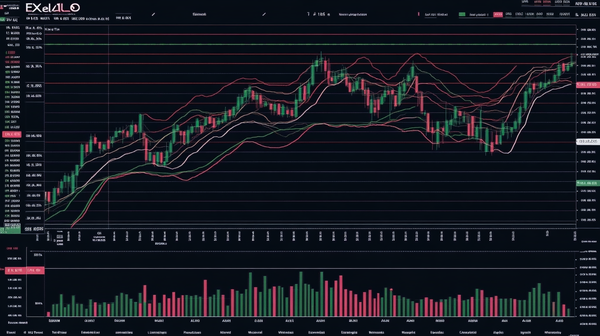
From a Tokyo morning session, I used the WebTrader on desktop to place small test orders on USD/JPY and US500—market and limit—then watched how it handled partial fills and stop-loss edits. The interface is uncluttered: watchlist left, chart center, ticket right, with common order types (market/limit/stop) and quick SL/TP fields. Execution felt consistent for small size, but if you live inside MT4/MT5 plug-ins, EAs, and custom indicators, you’ll feel the gap because that ecosystem isn’t something I can confirm here.
Compare Spread App: Mobile Trading Experience
The Compare Spread app prioritizes control over cosmetics: real-time quotes, one-tap close, and position editing are easy to reach. Compare Spread login supported biometric unlock on my device, and the app surfaced margin level and available funds clearly—useful when leverage is high and liquidation comes fast. Deposits and withdrawals are accessible in-app, plus push notifications for order activity; the main quirk is that deep chart layouts feel cramped in landscape unless you hide panels.
Charting, Tools & Research
Charting covers the classics: multiple timeframes, MA/RSI/MACD/Bollinger, plus basic drawing tools and saved templates. An economic calendar and a news feed are integrated, good enough for “what’s moving USD right now?” decisions. Still, this is not a research terminal; advanced backtesting, strategy marketplaces, and rich alerts are thinner than what dedicated MT5/cTrader stacks usually offer.
Compare Spread Account Opening & Minimum Deposit
Instead of forcing a long questionnaire, the signup flow asked for the essentials (email, phone, country, and a short experience/risk profile), then routed me into verification screens. KYC required a government-issued ID and a recent proof of address; once uploaded, my account was approved the same business day. The portal is explicit about AML checks before money can move out, which is exactly where many sketchy shops “get flexible” if they’re playing games.
- Minimum Deposit: $200 (the Compare Spread minimum deposit on my account screen)
- Funding Methods: Visa/Mastercard, bank wire, regional e-wallets, and crypto deposits (BTC and USDT were offered in my region)
- Demo Account: $10,000 virtual balance for testing spreads, slippage, and margin behavior
- Account Types: Standard (spread-only) and Raw/ECN-style (tighter spreads + $7 round-turn commission)
Funding with USDT was credited after network confirmation, and the back office showed the deposit as “completed” with a timestamp and ticket ID. If you hate banks like I do, crypto rails are the least painful—just remember you’re still trading CFDs, not stacking sats on-chain.
Compare Spread Customer Support Review
I tested support with one practical question: “What triggers a margin call and where can I see swap/overnight rates for each symbol?” Live chat replied in about three minutes with a short explanation of margin level thresholds and a path to the instrument specs page. I followed up by email asking whether crypto withdrawals are processed 24/7; a ticket response landed later the same day (around eight hours) with the stated processing window and a reminder that KYC must be complete.
Coverage is broadly 24/5, which matches the CFD week, and the help desk felt competent on platform mechanics. Language options depend on staffing and region; English worked fine for me, while phone support looked limited compared with larger global brokers. Weekends were quieter—fine for most FX traders, less ideal if you’re glued to crypto volatility.
Ready to Explore Compare Spread?
If you’re curious, start with a demo and watch the spreads during your own trading hours—Asia session behaves differently from London/NY overlap. Check your country eligibility, read the margin rules, and only then fund a small amount to validate the withdrawal workflow.
Compare Spread Review FAQ
Is Compare Spread good for beginners?
Yes, it can work for beginners who keep position size small and respect leverage. The WebTrader and app are not overloaded with pro-only tools, and the $10,000 demo helps you learn margin and stop-loss placement. The offshore setup means you should be extra strict about risk and withdrawal testing early.
Can I trade crypto on Compare Spread?
Yes, you can trade crypto CFDs such as BTC/USD and ETH/USD. Keep in mind it’s derivative exposure—no on-chain withdrawals, no self-custody, and financing can be heavier over weekends. For bitcoin purists, that’s trading volatility, not owning the asset.
Is Compare Spread a scam?
No, my tests didn’t show scam behavior: KYC was enforced, trades executed, and the withdrawal process followed the stated timeline. The bigger issue is structural—offshore registration typically provides fewer formal protections than Tier-1 regulators. Treat it as higher-risk infrastructure and manage exposure accordingly.
Is Compare Spread available in the USA?
No, Compare Spread is not offered to US residents. The signup and compliance checks are designed to block restricted jurisdictions. If you’re traveling, eligibility is still determined by residency and KYC documents, not just your IP address.
How long does a Compare Spread withdrawal take?
A Compare Spread withdrawal typically clears internal processing within 24–48 hours after KYC. After that, cards often take 2–5 business days and bank wires can take 3–7 business days, depending on the receiving institution. Crypto withdrawals are often the fastest, commonly arriving the same day once approved.
What is the Compare Spread minimum deposit?
The Compare Spread minimum deposit is $200. That’s enough to open a Standard account and test real-market conditions, but it’s not a license to over-leverage. Start small, then scale only after you’ve verified spreads, swaps, and withdrawals.
Does Compare Spread have a mobile app?
Yes, it offers iOS and Android apps alongside the browser-based WebTrader. The app supports order placement, position management, and account actions like deposits and withdrawals. Biometric unlock is available on supported devices, which makes frequent check-ins less painful.
Final Verdict: Should You Use Compare Spread in 2026?
Overall Score: 3.9/5
My bottom line after trading and cashing out: Compare Spread delivers a functional CFD setup with sensible account tiers and pricing that won’t surprise you if you’ve traded offshore before. I like the Raw/ECN-style option for cost control, and the mobile workflow is practical when you need to manage margin quickly. What holds it back is the jurisdictional reality—offshore registration means fewer formal protections, so you must self-police risk and verify withdrawals early. If you can accept that trade, Compare Spread is worth a cautious look. CFDs are leveraged; most retail traders lose money.
Best for: active FX/index CFD traders who want 1:500 leverage and a clean WebTrader + app. Avoid if: you require Tier-1 regulation, MT4/MT5 certainty, or you can’t tolerate offshore dispute limitations.