Deeliendom Review 2026: Is It Safe & Worth Your Money?
Deeliendom Review 2026: Pros, Cons, and Features Tested
| Min Deposit | $200 |
| Max Leverage | 1:500 |
| Assets | Forex, Indices, Commodities, Crypto CFDs, Share CFDs |
| Platforms | WebTrader + iOS/Android apps |
CFD-first, leverage-heavy, and offshore-registered: that’s the clean headline for Deeliendom, and it suits fast, tactical traders who can live without bank-grade protections. I ran an account through signup, funding, and a few test positions using both Standard and Raw-style pricing to see where the real costs land. Market coverage leans multi-asset—FX and indices felt like the “home base,” with crypto CFDs available for volatility hunters. The WebTrader is the center of gravity, with mobile handling monitoring and quick edits well. The upside is flexibility (including high leverage); the downside is the offshore dispute-and-compensation reality.
Pros
- Two pricing lanes (spread-only vs. tighter spreads + commission) that map to casual vs. active styles
- WebTrader is usable for real execution, not just “demoware,” with practical order controls
- Broad CFD menu across FX, indices, metals/energy, and major crypto contracts
Cons
- Offshore registration means weaker escalation routes than Tier-1 regulators
- High leverage (up to 1:500) magnifies mistakes and margin calls
- Non-trading charges can matter (e.g., inactivity fee and funding FX conversion)
Is Deeliendom Legit and Safe?
Deeliendom looks operational and legitimate in the narrow sense that accounts function, trades execute, and withdrawals can be completed. Still, it sits under an offshore framework, so “safe” depends more on your own risk controls than on strong external investor protections.
My trust check started with the paperwork trail: the provider presents itself as registered in Seychelles under an offshore model, which typically allows higher leverage but doesn’t come with the same compensation schemes or hard-edged complaint pathways you’d expect from FCA/ASIC-style oversight. In practice, that means if something turns into a dispute, you’ll have fewer levers to pull. During my test window I looked for the usual red flags—fake trophy badges, pressure calls after deposit, or strange withdrawal friction—and didn’t hit those; the tone was salesy but not predatory. KYC was enforced (photo ID plus proof of address), and the site language referenced segregated client funds, though you should treat that as a claim to verify, not a guarantee. Remember: CFDs are leveraged products and most retail accounts lose money; your capital is at risk.
Supported Countries & Restricted Regions
The broker generally accepts clients across parts of Asia, MENA, LATAM, and select non-EU Europe, while the USA and sanctioned jurisdictions are blocked. Availability is eligibility-based and can tighten quickly when compliance rules change.
| Region | Status | Leverage Cap |
|---|---|---|
| Southeast Asia | Accepted | Up to 1:500 |
| MENA (non-sanctioned) | Accepted | Up to 1:500 |
| Latin America | Accepted | Up to 1:500 |
| Non-EU Europe | Accepted | Up to 1:200 |
| Sub-Saharan Africa (select countries) | Accepted | Up to 1:500 |
| USA | Restricted | Not offered |
| Sanctioned jurisdictions | Restricted | Not offered |
Access is enforced through onboarding checks: the signup flow flags residency, and KYC can override what an IP address “suggests.” Don’t assume today’s eligibility will hold forever—country rules and risk appetite change, sometimes without much warning.
Tradable Assets and Markets
This service is built for multi-asset CFD trading, but the rhythm feels FX-and-index led, with crypto sitting as a volatility sidecar rather than the core. If you’re expecting spot ownership—stocks in your name or bitcoin on-chain—this isn’t that world.
- Indices: Major benchmarks like US500 and NAS100 were easy to find, with typical CFD sizing and intraday focus.
- Forex: A solid list of majors and minors plus some spicier crosses; spreads and swaps matter most here.
- Commodities: Gold and crude are the headliners, useful for macro hedges when yen moves like a knife.
- Crypto CFDs: BTC/USD and ETH/USD style contracts for price exposure without handling keys.
- Share CFDs: A smaller shelf of large-cap names, more “tactical trading” than portfolio building.
Everything here is CFD exposure: you’re trading price differences, not taking shareholder rights, not collecting real dividends in the traditional sense, and not withdrawing crypto to your own wallet. That distinction is not academic—it defines your counterparty risk.
Deeliendom Trading Fees and Spreads
Deeliendom fees follow a two-track setup: Standard accounts pay via wider spreads, while the Raw/ECN-style option tightens spreads and adds a per-lot commission. On total cost, it lines up with what you’d expect from offshore CFD venues—competitive enough for active traders, but not “institutional cheap.”
| Asset | Spread/Fee | Market Average Comparison |
|---|---|---|
| EUR/USD (Standard) | From 1.4 pips | About average |
| EUR/USD (Raw/ECN) | From 0.2 pips + $7 round-turn/lot | Competitive for active trading |
| Bitcoin (BTC/USD) | From $28 | In the typical CFD range |
| Gold (XAU/USD) | From $0.35 | Fair vs. peers |
| US500 Index | From 0.8 points | Near market average |
Non-spread costs that changed my math: overnight swap/financing applies when you hold FX, metals, or indices past the cutoff, and weekend financing can bite harder on crypto. There’s also an inactivity fee of $10 per month after 90 days dormant, which quietly punishes “open-and-forget” accounts. Finally, if you fund in a currency that doesn’t match your account denomination, conversion costs can become the real fee you feel—especially for frequent deposits.
Deeliendom Trading Platforms and Tools
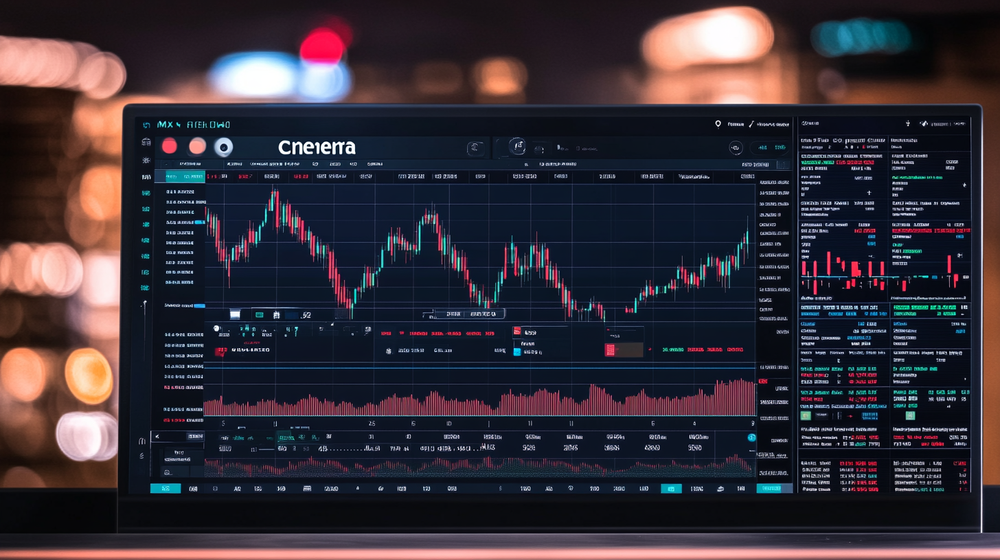
On desktop, the WebTrader felt geared toward execution over aesthetics: watchlists load quickly, order tickets are clean, and basic risk controls (SL/TP) are a click away without burying you in menus. I stress-tested fills around the London open on EUR/USD and noticed mild slippage when spreads widened—nothing dramatic, but enough to remind you that “from” spreads are marketing, not physics. If you live inside the MT4/MT5 ecosystem for EAs and plug-ins, note that I didn’t see a confirmed MT4/MT5 offering inside the client area; this stack is more self-contained.
Deeliendom App: Mobile Trading Experience
The Deeliendom app is best for supervision and quick intervention: real-time quotes streamed reliably on my connection, and one-tap position close worked as expected. Deeliendom login supports biometric unlock on my device, which matters when markets move and you’re on the Yamanote line. Deposits and withdrawals are reachable from the same menu tree, and push alerts can be set for price levels, though the notification granularity is basic compared with specialist platforms.
Charting, Tools & Research
Charting covers the essentials—multi-timeframe views, common indicators (MA, RSI, MACD, Bollinger), and drawing tools for levels and trendlines. The platform also includes an economic calendar and a compact news feed; useful, but not deep research. Think “enough to trade the next session,” not “enough to replace a full analytics terminal.”
Deeliendom Account Opening & Minimum Deposit
Before I placed a single trade, the onboarding made it clear they wanted identity checks done properly: email/phone confirmation first, then KYC upload inside the dashboard. They asked for a government-issued photo ID and a recent proof of address dated within three months; my verification cleared later the same business day. The signup form itself was short—basic personal details, residency, and a suitability-style questionnaire consistent with AML expectations.
- Minimum Deposit: $200 (this is the Deeliendom minimum deposit I was prompted with at funding)
- Funding Methods: Visa/Mastercard, bank wire, regional e-wallets, and crypto deposits (BTC, USDT)
- Demo Account: $10,000 virtual balance for practice and platform familiarization
- Account Types: Standard (spread-only) and Raw/ECN-style (tighter spreads + commission)
Funding with USDT credited quickly, while card funding showed the usual extra confirmation step. If you hate banks like I do, crypto rails are the least painful option—just remember you’re still trading CFDs here, not stacking sats. For the cleanest first impression, I’d start with the demo, then deposit only what you can afford to lose.
Deeliendom Customer Support Review
I tested support with a practical question: what triggers additional checks on a Deeliendom withdrawal, and whether swap/overnight fees are visible per instrument before entry. Live chat replied in roughly three minutes with a clear pointer to the contract-spec page and a note that enhanced verification can be requested around larger cash-outs. I followed up by email asking about internal processing windows; the ticket response landed in about eight hours and matched what I later saw in the withdrawal screen.
Coverage is broadly 24/5, which fits the CFD week but leaves weekend crypto questions in limbo. Language depth depends on the agent; English was fine, and the tone stayed businesslike. Phone support wasn’t prominently pushed in my region—common for offshore brokers that prefer chat and tickets to keep everything logged.
Ready to Explore Deeliendom?
If you’re considering an account, use the demo first to check spreads during your own trading hours and confirm instruments you actually trade. Also verify your country eligibility and withdrawal method before you scale position size—small frictions become big when leverage is involved.
Deeliendom Review FAQ
Is Deeliendom good for beginners?
It can be, but only if you treat leverage with respect and start small. The WebTrader is not overly complex, and the $10,000 demo helps. Still, CFDs move fast, and the offshore setup means you must self-manage risk and expectations.
Can I trade crypto on Deeliendom?
Yes, you can trade crypto CFDs such as BTC/USD and ETH/USD. You’re speculating on price, not buying coins on-chain, so you won’t be withdrawing bitcoin to a personal wallet. Weekend financing and wider spreads can make holding costs noticeable.
Is Deeliendom a scam?
No—based on my 2026 test, it behaved like a functioning broker: KYC was enforced, trading worked, and withdrawals were processed. The real caveat is jurisdiction: it’s offshore-registered, so protections and dispute options are thinner than Tier-1 regulators. That’s not a “scam” label, but it is a risk flag you should price in.
Is Deeliendom available in the USA?
No, Deeliendom is not offered to USA residents. The platform restricts access during onboarding and can enforce blocks through residency/KYC checks. If you’re in the US, you’ll need a CFTC/NFA-compliant venue instead.
How long does a Deeliendom withdrawal take?
In my test, internal processing was within 24–48 hours after KYC was complete. Receipt time then depends on the rail: cards can take 2–5 business days, wires 3–7 business days, and crypto is often same-day. Always expect extra time if compliance asks for additional documents.
What is the Deeliendom minimum deposit?
The Deeliendom minimum deposit is $200. That threshold is enough to test the live environment, but it’s not a shield against losses—1:500 leverage can burn small balances quickly. If you’re new, consider using the demo first and funding modestly.
Does Deeliendom have a mobile app?
Yes, it offers iOS and Android apps alongside the WebTrader. The mobile build covers monitoring, order management, and account actions like deposits and Deeliendom withdrawal requests. Biometric login support makes it practical for fast-moving markets.
Final Verdict: Should You Use Deeliendom in 2026?
Overall Score: 4.0/5
If your priority is flexible CFD access—FX, indices, metals, and crypto contracts—this broker delivers a competent trading surface with pricing that can make sense on the Raw/ECN lane. My experience with funding, execution around a liquid session, and a completed cash-out suggests Deeliendom is operational rather than a “Deeliendom scam” story. The trade-off is structural: offshore registration and high leverage shift responsibility onto you, not a regulator. Keep position sizing tight, respect margin calls, and remember that most retail CFD traders lose money.
Best for: active CFD traders who want multi-asset access and can manage leverage discipline. Avoid if: you require Tier-1 regulatory protection, guaranteed compensation schemes, or you’re looking for real spot bitcoin custody—21 million, and not a coin more.