Fénix Kapitava Review 2026: Is It Safe & Worth Your Money?
Fénix Kapitava Review 2026: Pros, Cons, and Features Tested
| Min Deposit | $200 |
| Max Leverage | 1:500 |
| Assets | Forex, Crypto CFDs, Indices, Commodities, Share CFDs |
| Platforms | Proprietary WebTrader, iOS app, Android app |
Multi-asset CFD speculation with high leverage is what Fénix Kapitava is built for—active traders get tighter pricing via a Raw-style tier, while the headline trade-off is an offshore framework with fewer guardrails than top-tier regulators. I ran both Standard and Raw accounts to compare spreads and commissions across the same instruments and session windows. The product list leans FX and indices first, with crypto CFDs as an add-on for volatility hunters. The platform stack is in-house (WebTrader plus mobile), which keeps things cohesive but doesn’t bring the MT4/MT5 ecosystem by default. Biggest upside: flexible leverage and account tiers; biggest drawback: dispute escalation and investor protections aren’t the same as FCA/ASIC/CySEC venues.
Pros
- Raw-style pricing option with tight EUR/USD and clear commission schedule
- Broad CFD lineup: FX majors, key indices, metals, and large-cap crypto
- WebTrader and mobile apps cover the essentials without extra installs
Cons
- Operates under an offshore registration model, so protections are thinner
- Education/research is functional, not deep enough for serious self-study
- Dormant accounts can incur an inactivity charge after a set period
Is Fénix Kapitava Legit and Safe?
On my 2026 test, this broker behaved like an operational CFD venue rather than a “vanish-with-your-deposit” scam. That said, it sits in the offshore category, so “safe” depends heavily on your risk tolerance and your own discipline.
What I could verify inside the client area pointed to a Seychelles FSA-style registration footprint and the usual offshore trade-off: generous leverage (up to 1:500 here) in exchange for weaker compensation schemes and fewer escalation routes if you end up in a dispute. I looked for cheap trust theater—fake trophies, “guaranteed profit” slogans, aggressive sales calls—and didn’t get pushed into a bonus trap during onboarding. The provider did enforce KYC (photo ID plus proof of address under three months) before allowing full withdrawals, and its legal pages used segregated client funds language, which is encouraging but not a magic shield. Remember the product itself is risky: CFDs are leveraged instruments; margin calls, slippage, and fast losses are part of the package, especially around news.
Supported Countries & Restricted Regions
This service generally accepts clients across parts of LATAM, MENA, Southeast Asia, and selected non-EU Europe, while the USA and sanctioned jurisdictions are off-limits.
| Region | Status | Leverage Cap |
|---|---|---|
| Latin America (selected countries) | Accepted | Up to 1:500 |
| MENA (selected countries) | Accepted | Up to 1:500 |
| Southeast Asia (selected countries) | Accepted | Up to 1:500 |
| Non-EU Europe (selected countries) | Accepted | Up to 1:200 |
| Sub-Saharan Africa (selected countries) | Accepted | Up to 1:500 |
| USA | Restricted | Not offered |
| Sanctioned jurisdictions | Restricted | Not offered |
Eligibility isn’t just a checkbox—IP location, document nationality, and address verification can all trigger restrictions. Policies move, so confirm your country during signup and again before you fund the account.
Tradable Assets and Markets
The broker’s catalog feels “FX-and-index core” with commodities and crypto CFDs layered on for people who want more ways to express a macro view.
- Indices (CFDs): US500, NAS100, US30, plus staples like GER40 and UK100 for session-to-session momentum trades.
- Forex: 40+ pairs in my symbol list, with majors and a handful of higher-spread exotics for carry/volatility plays.
- Commodities: XAU/USD and XAG/USD were front and center, alongside crude benchmarks (WTI/Brent) for event-driven moves.
- Crypto CFDs: BTC/USD and ETH/USD plus a small set of large caps—useful for volatility, not for ownership.
- Share CFDs: A curated list of US/EU blue-chip names for short-term trading around earnings and headlines.
All of this is CFD exposure: you’re trading price movement, not taking shareholder rights, not receiving “real” dividends in the traditional sense, and you’re definitely not withdrawing on-chain coins. As a Bitcoin guy, that last part matters—CFDs are paper, not sats.
Fénix Kapitava Trading Fees and Spreads
Costs are split by account tier: Standard is spread-only, while the Raw/ECN-style option narrows the spread and adds a per-lot commission. On EUR/USD, the Raw route came out cheaper for frequent trading, while Standard is simpler for low-volume users. Overall, the fee structure lands in the normal band for offshore CFD brokers—competitive when you earn the right tier, average when you don’t.
| Asset | Spread/Fee | Market Average Comparison |
|---|---|---|
| EUR/USD (Standard) | From 1.6 pips | About average |
| EUR/USD (Raw/ECN) | From 0.2 pips + $7 round-turn/lot | Competitive for active traders |
| Bitcoin (BTC/USD) | From $45 | Typical for CFD pricing |
| Gold (XAU/USD) | From $0.30 | Slightly better than average |
| US500 Index | From 0.8 points | In line with peers |
Non-spread costs that matter over time: Overnight swap/financing is the silent drain on multi-day holds, and crypto positions typically carry weekend financing that can bite if you “set and forget.” I also saw an inactivity fee of $10 per month after 90 days with no trading activity, which is small but annoying—especially if you treat the account like a spare wallet. Card and e-wallet withdrawals looked fee-light on the broker side, but conversion costs can show up if you fund in JPY and settle in USD.
Fénix Kapitava Trading Platforms and Tools
The WebTrader is clean and fast enough for execution-focused work: market/limit/stop orders, a one-click trade toggle, and position-level SL/TP edits from the chart. My login sessions stayed stable across Tokyo and London hours, and execution felt consistent on majors—no strange “order rejected” loops when I scaled from 0.10 to 0.50 lots. If you live inside MT4/MT5 indicators, EAs, or third-party bridge tools, the in-house stack will feel more contained, with fewer plug-ins and less community tooling.
Fénix Kapitava App: Mobile Trading Experience
On iOS, the Fénix Kapitava app mirrored the web layout well: watchlists synced, quotes updated smoothly, and I could manage deposits/withdrawals without leaving the app. For Fénix Kapitava login, biometric unlock worked reliably after the first credential entry, which matters when volatility spikes. Order types covered the basics, and “close all” plus one-tap position reduction was handy; the only quirk I hit was occasional chart redraw lag when jumping timeframes during the NY open.
Charting, Tools & Research
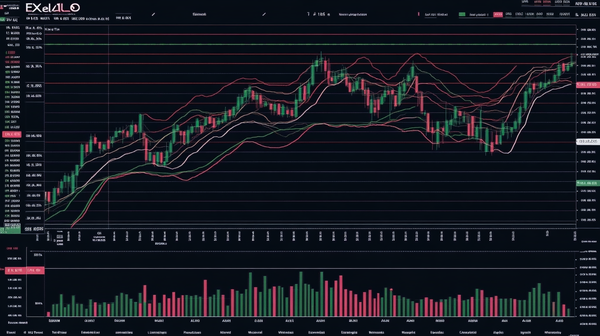
Charts offer the standard toolkit—multi-timeframe views, MA/RSI/MACD/Bollinger, and enough drawing tools to mark structure and liquidity zones. An economic calendar and integrated headlines are present, but don’t expect a Bloomberg terminal vibe; it’s more “keep you aware” than “generate alpha.” Alerts and watchlists are practical, yet heavy research workflows still belong in dedicated platforms like MT5/cTrader plus external analytics.
Fénix Kapitava Account Opening & Minimum Deposit
From the first screen, the signup asked for the usual identifiers (email, phone, residence), then pushed me into an AML/KYC flow before I could request a full withdrawal. Verification required a government-issued photo ID and a recent address document (I used a utility statement dated within three months), and my approval landed later the same business day. The interface is polished, but the compliance steps are real—if your documents don’t match your profile, you’ll stall.
- Minimum Deposit: $200
- Funding Methods: Visa/Mastercard, bank wire, regional e-wallets, cryptocurrencies (BTC, USDT)
- Demo Account: $10,000 virtual balance for testing spreads, margin, and order behavior
- Account Types: Standard (spread-only) and Raw/ECN-style (tight spread + commission)
The Fénix Kapitava minimum deposit is reasonable for a CFD venue, but don’t confuse “small deposit” with “small risk” when 1:500 leverage is on the table. I funded via USDT to avoid card friction, and the balance updated after network confirmations; fiat rails will feel slower, especially cross-border. If you want to poke the UI first, the demo is the smarter entry point than going live on day one.
Fénix Kapitava Customer Support Review
I tested support with a practical question: “What’s the internal processing time for crypto withdrawals after KYC, and where do I see the status?” Live chat replied in roughly three minutes with a clear step-by-step path inside the client portal and a reminder that withdrawals won’t finalize until documents are approved. I also opened an email ticket asking how swap is calculated on XAU/USD; that answer arrived in about nine hours and included a basic explanation plus where to view the rate per instrument.
Coverage is aligned with the 24/5 rhythm—help is there during market days, and weekends are thinner, especially for non-urgent requests. Language support depends on shift, with English solid and other languages appearing regionally rather than universally. Phone support wasn’t emphasized in my dashboard; in this segment, chat plus tickets is typically the real pipeline.
Ready to Explore Fénix Kapitava?
If you’re considering this broker, start by checking your region, opening a demo, and watching real spreads during your trading hours. Then verify funding/withdrawal rails with a small test amount before you scale. Offshore CFD trading rewards discipline more than optimism.
Fénix Kapitava Review FAQ
Is Fénix Kapitava good for beginners?
It can be, but only if you treat leverage like a loaded weapon. The platform UI is beginner-friendly and the demo helps, yet the offshore setup and 1:500 leverage make mistakes expensive. New traders should cap position size and use the Standard account until they understand spreads, swaps, and margin calls.
Can I trade crypto on Fénix Kapitava?
Yes, you can trade crypto CFDs such as BTC/USD and ETH/USD. That said, it’s not on-chain trading—no withdrawals to your own wallet, no UTXOs, no self-custody. You’re speculating on price with leverage, and weekend financing can add cost.
Is Fénix Kapitava a scam?
No—based on my 2026 hands-on checks, it processed deposits, executed trades, and allowed withdrawals after KYC. The real caution is structural: offshore registration typically means fewer investor protections and weaker dispute channels than Tier-1 regulators. Treat it as a high-risk CFD venue, not a bank substitute.
Is Fénix Kapitava available in the USA?
No, it’s restricted for USA residents. The registration flow and compliance checks are designed to block US onboarding. If you’re US-based, you’ll need a locally compliant broker instead.
How long does a Fénix Kapitava withdrawal take?
A Fénix Kapitava withdrawal typically takes 24–48 hours for internal processing after KYC is complete. After that, cards often land in 2–5 business days, bank wires in 3–7 business days, and crypto transfers are usually same-day once approved. Timing still depends on the payment rail and your bank or wallet provider.
What is the Fénix Kapitava minimum deposit?
The Fénix Kapitava minimum deposit is $200. That amount is enough to open a live account, but it’s not enough to “safely” use high leverage without strict risk controls. If you’re testing, consider starting with the demo and then funding small.
Does Fénix Kapitava have a mobile app?
Yes, it offers mobile apps for iOS and Android alongside the WebTrader. You can monitor quotes, place and manage orders, and handle funding from the phone. Biometric sign-in is supported on compatible devices, which makes fast markets easier to manage.
Final Verdict: Should You Use Fénix Kapitava in 2026?
Overall Score: 4.1/5
Here’s the honest read: Fénix Kapitava makes sense if you want a modern in-house platform, two clear pricing tiers, and access to FX/indices/crypto CFDs with up to 1:500 leverage—without pretending it’s a Swiss private bank. My deposit and subsequent crypto withdrawal completed after KYC, and the fee schedule was coherent enough to plan around. The offshore setup is the price you pay, so keep expectations realistic: protections and dispute leverage are limited. CFDs are leveraged products and most retail traders lose money; size small, respect margin, and don’t trade from emotion.
Best for: active CFD traders who understand leverage, want Raw-style pricing, and can self-manage risk. Avoid if: you need Tier-1 regulation, you’re in the USA, or you want real Bitcoin custody (21 million—and not a coin more).