Fortef Rendof Trading Platform Alternatives 2026
Fortef Rendof Trading Platform Alternatives 2026: Reliable Options for Online Traders
Leverage is a sharp knife: it cuts clean when you control it, and it cuts you when you don’t. That’s the right mindset to bring to offshore-style CFD venues—and it’s also why many traders end up searching for Fortef Rendof alternatives in 2026. In public-facing terms, Fortef Rendof appears to sit in the familiar lane: FX and CFD access, a proprietary WebTrader, and mobile apps aimed at fast onboarding rather than institutional-grade depth. The usual package in this bracket also includes higher headline leverage (often up to 1:500), a minimum deposit around $250, and “from ~2.0 pips” type spreads on EUR/USD for a standard account—numbers that can look attractive until you measure the full round-trip cost and the risk of slippage in volatile hours.
From a trader’s perspective, the real question isn’t “Can I click buy/sell?” It’s: who stands behind the promise of segregated client funds, how disputes get handled, and what happens when markets gap. If you’re US-based, access may be restricted outright. If you’re EU/UK-based, you may want stronger investor protections than an offshore framework typically provides. This guide lays out practical alternatives, comparing regulated options, platform stacks (MT4/MT5/cTrader vs WebTrader), and where you can get real multi-asset access instead of CFDs only. If you’re cross-checking what you see on Fortef Rendof against other venues, start with safety, then fit-to-strategy—never the other way around.
Disclaimer: This article is for informational purposes only and does not constitute investment advice. CFDs and other leveraged products carry a high risk of loss and may not be suitable for all investors.
Key Takeaways (TL;DR)
- Offshore-style CFD brokers can advertise high leverage (e.g., 1:500), but regulated brokers often provide clearer protections (segregated funds, complaint pathways, compensation schemes in some regions).
- If you need real stocks/ETFs (not just stock CFDs), multi-asset brokers like IBKR or Saxo are built for that—WebTrader-only CFD venues usually aren’t.
- Compare trading costs using round-turn impact (spread + commissions + swap/overnight fees), not marketing spreads alone—especially for frequent FX trading.
- Switching platforms works best when you open and verify the new account first; position transfers between CFD brokers generally don’t happen.
What Is Fortef Rendof and How Does Its Trading Platform Work?
On the surface, Fortef Rendof presents as a CFD-first broker: forex pairs at the core, plus index and commodity CFDs, and usually a menu of crypto CFDs. The operating footprint most consistent with this category is an offshore registration—commonly something like Seychelles FSA—paired with a trading experience designed for retail onboarding rather than deep market access. That combination tends to target newer or casual traders who want a single login for FX/CFDs and a simple interface. The trade-off is that the protections, product governance, and enforcement intensity often differ from brokers overseen by the FCA, ASIC, CySEC, or the NFA.
Fortef Rendof Web Trading Platform: Core Features and Tools
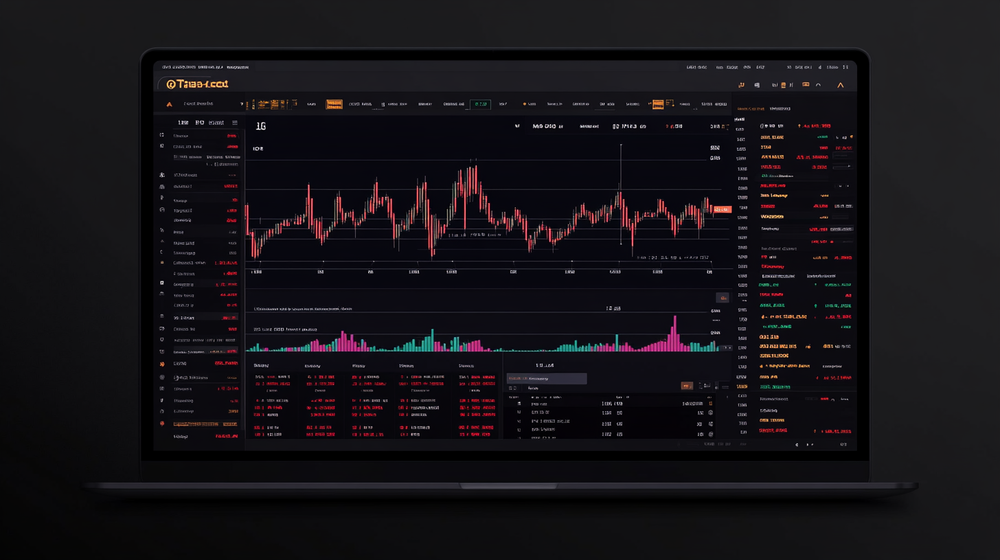
The typical Fortef Rendof-style stack is a proprietary WebTrader with basic-to-mid charting and a companion iOS/Android app. Expect standard chart timeframes, common indicators, and drawing tools that cover routine technical work, but not the plugin ecosystem you get with MT4/MT5 or the workflow customization of cTrader. Order entry is usually straightforward (market and pending orders, stop-loss/take-profit), while advanced routing controls or depth-of-market views are limited. Account dashboards in this segment focus on deposits/withdrawals, margin level, and open positions—functional, but not always transparent about execution model and slippage behavior compared with competitors to Fortef Rendof that publish more detail.
Trading Fees, Spreads, and Account Types at Fortef Rendof
Cost-wise, offshore CFD venues commonly run a spread-first model. A reasonable expectation for a standard tier is EUR/USD “from ~2.0 pips,” with wider pricing during rollovers and news. Some brokers in this bracket also advertise a raw/ECN-style tier (often 0.0–0.4 pips) but add a commission—typically around $6–$8 per round turn—so the true comparison is the all-in cost. Swap/overnight financing matters if you hold CFDs past the session; it can quietly dominate P&L for carry-unfriendly instruments. Fees like inactivity charges or withdrawal processing costs vary by payment rail, so read the schedule carefully before treating any number as fixed.
When Do Traders Start Looking for Fortef Rendof Alternatives?
Regulation is usually the first crack in the dam. Once a trader asks, “Which regulator can I complain to, and what protections exist if the broker fails?” the search for Fortef Rendof alternatives becomes very practical. The second push is strategy-fit: scalpers, algorithmic traders, and anyone sensitive to execution quality tend to outgrow proprietary WebTraders quickly. Finally, asset coverage matters—many platforms like Fortef Rendof keep you in CFDs, while some traders want real shares/ETFs, options, or exchange-traded futures (especially when hedging is the point, not gambling on leverage).
- You want a broker supervised by the FCA/ASIC/CySEC/NFA rather than an offshore framework, especially if you’re depositing meaningful size.
- Your approach relies on MT4/MT5 EAs, cTrader automation, or API workflows that a proprietary WebTrader can’t replicate.
- You’re paying more than you expected once you add spread + commission + swap—particularly if EUR/USD is hovering around ~2.0 pips on the account you’re offered.
- You need real stocks/ETFs or futures access (exchange-traded), not just stock-index exposure via CFDs.
How to Choose a Reliable Alternative to the Fortef Rendof Trading Platform
Think like a risk manager, not a coupon hunter. The right substitute for an offshore CFD venue depends on what you trade, how often you trade, and what failure modes you can’t tolerate (pricing disputes, withdrawal friction, platform outages). For alternatives to the Fortef Rendof trading platform, I evaluate safety first, then execution and costs, and only then the user interface.
Regulation, Safety, and Investor Protection
Start with the regulator’s public register: FCA, ASIC, CySEC, or NFA are not “badges,” they’re enforcement frameworks. In the UK, the FSCS can provide compensation up to £85,000 in certain cases; in Cyprus, the ICF coverage is typically up to €20,000—details and eligibility matter. Look for segregated client funds policies, negative balance protection where applicable, and clear disclosures around CFDs and margin calls. If a broker can’t be found on the regulator’s register, treat that as a loud signal, not a footnote.
Available Markets and Instruments
Match the product shelf to your plan. FX and index CFDs may be enough for short-horizon traders, but investors who want dividends, shareholder rights, and clean tax documents usually need real stocks/ETFs, not CFDs on them. Options and exchange-traded futures are a different tier again—useful for defined-risk structures and hedging. Crypto exposure is its own split: CFD exposure is not on-chain ownership, and it won’t satisfy someone who actually wants to hold keys.
Trading Costs: Spreads, Commissions, and Other Fees
Spreads are only one line item. The clean way to compare brokers similar to Fortef Rendof is round-turn cost: spread (in pips) converted to money + commissions + any expected slippage at your typical trade time. Add swap/overnight financing if you hold past rollover, because swaps can dwarf a tight entry spread over days. Also scan for inactivity fees and withdrawal charges—small frictions become real costs when you scale.
Platforms, Tools, and Execution Quality
Platform choice isn’t aesthetics; it’s capabilities. MT4/MT5 support a huge ecosystem of indicators and automated strategies, while cTrader is often preferred for depth-of-market views and a modern execution workflow. Proprietary platforms range from decent to restrictive; the key is whether execution details are transparent. Ask which execution model is used (market maker vs STP/ECN/DMA), how orders are handled in fast markets, and whether slippage is symmetrical. If you’re moving away from Fortef Rendof, this is where many traders feel the biggest day-to-day difference.
Support, Education, and Overall User Experience
Support quality shows up when something goes wrong: margin, withdrawals, platform errors, or corporate actions on CFDs. Check support hours for your time zone, the languages offered, and whether responses arrive in minutes or days. Good education is less about “academy content” and more about clear product disclosures and margin explanations. Finally, mobile parity matters if you manage risk on the go; a stable app with reliable alerts can be the difference between a controlled stop and a forced liquidation.
Fortef Rendof and Different Asset Classes: When Alternatives May Be Better
Fortef Rendof Forex and CFD Trading
Fortef Rendof-type offerings usually center on ~30–50 FX pairs plus a standard CFD lineup (indices, metals, energy). The headline appeal is often leverage—commonly up to 1:500—but leverage is not edge; it’s amplification. For active FX traders, the practical comparison is execution and all-in costs. A standard spread around ~2.0 pips on EUR/USD can be expensive for frequent entries; a regulated FX specialist like Pepperstone or IC Markets often provides tighter pricing on raw-style accounts (with commissions) and broader platform choice (MT4/MT5/cTrader) for automation and better workflow. Another difference is disclosure discipline: regulated brokers tend to publish clearer risk warnings, order handling notes, and product governance, which matters when slippage spikes during news.
Fortef Rendof Stock and ETF Trading
If your goal is to own assets rather than rent price exposure, this is where many offshore CFD platforms fall short. Stock and ETF access, when available in this segment, is frequently delivered as CFDs—no shareholder rights, no voting, and dividend adjustments are broker-side bookkeeping. A multi-asset venue like Interactive Brokers (IBKR) is built for real shares/ETFs, options, and futures, with direct market access in many venues and serious reporting. Saxo also serves multi-asset traders who want a unified portfolio view across FX, equities, ETFs, and derivatives. For traders migrating from CFD-only environments, the key shift is mental: you can build positions without the constant margin-call treadmill, and you can hedge with options/futures instead of stacking leverage on CFDs.
Fortef Rendof Crypto Trading
Crypto on offshore CFD platforms is typically crypto CFDs: you speculate on price, you don’t withdraw coins, and you don’t hold keys. For a Bitcoin orthodox like me, that distinction is not academic. “21 million — and not a coin more,” yet a CFD is still a fiat-settled mirror of the thing, not the thing itself. If you still want regulated derivatives-style exposure, brokers like IG and Plus500 offer crypto CFDs in certain jurisdictions (eligibility varies), with clearer oversight than many offshore providers. That said, crypto CFDs remain leveraged products; gaps happen, weekend liquidity can be thin, and financing/spread costs can bite harder than FX. Decide whether you want trading exposure or actual ownership—then pick the venue accordingly.
Best Fortef Rendof Alternatives for 2026: Comparison of Top Trading Platforms
Interactive Brokers (IBKR): Key Facts and How It Compares to Fortef Rendof
Regulation: SEC/FINRA (US), FCA (UK), IIROC (Canada)
Markets: Stocks, ETFs, options, futures, bonds, FX (varies by entity), some CFDs outside the US
Fees: FX pricing is typically commission-based with tight effective spreads; stock/ETF commissions vary by market and tier
Platform: Trader Workstation (TWS), IBKR Desktop, web platform, mobile
Best For: Multi-asset traders who want real market access, not CFD-only exposure
Pepperstone: Key Facts and How It Compares to Fortef Rendof
Regulation: FCA (UK), ASIC (Australia), CySEC (Cyprus), DFSA (Dubai)
Markets: FX and CFDs (indices, commodities, some crypto CFDs depending on region)
Fees: Standard spreads commonly from ~1.0 pip; Raw/Razor-style pricing can run ~0.0–0.3 pips + commission (often about $7 round turn)
Platform: MT4, MT5, cTrader, TradingView integration in some regions
Best For: Execution-focused FX traders and system users (MT4/MT5/cTrader)
Saxo Bank: Key Facts and How It Compares to Fortef Rendof
Regulation: FCA (UK), MAS (Singapore), DFSA (Dubai)
Markets: Stocks, ETFs, bonds, options, futures, FX, CFDs
Fees: Pricing is tiered by account level; FX spreads are often competitive for larger accounts, with commissions/fees depending on product and venue
Platform: SaxoTraderGO, SaxoTraderPRO
Best For: Portfolio-style traders mixing FX with equities, options, and futures
IG: Key Facts and How It Compares to Fortef Rendof
Regulation: FCA (UK), ASIC (Australia), MAS (Singapore)
Markets: CFDs (FX, indices, commodities, shares), some crypto CFDs where permitted; spread betting in the UK/IE
Fees: Spread-based pricing; major FX pairs often from ~0.6–1.0 pips depending on market conditions and product
Platform: IG web platform, mobile, MT4 (in certain regions)
Best For: Broad CFD coverage with a long-standing regulatory footprint
IC Markets: Key Facts and How It Compares to Fortef Rendof
Regulation: ASIC (Australia), CySEC (Cyprus), FSA Seychelles (group-level)
Markets: FX and CFDs (indices, commodities, some crypto CFDs depending on entity)
Fees: Raw spreads can be near ~0.0–0.3 pips on EUR/USD plus commission (commonly around $7 per round turn); standard accounts typically wider
Platform: MT4, MT5, cTrader
Best For: High-frequency traders who care about spreads, latency, and platform choice
Plus500: Key Facts and How It Compares to Fortef Rendof
Regulation: FCA (UK), CySEC (Cyprus), ASIC (Australia), MAS (Singapore)
Markets: CFDs on FX, indices, commodities, shares; crypto CFDs where allowed
Fees: Spread-based; costs vary by instrument and volatility, with overnight funding typical for CFD positions
Platform: Plus500 WebTrader, mobile apps
Best For: Beginners who want a simple CFD interface under recognized regulators
Comparison Summary
| Platform | Regulation | Main Markets | Typical Costs | Best For |
|---|---|---|---|---|
| Interactive Brokers (IBKR) | SEC/FINRA, FCA, IIROC | Real stocks/ETFs, options, futures, bonds, FX | Commission-based; tight effective FX pricing; stock/ETF fees vary by venue | Multi-asset traders who want real market access, not CFD-only exposure |
| Pepperstone | FCA, ASIC, CySEC, DFSA | FX + CFDs | Std ~1.0+ pip; Raw ~0.0–0.3 pip + ~$7 round turn | Execution-focused FX traders and system users (MT4/MT5/cTrader) |
| Saxo Bank | FCA, MAS, DFSA | Stocks/ETFs, options, futures, FX, CFDs | Tiered pricing; competitive for larger accounts; product fees vary | Portfolio-style traders mixing FX with equities, options, and futures |
| IG | FCA, ASIC, MAS | CFDs across FX/indices/commodities/shares | Spread-based; majors often ~0.6–1.0+ pips (conditions apply) | Broad CFD coverage with a long-standing regulatory footprint |
| IC Markets | ASIC, CySEC, FSA Seychelles (group-level) | FX + CFDs | Raw ~0.0–0.3 pip + ~$7 round turn; standard wider | High-frequency traders who care about spreads, latency, and platform choice |
| Plus500 | FCA, CySEC, ASIC, MAS | CFDs on FX/indices/commodities/shares | Spread + overnight funding; varies by instrument/volatility | Beginners who want a simple CFD interface under recognized regulators |
How to Safely Move from Fortef Rendof to Another Broker
Switching brokers is less about convenience and more about controlling operational risk. Treat the move like you’d treat a strategy change: verify claims, reduce exposure during the transition, and keep records clean. Losses can compound fast when leverage is involved, so avoid “all-in” transfers or trading while accounts are half-configured.
- Confirm the new broker’s authorization by searching the official register (FCA Register, ASIC Connect, CySEC directory, or NFA BASIC) and matching the legal entity name, not just the brand.
- Open the new account and complete KYC/AML early (ID + proof of address), so you’re not forced to trade from the old platform while waiting on verification.
- Flatten risk before you migrate: close open CFD positions and cancel pending orders rather than assuming they can be transferred between firms.
- Withdraw funds from Fortef Rendof using the same rail you used to deposit when possible; payment providers and brokers often enforce “return-to-source” rules under AML policies.
- Download and archive statements, confirmations, and full trade history for taxes and dispute resolution—screenshots are weak; exports are better.
- Fund the new broker with a small test deposit first and place a few low-size trades to check spreads, slippage, swaps, and platform stability before scaling up.
- If you use automation (EAs, scripts, APIs), rebuild and re-test settings in the new environment; even small differences in symbol specs and margin rules can break systems.
Ready to Explore Fortef Rendof?
If you’re comparing competitors to Fortef Rendof, it can help to review the current onboarding flow, supported regions, and fee schedule directly, then benchmark it against regulated platforms in this guide. Check platform tools and withdrawal policies before committing meaningful capital.
FAQ: Fortef Rendof Alternatives and Trading Platforms
What is the best alternative to Fortef Rendof in 2026?
The best alternative depends on whether you want CFDs-only trading or true multi-asset access. For real stocks/ETFs plus derivatives, Interactive Brokers (IBKR) is hard to beat; for FX/CFD execution with MT4/MT5/cTrader, Pepperstone and IC Markets are common picks. Traders who prefer a simpler regulated CFD interface often look at Plus500, while IG fits those who want broad CFD coverage with a long regulatory track record.
Is Fortef Rendof a safe broker/platform?
Fortef Rendof appears to operate under an offshore-style framework (commonly associated with jurisdictions such as the Seychelles FSA), which typically offers fewer formal protections than FCA/ASIC/CySEC/NFA oversight. That does not automatically mean “fraud,” but it does change your risk profile: dispute resolution, enforcement, and compensation coverage may be limited. If safety is your priority, regulated options vs Fortef Rendof are usually the more defensible choice for larger balances.
Can I trade stocks, futures, or crypto with Fortef Rendof?
With brokers in the Fortef Rendof category, stocks and ETFs are often offered as CFDs (if offered at all), and exchange-traded futures are typically not part of the lineup. Crypto exposure is commonly via crypto CFDs—price speculation rather than on-chain ownership. If you need real stocks/ETFs or listed futures, brokers like IBKR or Saxo are more suitable; if you want regulated crypto CFDs, IG or Plus500 may offer them depending on your region.
What should I check before switching from Fortef Rendof to another platform?
Before switching, verify the new broker’s license on the regulator’s register, confirm your country eligibility, and read the margin/negative-balance and withdrawal policies. Export your trade history and statements, then close positions instead of expecting transfers. Finally, test execution with small size first—spread, swap, and slippage behavior are where “Fortef Rendof trading platform alternatives 2026” differ in real money terms.
About the Author: Kenji Tanaka is a Tokyo-based financial journalist and experienced trader with a background in cryptography studies at the University of Tokyo (incomplete). I’m Bitcoin-orthodox—banks and fiat don’t get my trust by default—so I look for clear rules, verifiable oversight, and transparent execution. “21 million — and not a coin more.”