
Foudre Rendivo Trading Platform Alternatives 2026
Foudre Rendivo Trading Platform Alternatives 2026: Reliable Options for Online Traders
Leverage is a blade. In the right hands it cuts spreads and time; in the wrong hands it cuts accounts. That’s why this “Foudre Rendivo trading platform alternatives 2026” guide is built around one question: where can a trader get cleaner execution, clearer rules, and fewer surprises than an offshore CFD setup? Foudre Rendivo sits in a familiar category—Forex/CFD-first, WebTrader-centric, and typically marketed with high maximum leverage (commonly around 1:500), a relatively modest minimum deposit (often about $250), and headline spreads that tend to land near ~2.0 pips on EUR/USD on a standard-style account. In that segment you’ll also see crypto CFDs, indices, and a small menu of commodities.
Some traders are fine with that. Others aren’t—especially US/EU readers who care about regulator oversight, segregated client funds, and the practical reality of withdrawals and dispute resolution. The goal here isn’t to moralize. It’s to map out Foudre Rendivo alternatives that better match real-world needs: tighter all-in trading costs (spread plus commission), more robust platforms (MT4/MT5/cTrader or advanced proprietary stacks), and a compliance framework that doesn’t vanish the moment something goes wrong.
And yes, I’m a Bitcoin orthodox from Tokyo. I don’t worship banks or fiat. But I also don’t confuse “anti-bank” with “anti-protection.” Your capital deserves adult guardrails.
Disclaimer: This article is for informational purposes only and does not constitute investment advice. CFDs and other leveraged products carry a high risk of loss and are not suitable for every investor.
Key Takeaways (TL;DR)
- For US/EU traders, regulated brokers (FCA/ASIC/CySEC/NFA) usually offer stronger client-fund handling and clearer complaint routes than offshore CFD providers.
- Compare total cost per round-turn trade: a “0.0 pip” raw spread plus commission can be cheaper than a ~2.0 pip all-in spread—depending on your volume and holding time.
- Crypto on many CFD platforms is price exposure only; if you want actual coins, you’ll need a separate on-chain exchange/wallet stack.
What Is Foudre Rendivo and How Does Its Trading Platform Work?
From a trader’s-eye view, Foudre Rendivo looks like an offshore or lightly supervised CFD venue—commonly structured under a jurisdiction such as the Seychelles (often referenced via a local financial services authority). The product focus is usually Forex and CFDs rather than true multi-asset investing, which means you’re mainly trading leveraged contracts on FX pairs, indices, commodities, and sometimes crypto. That setup can appeal to short-term speculators who want higher leverage (often up to about 1:500) and a simple web interface, but it also concentrates risk: counterparty dependence, policy changes, and limited recourse compared with FCA/NFA-style frameworks.
Foudre Rendivo Web Trading Platform: Core Features and Tools
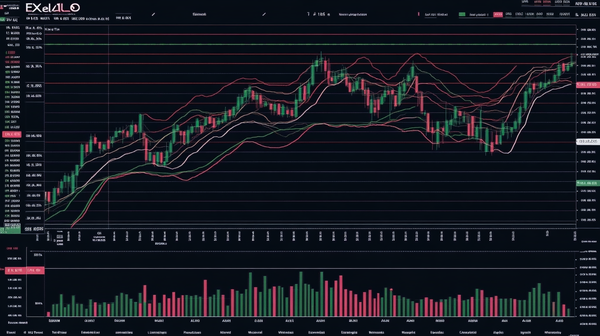
The typical experience is a proprietary WebTrader with basic-to-mid charting rather than a full professional terminal. Expect standard indicators, drawing tools, and timeframes that cover most retail workflows, plus one-click trading and an account dashboard for margin, equity, and open positions. Order types are usually the essentials (market, limit, stop), with fewer advanced routing controls than platforms built for DMA or institutional-style execution. A companion iOS/Android app tends to mirror the core functions—useful for monitoring and managing risk on the move, but not always ideal for deep analysis or automation. This profile matches many platforms like Foudre Rendivo: quick to start, harder to scale into systematic trading.
Trading Fees, Spreads, and Account Types at Foudre Rendivo
Cost-wise, the offshore CFD segment commonly prices EUR/USD around ~2.0 pips on a standard-style account, with higher leverage presented as the headline feature. Some brokers in this category advertise “raw” pricing—think ~0.0–0.4 pips—then add commissions in the neighborhood of $6–$8 per round-turn, which can be competitive for frequent traders if execution is stable. Beyond spreads and commissions, watch swap/overnight financing (especially on indices and crypto CFDs), plus possible non-trading charges like inactivity or withdrawals depending on payment rails. If your strategy lives on small edges, these line items matter more than marketing.
When Do Traders Start Looking for Foudre Rendivo Alternatives?
Regulation is usually the first crack. Once you’ve had a taste of strict oversight—public regulator registers, client-money rules, negative balance protection in some regions—it’s hard to unsee the difference. That’s why many traders end up hunting for Foudre Rendivo alternatives after a single “wait, who exactly supervises this broker?” moment. The next push often comes from execution: slippage around news, stop behavior, and whether fills feel like an STP/ECN pipeline or a dealer’s internal book. None of this guarantees profits, but it can reduce the number of ways you lose for reasons unrelated to your strategy.
- You need MT4/MT5 or cTrader for automation (EAs, custom indicators, advanced order controls) and the proprietary WebTrader can’t support your workflow.
- Your trading log shows spreads widening beyond what your system tolerates (for example, EUR/USD hovering near ~2.0 pips when you expected materially tighter).
- Withdrawal steps feel unpredictable—extra documentation loops, changing minimums, or payment-method friction that slows access to your own funds.
- You want real stocks/ETFs (ownership) instead of stock CFDs, because you care about long-term exposure rather than leveraged short-term contracts.
How to Choose a Reliable Alternative to the Foudre Rendivo Trading Platform
Pick a broker the way you size a position: start with risk limits, then work outward. For alternatives to the Foudre Rendivo trading platform, the “best” choice is rarely a single brand—it's the one whose regulation, costs, and platform stack match your strategy and your jurisdiction.
Regulation, Safety, and Investor Protection
In the US/EU orbit, names like the FCA (UK), ASIC (Australia), CySEC (Cyprus/EU), and the NFA/CFTC (US) are not decoration; they enforce rules around disclosures, capital requirements, and client-money handling. Where applicable, investor compensation schemes can matter: the UK’s FSCS can cover eligible clients up to £85,000, and Cyprus’ ICF can cover up to €20,000 (eligibility varies). Also look for segregated client funds policies and whether negative balance protection is provided for retail accounts in your region.
Available Markets and Instruments
Ask what you actually need to trade: FX and indices for macro? Single-stock risk for earnings? Options for defined risk? Many brokers similar to Foudre Rendivo are CFD-heavy—fine for short-term trading, weaker for “owning” assets. Multi-asset firms (like IBKR or Saxo) can provide access to real stocks/ETFs and, in some cases, futures and options. If your plan involves diversification beyond CFDs, don’t accept “stocks” as a label—verify whether it’s spot ownership or just a contract.
Trading Costs: Spreads, Commissions, and Other Fees
Spreads are the visible tax; commissions are the explicit tax; swaps are the quiet tax. Compare brokers using an all-in, round-turn cost perspective, especially if you trade size. A raw account with ~0.1–0.3 pips plus a fixed commission can beat a ~1.0–2.0 pip spread model at the same volume, but only if execution quality is consistent. Factor in overnight financing, data fees (for advanced market data), and inactivity charges if you trade sporadically.
Platforms, Tools, and Execution Quality
Platform choice is not cosmetic. MT4/MT5 and cTrader enable automation, strategy testing, and a mature ecosystem of tools, while proprietary platforms range from excellent to restrictive. Execution model matters too: market maker setups can be fine, but you should understand how pricing is formed; STP/ECN/DMA routing can reduce conflicts but doesn’t eliminate slippage. If you’re coming from Foudre Rendivo, test whether the alternative’s fills, latency, and stop behavior match your assumptions before scaling up.
Support, Education, and Overall User Experience
Support is part of risk control: fast responses during funding, platform outages, or corporate actions can save real money. Check service hours (24/5 vs extended), language coverage for US/EU users, and whether the broker offers serious education—margin mechanics, order types, and platform guides—not just superficial “market news.” Mobile parity matters as well; if the app can’t manage orders reliably, your risk management breaks the moment you’re away from the desk.
Foudre Rendivo and Different Asset Classes: When Alternatives May Be Better
Foudre Rendivo Forex and CFD Trading
For FX and index CFDs, the key comparison is not maximum leverage; it’s the repeatability of your edge under real trading conditions. Offshore CFD venues often advertise leverage up to ~1:500 and a broad-ish list (roughly 30–50 FX pairs, a dozen indices, and a handful of commodities), with EUR/USD around ~2.0 pips on a standard-style setup. Regulated substitutes for Foudre Rendivo can be meaningfully stronger on cost and tools: Pepperstone and IC Markets are widely used by active FX traders because they pair MT4/MT5/cTrader with raw-style pricing (spreads often near zero plus a transparent commission), which is easier to model in a trading journal. If your strategy is sensitive to slippage (news scalps, tight stops), execution transparency and consistent liquidity matter more than a big leverage number.
Foudre Rendivo Stock and ETF Trading
Here’s the uncomfortable truth: many CFD-first brokers label “stocks” but deliver stock CFDs—no shareholder rights, no voting, no direct market access, and financing costs that make long holds expensive. If you want actual stocks/ETFs for portfolio building, you’ll likely be happier with Interactive Brokers or Saxo Bank. Both are built for multi-asset access rather than only leveraged contracts, and they tend to offer broader product depth (equities, ETFs, options, futures, bonds) depending on region. This is where Foudre Rendivo alternatives stop being about “better spreads” and become about a different financial primitive: ownership vs. a derivative. If you hate fiat like I do, at least be honest about what you’re holding.
Foudre Rendivo Crypto Trading
Crypto on CFD platforms is typically price exposure—no on-chain withdrawal, no self-custody, no “not your keys” reality. Offshore providers often list 10–30 crypto CFDs and market them as simple 24/7 speculation, but that simplicity hides two risks: leverage magnifies volatility, and weekend liquidity can widen spreads dramatically. Among regulated options vs Foudre Rendivo, IG and Plus500 are examples of CFD brokers that may offer crypto CFDs in certain jurisdictions, with clearer disclosures and retail protections depending on region. If your goal is to own bitcoin itself, none of these are a substitute for a real wallet; “21 million — and not a coin more” doesn’t live inside a CFD ticket.
Best Foudre Rendivo Alternatives for 2026: Comparison of Top Trading Platforms
Interactive Brokers (IBKR): Key Facts and How It Compares to Foudre Rendivo
Regulation: SEC/FINRA (US), FCA (UK), IIROC (Canada) (entity depends on your residency)
Markets: Stocks, ETFs, options, futures, bonds, FX (and more, region-dependent)
Fees: Varies by product; FX is typically tight for active traders, while equities pricing depends on venue/plan; non-trading fees tend to be transparent
Platform: Trader Workstation (TWS), IBKR mobile/web
Best For: Serious multi-asset traders who want real market access
Pepperstone: Key Facts and How It Compares to Foudre Rendivo
Regulation: FCA, ASIC, CySEC, DFSA (entity varies by region)
Markets: FX and CFDs (indices, commodities, some crypto CFDs where permitted)
Fees: Standard spreads often around ~1.0+ pip; raw-style accounts commonly ~0.0–0.3 pips plus commission (approx. $6–$8 round-turn)
Platform: MT4, MT5, cTrader (plus supported tools depending on region)
Best For: Cost-focused FX traders running systematic or scalping strategies
Saxo Bank: Key Facts and How It Compares to Foudre Rendivo
Regulation: FCA, MAS, DFSA (availability depends on country)
Markets: Stocks, ETFs, bonds, FX, options, futures, CFDs (product set varies by entity)
Fees: Pricing depends on tier and product; FX spreads can be competitive, with clearer schedule-based costs on many instruments
Platform: SaxoTraderGO, SaxoTraderPRO
Best For: Portfolio builders who trade across asset classes with robust research tools
IG: Key Facts and How It Compares to Foudre Rendivo
Regulation: FCA, ASIC, MAS (entity depends on residency)
Markets: CFDs (FX, indices, commodities, shares CFDs), spread betting (UK/IE), some crypto CFDs where allowed
Fees: Typically spread-based; costs vary by market and volatility, with overnight financing on leveraged positions
Platform: IG web platform, mobile apps (MT4 available in some regions)
Best For: Risk-managed CFD trading with a long-standing regulated brand
OANDA: Key Facts and How It Compares to Foudre Rendivo
Regulation: CFTC/NFA (US), FCA (UK), ASIC (AU), IIROC (Canada) (entity depends on location)
Markets: FX (and CFDs in certain regions), with broker-specific product differences by country
Fees: Commonly spread-based pricing; effective costs depend on pair and session, with financing on held positions
Platform: OANDA web/mobile, MT4 (availability varies)
Best For: US-eligible FX traders who prioritize regulatory clarity
CMC Markets: Key Facts and How It Compares to Foudre Rendivo
Regulation: FCA, ASIC, BaFin (entity varies)
Markets: CFDs (FX, indices, commodities, shares CFDs), wide instrument coverage in many regions
Fees: Primarily spread-based; FX pricing can be competitive, with overnight financing and market-specific charges
Platform: Next Generation platform, mobile apps (MT4 available in some regions)
Best For: Active discretionary traders who want deep charting in a proprietary platform
Comparison Summary
| Platform | Regulation | Main Markets | Typical Costs | Best For |
|---|---|---|---|---|
| Interactive Brokers (IBKR) | SEC/FINRA, FCA, IIROC | Real stocks/ETFs, options, futures, bonds, FX | Product-dependent; generally competitive for active traders; transparent schedules | Serious multi-asset traders who want real market access |
| Pepperstone | FCA, ASIC, CySEC, DFSA | FX + CFDs | Raw ~0.0–0.3 pips + ~$6–$8 RT; Standard often ~1.0+ pip | Cost-focused FX traders running systematic or scalping strategies |
| Saxo Bank | FCA, MAS, DFSA | Stocks/ETFs, options, futures, FX, CFDs | Tier/product-based; competitive FX; schedule-driven pricing | Portfolio builders who trade across asset classes with robust research tools |
| IG | FCA, ASIC, MAS | CFDs; spread betting (UK/IE) | Mostly spread-based; financing on leveraged holds | Risk-managed CFD trading with a long-standing regulated brand |
| OANDA | CFTC/NFA, FCA, ASIC, IIROC | FX (plus CFDs in some regions) | Typically spread-based; pair/session dependent | US-eligible FX traders who prioritize regulatory clarity |
| CMC Markets | FCA, ASIC, BaFin | CFDs across FX/indices/commodities/shares | Spread-based with market-specific charges; financing on holds | Active discretionary traders who want deep charting in a proprietary platform |
How to Safely Move from Foudre Rendivo to Another Broker
Switching brokers is operational risk, not just paperwork. Treat it like changing a core dependency in a trading system: verify first, migrate in stages, then scale. If you’re moving away from Foudre Rendivo, remember that leveraged CFDs can swing fast—so avoid making the transition while you’re overexposed or trading emotionally.
- Confirm the new broker’s regulator and exact legal entity using the public register (FCA Register, ASIC Connect, CySEC register, or NFA BASIC for US).
- Open the new account and complete KYC/AML early (government ID plus proof of address), so you’re not forced into rushed decisions during withdrawal.
- Flatten exposure on the old account before migrating—close or reduce positions rather than assuming any broker-to-broker transfer is possible.
- Request withdrawals using the same funding method you deposited with whenever possible; many brokers enforce this to satisfy anti-money-laundering rules.
- Export statements, trade history, and funding records for tax and dispute documentation before anything is deactivated.
- Start on the new platform with a small deposit and a few low-size trades to test spreads, slippage, and margin behavior under real conditions.
Ready to Explore Foudre Rendivo?
If you’re comparing brokers side by side, review onboarding steps, regional eligibility, and the platform stack before you commit capital. Conditions can change, so check current fees, leverage limits, and withdrawal options in your jurisdiction and match them to your strategy’s risk budget.
FAQ: Foudre Rendivo Alternatives and Trading Platforms
What is the best alternative to Foudre Rendivo in 2026?
The best alternative depends on whether you want true multi-asset access or mainly FX/CFDs. For real stocks/ETFs and broad market reach, Interactive Brokers or Saxo Bank are strong picks; for FX pricing and MT4/MT5/cTrader workflows, Pepperstone is often a better fit than many Foudre Rendivo alternatives in the offshore category.
Is Foudre Rendivo a safe broker/platform?
Foudre Rendivo appears to operate in an offshore/unregulated-style framework (commonly associated with jurisdictions such as the Seychelles), which generally means fewer investor-protection layers than FCA/NFA-regulated firms. That doesn’t automatically imply fraud, but it does change your risk profile around client-money safeguards, complaint handling, and enforcement. If safety is your priority, compare regulated options vs Foudre Rendivo and verify the exact legal entity on the regulator’s register.
Can I trade stocks, futures, or crypto with Foudre Rendivo?
With brokers in this segment, stocks and crypto are commonly offered as CFDs rather than true ownership, and futures are often not provided as exchange-traded products. Foudre Rendivo typically aligns with FX and CFDs, plus crypto CFDs, rather than a full futures/options lineup. If you need real equities, options, or futures, Interactive Brokers and Saxo Bank are usually more suitable competitors to Foudre Rendivo.
What should I check before switching from Foudre Rendivo to another platform?
Before switching, verify regulation (FCA/ASIC/CySEC/NFA) and confirm the broker’s legal entity, then test execution and total trading costs on small size. Also review funding/withdrawal rules, negative balance protection where relevant, and whether the platform supports your tools (MT4/MT5/cTrader vs proprietary). Finally, download your statements and close exposure so the move doesn’t collide with a margin call.
About the Author: Kenji Tanaka is a Tokyo-based financial journalist and experienced trader with a background in cryptography studies. I’m Bitcoin-orthodox—“21 million — and not a coin more”—and I distrust fiat incentives, which is exactly why I focus on execution details, regulation, and the boring mechanics that decide whether traders get treated fairly.