
Gallegos Calminda Alternatives 2026: Safer Broker Options
Gallegos Calminda Trading Platform Alternatives 2026: Reliable Options for Online Traders
Leverage can feel like a cheat code—until the margin call hits and you learn what “forced liquidation” means in real time. That’s the environment where offshore CFD platforms thrive: fast onboarding, big numbers (1:500 leverage), and a WebTrader that looks modern enough to lull you into thinking you’re getting institutional-grade execution. Based on what is commonly seen with offshore providers operating under frameworks such as the Seychelles FSA, Gallegos Calminda appears positioned as a forex/CFD-first broker with a proprietary WebTrader plus mobile apps, a minimum deposit around $250, and typical EUR/USD spreads around 2.0 pips on a standard-style account.
For a global audience—especially US/EU readers who care about legal protections—those details matter more than the marketing. High leverage multiplies outcomes, yes, but it also magnifies slippage, swap/overnight fees, and small platform flaws into real losses. If you’re searching for Gallegos Calminda because you saw a promo or were referred by a friend, pause and treat this as an operational risk decision, not a “which chart looks nicer” decision. The point of this guide is to map credible Gallegos Calminda alternatives and explain which regulated substitutes fit different strategies in 2026.
Disclaimer: This article is for informational purposes only and does not constitute investment advice. CFDs and other leveraged products carry a high risk of loss and may not be suitable for all investors.
Key Takeaways (TL;DR)
- Offshore-style CFD brokers commonly offer ~1:500 leverage and ~2.0 pip EUR/USD spreads, but that convenience can come with weaker investor protections than FCA/ASIC/CySEC/NFA-regulated venues.
- Cost comparisons should be made using round-turn trading cost (spread + commission) plus swap/overnight fees, not just headline “tight spreads” or leverage limits.
- If you want real stocks/ETFs (not CFDs), start with a multi-asset broker like Interactive Brokers or Saxo Bank rather than a CFD-only platform.
What Is Gallegos Calminda and How Does Its Trading Platform Work?
From a trader’s-seat perspective, Gallegos Calminda fits the familiar offshore CFD template: access to forex pairs, indices, commodities, and crypto CFDs through a proprietary WebTrader, with an account setup flow that tends to be lighter than strict, bank-like brokers. Publicly observed offerings in this category often include roughly 30–50 FX pairs, around 8–15 indices, 5–10 commodities, and 10–30 crypto CFD markets, with maximum leverage frequently marketed near 1:500. The tradeoff is structural: you’re typically dealing with a CFD venue that may run a market-maker or hybrid execution model, where pricing and fills are dependent on the broker’s internal routing rather than true exchange access.
Gallegos Calminda Web Trading Platform: Core Features and Tools
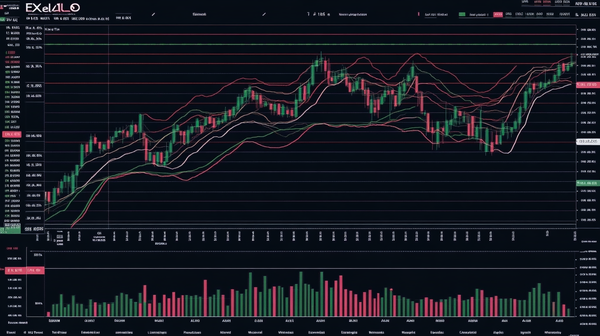
Start with the interface. A basic-to-mid WebTrader usually covers the essentials: multi-timeframe charts, a standard library of indicators, and drawing tools for lines/zones—enough for discretionary FX and index CFD trading. Order entry often supports market, limit, and stop orders, sometimes with take-profit/stop-loss brackets attached. The mobile apps tend to mirror the WebTrader’s core functions, but advanced workflow features (hotkeys, depth-of-market, robust alerts, strategy backtesting) are typically thinner than what you get on MT4/MT5 or cTrader. Execution “feels fast” for small ticket sizes, yet during news releases the real test is slippage and requotes, not UI responsiveness.
Trading Fees, Spreads, and Account Types at Gallegos Calminda
Fees are where most platforms like Gallegos Calminda quietly take their edge. A typical standard-style account in this segment often shows EUR/USD spreads around 2.0 pips, while a raw/ECN-style tier (if offered) may advertise 0.0–0.4 pips plus a round-turn commission in the neighborhood of $5–$8 per lot. Beyond spreads, watch the non-obvious line items: swap/overnight financing on leveraged CFDs, possible withdrawal charges, and inactivity policies that can bite long-term holders. If your strategy trades frequently, the spread and commission dominate; if you hold positions for weeks, swap becomes the silent killer.
When Do Traders Start Looking for Gallegos Calminda Alternatives?
Risk tolerance changes when real money leaves your account. That’s usually the moment traders begin scanning Gallegos Calminda alternatives, not because they suddenly became “picky,” but because withdrawal friction, unclear execution conditions, or thin platform tooling becomes expensive. Offshore leverage (1:500) can make a small account feel powerful, yet it also compresses your margin for error—one spike, one widened spread, and you’re out. In practice, switching is less about chasing a shinier dashboard and more about choosing a venue where rules, dispute channels, and client money handling are more predictable.
- You need MT4/MT5 or cTrader for automated systems (EAs), custom indicators, or granular order controls that proprietary WebTraders often lack.
- Your fills degrade around macro events and you suspect slippage or execution quality is not aligned with your strategy’s risk model.
- You want investor-protection scaffolding (segregated client funds, clearer complaints process, compensation schemes) rather than relying on an offshore framework.
- You’ve outgrown CFD-only exposure and want real stocks/ETFs with proper market access and reporting.
How to Choose a Reliable Alternative to the Gallegos Calminda Trading Platform
Think like an engineer: define failure modes first, then pick the system that limits damage. Alternatives to the Gallegos Calminda trading platform shouldn’t be selected by bonuses, influencer reviews, or a single “from 0.0 pips” banner. Match the broker to your strategy, your jurisdiction, and your capital-protection needs—then stress-test the choice with small size before scaling.
Regulation, Safety, and Investor Protection
Regulation is boring until it saves you. FCA (UK), ASIC (Australia), CySEC (EU), and NFA/CFTC (US) frameworks generally impose stricter rules on marketing, disclosures, and client-money handling. In the UK, FCA-regulated firms can fall under FSCS protection (up to £85,000 in eligible cases); in Cyprus, the ICF can cover up to €20,000 for eligible clients. Look for segregated client funds, negative balance protection where applicable, and a clear legal entity name that matches the regulator’s public register.
Available Markets and Instruments
Asset access is where “brokers similar to Gallegos Calminda” often diverge sharply. If you only need major FX pairs and index CFDs, an FX/CFD specialist may be fine. If you want to own equities (not synthetic exposure), you need a multi-asset broker with real stocks/ETFs, and possibly options/futures. Crypto is its own category: CFDs give price exposure, but no on-chain withdrawal, no self-custody, and no “not your keys” reality check.
Trading Costs: Spreads, Commissions, and Other Fees
Measure what you actually pay per round turn. Spreads are quoted in pips; commissions are often per lot; swap/overnight fees are daily and compound over time. A raw account with 0.1–0.3 pip spreads plus $6–$7 round-turn commission can beat a 1.2–1.6 pip all-in spread—especially at higher volume. Also scan for inactivity fees, deposit/withdrawal fees, and currency-conversion charges if your base currency doesn’t match your funding method.
Platforms, Tools, and Execution Quality
Tooling shapes behavior. MT4/MT5 and cTrader support algorithmic workflows, VPS hosting, and deeper order controls; proprietary platforms vary wildly. Execution model matters too: market maker vs STP/ECN/DMA changes how orders are filled and how slippage shows up during volatility. If you’re comparing regulated options vs Gallegos Calminda, ask how orders are routed, whether there’s a dealing desk, and what happens to stop-loss orders in fast markets.
Support, Education, and Overall User Experience
Good support is less about friendly chat bubbles and more about resolving account friction quickly: KYC/AML verification, withdrawal timing, margin-call explanations, and platform incidents. Check service hours relative to US/EU sessions, language coverage, and the quality of educational material (risk controls, margin mechanics, product disclosures). Mobile parity matters for active traders—if alerts, position edits, and reporting are crippled on the app, you’ll eventually pay for that weakness.
Gallegos Calminda and Different Asset Classes: When Alternatives May Be Better
Gallegos Calminda Forex and CFD Trading
Forex and CFDs are the natural habitat here: think ~30–50 FX pairs, plus indices and commodities, with leverage commonly advertised near 1:500 and EUR/USD spreads around 2.0 pips on a standard-style tier. The competitive gap shows up in two places: execution transparency and total cost. A regulated FX/CFD specialist like Pepperstone or OANDA is built to publish clearer execution practices, offer robust risk tools, and provide platform choice (MT4/MT5/cTrader or proprietary). For active traders, shaving even 0.5–1.0 pip in effective spread over a month can dominate your P&L more than “extra” leverage ever will. If you scalp, latency and slippage behavior around liquid sessions matter more than a flashy WebTrader layout.
Gallegos Calminda Stock and ETF Trading
This is where many competitors to Gallegos Calminda split into two different worlds: synthetic CFDs versus real market ownership. Offshore CFD venues often provide stock exposure only as CFDs (no voting rights, no shareholder communications, no direct exchange routing). If you want real stocks and ETFs—with proper corporate actions handling and transparent reporting—Interactive Brokers (IBKR) is the obvious heavyweight, and Saxo Bank is a strong second for multi-asset access with a polished platform stack. For EU traders, the difference is practical: you can hold long-term positions, use options for hedging, and manage tax reporting more cleanly. “Stock CFD” can be useful for short-term speculation, but it is not the same instrument as owning the underlying security.
Gallegos Calminda Crypto Trading
Crypto on CFD platforms is usually crypto CFDs: you’re trading price exposure, not taking delivery. That means no withdrawals to a wallet, no self-custody, and no on-chain settlement—so from my Tokyo Bitcoin-orthodox perspective, it’s a paper mirror of the real thing. Still, some traders want crypto exposure inside a regulated wrapper, often for risk-limited speculation or hedging. IG offers crypto CFDs in certain jurisdictions, and Plus500 provides crypto CFD access in regions where it’s permitted (rules vary by country). If your goal is actual Bitcoin ownership, a broker account won’t replace cold storage. “21 million—and not a coin more” is a monetary property; CFDs are a contract, not the asset.
Best Gallegos Calminda Alternatives for 2026: Comparison of Top Trading Platforms
Interactive Brokers (IBKR): Key Facts and How It Compares to Gallegos Calminda
Regulation: SEC/FINRA (US), FCA (UK), IIROC (Canada) (entity depends on your region)
Markets: Stocks, ETFs, options, futures, FX, bonds, funds
Fees: FX spreads typically competitive; stocks/ETFs priced via commissions or tiered plans (varies by venue and volume)
Platform: Trader Workstation (TWS), IBKR Desktop, web platform, mobile app, APIs
Best For: Real multi-asset ownership and pro-grade tooling
Pepperstone: Key Facts and How It Compares to Gallegos Calminda
Regulation: FCA (UK), ASIC (Australia), CySEC (EU), DFSA (Dubai)
Markets: FX and CFDs (indices, commodities, some shares as CFDs)
Fees: EUR/USD often ~0.0–0.3 pips + ~$6–$7 round-turn (Raw); ~1.0–1.3 pips typical on Standard (varies)
Platform: MT4, MT5, cTrader, TradingView integration (availability depends on entity)
Best For: Low-spread FX/CFD execution for active traders
IG: Key Facts and How It Compares to Gallegos Calminda
Regulation: FCA (UK), ASIC (Australia), MAS (Singapore)
Markets: CFDs (indices, FX, commodities, shares), spread betting (UK), limited crypto CFDs in permitted regions
Fees: Spreads typically from ~0.6 pips on major FX pairs (varies by market/region); financing costs apply on CFDs
Platform: IG Trading Platform (web/mobile), MT4 (in certain regions)
Best For: Broad CFD market coverage with strong compliance culture
Saxo Bank: Key Facts and How It Compares to Gallegos Calminda
Regulation: FCA (UK), MAS (Singapore), DFSA (Dubai) (entity depends on your region)
Markets: Stocks, ETFs, options, futures, FX, bonds, CFDs
Fees: FX spreads commonly from ~0.6–1.0 pips depending on tier; commissions on stocks/options vary by exchange and plan
Platform: SaxoTraderGO, SaxoTraderPRO
Best For: Serious investors mixing FX with listed markets
OANDA: Key Facts and How It Compares to Gallegos Calminda
Regulation: CFTC/NFA (US), FCA (UK), ASIC (Australia), IIROC (Canada)
Markets: FX (and CFDs in certain jurisdictions), metals; product set varies by region
Fees: Pricing typically spread-based; majors often around ~0.8–1.6 pips depending on conditions and region
Platform: OANDA web/mobile platforms, MT4 (availability varies)
Best For: US-eligible FX traders who value transparency
Plus500: Key Facts and How It Compares to Gallegos Calminda
Regulation: FCA (UK), CySEC (EU), ASIC (Australia), MAS (Singapore)
Markets: CFDs (FX, indices, commodities, shares, ETFs, crypto CFDs where permitted)
Fees: Typically spread-based; majors often from ~0.6–1.5 pips depending on market conditions; overnight fees apply
Platform: Plus500 proprietary web platform and mobile app
Best For: Simplicity-first CFD trading without platform clutter
Comparison Summary
| Platform | Regulation | Main Markets | Typical Costs | Best For |
|---|---|---|---|---|
| Interactive Brokers (IBKR) | SEC/FINRA, FCA, IIROC (by entity) | Real stocks/ETFs, options, futures, FX, bonds | Commission schedules vary; FX generally competitive | Real multi-asset ownership and pro-grade tooling |
| Pepperstone | FCA, ASIC, CySEC, DFSA | FX + CFDs | Raw ~0.0–0.3 pips + ~$6–$7 RT; Standard ~1.0–1.3 pips | Low-spread FX/CFD execution for active traders |
| IG | FCA, ASIC, MAS | CFDs across many markets; spread betting (UK) | FX spreads often from ~0.6 pips; CFD financing applies | Broad CFD market coverage with strong compliance culture |
| Saxo Bank | FCA, MAS, DFSA (by entity) | Stocks/ETFs, options, futures, FX, CFDs | FX often ~0.6–1.0 pips (tiered); listed-market commissions vary | Serious investors mixing FX with listed markets |
| OANDA | CFTC/NFA, FCA, ASIC, IIROC | FX (CFDs in some regions) | Mostly spread-based; majors often ~0.8–1.6 pips | US-eligible FX traders who value transparency |
| Plus500 | FCA, CySEC, ASIC, MAS | CFDs (FX, indices, shares, ETFs, crypto CFDs where permitted) | Spread-based; majors often ~0.6–1.5 pips; overnight fees | Simplicity-first CFD trading without platform clutter |
How to Safely Move from Gallegos Calminda to Another Broker
Migration is not a “close account, open account” chore; it’s a sequence designed to prevent you from being trapped between two platforms with capital in transit. Treat every step as if volatility will spike mid-transfer—because it sometimes does. If you still have open leveraged CFDs, your exposure can change faster than your withdrawal clears, so reduce risk first, then move money, then scale back in.
- Confirm the new broker’s legal entity on the regulator’s public database (FCA Register, ASIC Connect, CySEC register, or NFA BASIC) and screenshot the entry for your records.
- Open the new account and complete KYC/AML verification (ID + proof of address) before you touch your old account settings; approvals can be fast, but they’re not guaranteed.
- Flatten exposure: close open positions at Gallegos Calminda or recreate them on the new broker with fresh entries—position transfers between retail CFD brokers are generally not a thing.
- Withdraw using the same rails used to fund the account (card/bank/wallet), because compliance teams often reject “new destination” withdrawals.
- Export statements, trade history, and funding records for taxes and dispute resolution; do this before you request account closure or lose platform access.
Ready to Explore Gallegos Calminda?
If you’re comparing onboarding, platform tools, and current trading conditions, check the live product pages and verify which entity serves your country. Confirm fees, leverage limits, and withdrawal methods before you deposit, and keep your test size small until you’ve seen real fills and real withdrawals.
FAQ: Gallegos Calminda Alternatives and Trading Platforms
What is the best alternative to Gallegos Calminda in 2026?
The best choice depends on whether you need real stocks/ETFs or you’re focused on FX/CFDs. For multi-asset ownership and deep tooling, Interactive Brokers is hard to beat; for active FX/CFD trading with MT4/MT5/cTrader support, Pepperstone is a strong candidate. If you want a simpler CFD-only experience under top-tier regulation, Plus500 or IG can fit—subject to regional availability.
Is Gallegos Calminda a safe broker/platform?
Gallegos Calminda appears to operate under an offshore-style framework (commonly associated with jurisdictions such as the Seychelles FSA), which typically provides fewer investor protections than FCA/ASIC/CySEC/NFA regimes. That doesn’t automatically mean you cannot trade, but it does change the risk profile: dispute resolution, compensation coverage, and oversight standards are usually lighter. If safety is your priority, compare segregated client funds policies, negative balance protection, and the regulator’s enforcement track record—not just the app design.
Can I trade stocks, futures, or crypto with Gallegos Calminda?
Gallegos Calminda is generally positioned around forex and CFDs, and crypto exposure (when offered) is typically via crypto CFDs rather than on-chain ownership. Stocks and ETFs, if available at all, are commonly provided as CFDs—meaning you don’t own the underlying shares. For real stocks/ETFs and exchange-traded futures, a multi-asset broker like IBKR or Saxo Bank is usually the cleaner route.
What should I check before switching from Gallegos Calminda to another platform?
Verify the new broker’s regulator entry and legal entity name first, then confirm product availability for your country (US restrictions are common for CFDs). Next, compare round-turn trading costs (spread + commission) and review swap/overnight fees if you hold positions. Finally, test execution with small trades, confirm withdrawal procedures, and only then migrate larger capital.
About the Author: Kenji Tanaka is a Tokyo-based financial writer and active trader with a background in cryptography studies. I’m Bitcoin-orthodox—banks and fiat incentives are broken—so I judge trading venues by transparency, custody realities, and whether the rules protect clients when volatility hits. “21 million — and not a coin more.”