Index Hub Flarex Trading Platform Alternatives 2026
Index Hub Flarex Trading Platform Alternatives 2026: Reliable Options for Online Traders
Leverage can feel like a cheat code—right up until the margin call hits. That’s why I’m careful about any CFD-first platform that leans on high leverage and a glossy WebTrader while offering limited transparency. From what’s publicly observable for offshore-style providers, Index Hub Flarex appears to sit in that familiar lane: a proprietary browser platform plus mobile apps, a focus on forex and CFDs (including crypto CFDs), and terms that can include a $250 minimum deposit and leverage up to 1:500. The trading experience may be “good enough” for simple orders, but many traders eventually want deeper tools, clearer protections, and a cleaner paper trail.
For a US/EU audience in 2026, the core issue is less about a slick interface and more about what happens when something goes wrong—pricing disputes, withdrawal delays, negative balance scenarios, or account closures triggered by KYC/AML checks. That’s where Index Hub Flarex alternatives matter: not as a new casino, but as infrastructure you can verify. The best substitutes bring stronger oversight (FCA, ASIC, CySEC, NFA), clearer execution policies, segregated client funds, and platforms that fit real strategies (MT4/MT5/cTrader, robust proprietary stacks, or true multi-asset access).
Disclaimer: This article is for informational purposes only and does not constitute investment advice. CFDs and other leveraged products carry a high risk of loss and may not be suitable for all investors.
Key Takeaways (TL;DR)
- For safety-first traders, regulated brokers with segregated client funds and transparent execution policies tend to be a sturdier choice than offshore CFD venues.
- Costs should be compared by round-turn trading cost (spread + commission + swap), not by maximum leverage or “from 0.0 pips” headlines.
- If you want real stocks/ETFs or futures (not just CFDs), multi-asset brokers like Interactive Brokers or Saxo are usually better fits than CFD-only platforms.
- Migration works best when the new account is KYC-verified before you withdraw, and when you export trade history first for taxes and dispute records.
What Is Index Hub Flarex and How Does Its Trading Platform Work?
On a practical level, Index Hub Flarex looks like a CFD-oriented broker/platform packaged around forex, indices, commodities, and crypto-price exposure via derivatives rather than ownership. The typical setup in this segment is an offshore or lightly supervised framework; here, it’s commonly associated with an SVG FSA-style registration rather than a top-tier retail regulator. That distinction matters because the rulebook around segregated funds, complaints handling, and negative balance protection can vary sharply. The platform’s target user is usually a retail trader chasing simplicity (and sometimes high leverage), not a portfolio manager who needs audited reporting and broad market access. In other words: it behaves like many brokers similar to Index Hub Flarex—fast onboarding, CFD menu, and a proprietary interface designed to keep trading friction low.
Index Hub Flarex Web Trading Platform: Core Features and Tools
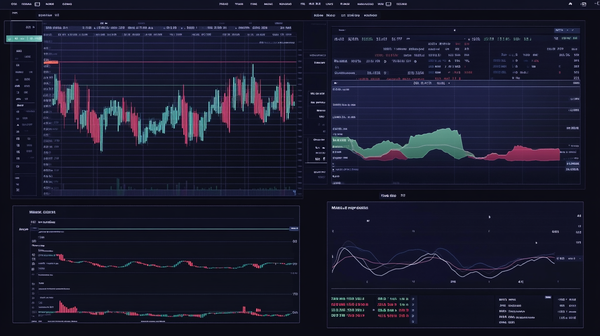
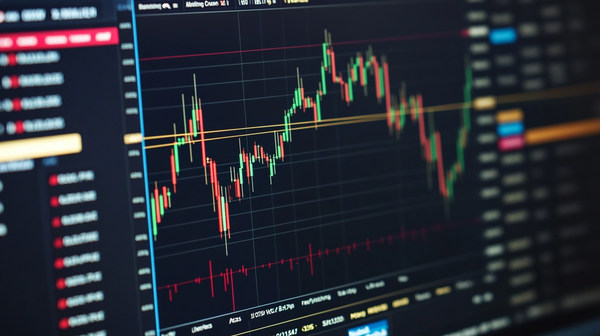
What you typically get with a proprietary WebTrader is convenience first: log in from any browser, watchlists, basic charting, and one-click order tickets. Charting is often serviceable rather than surgical—enough indicators for common setups, standard drawing tools (trendlines, Fibonacci), and timeframes that suit day trading but may feel cramped for systematic work. Order types usually cover market/limit/stop, with take-profit and stop-loss attached in the ticket. Mobile apps for iOS/Android tend to mirror the basics, though complex multi-chart workflows can be awkward on a phone. Execution quality is harder to verify from the outside; for platforms like Index Hub Flarex, traders should watch for slippage during news, requotes, and how stops behave in fast markets.
Trading Fees, Spreads, and Account Types at Index Hub Flarex
Cost structure is normally spread-led on a “Standard” style account, with EUR/USD often around ~2.0 pips in typical conditions for this category. Some providers advertise lower raw pricing via a commission model (for example, 0.0–0.4 pips plus roughly $6–$8 round-turn), but the real comparison is the all-in round-turn cost after commissions, slippage, and swaps. Overnight financing (swap) can be a hidden leak for swing traders holding leveraged CFDs for weeks. It’s also worth checking non-trading fees: inactivity policies, withdrawal charges, and currency conversion spreads—small numbers that become big when you repeat them.
When Do Traders Start Looking for Index Hub Flarex Alternatives?
Regulation is usually the first crack in the wall: once a trader realizes the protections are thin, the search for Index Hub Flarex alternatives becomes rational rather than emotional. High leverage (up to 1:500) can magnify both wins and mistakes, and the “mistake” side often arrives faster than beginners expect. Another common trigger is strategy mismatch—proprietary platforms can be fine for manual trading, but they often fall short for automation, multi-asset investing, or granular execution controls. If you’re building a repeatable process, you want a broker whose rules don’t change when you most need consistency.
- You need MT4/MT5 or cTrader for EAs, custom indicators, or copy infrastructure that a basic WebTrader can’t support.
- You want verifiable oversight (FCA/ASIC/CySEC/NFA) and clearer client-funds segregation than an offshore setup typically provides.
- Your costs look “fine” on paper, but EUR/USD near ~2.0 pips plus swaps makes active trading bleed over a month.
- You’re trying to trade real equities/ETFs (ownership, corporate actions), not stock CFDs with no shareholder rights.
How to Choose a Reliable Alternative to the Index Hub Flarex Trading Platform
Pick a broker the way you’d pick a parachute: inspect the stitching before you jump. For alternatives to the Index Hub Flarex trading platform, I start with a risk budget (how much can go wrong) and then match tools to strategy (how you actually trade). The “best” option is the one you can verify, afford to trade, and operate calmly under stress.
Regulation, Safety, and Investor Protection
In the US/EU, regulatory coverage is a tangible filter: FCA (UK), ASIC (Australia), CySEC (EU), and NFA/CFTC (US for FX) each impose conduct rules that offshore venues often avoid. Under FCA oversight, eligible clients may have FSCS protection up to £85,000; under CySEC, the ICF can cover up to €20,000 (eligibility and product scope vary). Look for segregated client funds language, negative balance protection where applicable, and a published complaints process. A broker’s legal entity and license number should be checkable on the regulator’s public register—no screenshots, no vibes.
Available Markets and Instruments
“More markets” isn’t always better, but missing markets can trap you into CFDs. If you need real stocks/ETFs, options, futures, or bonds, choose a true multi-asset broker with exchange access (often DMA). For FX and indices, CFD specialists can be perfectly adequate—sometimes better—if execution and pricing are strong. Crypto is its own issue: crypto CFDs are price exposure only, not on-chain custody. If your goal is Bitcoin ownership, a broker platform won’t replace self-custody. 21 million — and not a coin more.
Trading Costs: Spreads, Commissions, and Other Fees
Spreads are the visible tax; commissions and swap are the quiet tax. Compare the round-turn cost of a trade: spread (in pips) converted to dollars + commission (if any) + typical slippage in your market hours. A scalper doing 200 round turns a month will feel a 1-pip difference like a hammer. Swing traders should read the swap/overnight fee tables and check whether “swap-free” accounts simply shift the cost elsewhere. Also scan for inactivity fees and withdrawal/currency conversion charges that creep in outside trading.
Platforms, Tools, and Execution Quality
Platform choice is workflow. MT4/MT5 remain common for EAs; cTrader is popular with execution-focused traders; proprietary platforms can be excellent if they’re stable and transparent. Execution model matters: market maker vs STP/ECN/DMA changes how orders are filled and where conflicts can appear. For competitors to Index Hub Flarex, I look for published execution statistics or policy language on slippage, requotes, and stop execution. If a broker can’t explain how it routes orders, assume you’re the product.
Support, Education, and Overall User Experience
When money is on the line, support quality becomes a feature. Check whether help is 24/5 or 24/7, what languages are covered, and how quickly tickets are answered. Education should go beyond glossy beginner PDFs—think risk controls, margin mechanics, and platform-specific tutorials. Mobile parity matters if you manage risk on the move; you need reliable alerts, chart access, and order modification without friction. Clean onboarding is nice, but clean problem resolution is what keeps you solvent.
Index Hub Flarex and Different Asset Classes: When Alternatives May Be Better
Index Hub Flarex Forex and CFD Trading
For FX/CFDs, the headline temptations are leverage and simplicity. Index Hub Flarex-like setups may offer 30–50 FX pairs, a small list of indices (often 8–15), and a handful of commodities, with leverage up to 1:500. The trade-off is that pricing and execution transparency can be thinner than at top-tier venues, especially around news where slippage and spreads widen. Regulated options vs Index Hub Flarex—such as Pepperstone (FCA/ASIC/CySEC/DFSA) or IG (FCA/ASIC/MAS)—tend to publish clearer execution and risk disclosures, and they offer mature platform stacks (MT4/MT5/cTrader or strong proprietary systems). If you’re active, a move from ~2.0 pips typical EUR/USD toward tighter all-in pricing can materially change your monthly P&L distribution, even before you factor in fewer “surprises” during volatility.
Index Hub Flarex Stock and ETF Trading
Stock and ETF access is where many CFD-first platforms show their limits. On venues in this category, “stocks” are often CFDs—no voting rights, no direct corporate actions, and no long-term investing structure. That’s not inherently evil; it’s just a different instrument with different risks, including financing costs and gap risk. If you want actual shares/ETFs, Interactive Brokers (SEC/FINRA, FCA, IIROC) is built for real market access across regions, and Saxo Bank (FCA/MAS/DFSA) is strong for multi-asset portfolios with research and risk tools. The difference isn’t cosmetic: DMA-style access, transparent commissions, and robust reporting make portfolio management and tax documentation cleaner than a CFD-only ledger.
Index Hub Flarex Crypto Trading
Crypto exposure on CFD platforms is usually “number-go-up” exposure, not Bitcoin. Index Hub Flarex-style offerings often cover roughly 10–30 crypto CFDs—useful for short-term hedging or tactical trades, but you do not withdraw coins to a wallet because you never held them on-chain. That distinction matters for anyone who cares about custody, settlement finality, and counterparty risk. For traders who still want regulated derivative exposure, IG and Plus500 (FCA/CySEC/ASIC/MAS) are commonly used for crypto CFDs where permitted, with clearer risk statements and regulated entities in many regions. Just remember: CFDs add leverage and financing costs on top of crypto volatility. If the goal is owning bitcoin, consider keeping “trading” and “saving” in separate boxes.
Best Index Hub Flarex Alternatives for 2026: Comparison of Top Trading Platforms
Interactive Brokers (IBKR): Key Facts and How It Compares to Index Hub Flarex
Regulation: SEC/FINRA (US), FCA (UK), IIROC (Canada) (entity depends on region)
Markets: Stocks, ETFs, options, futures, FX, bonds, funds (broad multi-asset access)
Fees: FX spreads often competitive (vary by venue/size); commissions apply on many exchange products; financing/margin rates depend on account and region
Platform: Trader Workstation (TWS), IBKR Mobile, Client Portal, APIs
Best For: Multi-asset investors who want real market access (not CFD-only)
Pepperstone: Key Facts and How It Compares to Index Hub Flarex
Regulation: FCA, ASIC, CySEC, DFSA (entity depends on region)
Markets: FX and CFDs (indices, commodities; availability varies by jurisdiction)
Fees: EUR/USD often ~0.0–0.3 pips + commission on Razor/Raw-style pricing; ~1.0+ pip typical on Standard-style pricing (varies by entity/conditions)
Platform: MT4, MT5, cTrader, TradingView integration (availability may vary)
Best For: Execution-sensitive FX traders using MT4/MT5 or cTrader
Saxo Bank: Key Facts and How It Compares to Index Hub Flarex
Regulation: FCA, MAS, DFSA (entity depends on region)
Markets: Stocks, ETFs, bonds, options, futures, FX, CFDs (broad offering)
Fees: Pricing varies by tier; spreads/commissions depend on product and account level; generally positioned mid-to-premium
Platform: SaxoTraderGO, SaxoTraderPRO
Best For: Portfolio-style traders who want research plus multi-asset risk tools
OANDA: Key Facts and How It Compares to Index Hub Flarex
Regulation: CFTC/NFA (US), FCA (UK), ASIC (Australia), IIROC (Canada) (entity depends on region)
Markets: FX (core); CFDs in some regions (indices/commodities where offered)
Fees: Often spread-only pricing on core accounts; EUR/USD can be ~0.6–1.2 pips in liquid hours (varies by region/conditions)
Platform: OANDA web/mobile, MT4 (availability varies), APIs
Best For: Risk-managed FX trading with strong regulatory coverage (including US FX)
IG: Key Facts and How It Compares to Index Hub Flarex
Regulation: FCA, ASIC, MAS (entity depends on region)
Markets: CFDs (FX, indices, commodities, shares); other offerings vary by country
Fees: Competitive spreads on major FX pairs in normal conditions; costs vary by instrument; overnight financing applies on leveraged positions
Platform: IG Trading Platform, MT4 (where available), mobile apps
Best For: Broad CFD coverage with a mature proprietary platform
Plus500: Key Facts and How It Compares to Index Hub Flarex
Regulation: FCA, CySEC, ASIC, MAS (entity depends on region)
Markets: CFDs (FX, indices, commodities, shares, crypto CFDs where permitted)
Fees: Typically spread-only; spreads vary by instrument and volatility; financing and currency conversion costs apply
Platform: Plus500 WebTrader, Plus500 mobile apps
Best For: Simple CFD execution for beginners who want a clean interface
Comparison Summary
| Platform | Regulation | Main Markets | Typical Costs | Best For |
|---|---|---|---|---|
| Interactive Brokers (IBKR) | SEC/FINRA, FCA, IIROC (by entity) | Real stocks/ETFs, options, futures, FX, bonds | Commissions on many products; FX pricing varies by size/venue | Multi-asset investors who want real market access (not CFD-only) |
| Pepperstone | FCA, ASIC, CySEC, DFSA (by entity) | FX + CFDs (indices/commodities) | Raw: ~0.0–0.3 pips + commission; Standard: ~1.0+ pip typical | Execution-sensitive FX traders using MT4/MT5 or cTrader |
| Saxo Bank | FCA, MAS, DFSA (by entity) | Multi-asset: stocks/ETFs, options, futures, FX, CFDs | Tiered pricing; spreads/commissions vary by product | Portfolio-style traders who want research plus multi-asset risk tools |
| OANDA | CFTC/NFA, FCA, ASIC, IIROC (by entity) | FX (core); CFDs in some regions | Often spread-only; EUR/USD ~0.6–1.2 pips in liquid hours | Risk-managed FX trading with strong regulatory coverage (including US FX) |
| IG | FCA, ASIC, MAS (by entity) | CFDs across FX/indices/commodities/shares | Competitive spreads; financing on leveraged holds | Broad CFD coverage with a mature proprietary platform |
| Plus500 | FCA, CySEC, ASIC, MAS (by entity) | CFDs (FX, indices, commodities, shares, crypto CFDs where allowed) | Spread-only; variable by volatility; financing/conversion costs | Simple CFD execution for beginners who want a clean interface |
How to Safely Move from Index Hub Flarex to Another Broker
Switching brokers is less about “closing an app” and more about controlling operational risk: access, records, and cash movement. If you’re leaving an offshore-style venue, treat the process like a checklist you run when your emotions are quiet. Also, don’t forget the core trading risk: leveraged CFDs can move faster than your withdrawal timeline. Plan your exposure first, then move your infrastructure.
- Confirm the new broker’s exact legal entity on the regulator’s register (FCA Register, ASIC Connect, CySEC database, or NFA BASIC) and match the website domain to the registered firm.
- Open the new account and complete KYC (ID + proof of address) before you touch withdrawals; verification can be quick, but it’s not instant if documents need review.
- Flatten risk on the old account by closing open CFD positions rather than assuming any position transfer—most retail brokers don’t port positions between firms.
- Export statements, trade confirmations, and funding history from Index Hub Flarex for taxes, performance review, and dispute evidence before any account access changes.
- Withdraw funds using the same rail you used to deposit (card, bank, e-wallet) because AML rules often require “return-to-source” flows.
- Start small at the new broker: test order fills, stop behavior, swap charges, and platform stability for a week before redeploying full size.
Ready to Explore Index Hub Flarex?
If you’re still considering it, review the current onboarding steps, eligible regions, and the exact trading conditions you’d receive under your account entity. Then compare those terms against the Index Hub Flarex trading platform alternatives 2026 listed above—especially execution policy, costs, and withdrawal rules—before committing serious capital.
FAQ: Index Hub Flarex Alternatives and Trading Platforms
What is the best alternative to Index Hub Flarex in 2026?
The best alternative depends on whether you need real multi-asset access or mainly FX/CFDs: Interactive Brokers is a top pick for real stocks/ETFs/options/futures, while Pepperstone is often preferred for MT4/MT5/cTrader-style FX execution. For broad CFDs with a mature platform, IG is commonly shortlisted in the UK/EU. If simplicity is the priority, Plus500 is straightforward—just understand it’s CFD-centric.
Is Index Hub Flarex a safe broker/platform?
Index Hub Flarex appears consistent with an offshore/unregulated-style framework (often associated with SVG FSA-type registration), which generally provides fewer investor protections than FCA/ASIC/CySEC/NFA-regulated brokers. That doesn’t automatically mean fraud, but it does mean you should assume weaker recourse if a dispute arises. If you need stronger safeguards like clearer segregation rules and compensation schemes (FSCS/ICF eligibility varies), prioritize regulated options vs Index Hub Flarex.
Can I trade stocks, futures, or crypto with Index Hub Flarex?
On platforms like Index Hub Flarex, stocks and crypto are commonly offered as CFDs (price exposure) rather than ownership, and futures access is often limited or routed through CFDs instead of direct exchange trading. In practice, that means no on-chain coin withdrawals and no shareholder rights. If you want real stocks/ETFs or listed futures, Interactive Brokers or Saxo Bank are usually better matches than a CFD-first venue.
What should I check before switching from Index Hub Flarex to another platform?
Before switching, verify the new broker’s entity on the regulator register (FCA, ASIC, CySEC, or NFA) and confirm the trading account terms you’ll actually receive in your region. Next, export your statements and funding history, close open leveraged positions, and only then initiate withdrawals from Index Hub Flarex using the same payment method where possible. Finally, test the new platform with small size to observe spreads, slippage, and swap/overnight fees under real market conditions.
About the Author: Kenji Tanaka is a Tokyo-based market participant focused on trading mechanics: execution, leverage math, and counterparty risk. I studied cryptography at the University of Tokyo (incomplete) and I write with a bias toward verifiable systems—because fiat promises and bank-friendly narratives fail under stress. Bitcoin has a hard cap: 21 million — and not a coin more.