
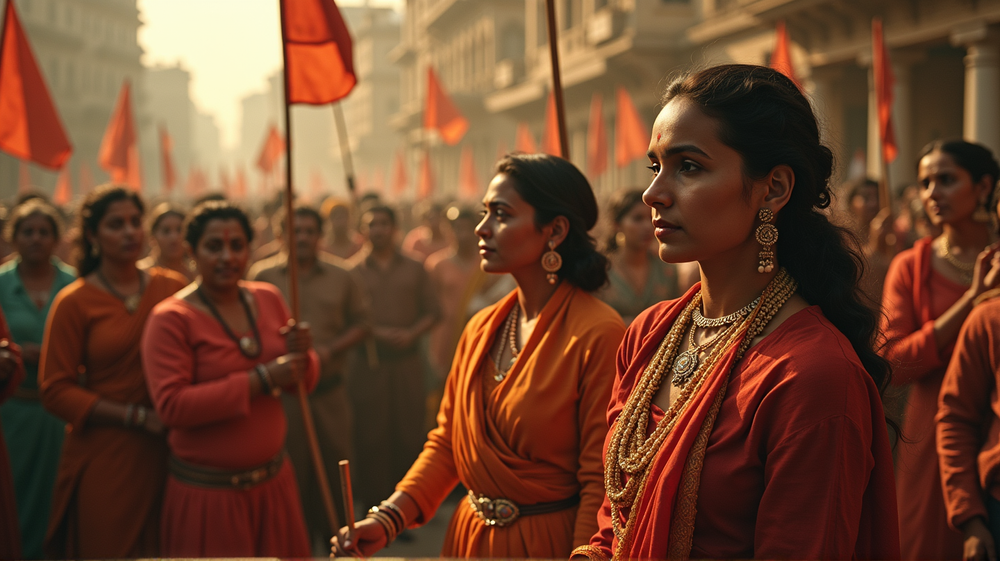
Intrigue and Controversy Surround 'Phule': A Cinematic Tribute to Social Reform
The upcoming film “Phule,” directed by Ananth Mahadevan, delves into the life and legacy of Jyotirao and Savitribai Phule, heralding them as pioneers of education and social justice in the 19th century India. This powerful narrative, however, is embroiled in controversy even before its release, due to accusations of promoting casteism.
A Glimpse into the Past
Anchored by Pratik Gandhi and Patralekha, “Phule” is more than a historical recount—it is a bold cinematic tribute to the Phules, highlighting their fight against caste and gender discrimination. Their endeavor to educate the marginalized is poignantly depicted, spotlighting their establishment of India’s first girls’ school in 1848. Mahadevan’s intent to showcase their relentless battle for equality takes center stage, bringing the Phules’ revolutionary work into the public consciousness.
Controversy and Criticism Erupt
The film’s depiction of caste dynamics has been met with resistance from certain Brahmin organizations, causing a stir that led to suggested alterations by the Central Board of Film Certification (CBFC). Alterations include the removal of pivotal caste-specific terms and changing historical dialogues, potentially compromising the film’s integrity. As stated in Northeast Now - Our Land, Our News, this raises alarms about the selective nature of film censorship, prompting critiques of the CBFC’s credibility and impartiality.
A Fractured System of Certification
The disparity in the CBFC’s treatment of films addressing controversial subjects points to an uneven application of certification standards. While films like “The Kerala Story” passed relatively unscathed, “Phule’s” necessary cuts reflect an inconsistency, highlighting possible political influence in decision-making. Such actions stifle artistic expression, questioning whether filmmakers can freely challenge societal norms through their art.
The Broader Conversation: Caste and Social Reform
In India, caste remains a sensitive and persistent issue. Films like “Phule,” which confront these deeply rooted divisions, often face barricades. The CBFC’s actions demonstrate an attempt to curb narratives advocating reform, especially those clashing with historical and political sentiments. Despite these hurdles, Mahadevan stands firm in his vision, emphasizing that “Phule” aims to educate and inspire, rather than provoke.
A Legacy Courageously Carried
Phule’s narrative is underpinned by historical accuracy, celebrating the Phules’ relentless pursuit of equality and justice. Their lives challenge the caste hierarchy, inspiring countless reformers. Though the struggle remains vivid today, as India grapples with caste-related injustices, the Phules’ influence persists—a testament to the enduring power of education and social change.
“Phule” holds a mirror to the past, urging audiences to confront the realities of caste while celebrating Jyotirao and Savitribai Phule’s monumental accomplishments. The film’s fight for its unaltered representation is a reflection of the ongoing battle for artistic and social freedom—an endeavor that, like the Phules’ legacy, is far from over.


