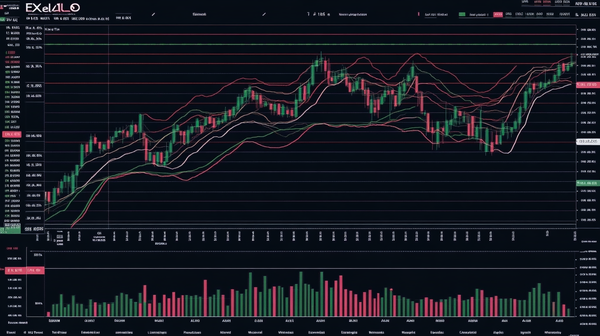
Invest Globally Trading Platform Alternatives 2026 Guide
Invest Globally Trading Platform Alternatives 2026: Reliable Options for Online Traders
People keep asking me why I spend so much time dissecting brokers and platforms when the cleanest trade is still “hold sats and ignore the noise.” Because most of you don’t live in my ideal world. You trade FX and CFDs, you hedge, you scalp, you want tools that behave under stress. And if you’re currently using Invest Globally, you’re probably noticing the same friction points I look for: offshore-style structure, high leverage marketing, and a WebTrader that can feel fine—until you need institutional-grade execution or a regulator you can actually call by name.
Based on what’s commonly seen with this category of broker, Invest Globally tends to sit in the “Forex + CFDs first” lane, offering major/minor FX pairs, indices, a few commodities, and crypto CFDs. Expect a proprietary browser platform plus mobile apps, with typical retail pricing around ~2.0 pips on EUR/USD, a minimum deposit around $250, and leverage marketed up to 1:500. That combination can look tempting—until you price out total round-turn costs, experience slippage in fast markets, or realize you don’t have access to real equities/ETFs (and you definitely don’t own any on-chain bitcoin through a CFD ticket).
This guide maps out Invest Globally alternatives for 2026 with a US/EU focus: regulated platforms, clearer client-funds protections, better tooling (MT4/MT5/cTrader/DMA), and more predictable onboarding/withdrawals. I’ll keep it practical: what to switch to, why, and how to move without blowing yourself up.
Disclaimer: This article is for informational purposes only and does not constitute investment advice. CFDs and other leveraged products can move against you quickly, and losses may exceed deposits if protections don’t apply.
Key Takeaways (TL;DR)
- Offshore-style brokers can offer high leverage, but regulated substitutes often provide stronger client-funds rules and clearer dispute paths (FCA/ASIC/CySEC/NFA).
- Compare round-turn cost (spread + commission + swap), not just “from 0.0 pips” headlines; for active traders, a 0.5–1.0 pip difference adds up fast.
- If you need real stocks/ETFs, look at multi-asset venues like IBKR or Saxo; many CFD-first platforms only offer equity exposure as CFDs.
What Is Invest Globally and How Does Its Trading Platform Work?
From a trader’s lens, Invest Globally looks like an offshore-leaning CFD brokerage model, operating under a framework commonly associated with the Seychelles FSA. The product menu is built for retail speculation: FX pairs, index CFDs, commodity CFDs, and a list of crypto CFDs. That’s not “bad” by itself—CFDs are a tool—but it changes the risk math: counterparty exposure matters, and protections vary sharply depending on jurisdiction and entity structure. The platform pitch targets newer and intermediate traders who want a simple WebTrader and a mobile app, with leverage levels that can magnify small moves into big P&L swings.
Invest Globally Web Trading Platform: Core Features and Tools
The proprietary WebTrader setup is typically the center of gravity: browser access, basic-to-mid charting, and a workflow that keeps you inside a single dashboard for deposits, watchlists, and positions. Charting usually covers the essentials—timeframes, common indicators, drawing tools—and the mobile apps tend to mirror the core functions (opening/closing trades, modifying stops/limits, monitoring margin). Where traders hit limits is depth: fewer order types than pro stacks, less granular execution reporting, and fewer advanced automation options compared with MT4/MT5 or cTrader. If your strategy relies on detailed tick behavior, partial fills, or fast re-quotes handling, proprietary WebTraders often feel “smooth” right up to the moment volatility spikes.
Trading Fees, Spreads, and Account Types at Invest Globally
For pricing, the common pattern is a spread-led Standard account where EUR/USD sits around ~2.0 pips. Some brokers in this segment also advertise a Raw/ECN-style tier with tight spreads (often near 0.0–0.4 pips) plus a commission—frequently in the $5–$8 per round-turn range—but the real question is execution quality and slippage, not just the banner number. Add swaps/overnight financing if you hold positions, and watch for non-trading charges such as inactivity or certain withdrawal handling fees. If you’re comparing platforms like Invest Globally, build a simple cost sheet: average spread + expected slippage + commission + typical overnight holding costs for your strategy.
When Do Traders Start Looking for Invest Globally Alternatives?
Leverage is the loudest marketing knob, and it’s also the fastest way to discover whether a broker’s risk controls and execution are built for real markets or for optimism. Many traders end up searching for Invest Globally alternatives after a stress event: a news candle, a weekend gap, or a margin call that didn’t behave as expected. Others switch for quieter reasons—limited platform tooling, narrower market access, or withdrawals that feel like a negotiation instead of a process.
- Needing MT4/MT5 or cTrader for an EA, algorithmic workflow, or more detailed order management than a basic WebTrader provides.
- Wanting a regulator-backed framework (FCA/ASIC/CySEC/NFA) with clearer client-funds rules and formal complaint channels.
- Trying to reduce total trading friction: tighter spreads, predictable commissions, and fewer “surprise” non-trading fees.
- Hitting execution pain—slippage, partial fills, or stop behavior that doesn’t match expectations during volatility.
How to Choose a Reliable Alternative to the Invest Globally Trading Platform
Pick a broker the way you’d size a position: start with worst-case outcomes, then work backward into features and pricing. The goal isn’t a prettier interface; it’s a structure that holds when markets go ugly. For traders comparing alternatives to the Invest Globally trading platform, I focus on two questions: “What happens to my funds if the broker fails?” and “What happens to my orders when liquidity thins?” Everything else is secondary.
Regulation, Safety, and Investor Protection
Regulation isn’t morality, it’s enforcement. FCA oversight in the UK can include FSCS coverage (up to £85,000 in eligible cases), while CySEC firms may fall under the ICF (up to €20,000, eligibility-dependent). NFA/CFTC regulation matters for US FX access, and ASIC is widely respected for conduct standards. Look for segregated client funds, negative balance protection where applicable, and a clearly stated legal entity for your region. If you’re still weighing Invest Globally versus a regulated venue, the ability to verify a license on a public register is not a small detail—it’s the foundation.
Available Markets and Instruments
Match instruments to intent. FX and index CFDs are fine for short-term macro expression; long-term wealth building usually needs real stocks/ETFs (and ideally direct market access). Options and futures open hedging that CFDs can’t replicate cleanly, but they require tighter risk discipline and, often, higher experience thresholds. Crypto is its own category: a crypto CFD is price exposure, not custody, not self-sovereignty, and not “21 million— and not a coin more.” If your plan includes equities, consider brokers similar to Invest Globally only if they offer the underlying asset and not just a derivative wrapper.
Trading Costs: Spreads, Commissions, and Other Fees
Headline spreads are a trap if you ignore the full bill. A trader doing 200 round-turn lots a month will care more about average spread + commission + slippage than about maximum leverage. Compare round-turn cost-of-trade for your typical size, and don’t forget swap/overnight fees on holds. Inactivity fees and withdrawal charges matter less for active traders, but they punish “set and forget” accounts. When you evaluate competitors to Invest Globally, run the math on your own strategy: scalping, swing, and hedging each pay fees differently.
Platforms, Tools, and Execution Quality
Platform choice isn’t aesthetic; it’s about control. MT4/MT5 ecosystems support indicators, EAs, and a huge tooling universe; cTrader is popular for transparent order handling and algo workflows; multi-asset DMA platforms (common at IBKR/Saxo) shine for real equities and options. Execution model matters: market maker setups can be fine for small tickets, while STP/ECN/DMA structures may reduce conflict and improve fills—though no model is immune to slippage in fast markets. If you’re searching for top substitutes for Invest Globally, prioritize stable servers, clear order logs, and realistic fill expectations over flashy UI.
Support, Education, and Overall User Experience
When money is stuck, “nice design” does nothing. Test support before you fund heavily: response time, clarity, and whether you can reach a human with authority. For EU clients, language coverage and local payment rails can be the difference between a smooth withdrawal and a week of tickets. Education is optional for veterans, but it reveals how a broker thinks about risk. The best sign is not hype—it’s sober margin-call explanations, transparent fee schedules, and platform tutorials that include what can go wrong.
Invest Globally and Different Asset Classes: When Alternatives May Be Better
Invest Globally Forex and CFD Trading
Forex and CFDs are the natural habitat for Invest Globally’s model: a curated list of currency pairs (often ~30–50), indices, and a handful of commodities, with leverage commonly promoted up to 1:500. That can be enough for directional traders, but the trade-off is usually cost and controls—think ~2.0 pips EUR/USD on a spread-only setup, plus whatever slippage appears during data releases. If you want tighter pricing and more professional tooling, brokers like Pepperstone and OANDA are often chosen for their platform depth (MT4/MT5/cTrader at Pepperstone; strong FX infrastructure at OANDA) and more formal regulatory environments. For active FX traders, execution transparency and consistent fills are worth more than a leverage number printed in bold.
Invest Globally Stock and ETF Trading
Here’s the line most CFD-first platforms struggle to cross: owning an asset versus betting on its price. With Invest Globally-style offerings, stock exposure is frequently CFD-based if offered at all—no shareholder rights, no direct market access, and different fee/tax handling than cash equities. If you need real US/EU stocks and ETFs, Interactive Brokers (IBKR) is the workhorse: broad exchange access, deep product stack (including options and futures), and an institutional-grade environment. Saxo Bank is another multi-asset alternative with a strong suite for listed products and portfolio-level tooling. For investors, this is where many regulated options vs Invest Globally stop being a preference and become a requirement.
Invest Globally Crypto Trading
Crypto on these platforms is usually crypto CFDs: you’re trading a derivative price feed, not withdrawing bitcoin, not holding keys, not verifying supply—just P&L in fiat terms. That may suit short-term hedging, but it’s not aligned with self-custody or the monetary properties that make bitcoin worth caring about. If your goal is regulated speculative exposure, IG and Plus500 are examples of large, regulated CFD providers that may offer crypto CFDs in permitted jurisdictions (availability varies by region and rules). If your goal is actual bitcoin ownership, a CFD platform is the wrong tool. I’ll say it plainly: a paper claim is not the asset.
Best Invest Globally Alternatives for 2026: Comparison of Top Trading Platforms
Interactive Brokers (IBKR): Key Facts and How It Compares to Invest Globally
Regulation: SEC/FINRA (US), FCA (UK), IIROC (Canada)
Markets: Stocks, ETFs, options, futures, bonds, FX (availability varies by region/entity)
Fees: FX pricing varies by structure; equities often commission-based with tiered schedules; compare all-in costs per product
Platform: Trader Workstation (TWS), web platform, mobile apps, APIs
Best For: Multi-asset professionals who want real markets, not just CFDs
Pepperstone: Key Facts and How It Compares to Invest Globally
Regulation: FCA (UK), ASIC (Australia), CySEC (EU), DFSA (UAE)
Markets: FX and CFDs (indices, commodities; product set varies by entity)
Fees: Standard spreads often around ~1.0 pip+ on EUR/USD; Razor/Raw-style pricing can be ~0.0–0.3 pips + commission (varies)
Platform: MT4, MT5, cTrader, TradingView integrations (region-dependent)
Best For: Algorithmic and scalping traders who need MT4/MT5/cTrader flexibility
IG: Key Facts and How It Compares to Invest Globally
Regulation: FCA (UK), ASIC (Australia), MAS (Singapore)
Markets: CFDs (FX, indices, commodities, shares CFDs); product access varies by region
Fees: Costs depend on instrument; FX spreads commonly competitive for majors; financing applies on overnight CFD holds
Platform: Proprietary web platform, mobile apps (MT4 offered in some regions)
Best For: Risk-managed CFD traders who want a large, established venue
OANDA: Key Facts and How It Compares to Invest Globally
Regulation: CFTC/NFA (US), FCA (UK), ASIC (Australia), IIROC (Canada)
Markets: FX (and CFDs in certain jurisdictions), metals in some regions
Fees: Spread-based pricing; majors can be competitive depending on market conditions; financing/rollover applies
Platform: OANDA Trade (web/mobile), MT4 (region-dependent)
Best For: US-eligible FX traders prioritizing strong regulatory oversight
Saxo Bank: Key Facts and How It Compares to Invest Globally
Regulation: FCA (UK), MAS (Singapore), DFSA (UAE)
Markets: Stocks, ETFs, options, futures, FX, bonds (product access varies by region)
Fees: Multi-asset pricing; commissions/spreads depend on tier and product; compare all-in costs for your mix
Platform: SaxoTraderGO, SaxoTraderPRO
Best For: Portfolio builders who want listed instruments and sophisticated analytics
Plus500: Key Facts and How It Compares to Invest Globally
Regulation: FCA (UK), CySEC (EU), ASIC (Australia), MAS (Singapore)
Markets: CFDs (FX, indices, commodities, shares CFDs, crypto CFDs where permitted)
Fees: Primarily spread-based; overnight financing on CFD positions; check non-trading fees per region
Platform: Proprietary web platform and mobile apps
Best For: Mobile-first CFD traders who prefer a simplified interface
Comparison Summary
| Platform | Regulation | Main Markets | Typical Costs | Best For |
|---|---|---|---|---|
| Interactive Brokers (IBKR) | SEC/FINRA, FCA, IIROC | Real stocks/ETFs, options, futures, bonds, FX | Commission/tiered schedules by product; FX varies by structure | Multi-asset professionals who want real markets, not just CFDs |
| Pepperstone | FCA, ASIC, CySEC, DFSA | FX + CFDs | Std ~1.0 pip+; Raw ~0.0–0.3 pips + commission (varies) | Algorithmic and scalping traders who need MT4/MT5/cTrader flexibility |
| IG | FCA, ASIC, MAS | CFDs on FX/indices/commodities/shares (region-dependent) | Competitive major-FX spreads; overnight financing on CFDs | Risk-managed CFD traders who want a large, established venue |
| OANDA | CFTC/NFA, FCA, ASIC, IIROC | FX (plus CFDs in some regions) | Spread-based; rollover/financing applies on holds | US-eligible FX traders prioritizing strong regulatory oversight |
| Saxo Bank | FCA, MAS, DFSA | Stocks/ETFs/options/futures/FX/bonds | Commissions/spreads by tier; product-specific pricing | Portfolio builders who want listed instruments and sophisticated analytics |
| Plus500 | FCA, CySEC, ASIC, MAS | CFDs across major asset classes (including crypto CFDs where allowed) | Spread-based; overnight financing; region-specific non-trading fees | Mobile-first CFD traders who prefer a simplified interface |
How to Safely Move from Invest Globally to Another Broker
Switching brokers isn’t a “click migrate” event; it’s a controlled unwind and re-onboard. Treat it like risk management: preserve records, reduce open exposure, and don’t strand capital mid-transfer. Before you pull funds from Invest Globally, remember the operational risk: withdrawal routes can be constrained by AML rules, and leverage can amplify mistakes if you rush back into the market on a new platform.
- Confirm the new broker’s license on the regulator’s own database (FCA Register, ASIC Connect, CySEC directory, or NFA BASIC) and match the legal entity to your residency.
- Open the new account and complete KYC/AML first (ID + proof of address); many verifications clear within a business day, but delays happen.
- Flatten risk on the old account: close or reduce positions rather than assuming any position transfer between brokers.
- Export statements, trade history, and funding records for taxes and dispute documentation before you change account status.
- Request withdrawals using the same funding rail used for deposits when possible; this is a common AML constraint and can reduce back-and-forth.
Ready to Explore Invest Globally?
If you’re still evaluating the platform, review current eligibility for your region, confirm fee schedules, and check whether the toolset fits your strategy (manual, algo, or portfolio). Compare it head-to-head with the best Invest Globally alternatives 2026 list above before committing meaningful capital.
FAQ: Invest Globally Alternatives and Trading Platforms
What is the best alternative to Invest Globally in 2026?
The best choice depends on what you’re actually trying to trade: IBKR is hard to beat for real stocks/ETFs/options/futures, while Pepperstone is often a strong fit for FX/CFD traders who want MT4/MT5/cTrader. For a more streamlined CFD experience under major regulators, IG or Plus500 can fit. In practice, “best Invest Globally alternatives 2026” means matching regulation + markets + platform to your strategy, not chasing leverage.
Is Invest Globally a safe broker/platform?
Invest Globally appears to operate under an offshore-style framework commonly associated with the Seychelles FSA, which typically offers fewer investor-protection features than FCA/NFA oversight. That doesn’t automatically mean you’ll have a bad experience, but the safety net is usually thinner: fewer compensation pathways and less transparent enforcement. If you’re risk-averse, regulated options vs Invest Globally may better match your capital protection priorities.
Can I trade stocks, futures, or crypto with Invest Globally?
Invest Globally is typically positioned around FX and CFDs, with crypto often offered as crypto CFDs rather than on-chain ownership. Stocks/ETFs may be missing entirely or presented as CFDs, and listed futures are generally a feature of multi-asset brokers like IBKR or Saxo. If you want “own the asset” exposure, this is where Invest Globally trading platform alternatives 2026 become especially relevant.
What should I check before switching from Invest Globally to another platform?
Before switching, verify the new broker’s legal entity on the regulator’s register and confirm client-funds protections (segregation, negative balance protection where applicable, and compensation schemes like FSCS/ICF). Then compare all-in trading costs (spread + commission + swap) for your typical volume and holding time. Finally, complete KYC on the new account before you withdraw and re-deploy funds from Invest Globally alternatives so you don’t get stuck mid-process.
About the Author: Kenji Tanaka is a Tokyo-based financial writer and active trader with a background in cryptography studies (University of Tokyo, incomplete). He focuses on market structure, execution quality, and regulatory risk—because fiat systems break, and brokers fail. “21 million — and not a coin more.”