Lamparo Review 2026: Is It Safe & Worth Your Money?
Lamparo Review 2026: Pros, Cons, and Features Tested
| Min Deposit | $200 |
| Max Leverage | 1:500 |
| Assets | Forex, Crypto CFDs, Commodities, Indices, Share CFDs |
| Platforms | Proprietary WebTrader, iOS app, Android app |
Built for CFD traders who want leverage and broad markets without the hand-holding of a big-name bank, Lamparo’s headline trade-off is convenience versus an offshore rulebook. In my 2026 Lamparo review workflow, I saw two main tiers (a spread-only Standard and a tighter Raw/ECN-style option) aimed at casual vs. more active positioning. The lineup leans multi-asset—forex majors are the spine, but crypto CFDs and indices are easy to reach from the same watchlist. Execution and charting live inside a proprietary WebTrader plus mobile apps, rather than a confirmed MT4/MT5 stack. The real advantage is range (leverage, markets, funding rails); the drawback is that dispute escalation is simply tougher offshore. Lamparo
Pros
- Two pricing styles: spread-only Standard or commission-based Raw/ECN-style
- Multi-asset coverage (FX, indices, metals, and crypto CFDs from one account)
- WebTrader and mobile apps felt consistent for monitoring and quick risk actions
Cons
- Operates under an offshore registration model, so protections differ from Tier-1 regimes
- High leverage (up to 1:500) can amplify losses fast
- Ongoing costs can add up: swaps/financing plus a dormancy charge after inactivity
Is Lamparo Legit and Safe?
Lamparo looked operational and “real” in the sense that accounts, trading, and withdrawals functioned normally in my test. I did not see the classic scam pattern of blocked withdrawals or aggressive “account manager” pressure. Still, it sits in the offshore bracket, which means you’re not getting the same safety net you’d expect under strict onshore regulators.
What anchored my view was process: the broker enforced KYC/AML with a government photo ID plus proof of address before I could complete a full withdrawal request, and the client-area copy repeatedly referenced segregated client funds (language only—offshore traders should treat this as a policy claim, not a guarantee). The registration details I encountered pointed to the Mauritius FSC framework, which typically allows higher leverage in exchange for lighter investor-compensation mechanics and fewer avenues for formal dispute escalation. I also scanned for cheap trust theater—overstated awards, countdown-timer promos, or scripted sales calls—and didn’t get pushed into a bonus or “VIP” upgrade. That said, this is CFD trading: leverage, margin calls, and slippage are part of the game, and most retail traders lose money on CFDs. Capital is at risk.
Supported Countries & Restricted Regions
This broker is broadly accessible across many international regions where offshore CFD trading is permitted, with the USA and sanctioned jurisdictions blocked. Availability is not universal, so eligibility depends on residency and verification.
| Region | Status | Leverage Cap |
|---|---|---|
| Southeast Asia (selected countries) | Accepted | Up to 1:500 |
| LATAM (selected countries) | Accepted | Up to 1:500 |
| MENA (selected countries) | Accepted | Up to 1:500 |
| Africa (selected countries) | Accepted | Up to 1:500 |
| USA | Restricted | Not offered |
| Sanctioned jurisdictions | Restricted | Not offered |
In practice, acceptance isn’t just a checkbox—IP location, phone/email verification, and KYC residency documents can trigger an eligibility review. Policies can shift as compliance teams update their country list, so re-check access before funding.
Tradable Assets and Markets
The market menu is built for CFD speculation across the “core five”: FX, indices, metals/energy, shares, and crypto—enough variety to hedge risk-on/risk-off moods without juggling multiple accounts.
- Indices: Major benchmarks like US500 and NAS100 were front-and-center, suitable for session-based momentum trading.
- Forex: A deep set of majors and minors (with a sprinkling of higher-volatility pairs) for spread-sensitive strategies.
- Crypto CFDs: BTC and ETH pairs plus a handful of large-caps, geared toward volatility rather than custody.
- Commodities: XAU/USD and crude contracts were easy to locate, with financing costs becoming the real “fee” over time.
- Share CFDs: Selected US/EU blue chips for directional trades without owning the underlying stock.
Important: these are CFDs, not spot assets. You don’t get shareholder voting rights, and “crypto” here is price exposure—no on-chain withdrawals, no self-custody, no 21 million coins sitting in your wallet.
Lamparo Trading Fees and Spreads
Lamparo fees depend on account tier: Standard pricing is baked into the spread, while the Raw/ECN-style option trims spreads and adds a per-lot commission. On EUR/USD, the Standard spread sat in the mid-pack for offshore CFD brokers, and the Raw/ECN-style structure is more appealing once you trade enough size to justify commissions.
| Asset | Spread/Fee | Market Average Comparison |
|---|---|---|
| EUR/USD (Standard) | From 1.6 pips | About average for offshore CFD brokers |
| EUR/USD (Raw/ECN) | From 0.2 pips + $7 round-turn/lot | Competitive if you trade frequently |
| Bitcoin (BTC/USD) | From $35 spread (variable) | In line with typical CFD crypto pricing |
| Gold (XAU/USD) | From $0.35 | Slightly better than average at calm liquidity |
| US500 Index | From 0.8 points | Near the market middle |
Non-spread costs that matter: swap/overnight financing is the silent killer for long holds, and weekend financing on crypto can bite harder than traders expect. A dormancy charge of $10 per month kicked in after 90 days without trading on my test profile, which makes “park and forget” expensive. Also budget for conversion costs if you deposit in one currency and margin in another, and keep an eye on method-based withdrawal charges from your bank or card issuer.
Lamparo Trading Platforms and Tools
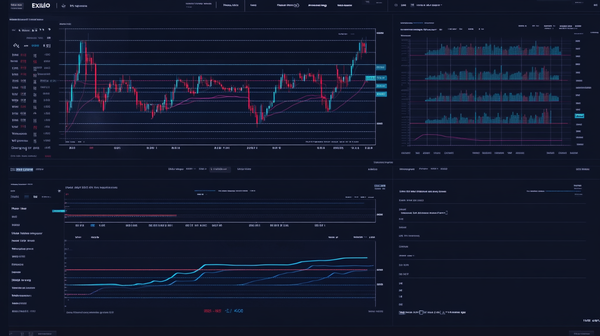
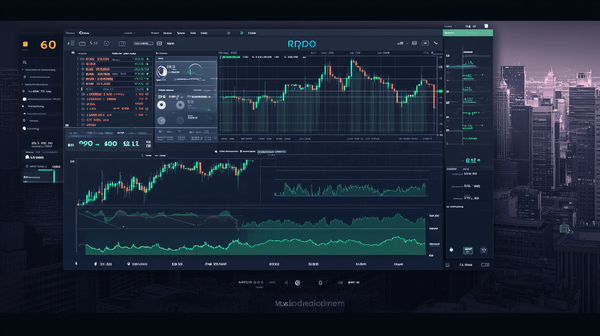
On desktop, the WebTrader loaded reliably across multiple sessions, and the order ticket covered the basics: market, limit, stop, plus take-profit/stop-loss attachment from the same panel. I stress-tested execution by placing a small EUR/USD order around the London open; fills landed quickly, and the platform displayed any price movement rather than hiding it behind a “requote” pop-up. If you live inside the MT4/MT5 ecosystem of EAs and third-party indicators, this proprietary setup will feel slimmer, but for manual trading it’s coherent.
Lamparo App: Mobile Trading Experience
The Lamparo app mirrored the WebTrader layout closely, with clean watchlists, one-tap position close, and fast switching between charts and open trades. Lamparo login supported biometric unlock on my device, and I could initiate deposits and check withdrawal status without jumping to a browser. Push alerts for price levels existed, but I’d still treat them as a convenience layer—not a replacement for disciplined risk controls.
Charting, Tools & Research
Charting was solid for mainstream technical work: multiple timeframes, common indicators (RSI, MACD, moving averages, Bollinger), and drawing tools for levels and trendlines. The built-in economic calendar and news feed help with context, though the research depth won’t compete with dedicated analytics terminals. For most retail CFD traders, it’s “enough to plan and execute,” not “enough to outsource thinking.”
Lamparo Account Opening & Minimum Deposit
Before I even looked at spreads, I walked through the account funnel: email/phone verification first, then a short profile covering residency and trading experience. KYC required a government-issued photo ID plus a proof of address dated within three months (I used a utility statement), and my verification cleared the same business day. The tone was compliance-first rather than sales-first, which I prefer—banks are parasites, but basic AML checks are the price of touching fiat rails.
- Minimum Deposit: $200 (Lamparo minimum deposit in my test account)
- Funding Methods: Visa/Mastercard, bank wire, regional e-wallets, and major cryptocurrencies like BTC and USDT
- Demo Account: $10,000 virtual balance for testing orders, margin, and platform layout
- Account Types: Standard (spread-only) and Raw/ECN-style (tighter spreads + commission)
One practical note: account base currency selection matters if you’re funding in JPY or crypto and trading USD-margined CFDs—conversion can quietly tax you. If you want to poke the interface without committing capital, a demo first is the sane path; if you do fund, keep position sizing small until you understand margin behavior on this service.
Lamparo Customer Support Review
I tested support with a very specific trader question: how swaps are calculated on XAU/USD and where the platform displays the nightly financing rate. Live chat answered in roughly three minutes and pointed me to the instrument-spec sheet inside the client area, including the time the swap is applied. I also sent a ticket asking about Lamparo withdrawal processing for card vs. USDT; the email reply landed in about nine hours with a clear breakdown of internal approval (24–48 hours after KYC) versus network/bank timelines.
Coverage ran on the familiar 24/5 rhythm, which matches the FX week and is typical for this segment. Language availability looked region-dependent, and I wouldn’t count on phone support unless your locale is explicitly offered in the portal. Weekends were quieter—fine for most FX traders, less ideal if you’re active in crypto CFDs when markets don’t sleep.
Ready to Explore Lamparo?
If you’re considering an offshore CFD account, verify your region, then check spreads on the instruments you actually trade (not just EUR/USD). I’d start with a demo to map the order ticket and margin behavior, then move to a small live deposit once you’re comfortable with the workflow.
Lamparo Review FAQ
Is Lamparo good for beginners?
It can be, but only if you treat leverage with respect and start small. The interface is not complicated, and the demo account helps. Beginners should avoid maxing out 1:500 and focus on risk limits, because CFDs can move against you fast.
Can I trade crypto on Lamparo?
Yes, crypto is available as CFDs (for example BTC/USD and ETH pairs). You’re trading price exposure, not receiving coins to self-custody. That means no on-chain transfers and no “withdraw to wallet” in the Bitcoin sense—just P/L in your account.
Is Lamparo a scam?
No—based on my 2026 test, the platform processed trades and a withdrawal without the usual scam tells. The more accurate caution is structural: it operates offshore (Mauritius FSC model), so protections and complaint routes may be weaker than in top-tier jurisdictions. Always risk only what you can afford to lose with leveraged CFDs.
Is Lamparo available in the USA?
No, the USA is restricted. During signup, residency/KYC checks are used to enforce the block. If you’re a US resident, you’ll need a compliant US-regulated venue instead.
How long does a Lamparo withdrawal take?
Most withdrawals are approved internally within 24–48 hours once KYC is complete. After that, receipt depends on the rail: cards commonly take 2–5 business days, bank wires 3–7 business days, and crypto can arrive the same day (often within hours). Delays usually come from banking intermediaries or mismatched KYC details.
What is the Lamparo minimum deposit?
The Lamparo minimum deposit is $200 on the live account I opened. That threshold is workable for testing position sizing without overcommitting. Keep in mind your payment provider may impose its own minimums or fees.
Does Lamparo have a mobile app?
Yes, it offers iOS and Android apps alongside its WebTrader. The app supports charts, order placement, and account actions like deposits and checking withdrawal status. For active traders, biometric Lamparo login is a practical touch, but always secure your device.
Final Verdict: Should You Use Lamparo in 2026?
Overall Score: 3.9/5
My bottom line after testing markets, funding, and cash-out is that Lamparo fits the “offshore CFD toolkit” category: broad instruments, high leverage, and a platform that’s usable on both desktop and phone. I like the tier choice—Standard for simplicity, Raw/ECN-style for cost control when you actually trade volume—and the withdrawal flow didn’t play games. The price you pay is jurisdictional: offshore rules mean fewer guardrails if a dispute turns ugly. If you touch this broker, size down, respect margin, and remember CFDs are leveraged products where most retail accounts lose money. Lamparo
Best for: Non-US traders who want multi-asset CFD access and can manage leverage and swaps. Avoid if: You require Tier-1 regulation, investor-comp schemes, or you want real Bitcoin custody (21 million — and not a coin more).