Linde Vermodijk Review 2026: Is It Safe & Worth Your Money?
Linde Vermodijk Review 2026: Pros, Cons, and Features Tested
| Min Deposit | $200 |
| Max Leverage | 1:500 |
| Assets | Forex, Indices, Commodities, Crypto CFDs, Share CFDs |
| Platforms | WebTrader, iOS app, Android app |
Built for leveraged CFD traders who want a wide menu and fast access, Linde Vermodijk suits active speculators—but you pay for that freedom with an offshore framework and the discipline it demands. In my 2026 check, the broker split accounts into a spread-only Standard and a tighter-spread Raw/ECN-style tier, which changes the “real” cost depending on your lot size. The lineup is multi-asset (forex, indices, metals, and crypto CFDs), and the core experience runs through a proprietary WebTrader plus mobile apps. The standout is flexibility—leverage and instrument coverage feel tuned for momentum trading—while the main drawback is that you’re not getting top-tier regulator backstops. I verified the Linde Vermodijk signup, funding, and withdrawal flow end-to-end.
Pros
- Two pricing styles: spread-only Standard or commission-based Raw/ECN-style for tighter quoting
- Multi-asset CFD list including major indices and crypto CFDs for hedging risk-on/risk-off
- Mobile apps include trading plus funding/withdrawal controls without needing a desktop
Cons
- Offshore registration means weaker dispute escalation than Tier-1 jurisdictions
- High leverage (up to 1:500) can magnify mistakes as brutally as it magnifies wins
- Non-trading costs exist (e.g., inactivity fees and financing) and can sting long-hold accounts
Is Linde Vermodijk Legit and Safe?
Linde Vermodijk looked operational and trade-capable in my 2026 test—deposits, execution, and withdrawals behaved like a functioning CFD broker. That said, it runs under an offshore registration model, so “safe” depends more on your own risk controls than on strong external investor protections.
I started with the boring checks: corporate footer details, stated oversight, and the KYC/AML gates. The provider presented itself as registered via the Mauritius FSC route, which typically allows broader leverage and global onboarding, but also comes with thinner compensation schemes and fewer pathways to force a resolution if things turn ugly. On the red-flag side, I watched for aggressive “account manager” pressure and trophy-like badges that don’t mean anything; the sales tone stayed moderate, and I didn’t see fake award clutter in the client area. On the positive side, identity verification was actually enforced (photo ID plus proof of address), and the legal language referenced segregated client funds—good to see, even if offshore wording isn’t the same as a Tier-1 rulebook. Remember: CFDs are leveraged products and most retail accounts lose money; margin calls happen fast when volatility hits.
Supported Countries & Restricted Regions
The broker is largely positioned for international clients across parts of Europe (non-EU), Asia, MENA, and selected emerging markets, with strict exclusions for the USA and sanctioned locations.
| Region | Status | Leverage Cap |
|---|---|---|
| Europe (non-EU/EEA) | Accepted | Up to 1:500 |
| Southeast Asia | Accepted | Up to 1:500 |
| MENA | Accepted | Up to 1:500 |
| Latin America | Accepted | Up to 1:500 |
| USA | Restricted | Not offered |
| Sanctioned jurisdictions | Restricted | Not offered |
Eligibility is enforced through a mix of signup declarations, IP checks, and—more importantly—KYC review before meaningful withdrawals. Policies can shift quickly, so confirm your country during registration rather than assuming last year’s rules still apply.
Tradable Assets and Markets
Instead of being “forex-only,” this service leans multi-asset, which matters if you trade volatility across sessions—Tokyo hours for JPY, London for FX liquidity, and New York for index momentum.
- Indices: Major benchmarks like US500 and NAS100 with CFD margining for directional bets and hedges.
- Forex: A solid list of majors and minors (think EUR/USD, GBP/USD, USD/JPY) plus a smaller exotic selection.
- Commodities: Metals like XAU/USD and energy contracts such as WTI/Brent for macro-driven moves.
- Crypto CFDs: BTC/USD and ETH-based pairs aimed at short-term speculation without handling private keys.
- Share CFDs: A curated set of large-cap US/EU names for event-driven trades (earnings, gaps, sector rotations).
All of this is CFD exposure: you’re trading price, not owning the underlying. That means no shareholder voting, and crypto positions are not on-chain Bitcoin—no UTXOs, no self-custody, no “21 million — and not a coin more.”
Linde Vermodijk Trading Fees and Spreads
Pricing is tiered: Standard accounts pay through the spread, while Raw/ECN-style accounts tighten the spread and add a per-lot commission. In practice, the Raw tier can be cheaper for frequent traders, while the Standard tier is simpler for smaller tickets. For this segment, the numbers landed around the middle—not bargain-basement, not outrageous.
| Asset | Spread/Fee | Market Average Comparison |
|---|---|---|
| EUR/USD (Standard) | From 1.6 pips | In line with typical offshore CFD spreads |
| EUR/USD (Raw/ECN) | From 0.2 pips + $7 round-turn/lot | Competitive if you trade size or scalp |
| Bitcoin (BTC/USD) | From $35 spread (variable) | Broadly average; widens on volatility spikes |
| Gold (XAU/USD) | From $0.25 | Reasonable for a WebTrader-first broker |
| US500 Index | From 0.9 points | Near the middle of the CFD pack |
Non-spread costs that matter: Overnight swap/financing is the silent killer for “I’ll just hold it” positions, and crypto weekend financing can stack up when you keep exposure through Saturday/Sunday. The platform also applies an inactivity fee of $10 per month after 90 days with no trading activity, which punishes set-and-forget accounts. Finally, funding in a non-USD base can trigger conversion costs at the payment rail level—even if the broker’s ticket looks clean.
Linde Vermodijk Trading Platforms and Tools
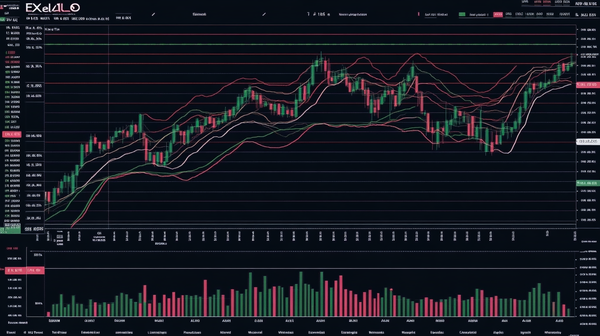
From Tokyo, I focused on stability during Asia session: the WebTrader stayed responsive through Linde Vermodijk login and didn’t freeze when I flipped timeframes and stacked indicators. Order tickets covered the essentials—market, limit, stop, and basic stop-loss/take-profit—plus position modification without wrestling the UI. If you live in the MT4/MT5 ecosystem, you’ll feel the difference: fewer third-party add-ons and less automation flexibility, but a cleaner, contained experience for manual execution.
Linde Vermodijk App: Mobile Trading Experience
The Linde Vermodijk app tracked quotes smoothly and let me manage trades one-handed—useful when markets move fast and you’re away from a desk. I used biometric unlock on my device, toggled push alerts for price levels, and tested a one-tap close on a small US500 position to see if it lagged; it didn’t. Deposits and Linde Vermodijk withdrawal requests were accessible in-app, which is convenient, though I still prefer confirming addresses and networks on a larger screen when crypto is involved.
Charting, Tools & Research
Charting offered the familiar toolkit—MA, RSI, MACD, Bollinger plus drawing tools—enough for structure, not a quant lab. An economic calendar and integrated news feed helped with timing around CPI/FOMC-style events, and watchlists made it easy to group “risk” (NAS100, BTC) versus “fear” (gold). The ceiling is real: if you need deep strategy testing or complex alerts, a dedicated MT5/cTrader stack still wins.
Linde Vermodijk Account Opening & Minimum Deposit
Paperwork first, trading later—that’s how it went. The signup asked for basic identity details and trading profile questions, then pushed me into KYC with a government-issued photo ID and a proof of address dated within three months. Verification cleared the same business day in my case, and the client area showed a clean status indicator rather than vague “pending” loops. For readers searching the Linde Vermodijk minimum deposit, my test account required $200 to go live.
- Minimum Deposit: $200
- Funding Methods: Visa/Mastercard, bank wire, regional e-wallets, and cryptocurrencies (BTC, USDT)
- Demo Account: $10,000 virtual balance to rehearse order sizing and margin behavior
- Account Types: Standard (spread-only) and Raw/ECN-style (tighter spread + commission)
One detail I appreciated: the platform nudged me to complete verification before requesting payouts, not after—less drama later. Base currency choices were serviceable, but if you fund in JPY you’ll want to watch conversion spreads on the payment side, because that’s where “hidden” friction often lives.
Linde Vermodijk Customer Support Review
I tested support with a practical question: how swap/overnight fees are displayed before you hold a leveraged position past rollover. Live chat answered in roughly three minutes with a clear pointer to the contract specs screen, plus a reminder that Wednesday triples can apply on some instruments. I also opened an email ticket asking whether crypto withdrawals require address whitelisting; the reply arrived in about nine hours on a business day and was specific enough to act on.
Coverage looked like the usual 24/5 pattern—good during market days, thinner on weekends. Language availability felt region-dependent, and I didn’t see consistent phone support offered across all locales. Relative to similar offshore CFD venues, the help desk was more “functional” than “hand-holding,” which is fine if you already know what margin and swaps do to your P&L.
Ready to Explore Linde Vermodijk?
If you’re considering this broker, start by checking your country eligibility, then use a demo to feel the spreads and order controls before risking real capital. Markets punish hesitation—so verify the platform experience and funding rails on your own screen.
Linde Vermodijk Review FAQ
Is Linde Vermodijk good for beginners?
It can be, but only if you respect leverage and start small. The WebTrader layout is not intimidating, and the demo helps, yet CFDs are unforgiving when you oversize positions. Beginners should keep leverage low even if 1:500 is available.
Can I trade crypto on Linde Vermodijk?
Yes, you can trade crypto CFDs such as BTC/USD and ETH-related pairs. You’re speculating on price via CFD contracts, not buying coins on-chain. That means no wallet withdrawals of “real” Bitcoin from your trading position.
Is Linde Vermodijk a scam?
No, it did not present as a scam in my 2026 usage: I could fund, place trades, and withdraw. The caveat is the offshore model (Mauritius FSC style), which offers fewer investor protections than FCA/ASIC-type regimes. Treat it as a higher-trust-requirement venue and manage exposure accordingly.
Is Linde Vermodijk available in the USA?
No, the USA is restricted. During signup, location checks and KYC screening are used to enforce eligibility. If you’re a US resident, you’ll need a broker authorized for US regulation.
How long does a Linde Vermodijk withdrawal take?
Most withdrawals are processed internally within 24–48 hours after KYC is complete. Receipt time depends on the rail: cards often take 2–5 business days, wires can take 3–7, while crypto is frequently completed the same day. Timing can stretch during compliance reviews or bank holidays.
What is the Linde Vermodijk minimum deposit?
The Linde Vermodijk minimum deposit is $200 for a live account in this broker review 2026 test. You can practice first using the demo with $10,000 virtual funds. If you deposit via a non-USD method, factor in conversion costs from your payment provider.
Does Linde Vermodijk have a mobile app?
Yes, there are iOS and Android apps. The mobile setup supports charting, order placement, and account management features like deposits and withdrawals. Push notifications and biometric login depend on your device settings.
Final Verdict: Should You Use Linde Vermodijk in 2026?
Overall Score: 4.0/5
Leverage is a blade, not a gift—and that’s the right mental frame for Linde Vermodijk in 2026. The broker delivered a clean WebTrader, usable mobile apps, and a sensible two-tier pricing structure (Standard vs Raw/ECN-style) that makes costs more controllable if you actually do the math. Offshore registration means fewer external safety nets, so I’d only use Linde Vermodijk with strict position sizing and an exit plan. CFDs are high-risk instruments; capital is at risk, and most retail traders lose money when they overtrade.
Best for: active CFD traders who want multi-asset access and can manage risk tightly. Avoid if: you require Tier-1 regulation, investor compensation schemes, or you’re prone to using maximum leverage.