Lobo Patrimecto Trading Platform Alternatives 2026
Lobo Patrimecto Trading Platform Alternatives 2026: Reliable Options for Online Traders
Leverage is a loudspeaker. It amplifies skill, yes—but it also amplifies weak execution, thin risk controls, and the kind of “trust me” brokerage culture I grew up learning to distrust in Tokyo. If you’ve been using Lobo Patrimecto and you’re now hunting for cleaner infrastructure, you’re not alone. Many platforms in the offshore CFD segment offer a familiar package: forex and CFDs, a proprietary WebTrader, a mobile app, high headline leverage (often around 1:500), and an onboarding flow that feels fast—until you need something serious like transparent protections, predictable withdrawals, or consistent pricing.
Based on what’s commonly observed for offshore providers, Lobo Patrimecto is typically presented as an unregulated or lightly supervised broker operating under the Seychelles FSA framework, with a minimum deposit around $250 and EUR/USD spreads often starting near 2.0 pips on a standard-style account. That combination can work for certain short-term CFD traders—but it also creates blind spots: investor-compensation coverage is usually not comparable to FCA/CySEC structures, negative balance protection can vary by entity, and execution quality is harder to verify when you don’t have a top-tier regulator looking over the venue.
This guide to Lobo Patrimecto alternatives is written for a global audience with a US/EU focus: the goal is not hype, it’s fit. If you want real stocks instead of stock CFDs, DMA-style routing, a platform stack like MT4/MT5/cTrader, or simply a broker whose license you can check on a public register, start here.
Disclaimer: This article is for informational purposes only and does not constitute investment advice. CFDs and other leveraged products carry a high risk of loss and are not suitable for all investors.
Key Takeaways (TL;DR)
- If you need verifiable oversight, prioritize brokers regulated by FCA, ASIC, CySEC, or NFA/CFTC—and confirm the license on the regulator’s public register.
- Cost comparisons should be done in round-turn terms (spread + commission + typical slippage), not by leverage headlines like 1:500.
- Traders who want real stocks/ETFs (not CFDs) usually end up with multi-asset venues like IBKR or Saxo, while FX specialists like Pepperstone/IC Markets focus on tighter pricing and platform choice.
What Is Lobo Patrimecto and How Does Its Trading Platform Work?
From a trader’s-eye view, Lobo Patrimecto fits the classic offshore CFD-broker profile: forex pairs and index/commodity CFDs as the core menu, with crypto CFDs commonly included for those who want price exposure without touching on-chain rails. The setup is usually aimed at retail clients who want quick access, high leverage (often up to 1:500), and a simple browser-based workflow rather than institutional tooling. That “fast start” appeal is real—but it also means you must think about counterparty risk, the execution model (many brokers in this segment act as market makers), and what protections you actually have if a dispute appears.
Lobo Patrimecto Web Trading Platform: Core Features and Tools
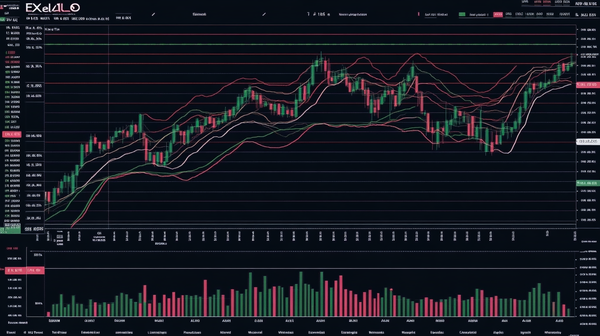
The platform stack is typically a proprietary WebTrader with basic-to-mid charting and a companion iOS/Android app. Expect the standard toolkit: multiple chart types, a set of built-in indicators, drawing tools, and one-click trade tickets designed for speed. Order controls usually cover market and limit/stop orders; more advanced order types (and deep customization) can be thinner than what MT4/MT5/cTrader users are used to. Mobile parity is often “good enough” for monitoring and closing risk, while deeper analysis tends to feel better on desktop. As with other platforms like Lobo Patrimecto, the question is less “can I place a trade?” and more “can I verify fills, slippage, and the trade log in a way I’d trust with size?”
Trading Fees, Spreads, and Account Types at Lobo Patrimecto
Fee presentation in offshore CFD land often centers on spreads, with EUR/USD commonly around 2.0 pips on a standard-style account. Some brokers in the same bracket advertise a Raw/ECN-style tier: very low displayed spreads (roughly 0.0–0.4 pips) plus a commission that can land around $6 per round turn. Overnight financing (swap) is a real cost for multi-day holds, and it can bite harder than traders expect when volatility jumps. Also watch the friction fees: withdrawals and inactivity charges are where “cheap trading” sometimes gets expensive, especially if you churn between small deposits and frequent cash-outs.
When Do Traders Start Looking for Lobo Patrimecto Alternatives?
Regulation is the first domino for many traders searching for Lobo Patrimecto alternatives. If you can’t independently verify oversight and client-money protections, everything else—tight spreads, slick UI, high leverage—becomes secondary. The second domino is execution reality: a 2.0 pip EUR/USD spread plus slippage on news can turn a “strategy” into a donation. Finally, product access matters. Traders in the US/EU often want more than CFDs: real equities, options, futures, and clearer tax reporting. That’s where offshore-style setups start to feel narrow.
- Needing an FCA/ASIC/CySEC/NFA-regulated account because a prop firm, auditor, or bank compliance team won’t accept offshore statements.
- Wanting MT4/MT5 or cTrader for automated systems, custom indicators, or a workflow that a proprietary WebTrader can’t replicate.
- Hitting repeated “price improved against me” fills during volatility and suspecting the execution model is working against your edge.
- Discovering your region is restricted (USA is the common hard stop) and needing a broker that legally serves your jurisdiction.
How to Choose a Reliable Alternative to the Lobo Patrimecto Trading Platform
Pick your replacement broker the way you’d size a position: define the downside first. Your strategy (scalping, swing, hedging, long-only investing) determines what matters most—execution model, platform stack, market access, or financing costs. Treat this as a fit-to-purpose exercise, not a beauty contest.
Regulation, Safety, and Investor Protection
Start with regulators you can verify: FCA (UK), ASIC (Australia), CySEC (Cyprus/EU), and NFA/CFTC (US). In the UK, FCA oversight can connect to FSCS protection up to £85,000 for eligible clients; in Cyprus, the ICF framework can cover up to €20,000 under specific conditions. Look for segregated client funds, clear complaints procedures, and published legal entity details. If a broker can’t be matched to a public register entry, you’re trading on faith—banks love that; I don’t.
Available Markets and Instruments
Match the instrument to the goal. FX and index CFDs suit short-term macro views; real stocks/ETFs suit long-horizon compounding; options and futures suit defined-risk structures and hedging. Crypto CFDs are only price exposure—no on-chain withdrawal, no self-custody, no “not your keys.” For US traders, access tends to be narrower on CFDs, so multi-asset venues (or US-regulated FX specialists) can matter more than the prettiest app.
Trading Costs: Spreads, Commissions, and Other Fees
Spreads are the visible toll; commissions and slippage are the hidden toll. Compare round-turn cost on your typical trade size, then add likely swap/overnight financing if you hold positions. Inactivity fees and withdrawal charges also belong in the math. A common trap: chasing 1:500 leverage while ignoring that a wide spread can erase small edges faster than any margin benefit can help.
Platforms, Tools, and Execution Quality
Platform choice is not cosmetic; it determines what you can test, automate, and audit. MT4/MT5 and cTrader ecosystems enable EAs, custom indicators, and a broader analytics toolchain, while proprietary platforms can be simpler but harder to validate. Execution model matters too: market maker vs STP/ECN/DMA changes how orders are filled and how slippage shows up in fast markets. If you’re moving from Lobo Patrimecto, demand clear statements about order handling and take screenshots of fill stats during your trial period.
Support, Education, and Overall User Experience
Good support is measurable: response time, competent answers, and documented escalation paths. Check whether support hours match your trading session (London/NY overlap matters for US/EU), whether your language is covered, and whether the broker offers platform tutorials that go beyond marketing. Mobile parity is a safety feature—closing risk from a phone during a margin call is not optional. Also confirm negative balance protection availability for your entity and region.
Lobo Patrimecto and Different Asset Classes: When Alternatives May Be Better
Lobo Patrimecto Forex and CFD Trading
On FX/CFDs, Lobo Patrimecto’s likely value proposition is straightforward: access to ~30–50 forex pairs, a handful of indices (often ~8–15), and commodities (~5–10), paired with high leverage (commonly up to 1:500) and a WebTrader that gets you into positions quickly. The trade-off is cost transparency and execution confidence: a typical EUR/USD spread around 2.0 pips is workable for swing trading, but it’s heavy for frequent intraday entries. If you care about tighter pricing and platform flexibility, FX specialists like Pepperstone and IC Markets tend to attract systematic and high-frequency retail traders because they offer MT4/MT5/cTrader and pricing structures that can be more competitive (often a Standard account with ~1.0+ pip-type spreads or a Raw model with low spreads plus commission). For traders who measure edge in pips, that difference is not academic.
Lobo Patrimecto Stock and ETF Trading
Stock and ETF exposure is where many competitors to Lobo Patrimecto simply play a different sport. Offshore CFD venues often provide equities only as CFDs (or in limited form), which means no shareholder rights and pricing that depends on the broker’s CFD terms. If you want real shares, custody, and broad global listings, Interactive Brokers is the obvious heavyweight: multi-market access, options and futures, and a deep toolset for execution and reporting. Saxo Bank is another strong route for serious multi-asset traders who want a more guided but still professional environment across equities, ETFs, bonds, options, and FX. If your goal is to build long-term positions rather than trade short-term CFD swings, these platforms can close the biggest gap in the “alternatives to the Lobo Patrimecto trading platform” conversation.
Lobo Patrimecto Crypto Trading
Crypto on offshore CFD platforms is usually crypto CFDs—price exposure without on-chain settlement. That can be fine for hedging or short-term positioning, but it is not Bitcoin ownership. No withdrawals to your hardware wallet, no self-custody, and no “21 million — and not a coin more” assurance in your own hands. If you still want regulated derivatives-style exposure, brokers like IG and Plus500 offer crypto CFDs in certain regions (availability varies by jurisdiction and entity), with clearer oversight than typical offshore setups. For traders who use crypto as a volatility sleeve inside a broader portfolio (indices, FX, commodities), those regulated CFD venues can be cleaner substitutes. Just remember: leverage plus crypto volatility is how accounts get liquidated in a single candle.
Best Lobo Patrimecto Alternatives for 2026: Comparison of Top Trading Platforms
Interactive Brokers (IBKR): Key Facts and How It Compares to Lobo Patrimecto
Regulation: SEC/FINRA (US), FCA (UK), IIROC (Canada)
Markets: Stocks, ETFs, options, futures, bonds, FX (availability varies by region)
Fees: FX pricing varies by structure; equities commonly use low per-share or tiered commission schedules (check your region)
Platform: Trader Workstation (TWS), IBKR Desktop, mobile apps, APIs
Best For: Real multi-asset investing and pro-grade execution
Pepperstone: Key Facts and How It Compares to Lobo Patrimecto
Regulation: FCA (UK), ASIC (Australia), CySEC (Cyprus), DFSA (Dubai)
Markets: FX, CFDs (indices, commodities; availability varies by entity)
Fees: Often ~0.0–0.3 pip spreads on Razor/Raw-style pricing + commission; Standard-type pricing commonly ~1.0+ pip equivalent
Platform: MT4, MT5, cTrader, TradingView (region-dependent integrations)
Best For: Algorithmic FX traders who need MT4/MT5/cTrader
Saxo Bank: Key Facts and How It Compares to Lobo Patrimecto
Regulation: FCA (UK), MAS (Singapore), DFSA (Dubai)
Markets: Stocks, ETFs, bonds, options, futures, FX, CFDs (product availability varies)
Fees: Pricing depends on account tier; FX spreads are commonly competitive for active clients, with commissions/tiers depending on volume
Platform: SaxoTraderGO, SaxoTraderPRO
Best For: Portfolio traders mixing equities, options, and FX
OANDA: Key Facts and How It Compares to Lobo Patrimecto
Regulation: CFTC/NFA (US), FCA (UK), ASIC (Australia), IIROC (Canada)
Markets: FX (core), CFDs in some regions (indices/commodities depending on entity)
Fees: Typically spread-based pricing; EUR/USD often around ~0.6–1.2 pips in major-market conditions (varies by account and region)
Platform: OANDA Trade (web/mobile), MT4 (region-dependent)
Best For: US-eligible FX trading under NFA oversight
IG: Key Facts and How It Compares to Lobo Patrimecto
Regulation: FCA (UK), ASIC (Australia), MAS (Singapore)
Markets: CFDs (indices, FX, commodities, shares), spread betting (UK/IE), limited crypto CFDs in eligible regions
Fees: Generally competitive spread-based pricing; costs vary by instrument and region, with financing charges for overnight holds
Platform: IG web platform, mobile apps, MT4 (where offered)
Best For: Broad CFD access with strong risk controls
Plus500: Key Facts and How It Compares to Lobo Patrimecto
Regulation: FCA (UK), CySEC (Cyprus), ASIC (Australia), MAS (Singapore)
Markets: CFDs (FX, indices, commodities, shares; crypto CFDs in eligible regions)
Fees: Spread-only model; typical costs depend on instrument, with overnight funding applied on held positions
Platform: Plus500 proprietary WebTrader and mobile app
Best For: Simple CFD trading without platform tinkering
Comparison Summary
| Platform | Regulation | Main Markets | Typical Costs | Best For |
|---|---|---|---|---|
| Interactive Brokers (IBKR) | SEC/FINRA, FCA, IIROC | Real stocks/ETFs, options, futures, bonds, FX | Tiered/commission schedules; FX pricing varies | Real multi-asset investing and pro-grade execution |
| Pepperstone | FCA, ASIC, CySEC, DFSA | FX + CFDs | Raw: ~0.0–0.3 pips + commission; Standard: ~1.0+ pip equivalent | Algorithmic FX traders who need MT4/MT5/cTrader |
| Saxo Bank | FCA, MAS, DFSA | Stocks/ETFs, options, futures, FX, CFDs, bonds | Tier-based pricing; costs depend on volume and product | Portfolio traders mixing equities, options, and FX |
| OANDA | CFTC/NFA, FCA, ASIC, IIROC | FX (core), some CFDs by region | Mostly spread-based; EUR/USD often ~0.6–1.2 pips (varies) | US-eligible FX trading under NFA oversight |
| IG | FCA, ASIC, MAS | CFDs (multi-market), spread betting (UK/IE) | Spread-based + financing on holds; instrument dependent | Broad CFD access with strong risk controls |
| Plus500 | FCA, CySEC, ASIC, MAS | CFDs (FX, indices, commodities, shares) | Spread-only + overnight funding; instrument dependent | Simple CFD trading without platform tinkering |
How to Safely Move from Lobo Patrimecto to Another Broker
Switching brokers is not a “click and forget” task; it’s operational risk management. You’re changing counterparty, legal jurisdiction, margin rules, and execution behavior all at once. Move in a sequence that keeps you liquid and documented—because in leveraged products, one messy transfer can become a forced close at the worst possible time.
- Confirm the new broker’s license on the regulator’s own database (FCA Register, ASIC Connect, CySEC records, or NFA BASIC) and save a screenshot for your files.
- Open the new account and complete KYC/AML checks first (ID + proof of address), so you’re not stuck “between brokers” with no trading access.
- Flatten or reduce positions before the move; don’t expect direct position transfers between brokers—recreate exposure with fresh entries after you understand the new margin rules.
- Withdraw funds from Lobo Patrimecto using the same rails you used to deposit when possible, since many payment providers enforce that for AML reasons.
- Export trade history, statements, and funding logs for taxes and dispute resolution, then store them offline; platforms change, your records shouldn’t.
Ready to Explore Lobo Patrimecto?
If you’re still evaluating and want to compare conditions directly, review the current onboarding flow, supported regions, and the live platform tools before committing capital. Treat it like an exchange audit: verify what you can, test with small size, and only scale once the mechanics are proven.
FAQ: Lobo Patrimecto Alternatives and Trading Platforms
What is the best alternative to Lobo Patrimecto in 2026?
The best option depends on whether you want real markets or CFD-only exposure. For real stocks/ETFs plus options and futures, Interactive Brokers is often the most complete replacement; for FX execution and MT4/MT5/cTrader workflows, Pepperstone is a strong candidate. If your priority is a simple CFD interface under tier-1 regulation, IG or Plus500 can be cleaner top substitutes for Lobo Patrimecto.
Is Lobo Patrimecto a safe broker/platform?
Lobo Patrimecto is typically presented under an offshore framework (often associated with Seychelles FSA-style supervision), which is not the same as FCA, ASIC, CySEC, or NFA/CFTC oversight. That doesn’t automatically mean fraud, but it does mean fewer standardized investor-protection mechanisms compared with regulated options vs Lobo Patrimecto. If safety is your primary constraint, use Lobo Patrimecto alternatives regulated by top-tier authorities and verify the license on the public register.
Can I trade stocks, futures, or crypto with Lobo Patrimecto?
Lobo Patrimecto commonly focuses on forex and CFDs, and crypto exposure—when offered—is usually via crypto CFDs rather than on-chain ownership. Real stock/ETF investing and listed futures access are more reliably found at multi-asset brokers such as Interactive Brokers or Saxo Bank. If you only need crypto CFDs in eligible regions, IG or Plus500 may cover that use case under stronger regulation.
What should I check before switching from Lobo Patrimecto to another platform?
Before switching, verify regulation on the official register, confirm whether client funds are segregated, and check if negative balance protection applies to your entity and region. Then compare round-turn trading costs (spread + commission + typical slippage) and read the financing/swap terms if you hold overnight. Finally, test the new venue with small size so you can observe fills, margin behavior, and withdrawal processing in real conditions—this is how you de-risk the move to the best Lobo Patrimecto alternatives 2026.
About the Author: Kenji Tanaka is a Tokyo-based financial journalist and active trader with a background in cryptography studies (University of Tokyo, incomplete). I’m Bitcoin-orthodox—“21 million — and not a coin more”—and I’m structurally skeptical of banks, fiat narratives, and opaque intermediaries, which is exactly why I focus on verifiable market structure, regulation, and execution quality.