Lucrianza Review 2026: Is It Safe & Worth Your Money?
Lucrianza Review 2026: Pros, Cons, and Features Tested
| Min Deposit | $200 |
| Max Leverage | 1:500 |
| Assets | Forex, Indices, Commodities, Crypto CFDs, Share CFDs |
| Platforms | Proprietary WebTrader, iOS/Android mobile app |
Built for CFD traders who want multi-asset exposure and high leverage without a bank-grade onboarding maze, Lucrianza is fastest for active speculators—yet the headline compromise is its offshore-style supervision and the limits that come with it. In my 2026 check, the broker pushed two clear tiers (spread-only vs. Raw/commission) and covered the usual macro playground: FX majors, US indices, gold, and crypto CFDs. The stack is a proprietary WebTrader plus mobile, with enough charting to execute cleanly, but not the plug-in universe you’d get from MT5. The upside is flexible funding (including crypto); the downside is dispute resolution won’t look like a Tier-1 regulator. I opened and funded an account via Lucrianza to test execution and withdrawals end-to-end.
Pros
- Two pricing tiers: spread-only for simplicity, Raw for tighter pricing
- Broad CFD menu across FX, indices, metals, and crypto (useful for hedging)
- Mobile app covers trading plus funding/withdrawal controls
Cons
- Offshore registration model means weaker formal escalation routes
- Education/research is functional, not deep
- Dormant-account charge applies after extended inactivity
Is Lucrianza Legit and Safe?
Lucrianza operated like a real, functioning brokerage in my tests—pricing streamed normally, KYC was enforced, and my withdrawal arrived. I did not see “vanishing balance” behavior or fake-terminal tricks that usually scream Lucrianza scam. The caveat: it runs under an offshore framework, so “safe” depends heavily on your own risk controls and expectations.
I verified the account under a Mauritius FSC registration model as presented in the client area, then stress-checked the basics that matter to traders: identity verification, funding traceability, and whether money can leave. KYC wasn’t optional—government photo ID plus proof of address (dated within three months) were required before I could complete a full withdrawal flow, which is at least consistent with AML discipline. On the red-flag sweep, I looked for aggressive sales scripts, “guaranteed profit” banners, and trophy-badge nonsense; the marketing stayed more restrained than the worst offshore shops, and I didn’t receive pressure calls after signup. The broker’s site also referenced segregated client funds language, though offshore status generally means fewer investor-compensation backstops and a more complicated dispute path. Remember: CFDs are leveraged products; most retail accounts lose money, and you can get margin-called fast.
Supported Countries & Restricted Regions
This broker generally accepts clients across parts of Europe (non-EU), MENA, LATAM, and sections of Asia, while blocking the USA and sanctioned jurisdictions. Availability is account-by-account and tied to KYC residency checks.
| Region | Status | Leverage Cap |
|---|---|---|
| Latin America (selected countries) | Accepted | Up to 1:500 |
| MENA (selected countries) | Accepted | Up to 1:500 |
| Southeast Asia (selected countries) | Accepted | Up to 1:500 |
| Europe (non-EU/EEA) | Accepted | Up to 1:500 |
| USA | Restricted | Not offered |
| Sanctioned jurisdictions | Restricted | Not offered |
Expect geo-blocking on site access plus a hard stop at verification if your documents don’t match an eligible country. Policies can shift with payment-processor rules, so I treat eligibility as something to re-check before depositing.
Tradable Assets and Markets
The lineup is built for macro-style CFD trading: you can express views on rates (FX), risk-on/off (indices), inflation hedges (metals), and crypto beta without moving funds between venues.
- Indices: The usual benchmarks were available—US500, NAS100, and major European contracts—useful for session-based momentum trading.
- Forex: Around the majors and key minors are the core; spreads stayed most competitive on EUR/USD during London/NY overlap.
- Commodities: XAU/USD and crude (WTI/Brent) are positioned as the liquid “news reactors,” with margin requirements scaling with leverage.
- Crypto CFDs: BTC/USD and ETH/USD headline the list, with pricing geared for short-term speculation rather than long-term holding.
- Share CFDs: A smaller set of US/EU large caps rounds things out for event-driven trades, not portfolio building.
All of this is CFD exposure: you don’t get shareholder rights on equities, and you’re not receiving on-chain bitcoin. As a Bitcoin guy from Tokyo, I’ll say it plainly—CFDs are paper; they can be useful tactically, but they’re not self-custody.
Lucrianza Trading Fees and Spreads
Lucrianza fees depend on the account tier: Standard is spread-only, while Raw/ECN tightens the spread and adds a per-lot commission. On my test account, the Raw pricing was closer to what active traders want, while Standard sat in the “pay for convenience” bracket. Overall, costs were broadly in line with offshore CFD brokers offering 1:500 leverage.
| Asset | Spread/Fee | Market Average Comparison |
|---|---|---|
| EUR/USD (Standard) | from 1.6 pips | About average |
| EUR/USD (Raw/ECN) | from 0.2 pips + $7 round-turn/lot | Competitive for active trading |
| Bitcoin (BTC/USD) | from $28 | Typical for CFD pricing |
| Gold (XAU/USD) | from $0.30 | Slightly better than average |
| US500 Index | from 0.8 points | About average |
Non-spread costs that matter over time: swap/overnight financing applied on FX and metals, and I saw weekend financing on crypto positions if held through Saturday/Sunday. The platform also lists an inactivity fee of $10 per month after 90 days without trading activity, which quietly punishes “set-and-forget” accounts. Finally, watch your funding rail—card and e-wallet deposits can trigger FX conversion costs if your base currency doesn’t match, and some withdrawal methods may carry processor charges outside the broker’s control.
Lucrianza Trading Platforms and Tools
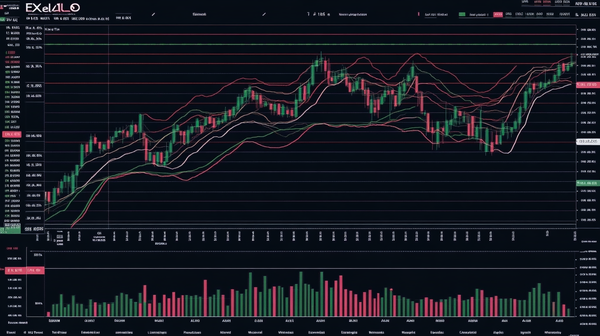
From a desktop browser, the WebTrader stayed stable through repeated sessions, and the layout didn’t drown me in clutter: watchlist on the left, chart center, ticket on the right. Order types covered the essentials (market, limit, stop, plus SL/TP), and execution during the Tokyo morning was consistent enough that I could size positions without second-guessing the ticket. I did not see MT4/MT5 inside my account area; that’s not a deal-breaker, but it does mean fewer third-party add-ons and fewer copy-trading ecosystems than the MetaTrader world.
Lucrianza App: Mobile Trading Experience
The Lucrianza app mirrored the web layout surprisingly well: real-time quotes, quick position management, and a clean trade ticket for one-tap risk controls. My Lucrianza login remained persistent with biometric unlock enabled, and I could trigger deposits and withdrawals from the same menu without hunting. Push notifications were available for fills and price alerts, though I’d still avoid “phone-only” trading during fast news because small screens hide depth and context.
Charting, Tools & Research
Charting included the basics—multiple timeframes, common indicators (RSI, MACD, moving averages, Bollinger), and drawing tools for levels. An economic calendar and headline feed were embedded, which is enough to avoid being blindsided by CPI or a central-bank rate decision. Still, if you’re used to MT5/cTrader analytics, you’ll notice the ceiling: fewer advanced order-routing options, fewer strategy backtests, and less community tooling.
Lucrianza Account Opening & Minimum Deposit
Tokyo time, I registered with email, phone, and a short profile questionnaire, then moved straight into identity checks. The KYC checklist was standard: a government-issued photo ID plus a recent utility bill/bank statement for address, and my verification cleared within the same business day. Funding was only enabled after the profile steps were completed, which reduces the “deposit first, verify later” mess you sometimes see offshore.
- Minimum Deposit: $200 (this is the Lucrianza minimum deposit I was shown at checkout)
- Funding Methods: Visa/Mastercard, bank wire, regional e-wallets, and crypto (BTC and USDT were available in my portal)
- Demo Account: $10,000 virtual balance for testing spreads, margin behavior, and order handling
- Account Types: Standard (spread-only) and Raw/ECN-style (tighter spreads + commission)
One thing I appreciated: the client area spells out base-currency settings early, so you can avoid accidental conversion drag. If you’re using crypto rails, keep screenshots of TXIDs and timestamps—support asked for them when I queried deposit crediting, and that’s a sensible operational habit for any broker, including Lucrianza.
Lucrianza Customer Support Review
I tested support with two questions that real traders ask: swap rates on gold for multi-day holds, and the exact timing for a crypto withdrawal cut-off. Live chat connected in roughly three minutes and the agent pointed me to the instrument-spec panel for swap plus the wallet page for withdrawal status tracking. For email, I submitted a ticket asking whether negative balance protection applies during volatile gaps; the reply landed in about nine hours with a cautious “retail accounts are protected,” paired with a warning that extreme market moves can still cause fast margin events.
Coverage is the typical 24/5 pattern, which fits FX and index trading but goes quiet over the weekend even though crypto pricing continues. Language support looked region-dependent; English was fine, and I saw additional options in the menu, but I wouldn’t assume Japanese coverage without checking first. Phone help wasn’t prominent in my portal, so treat this provider as chat/ticket-first.
Ready to Explore Lucrianza?
If you’re considering this broker, start by confirming your country eligibility and comparing Standard vs. Raw pricing on the instruments you actually trade. A demo run can reveal spread behavior around session opens before you commit real capital.
Lucrianza Review FAQ
Is Lucrianza good for beginners?
It can be, as long as you keep leverage small and use the demo first. The interface is not complicated, and the Standard account avoids commission math. The real beginner risk is the 1:500 ceiling—new traders tend to over-size and get liquidated.
Can I trade crypto on Lucrianza?
Yes, crypto CFDs such as BTC/USD and ETH/USD were available on my account. You’re trading a derivative contract, not receiving coins to a wallet. That means no on-chain withdrawals of bitcoin—just P&L inside the trading account.
Is Lucrianza a scam?
No, based on my 2026 usage it behaved like an operational broker: KYC checks were enforced and withdrawals processed. The more accurate concern is jurisdiction—offshore registration gives you fewer formal protections than a top-tier regulator. Treat it as high-risk infrastructure for high-risk products.
Is Lucrianza available in the USA?
No, the USA is restricted. If your documents or IP indicate US residency, you should expect the signup or verification process to stop. That’s consistent with most offshore CFD offerings.
How long does a Lucrianza withdrawal take?
Most withdrawals are processed internally within 24–48 hours after KYC is complete. Receipt time then depends on the rail: cards commonly take 2–5 business days, bank wires 3–7 business days, and crypto is often same-day. My crypto withdrawal hit the destination wallet a few hours after approval.
What is the Lucrianza minimum deposit?
The Lucrianza minimum deposit is $200 on the funding screen I used. That level is enough to test small position sizes, but it’s still real money at risk once leverage is applied. If you’re new, deposit less and trade smaller—survival comes first.
Does Lucrianza have a mobile app?
Yes, there’s an iOS/Android mobile app, and it’s the same account as the web terminal. You can place trades, manage SL/TP, and handle deposits and withdrawals from the phone. For fast markets, I still prefer desktop charts for context.
Final Verdict: Should You Use Lucrianza in 2026?
Overall Score: 4.0/5
If your priority is trading flexibility—FX/indices/gold plus crypto CFDs—this broker delivers the core mechanics without fuss, and my end-to-end cash-out test didn’t break. The Raw tier can price tightly enough for active traders, while Standard keeps things simple for occasional entries. Still, offshore oversight is not the same as a bank-backed safety net, and 1:500 leverage is a blade that cuts fast. Use position sizing like you mean it, and remember CFDs are leveraged; capital is at risk. For a tactical, execution-first setup, Lucrianza is a reasonable pick in 2026.
Best for: experienced CFD traders who want high leverage and multi-asset access with a simple WebTrader. Avoid if: you require Tier-1 regulation, deep research tools, or you can’t control risk when leverage is available.