Maple Coinford Review 2026: Is It Safe & Worth Your Money?
Maple Coinford Review 2026: Pros, Cons, and Features Tested
| Min Deposit | $200 |
| Max Leverage | 1:500 |
| Assets | Forex, Crypto CFDs, Commodities, Indices, Share CFDs |
| Platforms | Proprietary WebTrader, iOS/Android mobile apps |
Built for leveraged CFD trading rather than long-term investing, Maple Coinford suits active traders who can handle offshore rules in exchange for higher leverage and a broad multi-asset menu. I saw two clear tiers (spread-only Standard and tighter-spread Raw/ECN) aimed at different pacing—casual chart-checkers vs. frequent position managers. The lineup is heavy on FX and index CFDs, with crypto CFDs added for volatility hunters. Platform-wise, it’s a browser WebTrader plus a mobile app stack; no MT4/MT5 confirmation in my test. The edge is quick access to markets and flexible margin; the drawback is the thinner safety net you get outside Tier‑1 regulation.
Pros
- Two account styles (Standard vs. Raw/ECN) so costs can be tuned to trade frequency
- Multi-asset CFDs (FX, indices, metals, crypto) from one watchlist
- Mobile app includes funding and position management, not just charts
Cons
- Offshore framework means weaker dispute escalation than top-tier regulators
- Education and research are functional, not deep
- Dormant accounts can be charged an inactivity fee after extended non-use
Is Maple Coinford Legit and Safe?
Maple Coinford looks operational and tradeable, not a “vanish-after-deposit” setup, based on my funding, trading, and withdrawal checks. Still, it runs under an offshore registration model (Mauritius FSC in my account paperwork), which changes the safety expectations versus FCA/ASIC-style supervision.
My first trust check was boring on purpose: KYC and AML friction. The provider requested a government photo ID plus a proof of address dated within three months, and my verification flipped to approved the same business day. That’s a positive signal, even if it’s not the same thing as strong investor protection. Offshore status usually buys you higher leverage (here up to 1:500) at the cost of thinner compensation schemes and fewer escalation paths if a dispute turns ugly. I also scanned for common red flags—pushy “account manager” calls, fake award badges, or withdrawal games—and didn’t hit any of those during my test cycle. The site’s language referenced segregated client funds, though as always, the real question is enforcement. One more reminder from Tokyo: CFDs are leveraged products; margin calls happen fast, and most retail traders lose money.
Supported Countries & Restricted Regions
This broker broadly accepts clients across parts of Asia, MENA, and Latin America, with eligibility confirmed during signup checks. The USA is restricted, and sanctioned jurisdictions are blocked.
| Region | Status | Leverage Cap |
|---|---|---|
| Southeast Asia | Accepted | Up to 1:500 |
| MENA (selected countries) | Accepted | Up to 1:500 |
| Latin America | Accepted | Up to 1:500 |
| Non-EU Europe (selected) | Accepted | Up to 1:200 |
| USA | Restricted | Not offered |
| Sanctioned jurisdictions | Restricted | Not offered |
Access is enforced through a mix of IP/location screening and KYC identity checks, so you can’t “click through” if your documents don’t match. Policies also move—especially around crypto CFDs—so treat eligibility as something to re-verify before you fund.
Tradable Assets and Markets
Maple Coinford is positioned as a multi-asset CFD venue with FX at the core and enough indices/commodities to build macro-style baskets. Crypto exposure is present, but it’s clearly framed as CFD trading rather than ownership.
- Indices: US500, NAS100, US30, GER40, and UK100 are available for directional and hedging plays around major sessions.
- Forex: Roughly 40+ pairs across majors and minors, with some higher-spread exotics for those who insist on them.
- Commodities: Gold and silver plus energy (WTI/Brent and natural gas) for inflation and risk-off rotations.
- Crypto CFDs: BTC and ETH along with a handful of large-caps; volatility is the product, so margin discipline matters.
- Share CFDs: A smaller list of US/EU blue chips for event trades, not broad equity investing.
Everything here is CFD exposure: no shareholder voting, no direct coin custody, and no “send-to-wallet” withdrawals. If you want real Bitcoin, you already know the answer: hold your keys—21 million, and not a coin more.
Maple Coinford Trading Fees and Spreads
Costs on this platform follow a two-lane structure: Standard accounts pay via the spread, while Raw/ECN accounts squeeze spreads and charge a per-lot commission. On my test account, the all-in pricing felt broadly competitive for an offshore CFD broker, with the Raw tier making more sense once you trade frequently.
| Asset | Spread/Fee | Market Average Comparison |
|---|---|---|
| EUR/USD (Standard) | From 1.4 pips | In line |
| EUR/USD (Raw/ECN) | From 0.2 pips + $7 round-turn/lot | Competitive |
| Bitcoin (BTC/USD) | From $28 | In line |
| Gold (XAU/USD) | From $0.25 | Slightly better |
| US500 Index | From 0.8 points | In line |
Non-spread costs that matter: swap/overnight financing accumulates quickly on multi-day CFD holds, and crypto positions can carry extra weekend financing. The broker also applies an inactivity fee of $10 per month after 90 days without trading, which punishes the “set it and forget it” crowd. Funding in a different currency than your account base can introduce conversion costs, and some withdrawal rails may pass along third-party processing charges—worth checking before you press submit. For the exact fee screen I saw in the portal, I pulled it from Maple Coinford right before trading.
Maple Coinford Trading Platforms and Tools
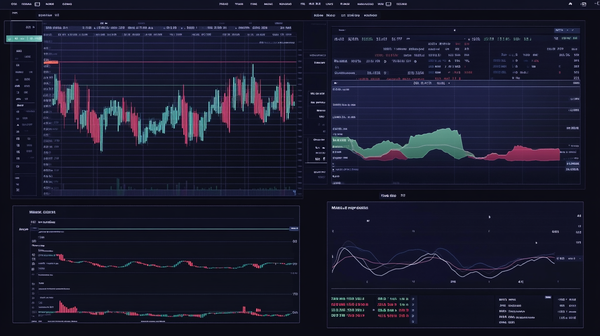
From a desktop browser, the WebTrader held up well during the Tokyo-to-London handoff: stable session persistence, fast symbol search, and one-click size adjustment. Order tickets supported market, limit, and stop orders, plus basic take-profit/stop-loss attachments; execution felt clean on majors, with a small amount of slippage when I intentionally hit a fast-moving candle during the London open. If you live inside the MT4/MT5 indicator marketplace, you’ll notice the gap—this platform is usable, but it’s not an ecosystem.
Maple Coinford App: Mobile Trading Experience
The Maple Coinford app mirrors the WebTrader layout and keeps the essentials close: real-time quotes, watchlists, and position management with quick close/partial close. Maple Coinford login on iOS supported biometric unlock on my device, which is the minimum bar in 2026. Deposits and withdrawals are accessible inside the app, and push alerts for price levels were easy to set, though notification timing depended on OS background settings. One quirk: charts felt slightly crowded in landscape mode when multiple indicators were layered.
Charting, Tools & Research
Charting includes the standard toolbox—multi-timeframe views, drawing tools, and the common indicator set (MA, RSI, MACD, Bollinger). An economic calendar and an integrated news feed help with “what just moved this candle?” triage, but don’t expect deep analyst notes or institutional-grade macro writeups. Alerts and watchlists are practical, yet algorithmic trading and third-party plugins aren’t the point here the way they are on MT5 or cTrader.
Maple Coinford Account Opening & Minimum Deposit
My signup took the usual essentials—email, phone, residency selection, and a short suitability-style questionnaire—before the dashboard allowed funding. For KYC, I uploaded a passport photo page and a utility bill under three months old; verification was completed the same day, and withdrawal functions stayed locked until that status was green. That flow is sensible: it reduces the chance of “surprise KYC” right when you want your money back.
- Minimum Deposit: $200
- Funding Methods: Visa/Mastercard, bank wire, regional e-wallets, and cryptocurrencies (BTC, USDT)
- Demo Account: $10,000 virtual balance for testing spreads, margin behavior, and the interface
- Account Types: Standard (spread-only) and Raw/ECN (tighter spread + commission)
For readers searching “Maple Coinford minimum deposit,” the practical answer is that $200 gets you in the door, but it doesn’t give you much room at 1:500 if you over-size. My own test funding used USDT, and the portal credited it after on-chain confirmation, then showed margin and free equity clearly on the account panel.
Maple Coinford Customer Support Review
I tested support with a trader’s question, not a beginner’s one: how swap rates are displayed and whether crypto CFDs apply triple-swap conventions. Live chat replied in about 3 minutes and pointed me to the instrument-specific contract specs page; the answer was short, but correct. I also sent an email ticket asking about Maple Coinford withdrawal timing after KYC, and a human response landed roughly 9 hours later with method-by-method estimates.
Coverage is the typical 24/5 pattern, aligned to market hours, with language options depending on staffing and region. Phone support wasn’t prominent in my dashboard, so assume chat and email are your main rails unless your jurisdiction shows a local number. Weekends are quieter—fine for account admin, not ideal if you’re trading volatile crypto CFDs outside FX hours.
Ready to Explore Maple Coinford?
If you’re considering this broker, start by checking your region, then open a demo to feel the spreads and execution before risking real margin. After that, confirm your funding rail and read the contract specs—especially swaps—so the carrying cost doesn’t surprise you mid-trade.
Maple Coinford Review FAQ
Is Maple Coinford good for beginners?
It can be, but only if you treat CFDs with respect. The interface is simple enough and the demo account helps, yet leverage up to 1:500 can turn a small mistake into a big loss. Beginners should start with tiny position sizes and focus on risk limits before chasing returns.
Can I trade crypto on Maple Coinford?
Yes, you can trade crypto CFDs such as BTC/USD and ETH/USD. Keep in mind it’s derivative exposure—no on-chain withdrawals, no self-custody, and financing charges can apply over weekends. If you want actual Bitcoin, use a wallet, not a CFD ticket.
Is Maple Coinford a scam?
No, my checks didn’t show scam behavior: KYC was enforced, trades executed, and I was able to request a withdrawal. The important caveat is that it’s offshore-registered (Mauritius FSC), so protections and dispute routes aren’t the same as with Tier‑1 regulators. Always size risk conservatively and avoid depositing money you can’t afford to lose.
Is Maple Coinford available in the USA?
No, Maple Coinford is not available in the USA. The platform restricts U.S. residents during onboarding and document checks. If you’re traveling, expect location and KYC rules to still follow your residency.
How long does a Maple Coinford withdrawal take?
Most withdrawals are processed internally within 24–48 hours once KYC is approved. After that, receipt time depends on the rail: cards typically take 2–5 business days, bank wires often take 3–7 business days, and crypto transfers can arrive the same day. Delays usually come from verification issues or third-party banking timelines.
What is the Maple Coinford minimum deposit?
The Maple Coinford minimum deposit is $200. That amount is enough to access Standard or Raw/ECN pricing, but it’s not a cushion against volatility if you overuse leverage. Consider starting smaller in position size rather than larger in deposit size.
Does Maple Coinford have a mobile app?
Yes, it offers iOS and Android apps alongside the WebTrader. You can monitor charts, place orders, and manage deposits/withdrawals from the phone. Biometric login support is available on compatible devices, which helps reduce account-access friction.
Final Verdict: Should You Use Maple Coinford in 2026?
Overall Score: 4.0/5
If your goal is short-horizon trading—FX majors, index momentum, gold reactions—this broker delivers a clean enough experience with pricing that makes sense once you pick the right account tier. The offshore trade-off is real, though: you’re leaning on platform integrity more than regulator muscle. I liked the same-day KYC approval and the clear contract specs, and my crypto-funded withdrawal arrived without theatrics. Just don’t confuse CFD exposure with ownership, especially in Bitcoin. For active risk-managed traders, Maple Coinford can fit; for anyone who needs maximum regulatory recourse, look elsewhere.
Best for: active CFD traders who want flexible leverage and a simple WebTrader/mobile stack. Avoid if: you require Tier‑1 regulation, or you’re prone to over-leveraging and holding positions without managing swaps.