
Memorifund AI Trading Platform Alternatives 2026
Memorifund AI Trading Platform Alternatives 2026: Reliable Options for Online Traders
Leverage is a blade. It cuts clean when your execution is tight, and it bleeds you out when the broker sits offshore, the rules are fuzzy, and the withdrawal queue feels like a black box. That tension is why “AI trading platforms” keep attracting retail traders—especially those chasing quick FX/CFD exposure without learning the boring parts: regulation, custody, and how a margin call actually works. Memorifund AI appears to sit in the familiar offshore CFD lane (commonly associated with places like the Seychelles FSA), offering a proprietary WebTrader plus mobile apps, a relatively low entry point around $250, and headline leverage that can run as high as 1:500. That combination is not rare; it’s the template for high-risk, high-friction brokerage experiences.
Still, I get why people try it. A browser platform is easy. Crypto CFDs and indices are “right there.” The interface tells you a story of control. But if you trade for more than a few weeks, reality shows up as spreads, slippage, overnight financing, and the part nobody advertises: what happens when you want your money back. That’s where Memorifund AI alternatives matter—because better execution policies, stronger investor safeguards, and clearer fee schedules can be the difference between a bad month and a broker problem.
Below, I map out “Memorifund AI trading platform alternatives 2026” with a US/EU lens: who is regulated, who gives real multi-asset access (not just CFDs), and which platforms support serious tooling like MT4/MT5/cTrader. Banks and fiat? I’m not here to praise them. But if you insist on leveraged CFDs, at least trade them where rules exist.
Disclaimer: This article is for informational purposes only and does not constitute investment advice. CFDs and other leveraged products carry a high risk of loss and may not be suitable for all investors.
Key Takeaways (TL;DR)
- Offshore CFD venues can advertise 1:500 leverage, but the real risk is weak investor protection—FCA/ASIC/CySEC/NFA oversight changes the game.
- If you need real stocks/ETFs (not stock CFDs), a multi-asset broker like IBKR or Saxo is a different category than most platforms like Memorifund AI.
- Compare “round-turn” cost (spread + commission) and execution model (market maker vs STP/ECN/DMA) before you fund an account.
What Is Memorifund AI and How Does Its Trading Platform Work?
From what’s publicly typical for this broker category, Memorifund AI looks like an offshore, CFD-first operation aimed at retail traders who want quick access to forex pairs, indices, commodities, and crypto CFDs without the heavier workflow of a multi-asset institution. USA access is generally restricted in this segment, and eligibility often varies by jurisdiction due to local rules and sanctions screening (KYC/AML still applies, even offshore). In practice, the trade experience tends to be centered on short-term speculation: small deposits, high leverage (commonly up to 1:500), and a menu of instruments sized more like “a curated list” than a full market.
Memorifund AI Web Trading Platform: Core Features and Tools
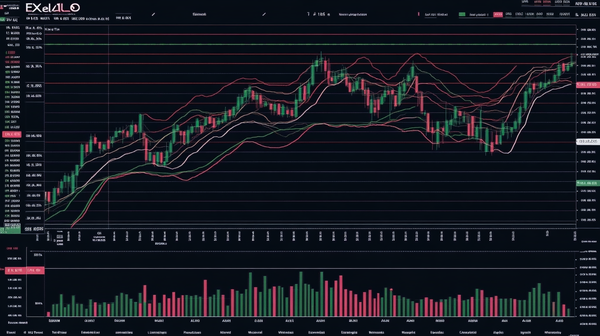
Start with the interface: a proprietary WebTrader in the browser, typically paired with iOS/Android apps. You usually get the essentials—watchlists, basic charting, timeframes, a set of indicators, and drawing tools that are adequate for retail technical analysis. Order entry is commonly market/limit/stop, with a simple position view and margin overview in the dashboard. Where these platforms like Memorifund AI often feel thin is depth: fewer advanced order types, less robust strategy testing, and limited automation compared with MT4/MT5 or cTrader. Mobile parity is often decent for monitoring and closing risk, but heavy analysis still favors desktop-grade tooling.
Trading Fees, Spreads, and Account Types at Memorifund AI
Cost is the quiet tax. A typical Standard-style setup in this offshore CFD lane often shows EUR/USD around ~2.0 pips in normal conditions, with wider moves during volatility. Some brokers in this class also advertise a “Raw/ECN” tier with near-zero spreads (roughly 0.0–0.4 pips) but then charge a commission, often in the ballpark of $6 round-turn. Add overnight swap/financing charges for positions held past rollover, and you’ll feel it most on indices and crypto CFDs. You may also encounter withdrawal fees or processing friction; those aren’t always front-and-center in the marketing, but they matter more than a flashy leverage number.
When Do Traders Start Looking for Memorifund AI Alternatives?
Risk tolerance is personal, but broker risk is structural. Traders usually start hunting for Memorifund AI alternatives when the “trading problem” stops being about entries and becomes about plumbing—execution rules, funding/withdrawals, and whether anyone credible stands behind the brand when a dispute happens. The other common trigger is strategy growth: once you move beyond casual clicks into systematic trading, the limits of a basic WebTrader show up fast. Competitors to Memorifund AI in regulated jurisdictions may feel stricter on onboarding, but they often trade that friction for clearer client-money handling and more transparent reporting.
- You need MT4/MT5 or cTrader for EAs, advanced order management, or better analytics than a proprietary WebTrader provides.
- You’re paying the spread every round-trip and realize a “~2.0 pip” EUR/USD environment punishes frequent trading strategies.
- You want investor-protection mechanisms (segregated client funds, clearer dispute paths, and compensation schemes where applicable) that offshore setups typically don’t match.
- You want real stocks/ETFs or futures access rather than “everything as a CFD” with financing costs and no ownership rights.
How to Choose a Reliable Alternative to the Memorifund AI Trading Platform
Think of selection as a fit-to-strategy exercise, not a beauty contest. Your goal is to reduce non-market risk—custody, execution, and operational surprises—while keeping your trading workflow intact. For alternatives to the Memorifund AI trading platform, I prioritize verifiable regulation, clear fee math (spread + commission + swap), and platform capability that matches how you actually trade.
Regulation, Safety, and Investor Protection
Regulation isn’t a vibe; it’s a set of enforceable obligations. FCA (UK), ASIC (Australia), CySEC (EU), and NFA/CFTC (US) oversight typically implies segregated client funds and standardized disclosures. In the UK, FCA-regulated firms may fall under FSCS protection up to £85,000 (eligibility depends on circumstances). In Cyprus, CySEC firms may be covered by the ICF up to €20,000. No scheme makes trading “safe,” but these frameworks change what happens when a firm fails.
Available Markets and Instruments
Ask a blunt question: do you need price exposure or actual ownership? FX/indices/commodities via CFDs can be enough for short-term trading. If you want to hold equities long-term, vote proxies, or avoid perpetual financing costs, you’ll want brokers offering real stocks/ETFs and possibly options or futures. Many brokers similar to Memorifund AI skew CFD-heavy; multi-asset firms (IBKR, Saxo) are built for broader portfolios.
Trading Costs: Spreads, Commissions, and Other Fees
Headlines lie; round-turn costs don’t. Compare (1) spread paid at entry/exit, (2) commissions on Raw/ECN accounts, (3) swap/overnight fees, and (4) non-trading fees like inactivity or withdrawals. If you scalp 100+ round-trips a month, a difference between 2.0 pips and 0.6 pips is not “small”—it’s the strategy. Top substitutes for Memorifund AI often win here by offering tighter pricing and more consistent execution policies.
Platforms, Tools, and Execution Quality
Platform determines what’s possible. MT4/MT5 enable EAs and a massive ecosystem; cTrader is popular with execution-focused traders; proprietary platforms can be clean but narrower. Execution model matters too: market maker vs STP/ECN/DMA affects how orders are filled, what slippage looks like, and how spreads behave around news. If your plan relies on low latency or precise stops, test with small size before scaling.
Support, Education, and Overall User Experience
Operational quality shows up when something breaks. Look for support hours that match your trading session (London/NY overlap matters), response times, and whether the broker can explain margin calls and negative balance protection in plain language. Education is useful only if it’s specific—platform tutorials, contract specs, swap tables, and risk examples. For regulated options vs Memorifund AI, the documentation is usually more formal and easier to audit.
Memorifund AI and Different Asset Classes: When Alternatives May Be Better
Memorifund AI Forex and CFD Trading
Forex/CFDs are where offshore venues try to shine: high leverage, simple onboarding, and enough instruments to keep you clicking. With Memorifund AI, a reasonable expectation for this category is ~30–50 FX pairs, 8–15 indices, and a modest commodities list, wrapped in a WebTrader and mobile app. The catch is the trade math: a typical EUR/USD spread around ~2.0 pips can be expensive for active traders, and execution quality (slippage during volatility, requotes, or widened spreads) is hard to evaluate without strong disclosures. FX/CFD specialists like Pepperstone and OANDA tend to be clearer about pricing and tooling (MT4/MT5/cTrader or mature proprietary platforms). If your edge is small, the broker’s microstructure becomes your biggest enemy.
Memorifund AI Stock and ETF Trading
Here’s the line most retail traders miss: a stock CFD is not a stock. If Memorifund AI offers equities exposure, it’s commonly via CFDs—meaning no shareholder rights, financing costs for holding, and different tax/accounting treatment depending on jurisdiction. If your goal is long-term accumulation (even if you hate fiat, you still measure performance in it), you may prefer real market access with transparent routing and custody. Interactive Brokers (IBKR) is the obvious benchmark for broad global stocks/ETFs, options, futures, and FX under major regulators. Saxo is another multi-asset alternative that can bridge active trading and investing workflows. For traders comparing Memorifund AI alternatives, this is often the biggest “category upgrade”: from synthetic exposure to actual assets.
Memorifund AI Crypto Trading
Crypto is where marketing gets loud and definitions get sloppy. In offshore CFD setups, “crypto trading” frequently means crypto CFDs—price exposure only, no on-chain withdrawal, no self-custody, and no “not your keys” escape hatch. That can be fine for short-term hedging, but it’s not Bitcoin ownership. If you want regulated CFD exposure, brokers like IG (jurisdiction-dependent) and Pepperstone (through CFD listings where available) can provide a more supervised framework than many offshore shops, though product availability varies by region and regulation. If you want actual BTC, you’re leaving the CFD world entirely—and yes, banks hate that. “21 million — and not a coin more.”
Best Memorifund AI Alternatives for 2026: Comparison of Top Trading Platforms
Interactive Brokers (IBKR): Key Facts and How It Compares to Memorifund AI
Regulation: SEC/FINRA (US), FCA (UK), IIROC (Canada) (entity varies by region)
Markets: Stocks, ETFs, options, futures, bonds, FX; CFDs in some regions
Fees: Varies by market/venue; FX pricing typically tight with transparent commissions; equity commissions often low but tiered
Platform: Trader Workstation (TWS), IBKR Mobile, Client Portal APIs
Best For: Real multi-asset access beyond CFDs
Pepperstone: Key Facts and How It Compares to Memorifund AI
Regulation: FCA (UK), ASIC (Australia), CySEC (EU), DFSA (Dubai)
Markets: FX and CFDs (indices, commodities, some crypto CFDs depending on region)
Fees: Standard spreads often from ~1.0 pip; Raw-style accounts commonly near 0.0–0.3 pips + commission (varies by entity)
Platform: MT4, MT5, cTrader, TradingView integration (availability varies)
Best For: Low-spread FX execution for active traders
Saxo Bank: Key Facts and How It Compares to Memorifund AI
Regulation: FCA (UK), MAS (Singapore), DFSA (Dubai) (entity varies by region)
Markets: Stocks, ETFs, bonds, options, futures, FX, CFDs
Fees: Platform pricing depends on tier; FX spreads commonly competitive with commissions/markup by account level
Platform: SaxoTraderGO, SaxoTraderPRO
Best For: Portfolio-style trading with strong research tools
OANDA: Key Facts and How It Compares to Memorifund AI
Regulation: CFTC/NFA (US), FCA (UK), ASIC (Australia), IIROC (Canada)
Markets: FX (core), CFDs in certain regions (indices/commodities depending on entity)
Fees: Typically spread-only pricing with variable spreads; costs depend on market conditions and jurisdiction
Platform: OANDA web/mobile, MT4 (availability varies)
Best For: US-eligible FX traders who need regulation
IG: Key Facts and How It Compares to Memorifund AI
Regulation: FCA (UK), ASIC (Australia), MAS (Singapore)
Markets: CFDs (indices, FX, commodities, shares where available); spread betting in the UK; some regions offer share dealing
Fees: CFD pricing is typically spread-based; costs vary by instrument with financing for held positions
Platform: IG Trading Platform, ProRealTime (in some regions), MT4 (where offered)
Best For: Broad CFD market coverage with strong oversight
CMC Markets: Key Facts and How It Compares to Memorifund AI
Regulation: FCA (UK), ASIC (Australia), BaFin (Germany)
Markets: CFDs across FX, indices, commodities, shares (product set depends on region)
Fees: Competitive spread-based pricing on major FX pairs; instrument-specific financing applies
Platform: Next Generation platform, MT4 (where available)
Best For: Platform-first discretionary CFD trading
Comparison Summary
| Platform | Regulation | Main Markets | Typical Costs | Best For |
|---|---|---|---|---|
| Interactive Brokers (IBKR) | SEC/FINRA, FCA, IIROC | Stocks/ETFs, options, futures, bonds, FX | Market-based pricing; FX typically tight + commission; equities tiered | Real multi-asset access beyond CFDs |
| Pepperstone | FCA, ASIC, CySEC, DFSA | FX + CFDs | Standard ~1.0+ pip; Raw near 0.0–0.3 pip + commission | Low-spread FX execution for active traders |
| Saxo Bank | FCA, MAS, DFSA | Multi-asset (incl. stocks/ETFs, options, futures, FX) | Tiered pricing; FX competitive by account level | Portfolio-style trading with strong research tools |
| OANDA | CFTC/NFA, FCA, ASIC, IIROC | FX (core), CFDs in some regions | Generally variable spreads; spread-only model in many regions | US-eligible FX traders who need regulation |
| IG | FCA, ASIC, MAS | CFDs; spread betting (UK); some share dealing | Spread-based; financing on held CFD positions | Broad CFD market coverage with strong oversight |
| CMC Markets | FCA, ASIC, BaFin | CFDs across major asset classes | Competitive spreads; instrument-dependent financing | Platform-first discretionary CFD trading |
How to Safely Move from Memorifund AI to Another Broker
Switching brokers is less about convenience and more about controlling failure modes. Do it in sequence, keep records, and assume nothing transfers automatically—not positions, not margin, not even your price history. If you’re coming from Memorifund AI, treat the process like a controlled unwind: reduce leverage first, then move funds, then rebuild the strategy stack. And remember: the biggest losses during migration often come from rushed trades, not paperwork.
- Confirm the new broker’s regulator on the official public register (FCA Register, ASIC Connect, CySEC directory, or NFA BASIC) and match the legal entity name exactly.
- Open the new account and complete KYC early (ID plus proof of address); wait for approval before you touch your old setup.
- Export statements, trade history, and funding records from your current account so you can reconcile performance and taxes later.
- Flatten open positions at the old broker, then re-enter on the new venue if you still want the exposure; don’t assume any position transfer process exists.
- Withdraw funds using the same rail you deposited with when possible, because AML rules often require “return to source” flows.
Ready to Explore Memorifund AI?
If you’re comparing conditions side-by-side, check current eligibility for your country, the platform stack, and the fee schedule before funding. Screenshots and promises are cheap; contract specs and withdrawal rules are where the truth hides.
FAQ: Memorifund AI Alternatives and Trading Platforms
What is the best alternative to Memorifund AI in 2026?
The best option depends on whether you want real multi-asset access or mainly FX/CFDs. For broad stocks/ETFs/options/futures under major oversight, Interactive Brokers (IBKR) is hard to beat; for execution-focused FX trading, Pepperstone is a strong candidate due to MT4/MT5/cTrader support and competitive Raw-style pricing. If your priority is a supervised CFD lineup with mature platforms, IG or CMC Markets can fit.
Is Memorifund AI a safe broker/platform?
Memorifund AI appears consistent with an offshore/unregulated framework (commonly associated with the Seychelles FSA category), which generally offers weaker investor protections than FCA/ASIC/CySEC/NFA-supervised firms. That doesn’t automatically mean fraud, but it does mean fewer formal backstops such as compensation schemes and standardized dispute processes. If safety is your main constraint, prioritize regulated brokers with segregated client funds and clear negative balance protection rules.
Can I trade stocks, futures, or crypto with Memorifund AI?
Memorifund AI is typically positioned around FX and CFDs, so stocks are often offered as stock CFDs (if offered at all), and futures access is usually not the same as trading exchange-listed futures. Crypto exposure in this lane is commonly via crypto CFDs—price exposure without on-chain ownership or withdrawals. For real stocks/ETFs and listed futures, brokers like IBKR or Saxo are closer to what most traders mean by “the real market.”
What should I check before switching from Memorifund AI to another platform?
Before moving, verify the new broker’s regulator on the official register, then compare round-turn costs (spread + commission) and the execution model (market maker vs STP/ECN/DMA) for your main instruments. Confirm funding/withdrawal rails, margin policy, and whether negative balance protection applies in your jurisdiction. Finally, collect statements from Memorifund AI and test the new venue with small size so slippage and platform stability are observed, not assumed.
About the Author: Kenji Tanaka is a Tokyo-based financial journalist and active trader with a background in cryptography studies. I’m Bitcoin-orthodox—“21 million — and not a coin more”—and I have zero patience for fiat theater, but I’m even less tolerant of sloppy risk management when people trade leveraged CFDs.