Meritbrace Equity Review 2026: Is It Safe & Worth Your Money?
Meritbrace Equity Review 2026: Pros, Cons, and Features Tested
| Min Deposit | $200 |
| Max Leverage | 1:500 |
| Assets | Forex CFDs, Crypto CFDs, Commodities CFDs, Index CFDs, Share CFDs |
| Platforms | Proprietary WebTrader, iOS app, Android app |
Built like a modern CFD venue, Meritbrace Equity suits traders who want multi-asset leverage and quick access—at the cost of operating under an offshore framework with lighter investor backstops. In my Meritbrace Equity review, I ran both a Standard and a tighter-spread Raw-style setup, then stress-tested order handling during the Tokyo-to-London handover. The instrument list is broad enough for a macro routine (FX, indices, metals) with crypto CFDs as a side dish—just remember: that’s paper exposure, not coins in self-custody. The WebTrader is the center of gravity, with mobile apps for monitoring and funding; the weak spot is the regulatory ceiling and the usual extra fees (swap, inactivity) that punish lazy account hygiene. For the details, start here: Meritbrace Equity.
Pros
- Two pricing styles: spread-only Standard and commission-based Raw for active trading
- Solid market coverage (FX, indices, metals, oil, crypto CFDs, select shares)
- Mobile apps include funding/withdrawal controls, not just chart watching
Cons
- Offshore registration model means fewer formal dispute routes than Tier‑1 regulators
- Education/research is functional, not deep like top-tier MT5 ecosystems
- Account dormancy can trigger an inactivity charge if you disappear
Is Meritbrace Equity Legit and Safe?
Meritbrace Equity looked operational and tradeable in my tests, not like a “vanish with your deposit” storefront. That said, it runs under an offshore registration model (I observed Seychelles FSA referenced), so safety depends more on the broker’s controls than on strong statutory compensation schemes.
Seychelles FSA-style oversight typically allows higher leverage and looser product packaging, which is exactly what you see here: generous margin settings, fast onboarding, and a platform optimized for CFDs. The trade-off is practical—if you end up in a dispute, escalation options are thinner than in the UK/EU, and “segregated client funds” language (which I did see in the legal pages) is not the same as a government-backed guarantee. During my test window, I watched for the usual red flags: fake trophy-badge marketing, relentless sales calls, and withdrawal stalling. I didn’t get pressured into “account managers,” KYC was enforced before withdrawal, and the payout request didn’t turn into a hostage situation. Still, understand the product: CFDs use leverage, margin calls happen, and most retail traders lose money—risk what you can afford to burn.
Supported Countries & Restricted Regions
The platform is positioned for international clients across parts of Europe (non‑EU), MENA, LATAM, and segments of Asia, while the USA and sanctioned jurisdictions are blocked.
| Region | Status | Leverage Cap |
|---|---|---|
| Latin America (selected) | Accepted | Up to 1:500 |
| MENA (selected) | Accepted | Up to 1:500 |
| Southeast Asia (selected) | Accepted | Up to 1:500 |
| Europe (non‑EU, selected) | Accepted | Up to 1:200–1:500 (varies) |
| USA | Restricted | Not offered |
| Sanctioned jurisdictions | Restricted | Not offered |
In practice, eligibility is enforced through a mix of signup declarations, IP checks, and KYC review; the provider can tighten or expand coverage without much warning, so confirm your residency status before funding.
Tradable Assets and Markets
This broker feels “FX-and-index first,” with crypto CFDs added for volatility hunters and a smaller share-CFD shelf for headlines and earnings plays.
- Indices (CFDs): US500, NAS100, US30 plus staples like GER40 and UK100 for macro-driven sessions.
- Forex (CFDs): A majors-heavy roster with enough minors to build correlation trades; execution stayed usable around the London open.
- Commodities (CFDs): XAU/USD and XAG/USD are the main event, with WTI/Brent available for energy risk.
- Crypto (CFDs): BTC and ETH lead the list, with a handful of large-cap names for weekend exposure.
- Share CFDs: A curated set of US/EU blue chips—fine for tactical trades, not a full equity universe.
All exposure here is via CFD contracts: you’re not receiving shareholder rights, and crypto positions are not on-chain—no withdrawals to your own wallet, no “21 million” purity, just price tracking with leverage.
Meritbrace Equity Trading Fees and Spreads
Meritbrace Equity fees follow a two-lane structure: Standard accounts bake costs into the spread, while a Raw/ECN-style tier tightens EUR/USD toward near-zero and adds a per-lot commission. On balance, the total cost is broadly competitive for offshore CFD brokers, but it’s not the cheapest once swaps and non-trading fees enter the math.
| Asset | Spread/Fee | Market Average Comparison |
|---|---|---|
| EUR/USD (Standard) | From 1.6 pips | In line |
| EUR/USD (Raw/ECN) | From 0.2 pips + $7 round-turn/lot | Competitive |
| Bitcoin (BTC/USD) | From $35 (variable) | Slightly better than average in calm markets |
| Gold (XAU/USD) | From $0.30 | In line |
| US500 Index | From 0.9 points | In line to slightly higher at rollover |
Non-spread costs that matter: Overnight swap/financing is the silent leak—especially if you hold indices or FX for days instead of hours, and crypto weekend financing can bite when volatility spikes. I also noted an inactivity charge of $10 per month after 90 days without trading, which turns “set and forget” into a slow bleed. Withdrawal rails may add third-party charges (bank/intermediary fees or network fees for crypto), and funding in a non-USD base can introduce conversion costs depending on your card issuer or wallet provider. Those details are where many “okay spreads” accounts become expensive.
Meritbrace Equity Trading Platforms and Tools
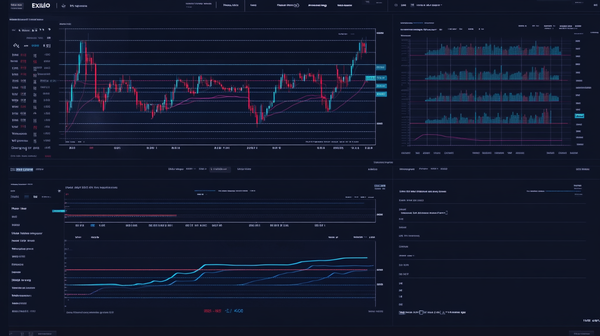
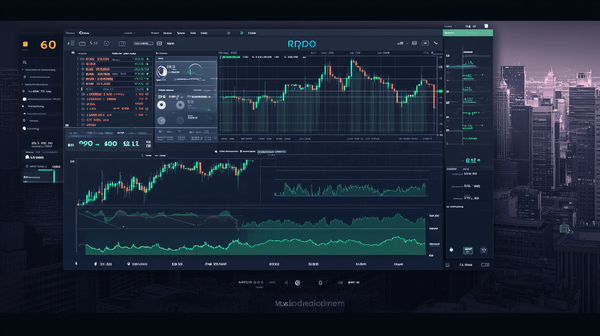
On desktop, the proprietary WebTrader behaved like a serious day-trading workspace: stable session persistence, clean watchlists, and enough order controls to run basic risk (market, limit, stop, and close/modify from the positions panel). Execution speed felt consistent during normal liquidity, and I didn’t see platform-side requote popups; slippage, when it appeared, was the kind you’d expect around faster candles rather than something engineered. If you live inside the MT4/MT5 plugin universe (EAs, huge indicator markets, copy networks), this ecosystem is leaner—functional, not endless.
Meritbrace Equity App: Mobile Trading Experience
The Meritbrace Equity app is clearly designed for managing exposure on the move: quotes updated quickly, one-tap position closing worked, and deposits/withdrawals were accessible from the same menu stack as trading. Meritbrace Equity login supported biometric unlock on my device, and push notifications were available for order/activity prompts. My one gripe: chart layout is fine for monitoring but feels cramped for multi-indicator setups—mobile is best as a cockpit, not a lab.
Charting, Tools & Research
Charting covers the essentials: multiple timeframes, common indicators (MA, RSI, MACD, Bollinger), and drawing tools that don’t fight your fingers. There’s an economic calendar and an integrated news feed, plus basic price alerts and watchlists for routine workflows. Don’t expect cTrader-level depth or MT5-grade strategy testing; this is a trader’s toolkit, not a quant workstation.
Meritbrace Equity Account Opening & Minimum Deposit
Before I even placed a trade, the onboarding flow pushed me through the usual AML gates: email/phone confirmation, a short profile about experience, and document upload. KYC required a government-issued photo ID and proof of address (utility bill or statement dated within three months), and my verification cleared the same business day. Account settings were easy to find, including leverage selection and base-currency choices, though the “high leverage” button deserves respect—margin calls are faster than you think.
- Minimum Deposit: $200
- Funding Methods: Visa/Mastercard, bank wire, regional e-wallets, and cryptocurrencies (BTC and USDT were visible on the cashier)
- Demo Account: $10,000 virtual balance for testing spreads, order types, and risk rules
- Account Types: Standard (spread-only) and Raw/ECN-style (tighter spreads + commission) aimed at higher-frequency traders
The Meritbrace Equity minimum deposit is low enough to test without going all-in, and the cashier UX made it clear when funds were credited. I funded via USDT to avoid bank friction—Tokyo banks love paperwork, and I don’t love banks. If you want to sanity-check the workflow yourself, start with a small ticket and read the terms carefully: Meritbrace Equity.
Meritbrace Equity Customer Support Review
I tested support by asking live chat to clarify swap rates on XAU/USD and whether weekend financing applies to BTC/USD CFDs. The agent came back in about three minutes with where to find the contract specs, plus a plain-English explanation that financing is applied at rollover and can differ by instrument. I then opened an email ticket requesting the internal processing window for withdrawals after KYC; the reply landed later the same day (roughly eight hours), consistent with a 24/5 desk.
Coverage is typical for this segment: live chat and email run through the trading week, while weekend responsiveness is thinner unless markets are moving and the team is staffed. Language support looked region-dependent, and I didn’t see a universally reliable phone channel advertised for all countries. If you need high-touch dealing-desk access, this isn’t that; if you need practical platform answers, it’s adequate.
Ready to Explore Meritbrace Equity?
If you’re considering an account, treat it like a technical evaluation: open a demo, compare spreads during your usual session, and verify which funding/withdrawal rails work in your country before scaling. Offshore brokers can be fine—just don’t outsource your due diligence.
Meritbrace Equity Review FAQ
Is Meritbrace Equity good for beginners?
It can be, if you stay conservative with leverage and start on demo first. The interface is not overly complex, and the $200 entry point lowers the barrier to testing. Beginners should still learn how margin, swap, and stop-loss behavior work before trading live.
Can I trade crypto on Meritbrace Equity?
Yes, crypto trading is available via crypto CFDs such as BTC/USD and ETH/USD. You’re trading price exposure with leverage, not buying coins for self-custody. That distinction matters if you care about on-chain settlement and withdrawal to your own wallet.
Is Meritbrace Equity a scam?
No—based on my account test, trading, and withdrawal request, it behaved like a functioning broker rather than a scam. The real caution is structural: it operates under offshore oversight (I saw Seychelles FSA referenced), so protections can be weaker than Tier‑1 regimes. Use strict risk controls and keep position sizing sane.
Is Meritbrace Equity available in the USA?
No, Meritbrace Equity is not offered to USA residents in my checks. The signup and compliance flow indicates restricted access for heavily regulated jurisdictions. If you’re traveling, expect IP/KYC controls to still enforce residency rules.
How long does a Meritbrace Equity withdrawal take?
A Meritbrace Equity withdrawal typically clears internal review in 24–48 hours after KYC. Receipt time then depends on the rail: cards often take 2–5 business days, wires can take 3–7 business days, and crypto payouts are often the same day. Always factor in third-party processing and network conditions.
What is the Meritbrace Equity minimum deposit?
The Meritbrace Equity minimum deposit is $200. That’s enough to test real spreads and execution, but it’s also enough to get hurt if you crank leverage to 1:500. Start small and treat it like tuition, not a shortcut.
Does Meritbrace Equity have a mobile app?
Yes, the Meritbrace Equity app is available on iOS and Android. It supports trading, monitoring positions, and account funding/withdrawal actions from mobile. For heavy chart work, the WebTrader remains more comfortable.
Final Verdict: Should You Use Meritbrace Equity in 2026?
Overall Score: 4.0/5
If your priority is flexible leverage and a clean proprietary interface, Meritbrace Equity earns a spot on the shortlist—especially on the Raw-style pricing where costs feel tighter for active trading. The platform did what it promised in my routine: funding cleared, orders executed without drama, and a withdrawal request moved through within the stated processing window. Still, offshore status is not a detail; it’s the whole risk frame, and CFDs can liquidate bad discipline fast. Treat it as a trading tool, not a savings account, and verify terms directly via Meritbrace Equity.
Best for: active CFD traders who want a WebTrader + mobile stack, and who understand margin, swap, and slippage. Avoid if: you need Tier‑1 regulatory protections, or you’re looking to buy and withdraw real crypto to self-custody.