Nadhodnex Trading Platform Alternatives 2026 (Safe Picks)
Nadhodnex Trading Platform Alternatives 2026: Reliable Options for Online Traders
Leverage is a blade with no handle. You can make a clean cut—or you can bleed out fast. That’s why I look at any offshore CFD platform with the same cold eyes I reserve for fiat balance sheets: what’s the execution model, where’s the regulator, and how hard is it to get your money back when volatility hits. Publicly visible information suggests Nadhodnex sits in the offshore/unregulated end of the market, typically offering forex and CFDs (often including crypto CFDs) through a proprietary WebTrader plus mobile apps. You’ll usually see high leverage marketed loudly (around 1:500 in this segment), a minimum deposit that lands near $250, and “from ~2.0 pips” style pricing on EUR/USD for standard accounts. For many traders, the real issue isn’t a single feature—it’s the combined risk profile: thin transparency, limited investor protection, and fewer serious tools compared with top-tier venues. This guide on Nadhodnex alternatives is written for US/EU-focused readers who want clearer rules of the road: recognizable regulators (FCA, ASIC, CySEC, NFA), segregated client funds, better platform choice (MT4/MT5/cTrader or robust proprietary stacks), and costs you can compare using round-turn trade economics instead of headline leverage.
Disclaimer: This article is for informational purposes only and does not constitute investment advice. CFDs and other leveraged products can move against you quickly, and you can lose more than you expect.
Key Takeaways (TL;DR)
- Offshore CFD platforms often advertise high leverage (e.g., ~1:500), but regulation, withdrawals, and execution quality matter more than leverage headlines.
- Use round-turn cost (spread + commission + slippage) as your comparison lens—especially if you trade actively or during news.
- If you need real stocks/ETFs (not CFDs) or futures, multi-asset venues like IBKR or Saxo typically close that gap.
- Migrate safely: get the new account KYC-approved first, then withdraw using the original funding rail to avoid AML delays.
What Is Nadhodnex and How Does Its Trading Platform Work?
Viewed through the lens of how offshore CFD providers usually operate, Nadhodnex appears positioned as a CFD-first trading venue rather than a full multi-asset brokerage. The typical offering in this category centers on forex pairs, major indices, a handful of commodities, and a menu of crypto CFDs—designed for short-term trading with leveraged margin. Execution is commonly run on a dealing-desk/market-maker model or a hybrid setup, which can be fine for some strategies but becomes sensitive to slippage, requotes, and stop execution quality during fast markets. The target user is usually the “all-in-one” retail trader who wants quick onboarding, web-based access, and high leverage—while accepting thinner investor protections than you’d expect from FCA/ASIC/CySEC/NFA-supervised firms.
Nadhodnex Web Trading Platform: Core Features and Tools
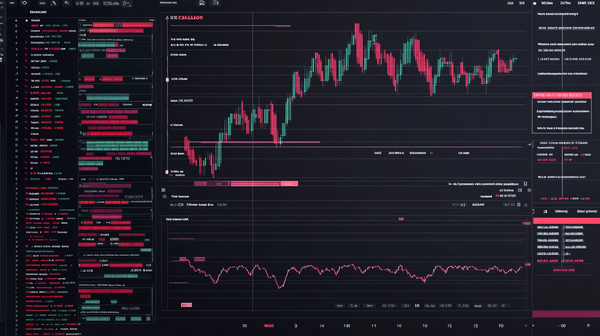
The platform stack is generally a proprietary WebTrader with a companion iOS/Android app. Charting tends to be serviceable rather than deep: you’ll normally get multiple timeframes, basic indicators, and drawing tools, but fewer advanced order-routing controls than MT4/MT5/cTrader ecosystems. Order tickets on these WebTraders usually cover market, limit, stop, and basic stop-loss/take-profit—while more complex conditional orders can be limited. Mobile parity is often decent for monitoring and quick management, but heavy analysis is still easier on desktop. Expect an account dashboard focused on deposits/withdrawals, margin usage, and open positions—useful, but not always built for detailed performance analytics the way competitors to Nadhodnex sometimes provide.
Trading Fees, Spreads, and Account Types at Nadhodnex
Pricing in this segment is commonly spread-led. A typical standard account often shows EUR/USD from around 2.0 pips, with costs widening during low liquidity or news. Some offshore platforms promote a “raw/ECN-style” tier, usually pairing tighter spreads (often in the 0.0–0.4 pip zone on majors) with a commission in the ballpark of $6–$8 round-turn per standard lot. Overnight financing (swap) is a meaningful hidden variable—especially if you hold CFDs for days rather than hours—so read the swap table carefully. On the non-trading side, watch for withdrawal charges and inactivity policies; these fees can matter more than a 0.2-pip difference if you’re not trading weekly.
When Do Traders Start Looking for Nadhodnex Alternatives?
The moment a trader stops treating broker choice as “just a login” and starts treating it as counterparty risk, the search begins. Many Nadhodnex alternatives become attractive when you want rules you can verify on a regulator’s public register, and protections like segregated client funds and negative balance protection that are enforced—not merely promised. Another common pressure point is strategy fit: proprietary WebTraders can be fine for discretionary charts, but they can collide with automated systems, advanced order management, or serious multi-asset needs. If your goal is long-term capital survival, remember: leverage amplifies mistakes, and CFDs are designed to be traded with discipline, not hope.
- You need MT4/MT5 or cTrader for automation (EAs), custom indicators, or tighter trade management than a basic WebTrader can provide.
- Your trading plan requires regulator-backed protections (FCA/ASIC/CySEC/NFA oversight, segregated accounts, formal complaint channels).
- Withdrawals start feeling “negotiated” rather than procedural, especially after profitable periods or bonus-related terms.
- You want real stocks/ETFs or futures exposure (not stock CFDs), with transparent custody and corporate-action handling.
How to Choose a Reliable Alternative to the Nadhodnex Trading Platform
Think of picking a replacement as designing a safer trade pipeline. The instrument you trade matters, but so does what happens when things break: a platform freeze, a margin call, a pricing spike, a dispute. Your checklist should map directly to your strategy—scalper, swing trader, multi-asset investor—and your jurisdiction. The cleanest approach is to rank “can I verify the broker?” above “can I get 1:500 leverage?” because survival beats excitement.
Regulation, Safety, and Investor Protection
Start with regulators you can actually check: FCA (UK), ASIC (Australia), CySEC (EU/Cyprus), and NFA/CFTC (US). FCA-regulated firms can fall under the FSCS compensation framework (up to £85,000 in eligible cases), while CySEC’s ICF can cover up to €20,000 under qualifying conditions. Look for segregated client funds language, negative balance protection for retail where applicable, and a broker entity that matches the license number on the register—name games happen.
Available Markets and Instruments
“More markets” is not automatically better; the question is whether you need CFDs, real securities, or both. FX and index CFDs can be enough for active trading, but investors who want dividends, voting rights, and long holding periods usually need real stocks/ETFs. Options and futures are a separate universe with different margining and risk controls. Crypto is its own fork in the road: CFD exposure is price-only, while on-chain ownership is custody and settlement—two different risks.
Trading Costs: Spreads, Commissions, and Other Fees
Don’t compare “from 0.0 pips” marketing. Compare round-turn cost: spread + commission + average slippage for your session and size. A scalper doing 200 round-turn trades a month will feel a 0.5-pip difference like a tax; a swing trader may care more about swap/overnight fees and execution on stops. Also scan for inactivity charges and withdrawal fees. If you’re leaving Nadhodnex, cost math should be part of your migration, not an afterthought.
Platforms, Tools, and Execution Quality
MT4/MT5 and cTrader ecosystems exist for a reason: automation, custom tooling, and a deep community. Proprietary platforms can be stable and simple, but they may limit advanced order types, API access, or third-party analytics. Execution model matters: market maker pricing can be smooth in quiet markets, while STP/ECN/DMA style routing can be preferred for transparency and depth. Whatever you choose, test stop-loss behavior during volatility; slippage is where “cheap spreads” can quietly die.
Support, Education, and Overall User Experience
A broker’s support desk is part of your risk management. Look for clearly posted hours, multilingual capability, and response times that fit your time zone (US/EU weekends matter). Education should go beyond glossy webinars—margin calls, order types, and swap calculations should be explained in plain language. Mobile experience matters too: if you manage risk on the go, you need reliable alerts, clean order modification, and stable authentication flows.
Nadhodnex and Different Asset Classes: When Alternatives May Be Better
Nadhodnex Forex and CFD Trading
Forex and CFDs are where platforms like Nadhodnex usually concentrate: roughly a few dozen FX pairs, a set of major indices, and a slim commodities list. The headline attraction is leverage (commonly around 1:500), but leverage doesn’t lower your cost—it magnifies your P&L swings and margin-call probability. In regulated environments, leverage is often lower for retail clients, yet execution and dispute resolution tend to be stronger. Pepperstone and IG, for example, are commonly chosen by active traders because they offer mature platform stacks (MT4/MT5/cTrader at Pepperstone; a strong proprietary stack at IG) and clearer policy frameworks under top regulators. If your edge is small, prioritize consistent fills and predictable spread behavior over maximum leverage.
Nadhodnex Stock and ETF Trading
Stock/ETF access is where many brokers similar to Nadhodnex show a structural gap. Offshore CFD venues often provide equity exposure as CFDs only, which means you’re not owning shares, you don’t receive shareholder rights, and corporate actions are handled via cash adjustments rather than true settlement. If your goal is long-term accumulation—dividends, portfolio margining, multi-currency cash—Interactive Brokers (IBKR) is a common benchmark, offering real equities/ETFs plus options and futures, under major regulatory umbrellas (SEC/FINRA in the US; FCA in the UK; IIROC in Canada). Saxo Bank is another route for broad, professional-grade multi-asset access with strong reporting. For “investor mode,” real custody beats CFD mimicry.
Nadhodnex Crypto Trading
In this offshore segment, “crypto trading” usually means crypto CFDs: you get price exposure to BTC/ETH and a handful of majors, but there’s no on-chain withdrawal, no self-custody, and no proof-of-reserves concept—just counterparty risk. That can be acceptable for short-term hedges, yet it’s not Bitcoin ownership. As a Bitcoin orthodox, I’ll say it plainly: paper BTC is not BTC. If you still want regulated derivative exposure, brokers like IG and Plus500 are known for offering crypto CFDs in certain regions (availability varies by jurisdiction), with clearer risk disclosures and leverage constraints. For anyone mixing CFDs with real Bitcoin, separate the roles: trade CFDs for tactics, hold coins for sovereignty.
Best Nadhodnex Alternatives for 2026: Comparison of Top Trading Platforms
Interactive Brokers (IBKR): Key Facts and How It Compares to Nadhodnex
Regulation: SEC/FINRA (US), FCA (UK), IIROC (Canada) (entity depends on region)
Markets: Stocks, ETFs, options, futures, FX, bonds, funds
Fees: Stock/ETF pricing varies by market; FX spreads commonly competitive with commission-based pricing on certain structures (check your entity)
Platform: Trader Workstation (TWS), IBKR Desktop, web portal, mobile
Best For: Multi-asset traders who want real-market access (not CFD-only)
Pepperstone: Key Facts and How It Compares to Nadhodnex
Regulation: FCA (UK), ASIC (Australia), CySEC (EU), DFSA (Dubai)
Markets: FX and CFDs (indices, commodities, some crypto CFDs depending on region)
Fees: Standard spreads often around ~1.0–1.3 pips on EUR/USD; Raw-style accounts can be ~0.0–0.3 pips + commission (varies by platform/entity)
Platform: MT4, MT5, cTrader, TradingView (availability varies)
Best For: Cost-focused FX traders running MT4/MT5 or cTrader
Saxo Bank: Key Facts and How It Compares to Nadhodnex
Regulation: FCA (UK), MAS (Singapore), DFSA (Dubai) (entity depends on region)
Markets: Stocks, ETFs, bonds, FX, options, futures, CFDs
Fees: FX spreads typically competitive on liquid pairs; pricing for shares/options/futures varies by exchange and account tier
Platform: SaxoTraderGO, SaxoTraderPRO
Best For: Portfolio builders who want strong reporting and broad market coverage
OANDA: Key Facts and How It Compares to Nadhodnex
Regulation: CFTC/NFA (US), FCA (UK), ASIC (Australia), IIROC (Canada)
Markets: FX (and CFDs where permitted, depending on region)
Fees: Spreads commonly variable; EUR/USD often seen around ~0.8–1.6 pips depending on conditions and entity
Platform: OANDA web/mobile, MT4 (availability varies)
Best For: Traders who prioritize transparent FX-first execution and oversight
IG: Key Facts and How It Compares to Nadhodnex
Regulation: FCA (UK), ASIC (Australia), MAS (Singapore)
Markets: CFDs (FX, indices, shares, commodities), spread betting (UK/IE where permitted)
Fees: Typical costs vary by instrument; FX spreads are often competitive on majors (check live pricing); share CFD financing applies on holds
Platform: IG Trading Platform, ProRealTime (in certain regions), MT4 (availability varies)
Best For: News-driven CFD traders who need a mature proprietary platform
Plus500: Key Facts and How It Compares to Nadhodnex
Regulation: FCA (UK), CySEC (EU), ASIC (Australia), MAS (Singapore)
Markets: CFDs (FX, indices, commodities, shares; crypto CFDs in certain regions)
Fees: Spread-only pricing on most products; EUR/USD spread commonly variable and instrument-dependent (check the platform quote)
Platform: Plus500 proprietary WebTrader and mobile apps
Best For: Simple, app-first CFD trading without third-party platforms
Comparison Summary
| Platform | Regulation | Main Markets | Typical Costs | Best For |
|---|---|---|---|---|
| Interactive Brokers (IBKR) | SEC/FINRA, FCA, IIROC (entity-based) | Real stocks/ETFs, options, futures, FX, bonds | Exchange/market-based fees; FX often competitive on commission structures | Multi-asset traders who want real-market access (not CFD-only) |
| Pepperstone | FCA, ASIC, CySEC, DFSA | FX + CFDs | ~1.0–1.3 pip (Standard) or ~0.0–0.3 pip + commission (Raw-style) | Cost-focused FX traders running MT4/MT5 or cTrader |
| Saxo Bank | FCA, MAS, DFSA (entity-based) | Stocks/ETFs, options, futures, FX, CFDs | Tiered pricing; competitive FX on liquid pairs; exchange fees for listed markets | Portfolio builders who want strong reporting and broad market coverage |
| OANDA | CFTC/NFA, FCA, ASIC, IIROC | FX (plus CFDs where permitted) | Variable spreads; often ~0.8–1.6 pips on EUR/USD depending on conditions | Traders who prioritize transparent FX-first execution and oversight |
| IG | FCA, ASIC, MAS | CFDs across major asset classes | Instrument-based; competitive majors; financing costs on holds | News-driven CFD traders who need a mature proprietary platform |
| Plus500 | FCA, CySEC, ASIC, MAS | CFDs (broad list), crypto CFDs in some regions | Spread-only; variable by instrument and market hours | Simple, app-first CFD trading without third-party platforms |
How to Safely Move from Nadhodnex to Another Broker
Switching brokers is not a “click transfer”; it’s a controlled unwind and rebuild. Treat it like reducing counterparty exposure while keeping your trading plan intact. The sequence matters: verify the new venue first, stabilize your open risk, then move cash with clean documentation. And keep your ego out of it—CFDs plus leverage punish sloppy transitions as brutally as sloppy entries. If you’re exiting Nadhodnex, assume nothing is automated unless you see it in writing.
- Confirm the new broker’s license on the regulator’s own site (FCA Register, ASIC Connect, CySEC register, or NFA BASIC) and match the legal entity name exactly.
- Open the new account and complete KYC/AML (ID + proof of address) before you initiate any closure steps; approvals often complete within about one business day, but delays happen.
- Flatten or reduce open positions on the old account instead of expecting a “position transfer”; most retail brokers do not port trades across.
- Withdraw funds using the same rail you used to deposit (card-to-card, bank-to-bank, etc.) since many firms enforce source-of-funds rules for AML compliance.
- Export trade history, statements, and funding records for taxes and dispute-proofing; screenshots are not enough—get the actual reports.
Ready to Explore Nadhodnex?
If you’re still comparing platforms like Nadhodnex, check the current onboarding flow, region restrictions, and the exact platform stack before funding any account. Then line up the alternatives in this guide and compare execution tools, fees, and regulatory protections side by side.
FAQ: Nadhodnex Alternatives and Trading Platforms
What is the best alternative to Nadhodnex in 2026?
The best alternative depends on whether you need real markets or mostly CFDs: Interactive Brokers (IBKR) is hard to beat for real stocks/ETFs, options, and futures, while Pepperstone and OANDA fit FX-focused trading with mainstream regulation. For broader CFD coverage with a strong proprietary platform, IG is a frequent pick in the UK/EU. In other words, “best Nadhodnex alternatives 2026” is not one name—it’s the best match to your strategy and jurisdiction.
Is Nadhodnex a safe broker/platform?
Nadhodnex appears to operate under an offshore/unregulated framework (commonly seen as Seychelles-style setups in this segment), which typically offers fewer investor protections than FCA/ASIC/CySEC/NFA-supervised firms. That doesn’t automatically mean “scam,” but it does mean you may not have access to compensation schemes like FSCS (£85k) or ICF (€20k), and dispute resolution can be weaker. If you’re risk-managing seriously, regulated options vs Nadhodnex deserve priority.
Can I trade stocks, futures, or crypto with Nadhodnex?
With offshore CFD platforms, stocks and crypto are often offered as CFDs (price exposure only), while listed futures and true exchange-traded ownership are frequently not part of the core product set. For real stocks/ETFs and futures, IBKR or Saxo are more suitable; for crypto CFDs where permitted, IG or Plus500 can be options depending on your region. If you want actual Bitcoin, remember: a CFD is not on-chain custody—21 million, and not a coin more.
What should I check before switching from Nadhodnex to another platform?
Before switching, verify the broker’s exact legal entity on the FCA/ASIC/CySEC/NFA register, confirm segregated client funds language, and understand negative balance protection rules for your region. Next, compare round-turn costs (spread + commission + expected slippage) and read the swap/overnight financing schedule if you hold positions. Finally, test the platform with a small deposit and check withdrawals while your account is “normal,” not during a crisis.
About the Author: Kenji Tanaka is a Tokyo-based market writer and experienced trader with a background in cryptography studies. I’m Bitcoin-orthodox—banks and fiat are counterparty theater—so I’m obsessive about verification, execution mechanics, and withdrawal reality. 21 million — and not a coin more.