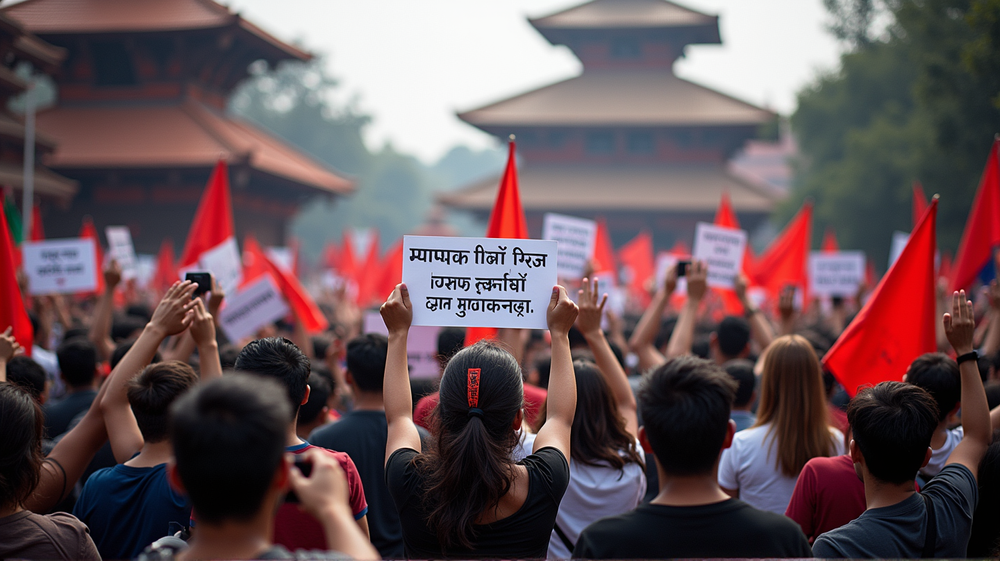
Nepal's Controversial Social Media Ban Sparks Furious Journalist Protests
In an unexpected turn of events, Nepal has blocked some of the world’s most popular social media platforms, creating a whirlpool of protests and speculation. This move, mandated by Nepal’s government to enforce registration compliance, has stirred a heated debate over freedom of expression and governance authority.
What’s Behind the Ban?
The government’s decision, announced by Minister Prithivi Subba Gurung, aimed to ensure all social media companies operating in Nepal are officially registered and tax compliant. The surprising block came after a seven-day grace period expired, leaving unregistered platforms like Facebook, Instagram, and Twitter in the dark past midnight on September 4. According to DNA India, this abrupt move was seen as a measure to control the flow of information, despite the government’s claims of administrative necessity.
Social Media Users Face Frustration
Nepalese netizens quickly detected the outages, encountering error messages across familiar platforms. Many expressed increasing anxiety, turning to alternative communication channels in a bid to remain connected. WhatsApp, as of the last checks, was still available, offering a lifeline to community interactions as tensions mounted.
Journalists and Gen-Z Mobilize
This new regulation ignited a symbolic clash in Kathmandu, as journalists and the young generation, dubbed ‘Gen-Z,’ took to the streets. The protest, spearheaded by the Federation of Nepali Journalists, rallied under slogans defending free expression. Demonstrators argued that this regulation undermines Nepal’s constitutionally guaranteed media freedoms.
Government Justifications and Criticism
While the government rationalizes its decision as fiscal and regulatory necessity, dissenters view it as veiled censorship. The lack of a formal parliamentary decision on ‘The Operation, Use, and Regulation of Social Media in Nepal’ adds to the controversy, with critics like Ram Hari Karki asserting it conflicts with Nepal’s constitutional principles.
What Lies Ahead?
As the deadline drama unfolds, registered platforms like Viber and TikTok remain operational, while others strive to comply. The resistance grows, with looming national protests called by social activists. The unfolding narrative in Kathmandu is one of a nation at a digital crossroads, testing the balance between innovation and governance.
The debacle continues, a stark reminder of the growing global conversation on digital rights and responsibilities, reflecting deeper democratic values at risk. Will the voice of Nepal’s people echo strongly enough to sway governmental resolve? Only time will tell.