
Nord Equistead Trading Platform Alternatives 2026
Nord Equistead Trading Platform Alternatives 2026: Reliable Options for Online Traders
Leverage is a sharp knife. Used carefully, it slices spreads and time; used carelessly, it cuts your account in half before lunch. That’s the mood you should bring to “offshore-style” CFD venues in 2026—especially if the platform feels like a closed room where you can’t easily verify who holds your money, what rules apply, or how trades are really executed. Nord Equistead fits the familiar pattern: a Forex/CFD-first offering, a proprietary WebTrader plus mobile apps, and the usual headline features traders expect (indices, commodities, and crypto CFDs) paired with high leverage that can be marketed more loudly than the risks.
For a global audience with US/EU priorities, the practical issue is not “can you place trades?”—almost anyone can. The issue is whether you can enforce your rights if something goes wrong: withdrawal delays, disputed fills, or sudden rule changes on margin. When you start comparing Nord Equistead alternatives, you’re really comparing regulatory recourse, custody standards (segregated client funds), and execution quality—plus the boring stuff that saves you in a crisis: clear fees, stable platforms, and support that answers with more than copy-paste.
As a Tokyo-based Bitcoin orthodox, I’ll say the quiet part: fiat rails are fragile, banks are not your friends, and “trust me” is not a risk-control framework. Still, if you trade CFDs, you’re inside the legacy system—so choose the least-bad counterparties, verify licenses, and treat margin like explosives.
Disclaimer: This article is for informational purposes only and does not constitute investment advice. CFDs and other leveraged products involve a high risk of loss and can move against you quickly.
Key Takeaways (TL;DR)
- If you want enforceable protections (segregated funds, complaint channels, compensation schemes), prioritize FCA/ASIC/CySEC/NFA-regulated brokers over offshore CFD venues.
- Compare “round-turn” trading cost (spread + commission + swap) instead of chasing maximum leverage; leverage doesn’t lower your all-in cost.
- Plan the switch like an ops task: open/KYC the new account first, export history, then withdraw using the original funding method to avoid AML friction.
What Is Nord Equistead and How Does Its Trading Platform Work?
In practice, Nord Equistead appears positioned as an offshore-style CFD brokerage, commonly associated with Seychelles FSA-type frameworks rather than top-tier US/EU supervision. The product mix typically centers on FX pairs and CFDs (indices, commodities, and often crypto CFDs), aimed at retail traders who want fast onboarding and higher leverage rather than deep multi-asset access. The operating feel is closer to a CFD dealing environment than a “true” multi-venue broker with direct exchange membership—fine for short-term speculation, but it changes what you can reasonably expect around transparency, dispute resolution, and how client money is safeguarded versus tier-1 regulated competitors to Nord Equistead.
Nord Equistead Web Trading Platform: Core Features and Tools
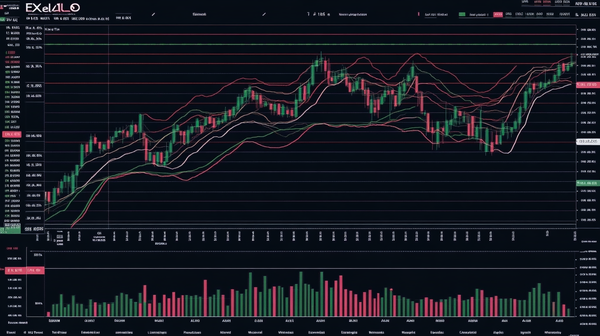
The core experience is usually a proprietary WebTrader with basic-to-mid charting, plus iOS/Android apps that mirror the main functions. Expect common order tickets (market/limit/stop), watchlists, and a portfolio dashboard showing margin, free equity, and open P&L. Charting is serviceable—popular indicators and drawing tools are there—but it tends not to match the depth and ecosystem you get from MT4/MT5 or cTrader (custom indicators, strategy testing, and community tooling). Execution can feel “instant” on quiet markets, yet during volatility you may see slippage and wider effective spreads, which matters more than the UI polish.
Trading Fees, Spreads, and Account Types at Nord Equistead
Fee schedules in this category are typically spread-led on Standard-style accounts, with EUR/USD often around ~2.0 pips under normal conditions. Some brokers in this segment also advertise a Raw/ECN-like tier (for example, ~0.0–0.4 pips plus a commission), but the real-world cost depends on how quotes behave at news time and how swaps/overnight financing are applied. A $250 minimum deposit is common, alongside headline leverage up to 1:500—and that combination can amplify losses fast if your risk per trade isn’t capped. Also watch for non-trading charges (withdrawal fees, inactivity fees, or conversion markups) that only show up after you’ve funded.
When Do Traders Start Looking for Nord Equistead Alternatives?
Withdrawal confidence is the first domino. If you can’t predict how long it takes to get money out, everything else—spreads, features, even strategy—becomes noise. That’s why Nord Equistead alternatives keep coming up among active CFD traders: they want clearer protections, a platform stack that matches their workflow (MT4/MT5/cTrader or robust proprietary tools), and a ruleset anchored to a regulator that actually answers complaints. High leverage is seductive, but it’s not a substitute for custody standards, negative balance protection, or transparent margin policies.
- You need MT4/MT5 or cTrader for automation (EAs, custom indicators, VPS workflow) and the current WebTrader doesn’t support that ecosystem.
- Spreads look acceptable on calm days, then expand sharply during data releases—turning a “tight” strategy into a slippage machine.
- Your account is eligible for fewer instruments than you expected (for example, stocks/ETFs only as CFDs, or no access to real exchange-traded products).
- Support responses don’t resolve trade disputes with ticket-level detail (timestamps, liquidity source, execution policy), leaving you stuck.
How to Choose a Reliable Alternative to the Nord Equistead Trading Platform
Think like a paranoid engineer, not a marketer. The goal isn’t “a nicer app”; it’s a broker that fits your strategy while reducing failure points: legal jurisdiction, custody rules, execution model, and total cost over your actual monthly volume. For alternatives to the Nord Equistead trading platform, I build a shortlist, verify licenses on public registers, then test execution and withdrawals with small size before I scale.
Regulation, Safety, and Investor Protection
Start with the regulator you can verify: FCA (UK), ASIC (Australia), CySEC (EU), and for US forex, NFA/CFTC. Under FCA oversight, eligible clients may have FSCS coverage up to £85,000; under CySEC, the ICF can cover up to €20,000 (eligibility rules apply). Look for segregated client funds, negative balance protection where required, and a clear complaints process. If a firm won’t appear cleanly on the regulator’s public register, treat that as a red flag, not a paperwork glitch.
Available Markets and Instruments
Write down what you truly trade: FX scalping, index CFDs, long-term equity investing, options hedging, or futures. Many platforms like Nord Equistead lean heavily toward FX and CFDs; that can be fine, but it won’t replace real stock/ETF ownership (shareholder rights, transferability) or exchange-traded futures access. Multi-asset brokers can consolidate tools—spot FX, listed equities, ETFs, options, futures, and bonds—so you aren’t forced into CFD wrappers for everything.
Trading Costs: Spreads, Commissions, and Other Fees
Ignore the loudest number (max leverage) and compute the quiet ones: spread in pips, commission per lot, swap/overnight fee, and any inactivity or withdrawal charges. A useful comparison is round-turn cost—what you pay to enter and exit a position. A “0.0 pip” quote paired with commission can still beat a 1.2–2.0 pip spread account, especially for high-frequency trading. Also factor in financing: swaps can dominate P&L for multi-day holds.
Platforms, Tools, and Execution Quality
Platform choice is strategy choice. MT4/MT5 shines for automation and a massive indicator ecosystem; cTrader is popular with ECN-style execution and advanced order control; proprietary platforms vary widely in stability and analytics. Ask how orders are routed: market maker vs STP/ECN vs DMA. Then test: run the same small orders across sessions and watch slippage, requotes, and fill speed. This is where “brokers similar to Nord Equistead” can diverge sharply from tier-1 venues.
Support, Education, and Overall User Experience
Good support is measurable: response time, language coverage, and whether they can explain a fill with data instead of vibes. Check hours that match your trading session (London/NY overlap matters), and confirm mobile parity if you manage risk on the move. Education is optional for pros, but documentation is not—margin call rules, stop-out levels, and fee disclosures should be written clearly enough that you can audit them like code.
Nord Equistead and Different Asset Classes: When Alternatives May Be Better
Nord Equistead Forex and CFD Trading
Nord Equistead-style offerings typically cover roughly a few dozen FX pairs (often 30–50), plus index and commodity CFDs, with leverage advertised up to 1:500. That leverage is a double-edged sword: it lowers margin requirements, but it also makes a normal intraday move lethal if your position sizing is sloppy. Cost-wise, a typical ~2.0 pip EUR/USD spread on a standard account can be workable for swing trades, yet it’s punishing for scalpers. If execution quality is the priority, Pepperstone (MT4/MT5/cTrader, FCA/ASIC/CySEC/DFSA) and OANDA (CFTC/NFA in the US; also FCA/ASIC/IIROC) are often stronger picks because their pricing and policies are documented more rigorously, and their platform stacks are built for repeatable workflows.
Nord Equistead Stock and ETF Trading
If your goal is long-term exposure to companies or broad indexes, the difference between “stocks as CFDs” and real shares is not academic. CFDs don’t grant shareholder rights, and you’re always facing the broker as counterparty. Offshore CFD platforms frequently emphasize equity CFDs rather than direct exchange access, which can be fine for short-term trading but weak for investing. Interactive Brokers (SEC/FINRA in the US; FCA and IIROC in other regions) is hard to beat for real stocks/ETFs, options, futures, and bonds with professional-grade routing. Saxo Bank (FCA/DFSA/MAS, depending on region) is another multi-asset route with robust tools for listed products. For many traders comparing regulated options vs Nord Equistead, this is the single biggest upgrade: moving from synthetic exposure to genuine market access.
Nord Equistead Crypto Trading
Crypto on CFD platforms is usually price exposure, not ownership. You don’t withdraw Bitcoin to your own wallet; you hold a contract whose terms, margin, and financing are set by the broker. That can be acceptable if you’re hedging or shorting, but it’s not “Bitcoin custody.” If Nord Equistead offers crypto CFDs (often 10–30 coins), the risk is counterparty + leverage layered on top of already-volatile assets. IG and CMC Markets—both tier-1 regulated in key jurisdictions like the FCA—offer crypto-related CFD access in certain regions with clearer disclosures, while also providing broader risk tools and platform stability. My bias is simple: keep real BTC in self-custody; if you must trade derivatives, use venues with the strongest oversight and the clearest liquidation rules.
Best Nord Equistead Alternatives for 2026: Comparison of Top Trading Platforms
Interactive Brokers (IBKR): Key Facts and How It Compares to Nord Equistead
Regulation: SEC/FINRA (US), FCA (UK), IIROC (Canada) (entity depends on your residency)
Markets: Stocks, ETFs, options, futures, bonds, FX (spot), funds
Fees: FX pricing varies by volume; commissions apply on many listed products (generally low, but schedule-based); financing costs for margin apply
Platform: Trader Workstation (TWS), IBKR Desktop, Web portal, mobile; API access
Best For: Multi-asset serious investors who want real market access
Pepperstone: Key Facts and How It Compares to Nord Equistead
Regulation: FCA (UK), ASIC (Australia), CySEC (EU), DFSA (UAE) (entity varies)
Markets: FX, CFDs (indices, commodities, some shares as CFDs)
Fees: EUR/USD often ~0.0–0.3 pips on Razor/Raw-style pricing plus commission; Standard accounts typically higher all-in spread
Platform: MT4, MT5, cTrader, TradingView integration (availability by region)
Best For: Systematic FX traders using MT4/MT5/cTrader automation
Saxo Bank: Key Facts and How It Compares to Nord Equistead
Regulation: FCA (UK), DFSA (UAE), MAS (Singapore) (entity varies by region)
Markets: Stocks, ETFs, options, futures, FX, bonds, CFDs (availability varies)
Fees: Pricing is tiered; spreads/commissions depend on product and account level; not built around “zero spread” marketing
Platform: SaxoTraderGO, SaxoTraderPRO
Best For: Portfolio-style traders who want strong research and risk tools
OANDA: Key Facts and How It Compares to Nord Equistead
Regulation: CFTC/NFA (US), FCA (UK), ASIC (Australia), IIROC (Canada)
Markets: FX (core); CFDs in certain jurisdictions (product set varies by region)
Fees: Typically spread-only pricing on many accounts; EUR/USD spreads often around ~0.6–1.2 pips depending on market conditions
Platform: OANDA web/mobile, MT4 (availability varies), API
Best For: Risk-first FX traders who value transparent policies
IG: Key Facts and How It Compares to Nord Equistead
Regulation: FCA (UK), ASIC (Australia), MAS (Singapore) (entity varies)
Markets: CFDs (indices, FX, shares as CFDs), spread betting (UK/IE), some investing products depending on country
Fees: CFD pricing generally spread-based; key indices/FX often competitive versus typical offshore spreads, with financing charges for holds
Platform: IG web platform, mobile app; MT4 supported in many regions
Best For: Active index/CFD traders who want a large instrument list
CMC Markets: Key Facts and How It Compares to Nord Equistead
Regulation: FCA (UK), ASIC (Australia), BaFin (Germany)
Markets: CFDs (FX, indices, commodities, shares as CFDs); investing products vary by region
Fees: FX spreads often competitive (commonly around ~0.7+ pips on major pairs on spread-only models); overnight financing applies
Platform: Next Generation (web/mobile), MT4 (in many regions)
Best For: Chart-focused discretionary traders who live in the platform
Comparison Summary
| Platform | Regulation | Main Markets | Typical Costs | Best For |
|---|---|---|---|---|
| Interactive Brokers (IBKR) | SEC/FINRA, FCA, IIROC | Real stocks/ETFs, options, futures, bonds, FX | Schedule-based commissions; FX pricing varies by volume | Multi-asset serious investors who want real market access |
| Pepperstone | FCA, ASIC, CySEC, DFSA | FX and CFDs | Raw/commission model (~0.0–0.3 pips + commission) or higher spread-only | Systematic FX traders using MT4/MT5/cTrader automation |
| Saxo Bank | FCA, DFSA, MAS | Multi-asset (listed + CFDs depending on region) | Tiered spreads/commissions; financing on leveraged positions | Portfolio-style traders who want strong research and risk tools |
| OANDA | CFTC/NFA, FCA, ASIC, IIROC | FX (core); CFDs in some regions | Mostly spread-only; EUR/USD often ~0.6–1.2 pips in normal markets | Risk-first FX traders who value transparent policies |
| IG | FCA, ASIC, MAS | CFDs across FX/indices/shares; spread betting (UK/IE) | Spread-based CFDs; financing for holds; pricing varies by instrument | Active index/CFD traders who want a large instrument list |
| CMC Markets | FCA, ASIC, BaFin | CFDs (FX/indices/commodities/shares as CFDs) | Competitive spread-only on majors (often ~0.7+ pips); overnight fees apply | Chart-focused discretionary traders who live in the platform |
How to Safely Move from Nord Equistead to Another Broker
Switching brokers is less like “downloading a new app” and more like changing the engine mid-flight. Treat it as a controlled procedure: verify the new venue first, reduce open risk, and move funds in a way that won’t trigger AML delays. If you’re leaving Nord Equistead, remember that leveraged positions can gap on news; don’t start a transfer with open exposure you can’t manage elsewhere.
- Confirm the new broker’s legal entity on the regulator’s public register (FCA Register, ASIC Connect, CySEC listings, or NFA BASIC) and match the domain name to the registered firm.
- Open the new account and complete KYC (ID + proof of address) before you touch your existing account; many verifications clear within about a business day, but not always.
- Flatten risk: close or reduce open CFD positions and cancel pending orders so a surprise margin call doesn’t hit during your migration window.
- Export statements, trade confirmations, and funding history for your records and taxes; don’t rely on dashboards staying accessible forever.
- Withdraw using the original deposit method when possible; brokers commonly enforce “same-rail” returns under AML rules, which can slow mismatched requests.
Ready to Explore Nord Equistead?
If you’re still evaluating the current conditions—spreads, margin rules, funding methods, and regional eligibility—review the onboarding and fee disclosures directly, then compare them line-by-line against the regulated Nord Equistead trading platform alternatives 2026 listed above.
FAQ: Nord Equistead Alternatives and Trading Platforms
What is the best alternative to Nord Equistead in 2026?
The best option depends on whether you need real stocks/ETFs or mainly FX/CFDs. For real multi-asset access, Interactive Brokers is a top substitute for Nord Equistead; for FX traders who want MT4/MT5/cTrader tooling, Pepperstone is often a cleaner fit. If you want a broad CFD catalog with strong oversight, IG or CMC Markets are common picks among the best Nord Equistead alternatives 2026.
Is Nord Equistead a safe broker/platform?
Nord Equistead appears to operate in an offshore-style framework (often associated with Seychelles FSA-type regulation), which generally offers fewer investor protections than FCA/ASIC/CySEC/NFA regimes. That doesn’t automatically mean fraud, but it does mean weaker recourse if withdrawals or execution disputes escalate. For many traders, that’s the core reason to shortlist Nord Equistead alternatives with clearer segregation rules, complaint channels, and (where applicable) compensation schemes.
Can I trade stocks, futures, or crypto with Nord Equistead?
Nord Equistead-style product menus usually focus on FX and CFDs; “stocks” are often offered as share CFDs rather than real shares, and listed futures are often not offered as exchange-traded contracts. Crypto exposure, when available, is typically via crypto CFDs (price tracking without on-chain ownership). If you need real stocks/ETFs or exchange-listed futures, brokers like IBKR or Saxo are more appropriate competitors to Nord Equistead.
What should I check before switching from Nord Equistead to another platform?
Before switching, verify the new broker’s exact legal entity on the regulator’s register and confirm your product eligibility by region (US/EU rules differ). Next, compare total cost (spread + commission + swap) and confirm the execution model and stop-out rules so your risk controls behave as expected. Finally, complete KYC at the new broker first, then withdraw from Nord Equistead using the same funding rail to reduce AML delays.
About the Author: Kenji Tanaka is a Tokyo-based financial writer and active trader with a background in cryptography studies. I’m Bitcoin-orthodox—“21 million, and not a coin more”—and I distrust banks and fiat by default, which is exactly why I’m obsessive about counterparty risk, execution details, and verifiable regulation when discussing CFD brokers.