Onorefund AI Trading Platform Alternatives 2026
Onorefund AI Trading Platform Alternatives 2026: Reliable Options for Online Traders
Tokyo traders have a phrase: “easy leverage, hard withdrawals.” That’s the psychological trap many CFD-first platforms lean on—fast onboarding, flashy dashboards, and a promise that an algorithm will do the work. If you’re evaluating Onorefund AI, you’re likely looking at a broker-style setup centered on forex and CFDs, with a proprietary WebTrader and mobile app. In this offshore segment, it’s common to see high leverage (often up to 1:500), a relatively low entry point (around a $250 minimum deposit), and spreads that look fine until you measure the real cost over a month of trading—think EUR/USD around 2.0 pips on a standard-style account.
None of that automatically makes a platform “bad.” But it does explain why serious traders start building a shortlist of Onorefund AI alternatives: they want tighter execution, clearer legal protections, better transparency on costs (spread, commission, swap/overnight fees), and—in the US/EU especially—stronger oversight from regulators such as the FCA, ASIC, CySEC, or the NFA/CFTC framework. If you trade frequently, a few tenths of a pip and consistent slippage control can matter more than a headline leverage number. If you care about capital safety, segregated client funds and investor compensation schemes are not academic details; they’re damage control when things go wrong.
Disclaimer: This article is for informational purposes only and does not constitute investment advice. CFDs and other leveraged products carry a high risk of loss and may not be suitable for all investors.
Key Takeaways (TL;DR)
- If you need real stocks/ETFs (not stock CFDs), multi-asset brokers like IBKR or Saxo are the cleanest upgrade path.
- For active FX traders, evaluating round-turn costs (spread + commission) is more honest than comparing “max leverage” headlines.
- Verify regulation directly on public registers (FCA, ASIC, CySEC, NFA BASIC) before depositing—screenshots and marketing pages don’t count.
- Expect fresh KYC/AML checks at any regulated broker; open and verify the new account before you try to exit the old one.
What Is Onorefund AI and How Does Its Trading Platform Work?
From what’s typically observable in this category, Onorefund AI presents as an offshore CFD broker rather than a true multi-asset venue. A common registration choice for this segment is the Seychelles FSA framework, which is not the same thing as top-tier retail regulation in the UK, EU, or US. The product menu tends to prioritize forex pairs and index/commodity CFDs, with crypto exposure usually delivered as crypto CFDs (price tracking), not on-chain ownership. This positioning attracts traders who want quick access, high leverage, and a simple web interface—often at the cost of deeper transparency on execution model, custody, and legal protections that EU/UK traders take for granted.
Onorefund AI Web Trading Platform: Core Features and Tools
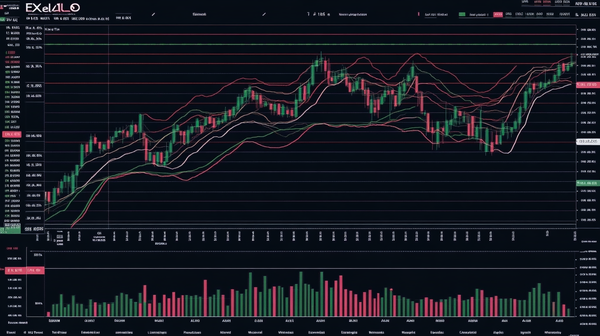
Instead of MT4/MT5 or cTrader as a primary stack, the typical setup here is a proprietary WebTrader paired with iOS/Android apps. Charting is usually serviceable—multiple timeframes, a set of indicators, drawing tools, and basic templates—but not the kind of environment quants or systematic traders love. Order functionality often covers market and limit orders, plus stop-loss/take-profit controls; advanced order types and granular trade analytics can be thinner than what platforms like Onorefund AI try to imply in their branding. Mobile parity is generally “good enough” for monitoring and manual execution, though fast markets can expose latency and slippage differences versus DMA/STP venues.
Trading Fees, Spreads, and Account Types at Onorefund AI
Cost structure in offshore CFD providers is usually spread-led, sometimes with optional commission accounts. A realistic reference point for a standard-style account is EUR/USD from about 2.0 pips; raw/ECN-style pricing, when offered, can show 0.0–0.4 pips plus roughly $6–$8 per round turn in commission. Swap/overnight financing is the silent fee that bites swing traders, and it varies by instrument and direction. Watch for frictions too: withdrawal handling times, possible payment-processor charges, and fee schedules that aren’t obvious until you’re already in. Those details often separate competitors to Onorefund AI from brokers built for long-term trust.
When Do Traders Start Looking for Onorefund AI Alternatives?
Regulation is usually the first domino. When a platform sits offshore, the trader carries more of the tail risk—disputes, sudden policy changes, or account restrictions can become “your problem,” not a regulator’s. That’s why Onorefund AI alternatives keep showing up in my inbox: people want cleaner legal footing, predictable execution, and fewer surprises around KYC, withdrawals, or margin calls. High leverage (like 1:500) is not a feature if it pulls you into over-sizing; it’s a stress test you didn’t ask for. And yes, spreads matter: if you scalp or trade around news, a 2.0-pip EUR/USD baseline changes your expectancy.
- Needing MT4/MT5 or cTrader to run EAs, custom indicators, or a workflow that a proprietary WebTrader can’t support.
- Wanting FCA/CySEC/ASIC-level protections such as segregated client funds and clearer dispute resolution routes.
- Hitting withdrawal friction (extra verification loops, slow processing, or payment-method limitations) after profits appear.
- Outgrowing a CFD-only catalog and requiring real stocks/ETFs, listed options, or futures for hedging.
- Noticing inconsistent fills in volatile conditions—slippage that feels “one-way” when markets move fast.
How to Choose a Reliable Alternative to the Onorefund AI Trading Platform
Think like a risk manager, not a platform shopper. Before you compare spreads or watch a demo video, decide what failure you can’t tolerate: custody risk, execution risk, or strategy mismatch. Then filter for oversight (FCA/ASIC/CySEC/NFA), product access, and costs measured in round-turn terms. The best substitutes for Onorefund AI are the ones that fit your actual trading plan—time horizon, instruments, and sizing—without relying on leverage as a crutch.
Regulation, Safety, and Investor Protection
Start with the regulator’s own register, not a website footer. FCA oversight can connect to protections like the UK’s FSCS (up to £85,000 eligibility rules apply), while CySEC ties into the Investor Compensation Fund (up to €20,000 under applicable conditions). ASIC regulation is also widely respected, though compensation structures differ by jurisdiction. Segregated client funds, negative balance protection (where applicable), and transparent complaints handling are the boring guardrails that matter most when markets gap or a broker fails.
Available Markets and Instruments
Match instruments to intent. If you only trade FX majors and a couple of indices, a specialist FX/CFD broker can be efficient. If you want real stocks/ETFs with shareholder rights (not a stock CFD), you’re in multi-asset territory. Crypto is its own fork in the road: many platforms like Onorefund AI offer only crypto CFDs, which track price but don’t give you on-chain custody. Decide whether you need hedging tools like options/futures, or whether spot exposure is the point.
Trading Costs: Spreads, Commissions, and Other Fees
Ignore “from 0.0 pips” unless you also read the commission line. Compare total round-turn cost: spread + commission + expected slippage, then add swap if you hold overnight. A trader doing 200 standard lots per month will feel a 0.5-pip difference far more than a fancy dashboard—0.5 pip on EUR/USD is $5 per lot, or about $1,000 across that volume. Also scan for inactivity fees and withdrawal charges; those are the taxes on impatience.
Platforms, Tools, and Execution Quality
Execution is where marketing dies. MT4/MT5 and cTrader are popular because they support automation, deeper analytics, and a mature ecosystem. Proprietary WebTraders can be fine for discretionary traders, but they often hide the details you need to audit fills. Ask how orders are routed: market maker vs STP/ECN/DMA. Then test it. Even if you’re migrating away from Onorefund AI, run a small set of trades at the new broker to observe slippage during liquid and illiquid hours.
Support, Education, and Overall User Experience
Support quality shows up on the worst day, not the first day. Check whether assistance is available during your trading hours (US/EU sessions), whether you can reach a human, and whether the broker can explain a fill with timestamps. Education matters if you’re moving into options or futures, where margin rules differ from CFDs. Finally, judge mobile parity honestly: can you manage margin, stops, and withdrawals without friction when you’re away from a desktop?
Onorefund AI and Different Asset Classes: When Alternatives May Be Better
Onorefund AI Forex and CFD Trading
For FX and CFDs, Onorefund AI likely sits in the “simple access, offshore rules” bucket: roughly 30–50 FX pairs, a handful of commodities, and around 8–15 index CFDs, with leverage that can reach 1:500. The trade-off is cost and execution transparency. If EUR/USD is around 2.0 pips on a standard-style account, frequent traders pay for that every time they click. Pepperstone and IC Markets are two regulated options that tend to appeal to execution-sensitive traders because they offer MT4/MT5/cTrader and pricing structures where raw spreads can be very tight with a clear commission line. More important than the headline is consistency: how the broker behaves during news, how margin calls are enforced, and whether negative balance protection is in place for your jurisdiction.
Onorefund AI Stock and ETF Trading
Stock exposure is where many offshore CFD platforms quietly disappoint. If a platform offers equities at all, it’s often stock CFDs—no voting rights, no direct exchange access, and pricing that can diverge via financing and spread. Traders who want to actually own shares or build long-term ETF positions (the boring way to win) should look at Interactive Brokers (IBKR) or Saxo Bank. Both are built for multi-asset access with listed markets, and they’re structured around real custody and established regulatory frameworks rather than “synthetic exposure.” If your strategy involves hedging with listed options or using futures as a macro overlay, those capabilities matter more than any AI-branded signal feed.
Onorefund AI Crypto Trading
Crypto is where my bias is on the table: I don’t trust fiat rails, and I trust banks even less. Still, this article is about broker alternatives, and most brokers deliver crypto as CFDs—price exposure without on-chain withdrawal. Onorefund AI likely follows that pattern, offering perhaps 10–30 crypto CFDs. If you only need short-term directional trades, regulated CFD venues like IG or Plus500 can provide crypto CFDs in certain regions, with clearer risk disclosures and oversight. If you want Bitcoin the way it was meant to be held—self-custody, no rehypothecation, no “IOU”—a broker isn’t the endpoint. Crypto CFDs are a derivatives tool, not ownership, and leverage can liquidate you faster than any bear market.
Best Onorefund AI Alternatives for 2026: Comparison of Top Trading Platforms
Interactive Brokers (IBKR): Key Facts and How It Compares to Onorefund AI
Regulation: SEC/FINRA (US), FCA (UK), IIROC (Canada) within its group structure
Markets: Stocks, ETFs, options, futures, bonds, FX
Fees: Varies by product and region; FX and equities pricing is typically commission-based with tight routing; compare all-in costs per trade
Platform: Trader Workstation (TWS), web and mobile platforms, APIs
Best For: Real multi-asset ownership and listed-market access
Pepperstone: Key Facts and How It Compares to Onorefund AI
Regulation: FCA (UK), ASIC (Australia), CySEC (EU), DFSA (Dubai)
Markets: FX, CFDs (indices, commodities, some crypto CFDs depending on region)
Fees: Typically ~0.0–0.3 pips on Razor/Raw-style pricing plus commission; standard accounts often around ~1.0+ pip equivalent
Platform: MT4, MT5, cTrader, TradingView (availability can vary), mobile apps
Best For: MT4/MT5/cTrader traders focused on execution
Saxo Bank: Key Facts and How It Compares to Onorefund AI
Regulation: FCA (UK), MAS (Singapore), DFSA (Dubai) within its licensed entities
Markets: Stocks, ETFs, bonds, FX, options, futures, CFDs
Fees: Tiered pricing by product and activity; spreads and commissions vary, with stronger value for multi-asset portfolios
Platform: SaxoTraderGO, SaxoTraderPRO
Best For: Portfolio-style traders who mix FX with listed products
OANDA: Key Facts and How It Compares to Onorefund AI
Regulation: CFTC/NFA (US), FCA (UK), ASIC (Australia), IIROC (Canada)
Markets: FX (and CFDs in certain regions)
Fees: Typically spread-based; major FX pairs can be competitive, but check average spreads and any pricing tiers
Platform: OANDA Trade (web/mobile), MT4 (availability varies by region)
Best For: US-eligible FX traders who prioritize oversight
IG: Key Facts and How It Compares to Onorefund AI
Regulation: FCA (UK), ASIC (Australia), MAS (Singapore)
Markets: CFDs (indices, FX, commodities, shares), spread betting (UK/IE), crypto CFDs in certain regions
Fees: Typically spread-based on CFDs; financing costs apply for overnight holds
Platform: IG web platform, mobile apps, MT4 for certain regions
Best For: Broad CFD coverage with strong research tools
Plus500: Key Facts and How It Compares to Onorefund AI
Regulation: FCA (UK), CySEC (EU), ASIC (Australia), MAS (Singapore)
Markets: CFDs (FX, indices, commodities, shares), crypto CFDs in certain regions
Fees: Spread-based CFD pricing; overnight funding and currency conversion costs can be material
Platform: Plus500 proprietary WebTrader and mobile app
Best For: Simple, app-first CFD trading without platform complexity
Comparison Summary
| Platform | Regulation | Main Markets | Typical Costs | Best For |
|---|---|---|---|---|
| Interactive Brokers (IBKR) | SEC/FINRA, FCA, IIROC (group-level) | Stocks/ETFs, options, futures, bonds, FX | Commission-led; varies by product/venue; strong all-in pricing for active users | Real multi-asset ownership and listed-market access |
| Pepperstone | FCA, ASIC, CySEC, DFSA | FX, CFDs | Raw ~0.0–0.3 pips + commission; standard ~1.0+ pip equivalent | MT4/MT5/cTrader traders focused on execution |
| Saxo Bank | FCA, MAS, DFSA (entity-dependent) | Stocks/ETFs, options, futures, FX, CFDs | Tiered spreads/commissions; varies by asset and activity level | Portfolio-style traders who mix FX with listed products |
| OANDA | CFTC/NFA, FCA, ASIC, IIROC | FX (CFDs in some regions) | Mostly spread-based; evaluate average spreads and pricing tiers | US-eligible FX traders who prioritize oversight |
| IG | FCA, ASIC, MAS | CFDs, spread betting (UK/IE) | Spreads + overnight financing; costs depend on instrument and holding time | Broad CFD coverage with strong research tools |
| Plus500 | FCA, CySEC, ASIC, MAS | CFDs | Spread-based; overnight funding and conversion fees can add up | Simple, app-first CFD trading without platform complexity |
How to Safely Move from Onorefund AI to Another Broker
Switching brokers is not a “close account, open account” chore—it’s operational risk. Your main goal is to avoid being trapped mid-transfer with open leverage, missing documents, or funds stuck behind an AML rule you didn’t anticipate. Treat the move like a deployment: verify regulation, stage access, and test execution with small size before you scale. If you feel rushed, pause; rushed traders are easy liquidity.
- Confirm the new broker’s license on the regulator’s public register (FCA Register, ASIC Connect, CySEC register, or NFA BASIC) using the legal entity name, not just the brand.
- Open the new account and complete KYC/AML first (ID + proof of address). Many regulated brokers clear verification within roughly one business day, but delays happen.
- Flatten exposure before you move money: close open positions on the old venue and re-enter on the new one if you still want the trade. Position transfers between retail CFD brokers are rarely supported.
- Initiate withdrawal from Onorefund AI using the same payment rail used for deposit when possible; that’s a common AML requirement and reduces back-and-forth.
- Export statements, trade history, and funding logs for taxes and dispute evidence. Don’t rely on a dashboard staying accessible after closure.
- Start at the new broker with a small deposit, then place a handful of low-size trades across different sessions to observe spreads, swaps, and slippage before committing full capital.
Ready to Explore Onorefund AI?
If you’re still considering it, review today’s onboarding steps, regional eligibility, and the fine print on leverage, withdrawals, and fees. Then compare those terms directly against the Onorefund AI trading platform alternatives 2026 list above—especially if you plan to trade frequently or hold positions overnight.
FAQ: Onorefund AI Alternatives and Trading Platforms
What is the best alternative to Onorefund AI in 2026?
The best fit depends on whether you want real multi-asset access or just FX/CFDs with better execution. For real stocks/ETFs and listed derivatives, Interactive Brokers (IBKR) is hard to beat; for FX execution with MT4/MT5/cTrader, Pepperstone is a strong contender. In other words, the “best Onorefund AI alternatives 2026” shortlist changes with your instrument mix and how often you trade.
Is Onorefund AI a safe broker/platform?
Onorefund AI appears consistent with offshore CFD providers (often under frameworks such as Seychelles FSA), which generally offer fewer investor protections than FCA/CySEC/ASIC-regulated firms. That doesn’t prove misconduct, but it does mean you may have less recourse if a dispute occurs and fewer formal safety nets like compensation schemes. If safety is your priority, prioritize regulated options vs Onorefund AI and verify the legal entity on the regulator’s own register.
Can I trade stocks, futures, or crypto with Onorefund AI?
Onorefund AI is typically positioned around forex and CFDs, where “stocks” and “crypto” (if offered) are commonly delivered as CFDs rather than direct ownership. Listed futures access is more typical at multi-asset brokers like IBKR or Saxo than at offshore WebTrader-first venues. If you need spot-style crypto custody, broker CFDs are the wrong tool—use a custody model you control.
What should I check before switching from Onorefund AI to another platform?
Before switching, confirm regulation on the official register, read the fee schedule (spread, commission, swap, inactivity), and test execution with small size. Make sure your new account is KYC-verified before you withdraw, and export your statements for taxes and records. That checklist is the difference between a clean migration and a capital-stress week.
About the Author: Kenji Tanaka is a Tokyo-based financial writer and active trader with a background in cryptography studies (University of Tokyo, incomplete). He focuses on market structure, execution quality, and counterparty risk—because “21 million — and not a coin more” is a monetary policy, while fiat is a moving target. He distrusts banks by default and expects brokers to earn trust with transparency, not slogans.