PhospherAI Review 2026: Is It Safe & Worth Your Money?
PhospherAI Review 2026: Pros, Cons, and Features Tested
| Min Deposit | $200 |
| Max Leverage | 1:500 |
| Assets | Forex, Indices, Commodities, Crypto CFDs, Share CFDs |
| Platforms | Proprietary WebTrader, iOS app, Android app |
PhospherAI is built for traders who want fast, leveraged CFD exposure without the paperwork-heavy rituals of legacy finance—at the cost of operating under an offshore framework. In my test, the broker split pricing into a spread-only Standard account and a tighter Raw/ECN-style tier that adds commission, which will matter if you scalp around the Tokyo-to-London handover. Markets skew multi-asset (FX, indices, metals, crypto CFDs), and the stack is a proprietary WebTrader plus mobile apps rather than a confirmed MT4/MT5 setup. The “AI” angle shows up more in layout and prompts than in any autonomous trading promise. Biggest drawback: protections and dispute paths are thinner than in Tier‑1 regimes, so position sizing matters. For the platform overview and current terms, start at PhospherAI.
Pros
- Two pricing tiers (Standard vs. Raw/ECN-style) that fit both casual and active trading
- Solid multi-asset CFD menu including major FX, US indices, metals, and crypto CFDs
- Clean WebTrader and usable mobile apps with core order controls and watchlists
Cons
- Offshore registration model means weaker escalation options than top regulators
- Education and research are serviceable, not deep enough for serious macro prep
- Dormancy costs can bite if you “set and forget” an account
Is PhospherAI Legit and Safe?
PhospherAI looks operational and tradeable rather than a “vanish tomorrow” outfit, but it’s not the same thing as bank-grade safety. It runs under an offshore registration model, which can be attractive for leverage yet leaves you with fewer formal protections if a dispute turns ugly.
In my checks, the provider presented registration details tied to the Seychelles FSA, a common jurisdiction for international CFD brokers. That matters: offshore status often means higher leverage and broader product access, but also lighter compensation schemes and more friction if you need formal mediation. I scanned for the usual red flags—fake trophy cabinets, pressure calls, “guaranteed profit” language—and didn’t see the loud stuff during my test window. What I did see was real KYC gating (ID plus address proof) and clear risk text around margin and liquidation. The site also referenced segregated client funds in its legal pages, which is a positive signal, though it’s not a substitute for top-tier oversight. Remember the product reality: CFDs are leveraged instruments; most retail accounts lose money, and your capital is at risk.
Supported Countries & Restricted Regions
This broker is generally accessible across much of Asia, parts of Europe (outside the strictest regimes), and a range of emerging markets. The USA is blocked, and sanctioned jurisdictions are also excluded.
| Region | Status | Leverage Cap |
|---|---|---|
| Southeast Asia | Accepted | Up to 1:500 |
| Latin America | Accepted | Up to 1:500 |
| MENA (non-sanctioned) | Accepted | Up to 1:500 |
| Europe (non‑EU/EEA focus) | Accepted | Up to 1:200 |
| USA | Restricted | Not offered |
| Sanctioned jurisdictions | Restricted | Not offered |
Access is enforced through a mix of residency checks, IP signals, and KYC review; I was asked to confirm address during verification rather than being waved through on email alone. Eligibility can shift when compliance policies update, so treat the signup screen as the final gatekeeper.
Tradable Assets and Markets
Rather than going “crypto-only,” this service leans toward a classic CFD lineup where FX and indices carry the daily volume, with crypto CFDs sitting on top as a risk-on add-on.
- Indices: Major benchmarks like US500 and NAS100 are available for macro-driven trading and session-based momentum.
- Forex: Around 40+ pairs in the usual mix—majors first, then minors, plus a few higher-volatility crosses.
- Commodities: Metals such as XAU/USD and energy like WTI/Brent are there for hedging and trend-following.
- Crypto CFDs: BTC/USD and ETH/USD led the list, with a handful of large-cap tokens for those who insist on weekend volatility.
- Share CFDs: A smaller shelf of US/EU blue chips for event trades, earnings gaps, and tactical exposure.
Everything here is CFD exposure: you’re trading price movement, not owning shares, not receiving shareholder rights, and not taking coins on-chain. If you want self-custody, you already know the drill—Bitcoin on your keys, not a broker’s ledger.
PhospherAI Trading Fees and Spreads
The cost setup is two-lane: Standard is spread-only, while the Raw/ECN-style account narrows spreads and charges a per-lot commission. On EUR/USD, my quotes aligned with what you’d expect from offshore CFD venues—competitive when liquidity is good, wider when the market thins out.
| Asset | Spread/Fee | Market Average Comparison |
|---|---|---|
| EUR/USD (Standard) | From 1.4 pips | In line for offshore CFD brokers |
| EUR/USD (Raw/ECN) | From 0.2 pips + $7 round-turn/lot | Competitive for active trading if volume is steady |
| Bitcoin (BTC/USD) | From $28 | Typical for CFD crypto pricing; varies on weekends |
| Gold (XAU/USD) | From $0.30 | Fair for non-exchange CFD execution |
| US500 Index | From 0.8 points | Near the segment midpoint |
Beyond the spread: Overnight swap/financing is the real “silent tax” if you hold FX, indices, or metals for days—especially around Wednesdays when triple-swap mechanics can hit. Dormant accounts are also not free forever: after about 90 days without activity, I saw an inactivity charge of $10 per month in the fee schedule. Withdrawals themselves were listed as method-dependent (your bank or wallet rail may add its own costs), and conversion fees can appear if you deposit in one currency and settle in another. For crypto CFDs, weekend financing can widen the effective carry, so don’t treat Friday close like a risk-free pause.
PhospherAI Trading Platforms and Tools
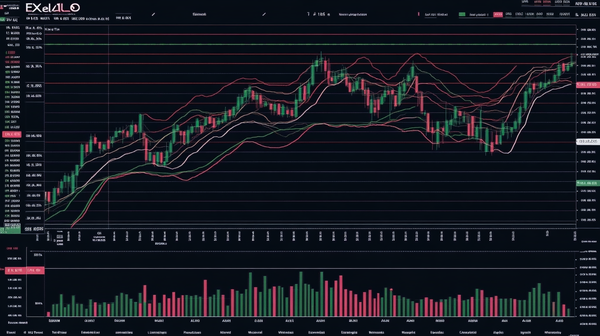
On desktop, the WebTrader loaded quickly and stayed stable through multiple logins and chart refreshes; I didn’t run into the “frozen ticket” issue that plagues some lightweight terminals. Order controls covered market, limit, and stop with adjustable SL/TP, plus partial position management from the open-trades panel. If you live inside MT4/MT5 plugin ecosystems, you’ll feel the gap—no confirmed MQL marketplace here—yet the core execution workflow is functional for discretionary trading.
PhospherAI App: Mobile Trading Experience
The PhospherAI app handled real-time quotes and trade management without feeling like a stripped-down afterthought, and it let me initiate deposits and check withdrawal status from the same menu. PhospherAI login supported biometric unlock on my device, which matters when you’re managing risk in transit. One-tap close and quick-edit SL/TP are present, though dense charts on smaller screens still reward minimalist indicator setups rather than “everything at once.”
Charting, Tools & Research
Charts include the usual indicator library (MA, RSI, MACD, Bollinger) with drawing tools for levels and trend lines, plus multi-timeframe switching that’s responsive enough for intraday work. An economic calendar and integrated news feed help with timing around CPI/FOMC-style events, but research depth won’t replace a dedicated macro terminal. Alerts and watchlists are useful for routine scanning; heavy quant traders will still want external tooling.
PhospherAI Account Opening & Minimum Deposit
Before I could touch leverage, the platform pushed me through a clean signup flow: email, password, basic profile fields, then a compliance step that asked the right questions for AML. KYC required a government-issued photo ID and a proof of address dated within three months; my upload was approved later the same business day. That’s a decent pace for an offshore broker, and it reduced the “surprise verification” risk at withdrawal time.
- Minimum Deposit: $200 (this is the PhospherAI minimum deposit I used for the test account)
- Funding Methods: Visa/Mastercard, bank wire, regional e-wallets, and major cryptocurrencies (BTC, USDT)
- Demo Account: $10,000 virtual balance for practicing order placement and margin behavior
- Account Types: Standard (spread-only) and Raw/ECN-style (tighter spreads + commission for active traders)
Depositing via USDT credited quickly, with a clear confirmation screen and a transaction history entry I could export. If you insist on fiat rails, expect more friction—banks love paperwork, and paperwork loves wasting your time. Still, for a CFD venue, the onboarding felt coherent, and the core settings (base currency, leverage, notifications) were easy to find.
PhospherAI Customer Support Review
I tested live chat with a practical question: how swap rates are displayed and whether they change between Standard and Raw/ECN-style pricing. The agent came back in roughly three minutes with a direct pointer to the instrument-spec panel and explained when triple-swap applies. I then emailed a follow-up about withdrawal rails and internal processing windows; the ticket reply landed in about nine hours and matched what I later saw in the cashier flow.
Coverage runs on a 24/5 rhythm, which is fine for FX and index traders but leaves weekend crypto questions to slower channels. Language support felt “international English first,” with regional depth depending on staffing. Phone support wasn’t emphasized, so treat chat/email as the primary path—pretty normal for this segment.
Ready to Explore PhospherAI?
If you’re considering an account, start by checking whether your country is accepted and compare Standard vs. Raw/ECN-style pricing on the instruments you actually trade. A demo run is the cleanest way to see how spreads behave around your session and how the app feels in your hand.
PhospherAI Review FAQ
Is PhospherAI good for beginners?
It can be, as long as you treat leverage like a blade, not a toy. The interface is approachable and the demo helps, but CFDs plus 1:500 leverage can punish sloppy risk management fast. Beginners should start small, focus on a few instruments, and learn margin calls before chasing “AI” marketing.
Can I trade crypto on PhospherAI?
Yes, crypto CFDs are part of the product list, including BTC/USD and ETH/USD. You’re trading a CFD price feed, not withdrawing coins to a wallet, so there’s no on-chain settlement. If you want real Bitcoin custody, you won’t get that through a CFD ticket.
Is PhospherAI a scam?
No—based on my account test, deposits, trading, and withdrawals functioned like a real brokerage operation. The bigger issue is not “scam vs. not scam,” but the offshore structure and the thinner investor protection that comes with it. Use strict position sizing and don’t park money you can’t afford to lose.
Is PhospherAI available in the USA?
No, the USA is restricted. When I checked the eligibility prompts, US residency was not supported for account approval. If you’re in the US, you’ll need a domestically compliant alternative.
How long does a PhospherAI withdrawal take?
Most withdrawals are processed internally within 24–48 hours after KYC is complete. In my case, a USDT withdrawal hit my wallet the same day after approval, while cards and bank wires can take several business days depending on the rail. Always factor weekends and bank cutoffs into your timing.
What is the PhospherAI minimum deposit?
The PhospherAI minimum deposit is $200. That level is enough to open positions, but it’s not enough to ignore drawdowns if you use high leverage. If you’re new, consider depositing only what matches your planned risk per trade.
Does PhospherAI have a mobile app?
Yes, there are iOS and Android apps, and they cover the essentials—quotes, charting, order placement, and account management. You can also monitor positions and adjust risk controls from mobile. For complex multi-monitor workflows, the WebTrader is still the better home base.
Final Verdict: Should You Use PhospherAI in 2026?
Overall Score: 4.1/5
What stands out is the balance: PhospherAI delivers a clean, modern trading flow with enough markets to keep an active CFD trader busy, while keeping costs reasonable if you choose the right account tier. My deposit-and-withdraw loop worked, and KYC wasn’t a theatrical obstacle, which I respect. Still, offshore registration is a real trade-off—if you want ironclad dispute mechanisms, look elsewhere. Treat leverage as optional, not mandatory, and remember: CFD trading is high risk and capital can disappear fast. If you want to check the current conditions, PhospherAI is the reference point I used.
Best for: Active CFD traders who want multi-asset exposure and can manage margin with discipline. Avoid if: You require Tier‑1 regulation, zero-financing long holds, or you’re seeking real Bitcoin ownership (21 million — and not a coin more).