Pioneer Kapitium Review 2026: Is It Safe & Worth Your Money?
Pioneer Kapitium Review 2026: Pros, Cons, and Features Tested
| Min Deposit | $200 |
| Max Leverage | 1:500 |
| Assets | Forex, Crypto CFDs, Commodities, Indices, Share CFDs |
| Platforms | Proprietary WebTrader, iOS app, Android app |
A multi-asset CFD broker with offshore wiring, Pioneer Kapitium fits traders who want flexible leverage and a simple WebTrader—at the cost of lighter investor protections than top-tier regimes. I used Pioneer Kapitium on both a Standard and a tighter-spread Raw-style tier, and the difference in all-in costs was obvious once commissions kicked in. Market coverage leans practical: majors in FX, the headline indices, metals, and the usual large-cap crypto CFDs. The platform stack is proprietary (web + mobile), which keeps things clean but won’t satisfy MT4/MT5 power users. The main drawback is the offshore registration model, so you must treat risk management as non-negotiable.
Pros
- Two pricing styles (spread-only vs. raw + commission) let you tune costs to your activity level
- Crypto CFD access alongside FX, gold, and indices in the same margin account
- Mobile app covers core tasks, including position management and funding flows
Cons
- Offshore oversight means fewer formal dispute paths than FCA/ASIC-type jurisdictions
- Education/research is serviceable but not deep enough for serious self-study
- Dormant accounts can pick up a monthly inactivity charge after a set period
Is Pioneer Kapitium Legit and Safe?
Pioneer Kapitium looked operational and tradable in my testing, not like a “vanishing website” scam. That said, it runs under an offshore framework, so “legit” here means functional service—not the same safety net you’d expect from a Tier-1 regulator.
On the paperwork side, the provider presents itself under a Mauritius FSC-style registration structure, which typically allows higher leverage but also tends to offer weaker compensation schemes and less muscle for escalations if things go wrong. I scanned for the usual red flags—aggressive “account manager” pressure, fake trophy-badge marketing, or withdrawal stalling—and didn’t see the loud stuff during my window: KYC was enforced before payout, and the site language repeatedly referenced segregated client funds (still, you’re trusting their operations more than a regulator). The bigger trade-off is practical: offshore rules can mean faster onboarding and higher leverage, but fewer guardrails. Remember: CFDs are leveraged products; most retail traders lose money, and your capital is always at risk.
Supported Countries & Restricted Regions
The broker generally accepts a wide range of international clients across parts of Europe, Asia, Africa, and LATAM, while blocking the USA and sanctioned jurisdictions. Availability is ultimately confirmed at signup and KYC.
| Region | Status | Leverage Cap |
|---|---|---|
| Southeast Asia (selected countries) | Accepted | Up to 1:500 |
| LATAM (selected countries) | Accepted | Up to 1:500 |
| MENA (selected countries) | Accepted | Up to 1:500 |
| Europe (non-EU/EEA, selected) | Accepted | Up to 1:500 |
| USA | Restricted | Not offered |
| Sanctioned jurisdictions | Restricted | Not offered |
In practice, IP checks can flag you early, but eligibility is really decided by identity documents at verification. Policies change, so don’t assume yesterday’s access equals today’s—especially if you travel.
Tradable Assets and Markets
Instead of trying to be everything, this platform focuses on the liquid “bread and butter” CFD markets most margin traders actually touch. The lineup is multi-asset, with FX and indices doing the heavy lifting and crypto CFDs as an add-on.
- Indices: Core benchmarks like US500, NAS100, and GER40 with tight session liquidity during London/NY overlap.
- Forex: A practical list of majors and minors (think EUR/USD, GBP/JPY), plus a smaller set of higher-spread exotics.
- Commodities: XAU/USD and XAG/USD are the main attraction, with energy contracts such as WTI/Brent for macro-driven trading.
- Crypto CFDs: BTC and ETH pairs are the headline products, priced for short-term trading rather than “hold it forever” conviction.
- Share CFDs: A curated shelf of US/EU large caps—useful for event trades, not for building a dividend portfolio.
Exposure here is CFD-based: you’re trading price movement, not owning the underlying asset. That means no shareholder rights, and crypto positions are not on-chain—no withdrawals to your own wallet, just P&L.
Pioneer Kapitium Trading Fees and Spreads
Costs on this broker depend on the account tier: Standard is spread-only, while the Raw/ECN-style option combines tighter spreads with a per-lot commission. On my EUR/USD checks, the raw tier looked competitive for active trading, while the Standard tier priced closer to the middle of the offshore CFD pack.
| Asset | Spread/Fee | Market Average Comparison |
|---|---|---|
| EUR/USD (Standard) | From 1.4 pips | In line with many offshore CFD brokers |
| EUR/USD (Raw/ECN) | From 0.2 pips + $7 round-turn/lot | Often cheaper for high-frequency styles |
| Bitcoin (BTC/USD) | From $35 (variable) | Typical for crypto CFDs, widens on volatility |
| Gold (XAU/USD) | From $0.35 | Competitive in calm conditions |
| US500 Index | From 0.8 points | Generally around market average |
Non-spread costs matter over time: overnight swap/financing is the silent drain if you hold CFDs for days, and crypto weekend financing can bite when volatility spikes. I also noted an inactivity fee of $10 per month after 90 days without trading, which punishes “set it and forget it” accounts. Funding in one currency and trading in another can trigger conversion costs; if you’re moving in and out of USD, plan those frictions upfront when using Pioneer Kapitium.
Pioneer Kapitium Trading Platforms and Tools
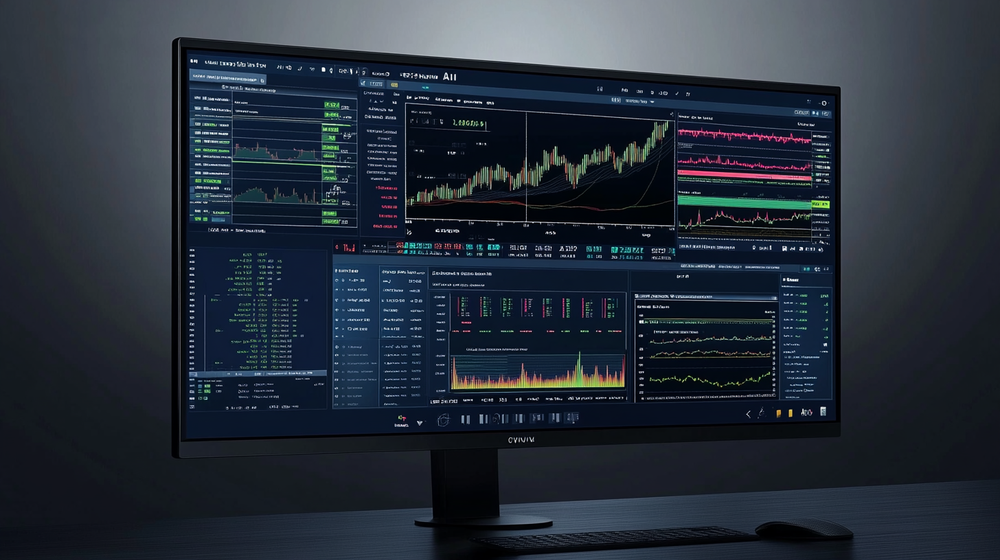
WebTrader is the center of gravity here, and it behaved reliably in my sessions: the terminal loaded fast, quotes stayed live, and market/limit/stop orders were all where you’d expect. Execution felt consistent on liquid products, and during the London open I didn’t get stuck in a loop of requotes—though slippage can still appear around data drops because that’s how CFDs work. If you live inside the MT4/MT5 ecosystem (custom EAs, massive indicator libraries), the proprietary stack will feel narrower.
Pioneer Kapitium App: Mobile Trading Experience
The Pioneer Kapitium app is built for monitoring and acting, not for endless chart surgery on a tiny screen. I tested Pioneer Kapitium login with biometric unlock, then placed a one-tap close on a small US500 position to see if the confirmation workflow was sane—it was. You can deposit and request withdrawals from mobile, set alerts/push notifications, and manage watchlists; the main quirk is that deep indicator tweaking is limited compared with desktop chart platforms.
Charting, Tools & Research
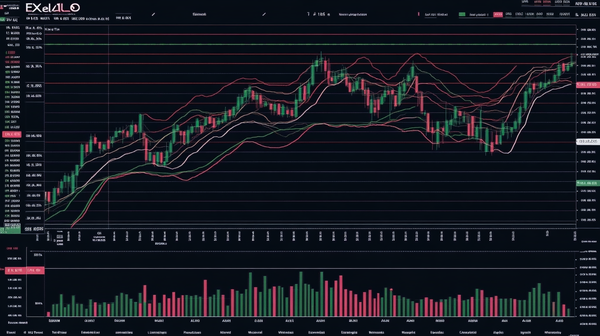
Charting covers the essentials: multiple timeframes, common indicators (RSI, MACD, moving averages, Bollinger Bands), and basic drawing tools for structure. There’s an economic calendar plus a light news feed, enough to keep you aware of CPI/FOMC-style landmines. Still, research is not institutional-grade, and you won’t get the rich strategy tooling you’d find in a full MT5/cTrader workflow—plan to bring your own process.
Pioneer Kapitium Account Opening & Minimum Deposit
From Tokyo, the signup flow asked for the standard identifiers (name, email, phone, residence), then nudged me straight into AML/KYC before I could request a withdrawal. Verification required a government photo ID plus proof of address (I used a utility statement dated within three months), and my account flipped to verified status later the same business day. It’s not “banks are your friends” onboarding—thankfully—but it is still identity-gated, because brokers don’t get to ignore AML rules.
- Minimum Deposit: $200 (this is the Pioneer Kapitium minimum deposit I was shown at funding)
- Funding Methods: Visa/Mastercard, bank wire, regional e-wallets, and cryptocurrencies (BTC and USDT were available on my cashier page)
- Demo Account: $10,000 virtual balance for practicing order types and margin behavior
- Account Types: Standard (spread-only) and Raw/ECN-style (tighter spreads + $7 round-turn commission/lot)
One detail I liked: the cashier made it clear when a method was “instant” versus “pending,” which reduces deposit confusion. Base currency choices were limited, so if you’re funding from JPY you should expect conversion at some point—either by your card issuer, your bank, or the platform’s payment rail.
Pioneer Kapitium Customer Support Review
I pushed support with a specific trader question: “Where can I see the swap/overnight rate before holding XAU/USD?” Live chat answered in about three minutes with the menu path and a quick note about triple-swap days, then offered to email the current rates list. I also opened an email ticket about Pioneer Kapitium withdrawal timing on crypto rails; the reply landed in roughly nine hours with a plain-English breakdown of internal processing (24–48 hours post-KYC) versus blockchain confirmation time.
Coverage is what you’d expect in this segment: 24/5 live chat and email, with weekend responsiveness softer unless markets are open for crypto. Language depth depends on who you reach; English is solid, while other languages can feel “rotating shift.” Phone support wasn’t emphasized in my account area, so if you require a hotline, that’s a gap to note.
Ready to Explore Pioneer Kapitium?
Before you commit real capital, open a demo, map the spreads during your trading hours, and check the withdrawal menu for your country and preferred rail. If the UI and pricing match your style, you can scale carefully from there—leverage rewards precision, not bravado.
Pioneer Kapitium Review FAQ
Is Pioneer Kapitium good for beginners?
It can be, as long as you treat CFDs like power tools, not toys. The WebTrader layout is easy to navigate, and the $10,000 demo helps you learn margin and order types without paying tuition to the market. Beginners should keep leverage low even if 1:500 is available.
Can I trade crypto on Pioneer Kapitium?
Yes, crypto is offered as CFDs (BTC and ETH were the key pairs on my watchlist). That’s fine for short-term trading, but it’s not the same as owning coins. If you want self-custody, a real wallet and on-chain withdrawals matter—“21 million, and not a coin more.”
Is Pioneer Kapitium a scam?
No, it didn’t behave like a scam in my test: KYC was required, trades executed, and the withdrawal workflow was coherent. The real caution is jurisdictional—offshore registration means weaker formal protections than top-tier regulators. Use strict risk controls and don’t deposit money you can’t afford to lose.
Is Pioneer Kapitium available in the USA?
No, the USA is restricted. If you’re a US resident, you’ll typically be blocked at signup or later at verification. Don’t try to route around it; KYC checks tend to catch mismatches.
How long does a Pioneer Kapitium withdrawal take?
Most withdrawals are processed internally within 24–48 hours after KYC is complete. After that, receipt time depends on the rail: cards commonly take 2–5 business days, wires 3–7 business days, and crypto is often same-day once broadcast. Always factor in weekends and compliance checks.
What is the Pioneer Kapitium minimum deposit?
The Pioneer Kapitium minimum deposit is $200. That’s enough to test order execution and financing costs on small position sizes, but it’s not a license to crank leverage. Start small, then scale only if your risk metrics survive real market volatility.
Does Pioneer Kapitium have a mobile app?
Yes, there are iOS and Android apps. You can manage positions, place basic order types, and handle deposits/withdrawals from the phone. For heavy chart work, the WebTrader screen real estate is still more comfortable.
Final Verdict: Should You Use Pioneer Kapitium in 2026?
Overall Score: 4.1/5
Leverage up to 1:500, a clean WebTrader, and a usable Raw-style tier make Pioneer Kapitium compelling if you’re cost-aware and disciplined. My trading checks on majors and indices were smooth enough to trust for routine execution, and support gave specific answers instead of sales fog. The price you pay is structural: offshore oversight and CFD complexity put the burden on you—margin calls don’t care about your feelings, and most retail accounts lose money trading leveraged products. If that reality doesn’t scare you, Pioneer Kapitium can be a practical tool.
Best for: active CFD traders who want Standard vs. Raw pricing choice and multi-asset access in one platform. Avoid if: you require Tier-1 regulation, MT4/MT5 ecosystems, or you’re prone to over-leveraging.