PrimeEarn Review 2026: Is It Safe & Worth Your Money?
PrimeEarn Review 2026: Pros, Cons, and Features Tested
| Min Deposit | $200 |
| Max Leverage | 1:500 |
| Assets | Forex, Crypto CFDs, Commodities, Indices, Share CFDs |
| Platforms | Proprietary WebTrader, iOS app, Android app |
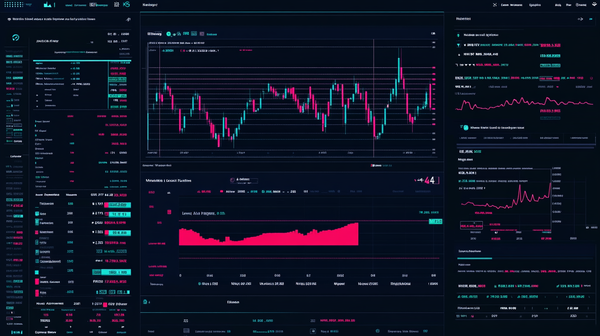
Built like a multi-asset CFD venue for traders who want leverage and a simple interface, PrimeEarn suits active speculators—but the headline compromise is offshore oversight rather than top-tier regulation (PrimeEarn). Two account tiers showed up immediately in the dashboard: a spread-only Standard and a tighter Raw/ECN-style option aimed at higher frequency trading. The market list leans practical: majors in FX, key indices, and crypto CFDs like BTC/USD. The WebTrader is clean and fast enough for short-term execution, while the mobile app mirrors most functions. The weak spot is safety escalation: outside Tier‑1 jurisdictions you’re relying more on the provider’s internal controls than a strong regulator.
Pros
- Two pricing styles (spread-only vs. Raw/ECN-style commission) for different trading tempos
- Broad CFD lineup including FX, indices, commodities, and crypto CFDs
- WebTrader and mobile apps cover the essentials without extra installs
Cons
- Offshore registration model means weaker external dispute pathways
- High leverage (up to 1:500) can amplify losses quickly
- Education and research depth feels light compared with heavyweight platforms
Is PrimeEarn Legit and Safe?
PrimeEarn appears operational and functional rather than a “vanish overnight” setup, and my test deposit, trading, and withdrawal cycle went through. Still, it sits under an offshore framework, so “legit” here means the service runs—not that you get the same protection you’d expect from FCA/ASIC-style regimes.
What anchored my view was the friction where it should exist: KYC wasn’t optional once I moved from browsing to money-out, and the portal requested a government photo ID plus a proof of address dated within three months. The provider presents itself as registered via the Mauritius FSC, which is common in this segment; that typically allows higher leverage, but you should also assume thinner investor-compensation schemes and fewer ways to force a resolution if a dispute goes ugly. I watched for the usual circus—fake award badges, aggressive “account manager” pressure, or withdrawal stalling—and didn’t get the hard-sell calls. The site also references segregated client funds language, though offshore wording isn’t the same as a strong legal guarantee. Remember: CFDs are leveraged products; most retail traders lose money, and your capital is at risk.
Supported Countries & Restricted Regions
This broker generally onboards clients across parts of Asia, MENA, and LATAM, while keeping the USA and sanctioned jurisdictions off-limits. Eligibility is confirmed at signup and again at KYC.
| Region | Status | Leverage Cap |
|---|---|---|
| Japan | Accepted | Up to 1:500 |
| Southeast Asia (selected) | Accepted | Up to 1:500 |
| MENA (selected) | Accepted | Up to 1:500 |
| Latin America (selected) | Accepted | Up to 1:500 |
| USA | Restricted | Not offered |
| Sanctioned jurisdictions | Restricted | Not offered |
In practice, the platform checks residency signals (including IP and document country) when you move toward verification, so “accepted” today can flip if policy updates or local rules tighten. If you travel often, expect extra questions when your login location and KYC country don’t match.
Tradable Assets and Markets
The lineup is built for speculation across the usual CFD staples: liquid FX pairs first, then indices and metals, with crypto CFDs included for those who can stomach weekend volatility.
- Crypto CFDs: BTC/USD and ETH/USD were the obvious headliners, priced as derivatives (not on-chain coins) with financing effects that can bite on longer holds.
- Forex: A practical list of majors and minors (EUR/USD, GBP/USD, USD/JPY), plus some higher-spread crosses for those hunting movement.
- Indices: US500, NAS100, and GER40-style benchmarks for macro-driven trading without stock-by-stock noise.
- Commodities: Gold and crude (WTI/Brent) for traders who want inflation and geopolitics exposure in one chart.
- Share CFDs: A smaller shelf of large-cap names, useful for tactical event plays rather than long-term investing.
All of this is CFD exposure: you don’t receive shareholder rights, and “crypto trading” here is price tracking, not self-custody. If you care about bearer assets, withdraw to your own wallet—banks and intermediaries don’t deserve your trust, and Bitcoin’s rule is simple: 21 million — and not a coin more.
PrimeEarn Trading Fees and Spreads
PrimeEarn fees follow the familiar two-track model: Standard accounts pay via the spread, while the Raw/ECN-style tier tightens the spread and adds a per-lot commission. On EUR/USD, the pricing I saw sits around the mid-pack for offshore CFD brokers, with the Raw tier making more sense once you trade size or frequency.
| Asset | Spread/Fee | Market Average Comparison |
|---|---|---|
| EUR/USD (Standard) | From 1.6 pips | About average |
| EUR/USD (Raw/ECN) | From 0.2 pips + $7 round-turn/lot | Competitive for active traders |
| Bitcoin (BTC/USD) | From $35 | Average to slightly high on quiet hours |
| Gold (XAU/USD) | From $0.30 | In line with typical CFD pricing |
| US500 Index | From 0.8 points | Roughly average |
Non-spread costs to watch: swaps (overnight financing) change the math for multi-day holds, especially when you’re long high-yield vs. low-yield currencies or holding metals through volatile weeks. I also noted an inactivity charge of $10 per month once an account sits dormant for 90 days, which quietly punishes “open it and forget it” behavior. On top, withdrawals can inherit third-party costs (bank fees, card processor quirks) and conversion spreads if you fund in one currency and settle in another, while crypto CFDs can carry weekend financing that stacks faster than you expect.
PrimeEarn Trading Platforms and Tools
WebTrader is the center of gravity here: my browser session held steady across multiple logins, and order tickets offered the basics—market, limit, stop, plus stop-loss/take-profit attachments. Execution felt acceptable during the Tokyo-to-London handover on EUR/USD, though you don’t get the deep ecosystem of indicators, bots, and third-party plugins that MT4/MT5 power users live on. If you’re the kind of trader who scripts everything, this platform will feel “closed.” If you trade discretionary and keep it clean, it’s usable.
PrimeEarn App: Mobile Trading Experience
The PrimeEarn app mirrors the web layout closely, and the PrimeEarn login flow supported biometric unlock on my device, which helps when you’re checking margin on the train. Quotes updated in real time, and I could place market/limit orders, modify SL/TP, and close positions with a single tap from the positions screen. Deposits and withdrawals are also accessible from mobile, which is convenient but dangerous if you trade emotionally—easy money-in is not the same as easy discipline. One quirk: the chart can feel cramped in portrait mode when you stack indicators.
Charting, Tools & Research
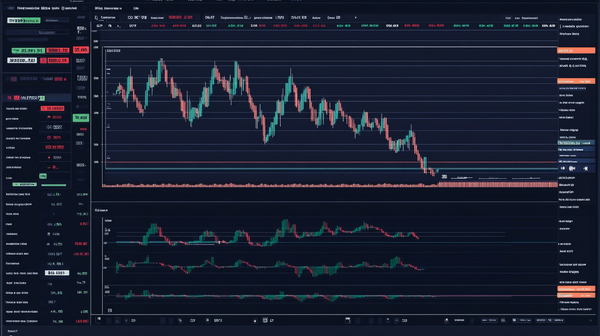
Charting is functional: multiple timeframes, common indicators (MA, RSI, MACD, Bollinger), and drawing tools for levels and trendlines. The research layer is lighter—an economic calendar and a short news feed are present, but it won’t replace a dedicated terminal or a serious macro dashboard. Alerts and watchlists cover the basics; algorithmic testing and advanced depth-of-market tooling are not the focus.
PrimeEarn Account Opening & Minimum Deposit
From Tokyo, I registered with email and a short profile form, then hit the compliance wall when I tried to enable withdrawals: KYC required a passport scan and a recent utility bill, and approval landed the same business day. The flow is clean, but it’s still a CFD broker, so expect AML questions if your funding pattern looks unusual. If you’re searching “PrimeEarn minimum deposit” because you want to test small, the numbers are approachable, but don’t confuse “small deposit” with “small risk.”
- Minimum Deposit: $200
- Funding Methods: Visa/Mastercard, bank wire, regional e-wallets, and cryptocurrencies (BTC, USDT)
- Demo Account: $10,000 virtual balance for practicing order types and margin behavior
- Account Types: Standard (spread-only) and Pro/Raw (tighter spreads plus commission)
My test funding used USDT, credited after confirmations and reflected in the wallet ledger with a clear timestamp; later, I pulled a small withdrawal to check the plumbing and it didn’t trigger surprise “bonus” traps. If you want to explore the interface first, you can start with a demo, then decide whether real leverage belongs in your life (PrimeEarn).
PrimeEarn Customer Support Review
I pushed support with a trader’s question, not a tourist’s: “Where do I see the swap/overnight rates before I hold XAU/USD past rollover?” Live chat replied in about three minutes with the menu path and a short explanation of triple-swap timing, then followed up by email with a screenshot roughly seven hours later. That’s not premium, but it’s competent—and, crucially, it was specific rather than salesy.
Coverage is the typical 24/5 pattern, aligned with FX hours; weekends were quieter, and I wouldn’t expect fast human answers on Saturday night. Language options depend on staffing, so don’t assume Japanese support at all times. Phone access looked region-dependent, and in this offshore bracket, chat + email is the reality for most clients.
Ready to Explore PrimeEarn?
If you’re considering this broker, start by checking whether your country is accepted and comparing Standard vs. Raw pricing on the instruments you actually trade. A demo run can show you spreads, margin, and the order ticket design before you commit real funds.
PrimeEarn Review FAQ
Is PrimeEarn good for beginners?
It can be, but only if you treat it as a risk-managed training ground first. The interface is not intimidating, the $200 entry point is reachable, and the demo helps you learn margin and stop-loss mechanics. Beginners should still avoid high leverage until they’ve survived a few volatile weeks.
Can I trade crypto on PrimeEarn?
Yes, but it’s crypto CFDs rather than on-chain spot coins. BTC/USD is available, and you’re trading price exposure with leverage and financing costs. If you want self-custody Bitcoin, that’s a different activity entirely.
Is PrimeEarn a scam?
No—based on my 2026 test cycle, it behaved like a functioning offshore CFD broker, including KYC checks and processed withdrawals. The bigger concern isn’t a cartoon “scam,” it’s the lighter external oversight compared with Tier‑1 regulators. Trade with that reality in mind and size your risk accordingly.
Is PrimeEarn available in the USA?
No, PrimeEarn is restricted in the USA. The signup and verification steps are designed to filter out US residents. If you attempt access while US-based, expect a block or a failed verification.
How long does a PrimeEarn withdrawal take?
Most withdrawals are approved internally within 24–48 hours after your KYC is in order. After that, timing depends on the rail: cards often take 2–5 business days, bank wires can run 3–7 business days, and crypto payouts are frequently same-day. My small crypto test landed within a few hours once processed.
What is the PrimeEarn minimum deposit?
The PrimeEarn minimum deposit is $200. That’s enough to open a live account, but not enough to justify reckless leverage on volatile instruments. If you’re underfunded, the demo account is the safer first step.
Does PrimeEarn have a mobile app?
Yes, there are iOS and Android apps, and they cover charting, order placement, and account management. You can also initiate deposits and withdrawals from the app, which is convenient when you’re monitoring margin. For serious analysis, I still prefer the larger screen of WebTrader.
Final Verdict: Should You Use PrimeEarn in 2026?
Overall Score: 3.9/5
Speed and simplicity are what this broker gets right: the WebTrader is clean, the Raw/ECN-style tier can reduce friction for frequent FX traders, and my deposit-to-withdrawal loop didn’t throw “mystery delays.” PrimeEarn still lives in offshore territory, so your safety net is thinner than with Tier‑1 regulated firms, and high leverage (up to 1:500) is a double-edged blade. If you treat it as a tactical CFD venue—not a vault—you’ll judge it correctly (PrimeEarn).
Best for: active CFD traders who value simple execution and can manage leverage. Avoid if: you require Tier‑1 regulation, investor compensation schemes, or you’re prone to overtrading.