Prisma Barattaggio Trading Platform Alternatives 2026
Prisma Barattaggio Trading Platform Alternatives 2026: Reliable Options for Online Traders
Leverage is a loud salesman. It promises speed, “opportunity,” and a shortcut around the slow grind of building real wealth. That pitch is exactly why traders end up on offshore CFD venues that look polished in a browser and feel easy on day one. Prisma Barattaggio sits in that neighborhood: a CFD-first setup (forex and indices up front, commodities in the background, crypto CFDs often on the menu) typically paired with a proprietary WebTrader and mobile apps. The usual headline numbers are familiar too—minimum deposit around $250, leverage that can reach 1:500, and EUR/USD spreads that tend to cluster near ~2.0 pips on a standard-style account.
Now the part most platforms don’t put in bold: the structure around the trade matters as much as the trade itself. If a broker is offshore (commonly seen under a Seychelles FSA framework for this category), your protection tools are thinner—dispute channels, compensation schemes, and transparency can be weaker than what you get under FCA, ASIC, CySEC, or NFA rules. That’s why Prisma Barattaggio alternatives remain a live search topic in 2026: traders want clearer oversight, better execution data, more platform choice (MT4/MT5/cTrader), and fewer surprises when it’s time to withdraw. For readers starting from Prisma Barattaggio, this guide focuses on regulated substitutes that serve US/EU needs, with practical checks you can run before moving capital.
Disclaimer: This article is for informational purposes only and does not constitute investment advice. CFDs and other leveraged products carry a high risk of loss and are not suitable for everyone.
Key Takeaways (TL;DR)
- Offshore/high-leverage CFD venues can feel convenient, but regulated brokers add layers like segregated client funds and clearer complaint processes.
- Compare costs using “round-turn” trade cost (spread + commission) and don’t ignore swap/overnight fees if you hold positions beyond a day.
- If you need MT4/MT5/cTrader (EAs, custom indicators, strategy testing), prioritize brokers with those stacks instead of web-only terminals.
What Is Prisma Barattaggio and How Does Its Trading Platform Work?
From a trader’s-eye view, Prisma Barattaggio looks like an offshore CFD broker aimed at retail clients who want fast onboarding and access to forex/CFDs in one place. The product mix is usually the classic bundle: roughly 30–50 FX pairs, a small list of indices and commodities, and a crypto CFD lineup that might run 10–30 coins. With maximum leverage commonly marketed up to 1:500, it attracts short-term speculation—yet that same leverage can turn a small pricing move into a margin call. For US residents, access is typically restricted, which pushes US-based traders toward NFA/CFTC-regulated venues instead of brokers similar to Prisma Barattaggio.
Prisma Barattaggio Web Trading Platform: Core Features and Tools
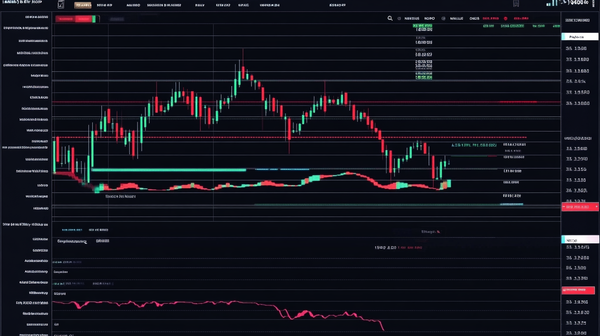
The platform stack is generally a proprietary WebTrader with a companion iOS/Android app, built for “good enough” execution rather than deep workstation-level control. Charting tends to cover the essentials—timeframes, basic drawing tools, and a set of common indicators—while advanced features (strategy tester, tick-by-tick analytics, extensive order routing controls) are usually limited compared to MT5/cTrader ecosystems. Order tickets typically handle market/limit/stop with simple risk controls, and the account dashboard focuses on balance, margin, open positions, and history. Mobile parity is often decent for monitoring and closing trades, but heavy multi-chart work can feel cramped and less precise.
Trading Fees, Spreads, and Account Types at Prisma Barattaggio
Cost structure in this offshore CFD segment usually follows a two-lane model: a standard account with a wider all-in spread (EUR/USD often around ~2.0 pips) and, sometimes, a “raw/ECN-style” tier with tight spreads (around 0.0–0.4 pips) plus a commission in the neighborhood of $6–$8 per round turn. Overnight financing (swap) is where many traders get surprised—carry a position for a week and the total cost can dwarf the entry spread. Add potential withdrawal or inactivity charges depending on payment method and dormancy rules, and your real cost-of-trade becomes more than the headline spread.
When Do Traders Start Looking for Prisma Barattaggio Alternatives?
Regulation is the trigger I see most often. Traders can tolerate a clunky interface, but they struggle to tolerate uncertainty: Who holds client money? What happens if there’s a dispute? Offshore CFD providers can operate with lighter oversight, and that pushes people toward Prisma Barattaggio alternatives where the rules are clearer and enforcement has teeth. Another common driver is strategy maturity—once you move beyond “click and hope,” you start caring about execution model, slippage, platform tooling, and reliable reporting for taxes and audits.
- You want FCA/ASIC/CySEC/NFA-grade oversight instead of an offshore framework and lighter investor-protection expectations.
- You need MT4/MT5 or cTrader for an EA-based strategy, custom indicators, or detailed backtesting that a proprietary WebTrader can’t replicate.
- You’re paying the spread but also feeling swap/overnight fees bite harder than expected on multi-day holds.
- You plan to trade real stocks/ETFs (ownership) rather than stock CFDs that don’t provide shareholder rights or direct-market access.
How to Choose a Reliable Alternative to the Prisma Barattaggio Trading Platform
Pick your replacement the way you’d size a position: define the risk you can tolerate, then choose the structure that reduces avoidable blowups. For alternatives to the Prisma Barattaggio trading platform, that means putting regulation and execution quality ahead of leverage marketing, and making sure the platform stack matches your strategy before you move meaningful capital.
Regulation, Safety, and Investor Protection
Start with the regulator’s public register—FCA, ASIC, CySEC, or NFA are not interchangeable logos. FCA-regulated UK entities can fall under FSCS protection (up to £85,000 in eligible cases), while CySEC oversight can tie to the ICF (up to €20,000, eligibility dependent). Look for segregated client funds, negative balance protection where applicable, and transparent risk disclosures. If a broker can’t be confirmed on an official register, treat that as a red flag, not a paperwork delay.
Available Markets and Instruments
Decide whether you need CFDs only, or true multi-asset access. FX and index CFDs cover many short-term strategies, but long-horizon investors often prefer real stocks/ETFs, bonds, or futures for cleaner exposure. Options and exchange-traded futures bring different risk curves and margin rules than CFDs. Also be honest about “crypto trading”: CFD exposure is price betting, not on-chain ownership—no withdrawals to a wallet, no self-custody, no settlement finality.
Trading Costs: Spreads, Commissions, and Other Fees
Ignore single-number “from” spreads and calculate a round-turn: spread + commission + expected slippage. For a scalper placing 200 round turns/month on EUR/USD, shaving even 0.8 pips can be the difference between a strategy that breathes and one that bleeds. Then layer in swap/overnight financing for swing trades, plus non-trading fees like inactivity charges or withdrawal costs. Cheap spreads don’t help if the fee schedule punishes your holding period.
Platforms, Tools, and Execution Quality
Platform choice is not cosmetic—it changes what you can build. MT4/MT5 and cTrader support EAs/algos, custom indicators, and broader third-party tooling; proprietary WebTraders often prioritize simplicity. Execution model matters too: market maker setups can be fine for some flows, while STP/ECN/DMA routing may better fit latency-sensitive trading. Watch for slippage behavior during news, order rejections, and whether stop orders behave as expected in fast markets.
Support, Education, and Overall User Experience
When volatility hits, support quality stops being a “nice-to-have.” Check service hours (especially across US/EU time zones), language coverage, and whether responses are specific or scripted. Education can signal seriousness—platform tutorials, margin explanations, and risk tools help reduce user error. Finally, test mobile parity: if you manage risk from a phone, you need reliable charting, stable order tickets, and clear margin warnings without lag.
Prisma Barattaggio and Different Asset Classes: When Alternatives May Be Better
Prisma Barattaggio Forex and CFD Trading
Forex/CFDs are the natural home turf for platforms like Prisma Barattaggio: a compact list of majors/minors, a handful of indices, and leverage that can reach 1:500. The trade-off is that higher leverage magnifies execution flaws—slippage and spread widening become expensive when your position size is large relative to equity. Regulated FX/CFD specialists such as Pepperstone and OANDA tend to win on tooling and transparency: MT4/MT5/cTrader availability (Pepperstone) and strong regulatory footing (OANDA with NFA/CFTC in the US plus FCA/ASIC/IIROC elsewhere). If your approach is systematic or news-sensitive, execution quality and consistent fills can matter more than the extra 200 points of leverage marketing.
Prisma Barattaggio Stock and ETF Trading
Here’s where many offshore CFD brokers feel thin. Stock and ETF exposure is often offered as CFDs (if offered at all), which means you’re not buying the underlying shares—no shareholder rights, no direct voting, and pricing depends on the broker’s CFD feed. For traders who want real market access, Interactive Brokers (IBKR) and Saxo Bank are the typical step up: they’re built for multi-asset trading with broad equities/ETFs coverage and professional-grade order types. In practice, that changes the entire experience—corporate actions, reporting, and market access become closer to what institutions use, rather than a “synthetic” wrapper around price movement.
Prisma Barattaggio Crypto Trading
Crypto at offshore CFD venues is usually crypto CFDs: you’re trading a derivative, not holding coins. That’s fine if your goal is short-term price exposure and you understand funding costs, weekend liquidity gaps, and the broker’s pricing source. It’s not fine if you think you’re accumulating bitcoin—CFDs don’t withdraw to a wallet, and they don’t give you the sovereignty that matters. Among regulated options, IG and Plus500 are known for offering crypto CFDs in many jurisdictions (availability depends on region and rules), while some multi-asset brokers focus more on listed products than crypto derivatives. For a Bitcoin orthodox like me, “not your keys” isn’t a slogan; it’s the entire point.
Best Prisma Barattaggio Alternatives for 2026: Comparison of Top Trading Platforms
Interactive Brokers (IBKR): Key Facts and How It Compares to Prisma Barattaggio
Regulation: SEC/FINRA (US), FCA (UK), IIROC (Canada) across entities
Markets: Stocks, ETFs, options, futures, bonds, FX
Fees: Varies by market; FX spreads typically competitive with commission-based pricing on many routes
Platform: Trader Workstation (TWS), IBKR Desktop, mobile, APIs
Best For: Multi-asset, execution-focused traders who want exchange access
Pepperstone: Key Facts and How It Compares to Prisma Barattaggio
Regulation: FCA, ASIC, CySEC, DFSA (entity dependent)
Markets: FX and CFDs (indices, commodities, some crypto CFDs where permitted)
Fees: Standard spreads often ~1.0–1.2 pips on EUR/USD; Raw accounts can run ~0.0–0.3 pips + commission
Platform: MT4, MT5, cTrader, TradingView integration (where available)
Best For: Algorithmic traders using MT4/MT5 or cTrader
Saxo Bank: Key Facts and How It Compares to Prisma Barattaggio
Regulation: FCA, MAS, DFSA (entity dependent)
Markets: Stocks, ETFs, options, futures, FX, bonds, CFDs
Fees: Pricing depends on tier; FX spreads often tight on major pairs, with commissions/fees varying by asset
Platform: SaxoTraderGO, SaxoTraderPRO
Best For: Portfolio-style traders combining FX with listed markets
OANDA: Key Facts and How It Compares to Prisma Barattaggio
Regulation: CFTC/NFA (US), FCA (UK), ASIC (AU), IIROC (Canada)
Markets: FX (and CFDs in certain jurisdictions)
Fees: Pricing typically spread-based; EUR/USD often around ~1.0–1.6 pips depending on account and region
Platform: OANDA Trade (web/mobile), MT4 (availability varies)
Best For: US-based FX traders needing top-tier oversight
IG: Key Facts and How It Compares to Prisma Barattaggio
Regulation: FCA, ASIC, MAS (entity dependent)
Markets: CFDs (FX, indices, commodities, shares), crypto CFDs where permitted
Fees: Spread-based pricing; major FX spreads often competitive, with costs varying by instrument and volatility
Platform: IG web platform, mobile apps, MT4 (in some regions)
Best For: Broad CFD market access with strong research tooling
Plus500: Key Facts and How It Compares to Prisma Barattaggio
Regulation: FCA, CySEC, ASIC, MAS (entity dependent)
Markets: CFDs (FX, indices, commodities, shares), crypto CFDs where permitted
Fees: Spread-based; costs vary by market and time, plus overnight funding on held CFD positions
Platform: Plus500 proprietary WebTrader and mobile app
Best For: Beginners who prefer a simple, app-first CFD interface
Comparison Summary
| Platform | Regulation | Main Markets | Typical Costs | Best For |
|---|---|---|---|---|
| Interactive Brokers (IBKR) | SEC/FINRA, FCA, IIROC (entity dependent) | Stocks/ETFs, options, futures, bonds, FX | Market-dependent; commission-style pricing common; FX typically competitive | Multi-asset, execution-focused traders who want exchange access |
| Pepperstone | FCA, ASIC, CySEC, DFSA (entity dependent) | FX + CFDs (indices/commodities; some crypto CFDs) | Std ~1.0–1.2 pips; Raw ~0.0–0.3 pips + commission | Algorithmic traders using MT4/MT5 or cTrader |
| Saxo Bank | FCA, MAS, DFSA (entity dependent) | Listed markets + FX + CFDs | Tiered pricing; FX spreads often tight; fees vary by asset class | Portfolio-style traders combining FX with listed markets |
| OANDA | CFTC/NFA, FCA, ASIC, IIROC (entity dependent) | FX (CFDs in some regions) | Spread-based; EUR/USD often ~1.0–1.6 pips depending on region | US-based FX traders needing top-tier oversight |
| IG | FCA, ASIC, MAS (entity dependent) | CFDs across FX/indices/commodities/shares; crypto CFDs where permitted | Spread-based; varies by instrument/volatility | Broad CFD market access with strong research tooling |
| Plus500 | FCA, CySEC, ASIC, MAS (entity dependent) | CFDs across major asset groups; crypto CFDs where permitted | Spread-based + overnight funding on held CFDs | Beginners who prefer a simple, app-first CFD interface |
How to Safely Move from Prisma Barattaggio to Another Broker
A broker switch is a process, not a button click. Treat it like risk management: preserve records, avoid overlapping exposure, and don’t assume withdrawals will be instant—especially if your old venue is offshore. Before you do anything drastic, confirm your new broker’s regulatory status and get your new account verified so you’re not stuck mid-transfer. If you’re exiting Prisma Barattaggio, remember that leveraged positions can move quickly against you during the transition.
- Check the new broker on the regulator’s official register (FCA Register, ASIC Connect, CySEC database, or NFA BASIC) and match the legal entity name—not just the brand.
- Open the new account and complete KYC/AML verification (ID and proof of address) before you start pulling funds from the old account.
- Flatten open exposure on your old account; don’t count on “position transfers” between unrelated CFD brokers—rebuild positions on the new venue only if your plan still makes sense.
- Withdraw using the same rails you used to deposit when possible; many brokers require this for AML reasons and may reject third-party destinations.
- Export statements, trade history, and funding records for taxes and reconciliation before you close or abandon the old account login.
Ready to Explore Prisma Barattaggio?
If you’re still evaluating whether to stay or switch, review the current onboarding steps, fees, and regional restrictions directly and compare them against the regulated options above. Pay special attention to platform tooling and withdrawal methods before committing fresh capital.
FAQ: Prisma Barattaggio Alternatives and Trading Platforms
What is the best alternative to Prisma Barattaggio in 2026?
The best option depends on whether you need listed markets or pure FX/CFDs: Interactive Brokers (IBKR) is hard to beat for real stocks/ETFs/options/futures, while Pepperstone is a strong pick for MT4/MT5/cTrader-based FX/CFD trading. If you’re in the US and your focus is spot FX under strict oversight, OANDA is a common short-list candidate. For broad CFD coverage with research and tools, IG often fits better than offshore competitors to Prisma Barattaggio.
Is Prisma Barattaggio a safe broker/platform?
Prisma Barattaggio typically appears to operate under an offshore framework (commonly associated with the Seychelles FSA in this category), which generally offers fewer investor-protection features than FCA/ASIC/CySEC/NFA regimes. That doesn’t automatically mean fraud, but it does mean you should expect lighter dispute resolution and weaker compensation backstops than you’d get with FSCS or ICF coverage. If “safety” to you means strong regulation, segregated funds, and enforceable conduct rules, focus your search on regulated options vs Prisma Barattaggio.
Can I trade stocks, futures, or crypto with Prisma Barattaggio?
With brokers in this segment, forex and CFDs are usually the core offering; stocks and ETFs are often CFDs only rather than real ownership, and exchange-traded futures are commonly not offered. Crypto exposure, when available, is generally via crypto CFDs—price exposure without on-chain custody. If you want real stocks/ETFs or futures access, multi-asset venues like Interactive Brokers (IBKR) or Saxo Bank are better fits than Prisma Barattaggio.
What should I check before switching from Prisma Barattaggio to another platform?
Verify the new broker’s legal entity on the regulator’s public register (FCA/ASIC/CySEC/NFA) and confirm client-money rules like segregation and negative balance protection. Next, compare round-turn trading costs (spread + commission) and read the swap/overnight schedule for the instruments you actually trade. Finally, test the platform and order execution with small size first; slippage and margin behavior show up fastest when markets move.
About the Author: Kenji Tanaka is a Tokyo-based financial journalist and active trader with a background in cryptography studies at the University of Tokyo (incomplete). I’m Bitcoin orthodox—“21 million — and not a coin more”—and I’m skeptical of banks and fiat by default, which is exactly why I’m strict about verification, custody, and regulatory facts when reviewing trading platforms.