
Prizantment Trading Platform Alternatives 2026 Guide
Prizantment Trading Platform Alternatives 2026: Reliable Options for Online Traders
Leverage is a sharp knife. Used with discipline, it’s a tool; used with hope, it cuts deep. That’s the right mindset to bring to any offshore-style CFD venue—especially if you’re comparing Prizantment against sturdier, more transparent options. Prizantment is generally presented as a forex/CFD-first broker with a proprietary WebTrader and mobile apps, designed for quick onboarding and fast access to major markets. In this segment, you’ll typically see broad marketing around high leverage (often up to 1:500), a relatively low starting deposit (commonly around $250), and a “simple” platform that tries to cover charting, order entry, and account management in one place.
But simplicity has a price. Offshore or lightly supervised setups can leave traders guessing about execution quality, fund segregation practices, and what really happens when markets gap and margin calls arrive. If you trade seriously—news spikes, scalping, systematic strategies, or just larger ticket sizes—those details matter more than the headline leverage. This is why Prizantment alternatives are not only about “more features”; they’re about clearer rules, stronger oversight, and predictable trade costs when slippage shows up.
Below, I’ll map out what to look for in alternatives to the Prizantment trading platform, compare asset classes, and give a shortlist of regulated platforms that US/EU traders commonly use. My bias is obvious: banks and fiat are fragile theater. Still, if you’re touching CFDs, you want the boring stuff done right—regulators, risk controls, and clean withdrawals—so you can focus on your edge.
Disclaimer: This article is for informational purposes only and does not constitute investment advice. CFDs and other leveraged products carry a high risk of loss and may not be suitable for all investors.
Key Takeaways (TL;DR)
- Offshore-style CFD platforms can advertise high leverage, but regulated brokers typically offer clearer investor protections (segregated funds, complaint channels, and—sometimes—compensation schemes).
- Compare trading costs using round-turn cost-of-trade (spread + commission), not just “from 0.0 pips” headlines—especially if you trade frequent, small moves.
- If you need real stocks/ETFs (not stock CFDs), multi-asset brokers like IBKR and Saxo are often a better fit than CFD-first venues.
What Is Prizantment and How Does Its Trading Platform Work?
From what is typically observable in this category, Prizantment operates as a CFD-focused broker aimed at retail traders who want fast access to forex pairs, index CFDs, commodity CFDs, and a smaller menu of crypto CFDs. The footprint looks offshore, with supervision commonly associated with jurisdictions like the Seychelles FSA rather than tier‑1 bodies such as the FCA, ASIC, or the NFA. That difference isn’t academic: it can shape negative balance protection rules, dispute resolution, and how client money is handled if something breaks.
Prizantment Web Trading Platform: Core Features and Tools
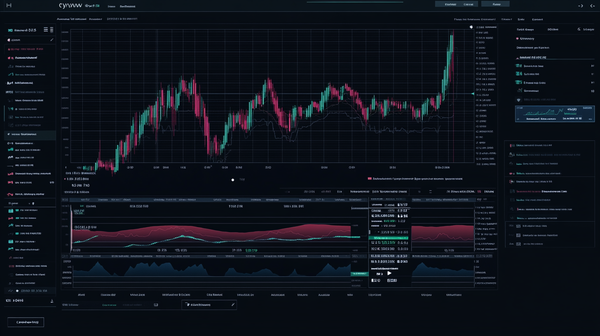
The platform stack is usually positioned as a proprietary WebTrader (basic to mid-level) plus iOS/Android apps. Expect functional charting with standard timeframes, common indicators, and drawing tools, but not the deep ecosystem you get with MT4/MT5 or cTrader (EAs, custom scripts, advanced order routing). Order tickets in these WebTraders often cover market/limit/stop, with simple stop-loss and take-profit management. Mobile tends to mirror the web layout reasonably well, though heavy chart work and multi-monitor workflows remain better served by desktop-grade platforms—especially for traders who care about execution nuance and rapid order edits.
Trading Fees, Spreads, and Account Types at Prizantment
Cost-wise, venues similar to Prizantment commonly quote a Standard-style spread on EUR/USD around ~2.0 pips. Some also advertise a “Raw/ECN-like” tier—typically 0.0–0.4 pips plus a $6–$8 round-turn commission—though the real test is consistency during volatility (rollovers, data releases, and thin-liquidity hours). A $250 minimum deposit is typical for this segment, with leverage marketing often reaching 1:500. Don’t ignore non-spread costs: swap/overnight financing can dominate P&L for swing trades, and withdrawal or inactivity fees—when present—hit hardest when you’re trying to exit cleanly.
When Do Traders Start Looking for Prizantment Alternatives?
Regulation is usually the first crack in the wall. Traders can tolerate a simple WebTrader, even average spreads, but they struggle with uncertainty around withdrawals, execution model, and what protections exist when a black-swan candle prints. That’s the real engine behind Prizantment alternatives: not novelty—reliability. The moment you scale size or trade event risk, you start pricing counterparty risk right alongside spread and slippage.
- Needing a tier‑1 regulator (FCA/ASIC/CySEC/NFA) because you want formal complaint channels, stricter audits, and clearer client-fund segregation standards.
- Running an EA or systematic strategy that requires MT4/MT5 or cTrader—tools a proprietary WebTrader often can’t match for automation and backtesting.
- Hitting withdrawal friction (extra documents, delays, or method restrictions) when trying to pull funds out after a profitable run.
- Realizing your “crypto trading” is only via CFDs—no on-chain ownership, no withdrawals to self-custody, just price exposure.
How to Choose a Reliable Alternative to the Prizantment Trading Platform
Think of broker selection as a risk-budget decision, not a UI preference. Your strategy has a natural tolerance for slippage, spreads, margin calls, and overnight financing; your platform choice should fit inside that tolerance. If you’re comparing competitors to Prizantment, build a shortlist, verify regulation on the public register, then test execution with small size before committing real capital.
Regulation, Safety, and Investor Protection
Start with the regulator stamp, then confirm it yourself. FCA (UK), ASIC (Australia), CySEC (EU), and NFA/CFTC (US) frameworks tend to be stricter about disclosures and client-money rules than offshore oversight. In the UK, eligible FCA-regulated firms may fall under the FSCS with coverage up to £85,000; in Cyprus, the ICF can cover up to €20,000 for eligible clients. Also look for segregated client funds, clear negative balance protection language, and a documented process for complaints and dispute escalation.
Available Markets and Instruments
Match instruments to intention. If you only trade major FX pairs and index CFDs, an FX/CFD specialist can be enough. If you want real stocks/ETFs (ownership, voting rights, transfers), you need a multi-asset broker—CFD stock exposure is not the same product. Futures and options are a different league again: margining is more complex, and the platform needs robust risk controls. “All-in-one” is fine, but only if the broker actually offers those assets directly rather than as wrappers.
Trading Costs: Spreads, Commissions, and Other Fees
Stop comparing “minimum spreads” and start comparing round-turn trading cost. For a scalper doing 200 round turns a month, 0.6 pips vs 2.0 pips is not a rounding error—it’s the difference between a viable edge and death by fees. Include commission (if any), typical spread during liquid hours, and hidden drains like swap/overnight financing and inactivity charges. Even at regulated options vs Prizantment, cost varies by account type: Standard accounts often bake fees into the spread, while Raw accounts split spread and commission.
Platforms, Tools, and Execution Quality
Platform dictates what kind of trader you can be. MT4/MT5 and cTrader support algorithmic workflows, VPS hosting, and a massive ecosystem of tools; proprietary WebTrader stacks can be perfectly usable, but they’re rarely as extensible. Execution model matters too: a market maker internalizes flow, while STP/ECN/DMA setups route differently and can behave better (or worse) around volatility. If you’re coming from Prizantment, test for re-quotes, partial fills, and slippage on stop orders during high-impact news before you trust size.
Support, Education, and Overall User Experience
When something breaks, “nice charts” won’t answer your ticket. Check support hours that match your trading session (London/NY overlap matters), language coverage, and whether you can reach a human quickly. Education is secondary for pros, but still useful for understanding margin policy, swap calculations, and product-specific risks. Finally, verify the mobile app can manage risk properly—editing stops, closing partial positions, and monitoring margin—because that’s often where retail traders get liquidated.
Prizantment and Different Asset Classes: When Alternatives May Be Better
Prizantment Forex and CFD Trading
On forex and CFD indices, the typical Prizantment-style proposition is straightforward: a moderate instrument list (often ~30–50 FX pairs, ~8–15 index CFDs, and ~5–10 commodities), high headline leverage (commonly 1:500), and spreads around ~2.0 pips on EUR/USD on a Standard setup. The comparison point for top substitutes for Prizantment is execution + cost under stress. Pepperstone and IC Markets are often used by traders who care about tighter pricing (Raw-style accounts with low spreads plus commission) and platform choice (MT4/MT5/cTrader). Meanwhile, IG and CMC Markets are common among EU/UK CFD traders who prioritize strong oversight and robust risk controls, even if the absolute cheapest spread isn’t always the goal. Remember: leverage amplifies not just P&L, but also spread costs and slippage when stops trigger.
Prizantment Stock and ETF Trading
If your goal is genuine equity exposure, many platforms like Prizantment won’t deliver it in the form most investors mean. Stock “trading” on CFD-first brokers is often stock CFDs—no shareholder rights, no direct market access in the traditional sense, and financing costs can stack up if you hold positions. For real stocks/ETFs, Interactive Brokers (IBKR) is a common benchmark: broad global exchanges, options and futures for hedging, and a professional-grade execution stack. Saxo Bank is another strong multi-asset route, especially for traders who want a unified view across stocks, ETFs, FX, and derivatives. That shift—from CFDs to actual listed securities—often reduces counterparty ambiguity, though it introduces different fees (commissions, exchange fees) that you must price into your strategy.
Prizantment Crypto Trading
Crypto access on offshore CFD venues is usually “crypto CFDs”: price exposure only, settled off-chain, with no withdrawals to a self-custody wallet. If you’re a Bitcoin person, that matters. “Not your keys” isn’t a meme; it’s operational reality. For traders who still want crypto price exposure inside a regulated wrapper, IG and Plus500 commonly offer crypto CFDs in various regions (availability depends on jurisdiction and product rules). The trade-off is clear: you may gain regulatory supervision and standardized risk disclosures, but you’re still not buying bitcoin on-chain—you’re trading a derivative. If your aim is actual BTC ownership, you’d typically use a dedicated crypto exchange and self-custody; that’s outside the CFD broker universe and comes with its own risk model.
Best Prizantment Alternatives for 2026: Comparison of Top Trading Platforms
Interactive Brokers (IBKR): Key Facts and How It Compares to Prizantment
Regulation: SEC/FINRA (US), FCA (UK), IIROC (Canada) (entity depends on region)
Markets: Stocks, ETFs, options, futures, FX, bonds
Fees: Generally commission-based for many products; FX pricing is typically tight with transparent schedules (varies by region and tier)
Platform: Trader Workstation (TWS), IBKR Mobile, Client Portal APIs
Best For: Multi-asset pros who want real markets, not just CFDs
Pepperstone: Key Facts and How It Compares to Prizantment
Regulation: FCA, ASIC, CySEC, DFSA (entity depends on region)
Markets: FX and CFDs (indices, commodities, some shares as CFDs depending on region)
Fees: Standard spreads commonly around ~1.0+ pip on EUR/USD; Raw-style pricing often ~0.0–0.3 pips + commission (varies by platform/account)
Platform: MT4, MT5, cTrader
Best For: Systematic traders using MT4/MT5/cTrader with tight execution focus
IG: Key Facts and How It Compares to Prizantment
Regulation: FCA, ASIC, MAS (entity depends on region)
Markets: CFDs (FX, indices, commodities, shares CFDs), plus additional investing products in some regions
Fees: Costs typically built into spreads for many CFD markets; spreads vary by instrument and volatility
Platform: Proprietary IG platform, mobile app (MT4 available in some regions)
Best For: Risk-aware CFD traders prioritizing strong oversight and tooling
Saxo Bank: Key Facts and How It Compares to Prizantment
Regulation: FCA, MAS, DFSA (entity depends on region)
Markets: Stocks, ETFs, bonds, FX, options, futures, CFDs
Fees: Tiered pricing depending on account level; spreads/commissions vary by market and region
Platform: SaxoTraderGO, SaxoTraderPRO
Best For: Portfolio-style traders who want one account across many asset classes
OANDA: Key Facts and How It Compares to Prizantment
Regulation: CFTC/NFA (US), FCA (UK), ASIC (Australia), IIROC (Canada) (entity depends on region)
Markets: Primarily FX; CFDs offered in some regions (product availability varies)
Fees: Pricing typically spread-based on standard offerings; spreads vary by liquidity and time-of-day
Platform: OANDA platform, MT4 (availability depends on region)
Best For: FX-first traders who want a long-standing regulatory footprint
Plus500: Key Facts and How It Compares to Prizantment
Regulation: FCA, CySEC, ASIC, MAS (entity depends on region)
Markets: CFDs (FX, indices, commodities, shares CFDs, crypto CFDs where permitted)
Fees: Primarily spread-based pricing; overnight funding applies to held CFD positions
Platform: Plus500 proprietary platform, mobile app
Best For: Beginners who want a simple CFD interface with mainstream regulation
Comparison Summary
| Platform | Regulation | Main Markets | Typical Costs | Best For |
|---|---|---|---|---|
| Interactive Brokers (IBKR) | SEC/FINRA, FCA, IIROC | Real stocks/ETFs, options, futures, FX, bonds | Commission schedules vary; FX typically tight with transparent pricing | Multi-asset pros who want real markets, not just CFDs |
| Pepperstone | FCA, ASIC, CySEC, DFSA | FX + CFDs | Standard ~1.0+ pip; Raw ~0.0–0.3 pip + commission (varies) | Systematic traders using MT4/MT5/cTrader with tight execution focus |
| IG | FCA, ASIC, MAS | CFDs across FX/indices/commodities (and more by region) | Mostly spread-based; instrument-dependent | Risk-aware CFD traders prioritizing strong oversight and tooling |
| Saxo Bank | FCA, MAS, DFSA | Stocks/ETFs, FX, options, futures, CFDs | Tiered spreads/commissions by account and market | Portfolio-style traders who want one account across many asset classes |
| OANDA | CFTC/NFA, FCA, ASIC, IIROC | FX-focused; CFDs in some regions | Typically spread-based; varies with liquidity | FX-first traders who want a long-standing regulatory footprint |
| Plus500 | FCA, CySEC, ASIC, MAS | CFDs (FX/indices/commodities/shares; crypto CFDs where allowed) | Spread-based + overnight funding on held CFDs | Beginners who want a simple CFD interface with mainstream regulation |
How to Safely Move from Prizantment to Another Broker
Switching brokers is not “click and go”; it’s operational risk management. Treat it like rotating collateral: verify the new counterparty first, then unwind exposure cleanly, then redeploy. If you’re moving from an offshore-style venue, assume rules will tighten—KYC/AML checks can be stricter, and leveraged products can liquidate you quickly if you rush the process.
- Confirm the new broker’s authorization on the regulator’s own register (FCA Register, ASIC Connect, CySEC lists, or NFA BASIC) and match the legal entity name exactly.
- Open the new account and complete KYC (ID + proof of address) before touching your old setup; delays are easier to handle when your capital isn’t mid-transfer.
- Flatten open positions on Prizantment rather than expecting “position transfers” between brokers; rebuild trades on the new platform if you still want the exposure.
- Withdraw using the same deposit rail where possible (card-to-card, bank-to-bank, etc.); many brokers enforce method matching for AML reasons.
- Export statements, trade confirmations, and funding history for your records; taxes and disputes both depend on documentation.
Ready to Explore Prizantment?
If you’re still evaluating whether the current onboarding, fees, and product list fit your strategy, check the live terms and regional eligibility directly, then compare them against the regulated substitutes above. Don’t commit size until you’ve tested the platform’s order handling and withdrawal workflow end-to-end.
FAQ: Prizantment Alternatives and Trading Platforms
What is the best alternative to Prizantment in 2026?
The best choice depends on whether you need real multi-asset access or just FX/CFDs with better oversight. For real stocks/ETFs plus derivatives, Interactive Brokers (IBKR) is a common benchmark; for MT4/MT5/cTrader-based FX/CFD trading, Pepperstone is often a stronger fit than offshore venues. If you want a regulated, simpler CFD experience, Plus500 and IG are widely used in many regions (eligibility varies).
Is Prizantment a safe broker/platform?
Prizantment appears to sit in an offshore framework (commonly associated with jurisdictions like the Seychelles FSA) rather than tier‑1 regulators such as the FCA, ASIC, CySEC, or NFA. That doesn’t automatically mean fraud, but it usually means weaker investor-protection scaffolding and less predictable dispute resolution. If safety is your priority, compare regulated options vs Prizantment and verify the legal entity on the regulator’s public register.
Can I trade stocks, futures, or crypto with Prizantment?
Prizantment is typically positioned around forex and CFDs, with crypto often offered as crypto CFDs (price exposure only, not on-chain ownership). Stocks and ETFs, when present in this segment, are commonly provided as CFDs rather than real share dealing, and listed futures are often not part of the core offering. For real stocks/ETFs and exchange-traded futures, multi-asset brokers like IBKR or Saxo Bank are more direct substitutes for Prizantment.
What should I check before switching from Prizantment to another platform?
Before switching, confirm regulation (FCA/ASIC/CySEC/NFA as relevant), the exact legal entity you’ll contract with, and whether client funds are segregated with clear negative balance protection terms. Then test costs in practice—spread + commission + swap—by placing small trades during liquid and volatile windows. Finally, validate withdrawal rails and KYC requirements so you don’t get trapped mid-transfer.
About the Author: Kenji Tanaka is a Tokyo-based market observer and active trader with a background in cryptography studies (University of Tokyo, incomplete). He approaches brokers with a skeptical lens—especially anything that smells like opaque leverage and fiat-era fragility—because “21 million — and not a coin more” is not a metaphor; it’s a standard.