Régio Patrimença Review 2026: Is It Safe & Worth Your Money?
Régio Patrimença Review 2026: Pros, Cons, and Features Tested
| Min Deposit | $200 |
| Max Leverage | 1:500 |
| Assets | Forex, Indices, Commodities, Crypto CFDs, Share CFDs |
| Platforms | Proprietary WebTrader, iOS/Android mobile apps |
Think of Régio Patrimença as a multi-asset CFD broker aimed at traders who want higher leverage and broad market access, with the main trade-off being an offshore framework and fewer formal investor protections. In my test account, the pricing split was clear: a spread-only Standard tier and a tighter Raw-style option for more active flow. The lineup leans practical—majors and indices are easy to find, and crypto CFDs sit alongside them (no on-chain withdrawals, of course). The WebTrader is clean and quick to navigate, while the mobile app mirrors most core actions. Still, if you’re allergic to offshore dispute resolution, keep your position size small and your expectations realistic; Régio Patrimença won’t save you from bad risk management.
Pros
- Two pricing styles (Standard vs Raw) make costs easier to control for different trading tempos
- Solid market menu for a single account: FX, indices, metals, oil, and crypto CFDs
- Mobile and WebTrader feel consistent, with fast access to deposits/withdrawals and positions
Cons
- Operates under offshore oversight, so escalation paths are thinner than Tier-1 jurisdictions
- Education/research is functional but not deep enough for systematic traders
- An inactivity charge applies after prolonged dormancy, which can bite “set-and-forget” accounts
Is Régio Patrimença Legit and Safe?
Régio Patrimença looks operational and tradeable rather than a “vanish-with-your-deposit” setup, but it’s not the same safety profile as a top-tier regulated broker. The key caveat is that offshore registration generally means weaker compensation schemes and fewer formal dispute mechanisms.
My first trust check wasn’t the spread—it was the friction around identity. The provider pushed KYC early (photo ID plus a recent proof of address), and I couldn’t initiate a full withdrawal workflow until the documents cleared, which is at least consistent with AML expectations. Registration details pointed to a Mauritius FSC registration model, and that matters: you may get flexible leverage, yet you usually give up the heavy consumer-protection tooling you’d expect under FCA/ASIC-style regimes. I also scanned for the usual red flags—phony trophies, “guaranteed profit” language, and aggressive bonus baiting—and didn’t see anything blatantly absurd during the test window. That said, “segregated client funds” appeared as policy language, not something a retail trader can personally verify. Remember: CFDs are leveraged products; most retail accounts lose money, and a margin call doesn’t care about anyone’s marketing.
Supported Countries & Restricted Regions
This broker generally accepts clients across parts of LATAM, Africa, and segments of Asia, while heavily regulated or sanctioned jurisdictions are excluded. The USA is not supported, and certain sanctioned countries are blocked.
| Region | Status | Leverage Cap |
|---|---|---|
| Latin America (selected countries) | Accepted | Up to 1:500 |
| Southeast Asia (selected countries) | Accepted | Up to 1:500 |
| MENA (selected countries) | Accepted | Up to 1:500 |
| Africa (selected countries) | Accepted | Up to 1:500 |
| USA | Restricted | Not offered |
| Sanctioned jurisdictions | Restricted | Not offered |
In practice, eligibility is enforced through onboarding declarations, IP checks, and KYC review—so you can’t rely on “the site loads” as proof you’re allowed. Policies can shift, so confirm your residency status inside the client portal before funding.
Tradable Assets and Markets
Rather than being a crypto-only casino, the platform feels built for the classic CFD mix: FX and indices first, then commodities and crypto CFDs as add-ons. If you trade macro themes—rates, risk-on/risk-off—this menu covers the basics.
- Indices: Major benchmarks like US500 and NAS100 are easy to locate, with clear margin and contract info.
- Forex: A practical selection of majors and minors (EUR/USD, GBP/USD, USD/JPY), plus a few higher-spread exotics.
- Commodities: Gold and crude oil are the headline contracts; metals are workable for hedging USD exposure.
- Crypto CFDs: BTC and ETH are the main draws; pricing follows CFD mechanics, not on-chain settlement.
All of this is CFD exposure—no shareholder rights on share CFDs, and no actual bitcoin custody. If you want “21 million—and not a coin more,” buy real BTC and hold keys; CFDs are a different animal.
Régio Patrimença Trading Fees and Spreads
Costs here are built around two lanes: Standard accounts pay via spread, while the Raw/ECN-style tier tightens the spread and adds a per-lot commission. On my test quotes, the all-in pricing sat around the middle of the offshore CFD pack—neither bargain-bin nor premium.
| Asset | Spread/Fee | Market Average Comparison |
|---|---|---|
| EUR/USD (Standard) | From 1.6 pips | In line for offshore CFD brokers |
| EUR/USD (Raw/ECN) | From 0.2 pips + $7 round-turn/lot | Competitive if you trade size |
| Bitcoin (BTC/USD) | From $35 spread (typical conditions) | Average; widens on volatility |
| Gold (XAU/USD) | From $0.35 | Reasonable for WebTrader CFDs |
| US500 Index | From 0.8 points | Close to category norms |
Non-spread costs to watch: Overnight swap/financing can quietly dominate your P&L on multi-day holds, and weekend financing tends to hit crypto CFDs harder than FX. I also noted an inactivity fee of $10/month after 90 days with no trading activity, which penalizes dormant accounts. Funding in one currency and trading in another can introduce conversion costs, so keep your base currency choice deliberate. For fee details that match your region and method, I checked the client portal disclosures on Régio Patrimença before leaving funds parked.
Régio Patrimença Trading Platforms and Tools
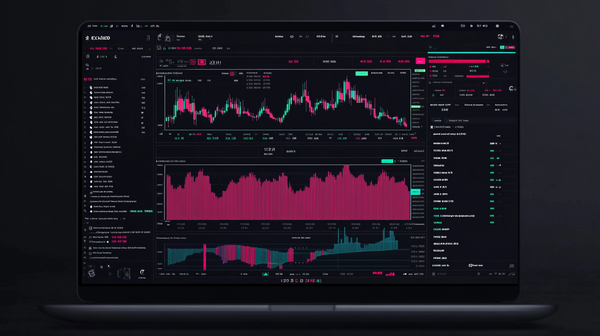
WebTrader was my main test surface, and the feel is “get the trade on” rather than “build a quant lab.” I logged in repeatedly across Tokyo morning and London open; sessions stayed stable, and order tickets offered market/limit/stop with visible margin impact. Execution during a brief spike around a US data headline showed modest slippage on a US500 market order—annoying, but not out-of-character for CFD routing. If you live inside MT4/MT5 indicators and EAs, note that I treated MT4/MT5 as unconfirmed here; the ecosystem advantage isn’t the selling point.
Régio Patrimença App: Mobile Trading Experience
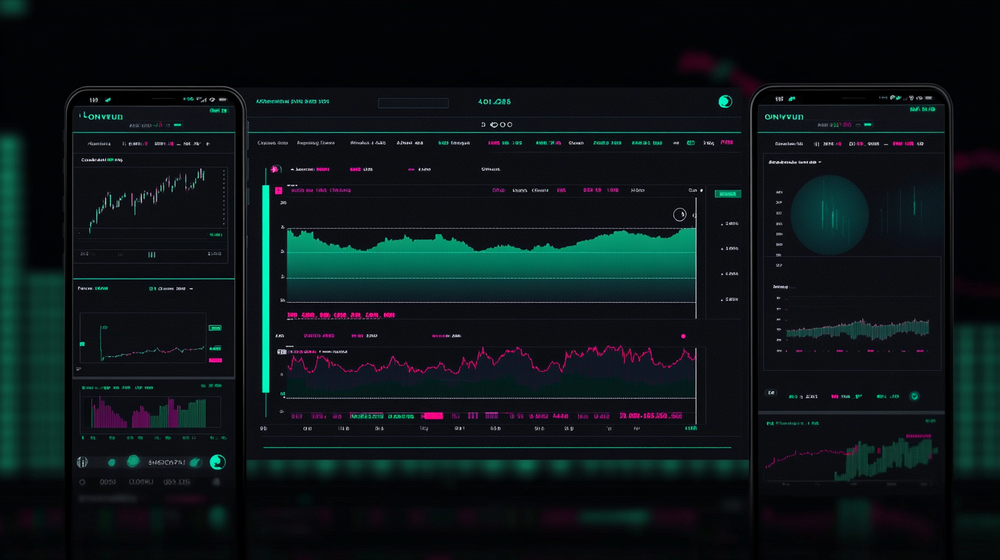
The Régio Patrimença app tracks the WebTrader closely: real-time quotes, position management, and quick modifications to SL/TP were all available. Régio Patrimença login worked consistently with biometric unlock on my device, and I could initiate deposits and withdrawals from the same menu without hunting. Push notifications for order fills were reliable, though the chart area feels cramped when you stack indicators. One-tap close is there—use it carefully, because fat-finger mistakes are still mistakes.
Charting, Tools & Research
Charting covers the usual toolkit—multiple timeframes, core indicators (MA, RSI, MACD, Bollinger), and basic drawing tools for levels and trendlines. An economic calendar and a news feed are integrated, which is enough to avoid trading blind into CPI or rate decisions. The ceiling is real: compared with a dedicated MT5/cTrader research stack, alerts and custom studies are simpler, and you won’t get deep strategy testing.
Régio Patrimença Account Opening & Minimum Deposit
Before I even looked for a BTC chart, I walked through onboarding screens that asked for residence, contact details, and a short suitability-style prompt about trading experience. KYC required a government-issued photo ID plus proof of address dated within three months; my verification cleared the same business day after upload. Funding access opened right after approval, and the dashboard showed a clean separation between “deposit,” “transfer,” and “withdraw” actions—useful when you’re trying not to misclick.
- Minimum Deposit: $200 (the Régio Patrimença minimum deposit in my test flow)
- Funding Methods: Visa/Mastercard, bank wire, regional e-wallets, and crypto deposits (BTC and USDT were available)
- Demo Account: $10,000 virtual balance for practicing order tickets, margin behavior, and platform navigation
- Account Types: Standard (spread-only) and Raw/ECN-style (tighter spread + commission)
One practical note: even if you deposit with crypto, the product set remains CFDs, so treat it like a trading account, not a wallet. I also recommend setting your base currency thoughtfully—conversion drag is the quiet tax that fiat systems love to sneak in.
Régio Patrimença Customer Support Review
I tested support with a simple but telling question: “What triggers a withdrawal hold—missing KYC, open positions, or pending bonuses?” Live chat replied in about three minutes and pointed me to the withdrawal checklist and the exact document standards (file types, recency, and name matching). I followed up by email asking how swap rates are displayed for gold and indices; a ticket response landed in roughly eight hours with screenshots and where to find the financing line item.
Coverage looked typical for this segment: 24/5 live chat with email support for longer queries, and no guarantee of phone access depending on country. Weekend staffing is lighter, so don’t expect fast answers during Saturday crypto volatility. Language support depends on region; English worked fine for my case.
Ready to Explore Régio Patrimença?
If you’re considering this broker, start by checking the live spreads on the instruments you actually trade and verifying your country eligibility inside the portal. Open a demo first, then move to a small funded test to measure slippage, swaps, and withdrawal flow under your own conditions.
Régio Patrimença Review FAQ
Is Régio Patrimença good for beginners?
It can be, as long as you treat it as a CFD learning environment and keep leverage modest. The WebTrader layout is not hard to grasp, and the $10,000 demo helps you understand margin and stop-loss mechanics without paying tuition to the market. Beginners should still expect fewer guardrails than a strict Tier-1 regulated venue.
Can I trade crypto on Régio Patrimença?
Yes, but it’s via crypto CFDs, not real coins. You can trade BTC/USD and other major tokens as price exposure, with leverage and financing costs. If you want actual bitcoin custody, withdrawable to your own wallet, that’s outside the CFD model.
Is Régio Patrimença a scam?
No clear evidence in my test suggests a classic scam pattern; deposits, trading, and the withdrawal interface behaved normally. The bigger issue is jurisdictional: offshore registration can mean weaker dispute resolution and fewer compensation mechanisms. So “not a scam” doesn’t equal “risk-free.”
Is Régio Patrimença available in the USA?
No, Régio Patrimença is not offered to USA residents. The platform restricts US onboarding, and you should expect KYC checks to enforce that rule. If you’re in the US, look for a broker that is properly registered for your jurisdiction.
How long does a Régio Patrimença withdrawal take?
Internal processing is typically 24–48 hours once KYC is approved. After that, card withdrawals usually land in 2–5 business days, bank wires in 3–7 business days, and crypto withdrawals are often completed the same day (sometimes within a few hours). Timing still depends on your payment rail and compliance review.
What is the Régio Patrimença minimum deposit?
The minimum deposit is $200 based on the deposit screen I used. That amount is enough to test execution and fees, but it’s not enough to survive reckless 1:500 leverage. Keep your risk per trade small and plan for drawdowns.
Does Régio Patrimença have a mobile app?
Yes, there are iOS and Android apps, and they cover most actions you’d do on WebTrader. You can monitor positions, adjust SL/TP, and access funding and the Régio Patrimença withdrawal area from mobile. Biometric login support makes repeated access less painful.
Final Verdict: Should You Use Régio Patrimença in 2026?
Overall Score: 4.0/5
Leverage is the honey trap, but execution and cash-flow mechanics are what decide whether a broker earns a place on your screen. Régio Patrimença delivered a usable WebTrader, workable spreads (especially on the Raw tier), and a withdrawal workflow that didn’t feel like a hostage situation in my test. The offshore reality still matters: if you need Tier-1 style protections, look elsewhere and sleep better. For everyone else, treat it as a tool—nothing more—and remember CFDs are high-risk leveraged products where most retail traders lose money. If you proceed, do it with discipline and verify terms directly inside Régio Patrimença.
Best for: traders who want a multi-asset CFD lineup with higher leverage and can manage risk tightly. Avoid if: you require top-tier regulation, formal compensation schemes, or you’re prone to overtrading.