Reifungswerk Trading Platform Alternatives 2026
Reifungswerk Trading Platform Alternatives 2026: Reliable Options for Online Traders
Leverage is a blade with no handle: it cuts fast, and it cuts deep. That’s the reality many traders discover after opening an account on offshore CFD venues and realizing the fine print matters as much as the chart. Reifungswerk appears to sit in that offshore bucket—typically positioned as a forex-and-CFD provider with a proprietary WebTrader, a mobile app, and headline leverage that can reach 1:500. The offer is familiar: a menu of FX pairs (often a few dozen), major indices, a handful of commodities, and crypto CFDs (price exposure, not coins).
The reason people search for Reifungswerk alternatives in 2026 is rarely “one thing.” It’s usually a cluster: uncertainty about oversight (think Seychelles-style frameworks rather than FCA-level consumer rules), spreads that look acceptable until you measure full round-turn cost, and platform limits that show up precisely when markets move—slippage, rejected orders, or fewer order types than your strategy needs. Add KYC/AML friction and regional blocks (the U.S. is commonly restricted), and many traders decide they want regulated options vs Reifungswerk that place guardrails around client funds and complaints.
I’m a Bitcoin maximalist from Tokyo—“21 million — and not a coin more.” I don’t like banks, and I trust fiat even less. Still, if you insist on trading CFDs, at least respect the plumbing: regulator registers, segregated client funds, negative balance protection, and execution transparency. This guide compares Reifungswerk trading platform alternatives 2026 with that mindset.
Disclaimer: This article is for informational purposes only and does not constitute investment advice. CFDs and other leveraged products carry a high risk of loss and are not suitable for all investors.
Key Takeaways (TL;DR)
- Offshore-style CFD brokers can offer high leverage (often up to ~1:500), but safety features and dispute resolution may be weaker than FCA/ASIC/CySEC/NFA frameworks.
- Use round-turn trading cost (spread + commission + swaps) to compare Reifungswerk alternatives; “raw” pricing can be cheaper but adds commissions.
- If you want real stocks/ETFs (not stock CFDs), look at multi-asset venues like Interactive Brokers or Saxo Bank rather than CFD-first platforms like Reifungswerk.
- Migrate safely by verifying the new broker on the regulator’s public register, completing KYC first, then withdrawing using the same funding rail for AML consistency.
What Is Reifungswerk and How Does Its Trading Platform Work?
From what’s typical for brokers in this category, Reifungswerk is best understood as a CFD-first trading venue: forex and CFDs sit at the center, with a product shelf that usually includes indices and commodities, plus crypto CFDs for traders who want price exposure without holding coins. The regulatory posture associated with this segment is commonly offshore—Seychelles FSA is a frequent jurisdiction for similar operators—so the experience can feel streamlined, but investor-protection layers may not match what EU/UK clients expect from FCA or CySEC regimes. For traders comparing brokers similar to Reifungswerk, the biggest practical question is not “how many instruments exist,” but “what happens when something goes wrong.”
Reifungswerk Web Trading Platform: Core Features and Tools
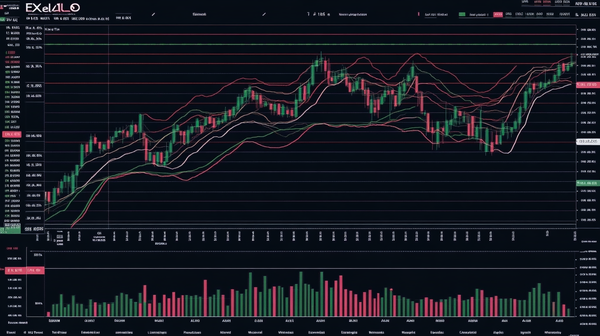
The platform stack is usually a proprietary WebTrader paired with iOS/Android apps. Expect serviceable charting with common indicators and drawing tools, plus standard order entry for market/limit/stop and basic risk controls like stop-loss and take-profit. Where proprietary terminals often show their limits is workflow depth: fewer advanced order types, less flexibility for strategy testing, and limited automation compared with MT4/MT5/cTrader ecosystems. Mobile tends to mirror the web layout reasonably well, but fast markets are the real test—execution speed, requotes, and slippage handling can matter more than how pretty the candles look.
Trading Fees, Spreads, and Account Types at Reifungswerk
Fee presentation on offshore CFD venues is frequently split between a spread-only “Standard” style account and a “Raw/ECN” style tier that compresses spreads but adds commission. A typical benchmark for this class is EUR/USD around ~2.0 pips on a spread-only account; “raw” pricing can come closer to ~0.0–0.4 pips with a commission in the neighborhood of $6 round-turn. Overnight financing (swap) is usually the quiet cost that grows teeth when positions sit for days. Deposit minimums for competitors to Reifungswerk often cluster near $250, with leverage marketed up to 1:500—a number that looks exciting right until margin calls start arriving.
When Do Traders Start Looking for Reifungswerk Alternatives?
The moment a trading plan depends on predictable execution, broker choice stops being cosmetic. Many traders begin hunting for Reifungswerk alternatives after they try to scale position size, automate entries, or withdraw profits—and discover the broker’s rulebook has sharp edges. High leverage (like 1:500) magnifies not only P&L but also friction: wider spreads, swaps, and slippage can dominate results, especially for frequent trading styles. If you’re building a long-term, survival-first approach, regulated options versus offshore CFDs are usually the first upgrade.
- You need MT4/MT5 or cTrader for an EA/algorithmic setup, but the current WebTrader doesn’t support your automation workflow.
- Withdrawals take longer than expected, or additional verification is requested late in the process, delaying access to funds.
- Your strategy is spread-sensitive (scalping/news trading), and EUR/USD costs near ~2.0 pips are dragging expectancy below zero.
- You want clearer investor-protection rules (segregated client funds, negative balance protection, formal complaints pathways) than offshore frameworks typically provide.
How to Choose a Reliable Alternative to the Reifungswerk Trading Platform
Don’t pick a broker the way people pick a smartphone. Treat it like selecting the “counterparty” to your strategy: execution quality, custody safeguards, and the regulator’s teeth matter more than a glossy homepage. For alternatives to the Reifungswerk trading platform, I’d start by defining what you must have (markets, platform, leverage limits), then remove anything that fails basic safety tests. Only after that should you compare spreads, pips, and perks.
Regulation, Safety, and Investor Protection
A real filter is the regulator, not the marketing. FCA (UK), ASIC (Australia), CySEC (EU), and NFA/CFTC (US) each impose different conduct rules, audits, and enforcement tools. In the UK, FCA oversight can connect to the FSCS investor compensation scheme (up to £85,000 in certain cases), while Cyprus firms may fall under the ICF (up to €20,000). Look for segregated client funds, negative balance protection where applicable, and clear legal entity details—then confirm them on the regulator’s public register.
Available Markets and Instruments
Match instruments to your intent. FX and index CFDs are fine for short-term macro traders; real stocks/ETFs matter if you want ownership exposure (even if you hate fiat, equity access can be a hedge). Options and futures are a different league—margining, assignment risk, and deeper liquidity. Crypto is its own fork in the road: CFD price bets are not the same as holding bitcoin on-chain. Platforms like Reifungswerk may cover “enough” symbols, but “enough” is strategy-dependent.
Trading Costs: Spreads, Commissions, and Other Fees
Spreads are only the visible tip. Commission, swap/overnight financing, and inactivity or withdrawal fees can overwhelm a small edge. Compare brokers by round-turn cost: what it takes to open and close, in pips or cash, under your position size. A raw account at ~0.1–0.3 pips plus a commission can beat a 1.2–2.0 pip spread-only account for active traders, while a swing trader may care more about swap rates than the first pip.
Platforms, Tools, and Execution Quality
Platform choice is strategy choice. MT4/MT5 and cTrader open the door to automation, custom indicators, and broader tooling; proprietary WebTrader systems can be fine for manual trading but often cap what advanced users can do. Execution model matters too: market maker setups can be acceptable if transparent, while STP/ECN/DMA routing is typically favored by traders who measure slippage and fill quality. If you’re leaving Reifungswerk, test execution during volatile sessions before trusting size.
Support, Education, and Overall User Experience
Support quality shows up at the worst time: funding issues, margin events, and platform outages. Check service hours in your timezone, available languages, and whether responses are documented rather than vague. Educational content can be a bonus, but it shouldn’t substitute for transparent terms. Finally, mobile parity matters for risk management—closing or reducing exposure quickly should not be a treasure hunt inside an app menu.
Reifungswerk and Different Asset Classes: When Alternatives May Be Better
Reifungswerk Forex and CFD Trading
In FX/CFDs, the trade-off is usually leverage and simplicity versus oversight and execution transparency. Reifungswerk-style brokers commonly advertise leverage up to 1:500 and carry a list like 30–50 FX pairs plus major indices and commodities—enough for most retail playbooks. The catch is cost and fill quality: EUR/USD around ~2.0 pips on a spread-only tier is workable for swing trading, but it’s heavy for high-frequency approaches. For tighter pricing and mature platform stacks, Pepperstone and IC Markets are often chosen by traders who want MT4/MT5/cTrader and who care about measuring slippage in fast markets. Another angle: regulated firms tend to publish clearer risk disclosures and product governance, which matters when CFDs already stack leverage on top of volatility.
Reifungswerk Stock and ETF Trading
Stock “trading” on CFD-first venues is frequently stock CFDs rather than owning the underlying shares. That distinction isn’t academic: CFDs typically don’t give shareholder rights, and costs can include financing charges for longer holds. If your goal is genuine multi-asset access—cash equities, ETFs, options, futures—Interactive Brokers is hard to ignore, especially for experienced traders who want broad market access and deep order-routing tools. Saxo Bank is another strong option for a multi-asset setup with robust research and platform ergonomics, albeit often aimed at mid-to-pro users. For many readers evaluating Reifungswerk alternatives, this is the biggest gap-closer: moving from “price exposure only” to real-market access where it’s available.
Reifungswerk Crypto Trading
Crypto inside CFD brokers is usually crypto CFDs: you speculate on BTC, ETH, and a roster of other coins (often 10–30), but you’re not withdrawing bitcoin to your own wallet. As a Bitcoin orthodox, I’ll say it plainly: paper BTC is not BTC. That said, some traders want regulated crypto price exposure without handling keys. IG and Plus500 are commonly used in regions where they offer crypto CFDs under regulated entities, giving a more formal compliance perimeter than offshore-only setups. If you truly want custody, that’s a different conversation (exchanges, cold storage, on-chain settlement) and outside the CFD lane. For best Reifungswerk alternatives 2026, be honest about whether you’re trading volatility or stacking sats.
Best Reifungswerk Alternatives for 2026: Comparison of Top Trading Platforms
Interactive Brokers (IBKR): Key Facts and How It Compares to Reifungswerk
Regulation: SEC/FINRA (US), FCA (UK), IIROC (Canada)
Markets: Stocks, ETFs, options, futures, bonds, FX (availability varies by region)
Fees: FX pricing is typically commission-based with tight effective spreads; equity/derivatives fees depend on venue and tier
Platform: Trader Workstation (TWS), IBKR Desktop, web portal, mobile app, API
Best For: Multi-asset pros who want real market access
Pepperstone: Key Facts and How It Compares to Reifungswerk
Regulation: FCA (UK), ASIC (Australia), CySEC (EU), DFSA (UAE)
Markets: FX and CFDs (indices, commodities, some shares depending on entity)
Fees: Typical EUR/USD from ~0.0–0.3 pips + commission on Razor/Raw; ~1.0+ pip range on Standard-style pricing
Platform: MT4, MT5, cTrader, TradingView (availability varies)
Best For: Algorithmic traders running MT4/MT5/cTrader
Saxo Bank: Key Facts and How It Compares to Reifungswerk
Regulation: FCA (UK), DFSA (UAE), MAS (Singapore)
Markets: Stocks, ETFs, bonds, options, futures, FX, CFDs
Fees: FX spreads commonly around ~0.6+ pips depending on tier; commissions apply on many exchange-traded products
Platform: SaxoTraderGO, SaxoTraderPRO
Best For: Portfolio-style traders who mix FX with listed assets
OANDA: Key Facts and How It Compares to Reifungswerk
Regulation: CFTC/NFA (US), FCA (UK), ASIC (Australia), IIROC (Canada)
Markets: Primarily FX; CFDs available outside the US depending on entity
Fees: Typical pricing is spread-based (often ~0.6–1.2+ pips on EUR/USD depending on conditions); commissions may apply on some structures
Platform: OANDA web/mobile platforms, MT4 (availability varies), API
Best For: FX-first traders who value strong regulatory coverage
IG: Key Facts and How It Compares to Reifungswerk
Regulation: FCA (UK), ASIC (Australia), MAS (Singapore)
Markets: CFDs across FX, indices, commodities, shares; some regions offer additional products
Fees: Spread-based pricing with major FX often around ~0.6–1.2+ pips depending on market conditions; financing applies on leveraged holds
Platform: IG Trading Platform, ProRealTime (where available), mobile app
Best For: Active CFD traders wanting a mature research suite
Plus500: Key Facts and How It Compares to Reifungswerk
Regulation: FCA (UK), CySEC (EU), ASIC (Australia), MAS (Singapore)
Markets: CFDs on FX, indices, commodities, shares, and (where permitted) crypto CFDs
Fees: Predominantly spread-based; EUR/USD commonly around ~0.6–1.5+ pips depending on conditions; overnight fees apply
Platform: Plus500 proprietary WebTrader and mobile app
Best For: Beginners who want a simple CFD interface
Comparison Summary
| Platform | Regulation | Main Markets | Typical Costs | Best For |
|---|---|---|---|---|
| Interactive Brokers (IBKR) | SEC/FINRA, FCA, IIROC | Real stocks/ETFs, options, futures, bonds, FX | Commission-based; tight effective FX pricing; venue/tier-dependent | Multi-asset pros who want real market access |
| Pepperstone | FCA, ASIC, CySEC, DFSA | FX + CFDs | Raw ~0.0–0.3 pips + commission; Standard ~1.0+ pip range | Algorithmic traders running MT4/MT5/cTrader |
| Saxo Bank | FCA, DFSA, MAS | Stocks/ETFs + FX + derivatives + CFDs | FX ~0.6+ pips (tiered); commissions on listed products | Portfolio-style traders who mix FX with listed assets |
| OANDA | CFTC/NFA, FCA, ASIC, IIROC | FX-focused; CFDs outside US (entity-dependent) | Often ~0.6–1.2+ pips spread-based on EUR/USD | FX-first traders who value strong regulatory coverage |
| IG | FCA, ASIC, MAS | CFDs across FX/indices/commodities/shares | Often ~0.6–1.2+ pips on majors; financing on leveraged holds | Active CFD traders wanting a mature research suite |
| Plus500 | FCA, CySEC, ASIC, MAS | CFDs (broad multi-asset list) | Spread-based; EUR/USD ~0.6–1.5+ pips; overnight fees | Beginners who want a simple CFD interface |
How to Safely Move from Reifungswerk to Another Broker
Switching brokers is not a “click and go” moment; it’s a risk-control project. The objective is simple: avoid being overexposed during transfer, avoid compliance delays, and avoid discovering platform differences with real money on the line. Before you move funds from Reifungswerk, line up the new account, verify the legal entity, and rehearse the workflow with small size—CFDs already carry enough tail risk without adding operational mistakes.
- Confirm the new broker’s exact legal entity on the regulator’s register (FCA Register, ASIC Connect, CySEC database, or NFA BASIC) and match the name to the account-opening paperwork.
- Open the new account and complete KYC/AML upfront (government ID and proof of address), so you’re not forced into a rushed verification later during a withdrawal window.
- Flatten exposure on the old account by closing open CFD positions; assume you cannot “transfer” positions broker-to-broker, so you’ll re-enter on the new venue if needed.
- Export statements, confirmations, and funding history for your records; treat it as tax and dispute documentation, not optional housekeeping.
- Withdraw using the same payment rail you used to deposit where possible; many brokers enforce this to satisfy AML rules, and mismatches can trigger delays.
Ready to Explore Reifungswerk?
If you’re still evaluating platforms like Reifungswerk, check current eligibility for your region, read the risk disclosures, and compare total trading cost (spread + commission + swaps) against the regulated brokers above. Make sure the platform stack fits your strategy before funding with meaningful capital.
FAQ: Reifungswerk Alternatives and Trading Platforms
What is the best alternative to Reifungswerk in 2026?
The best alternative depends on what you’re trading and how. For real stocks/ETFs and broad market access, Interactive Brokers (IBKR) is a strong fit; for FX/CFDs with MT4/MT5/cTrader, Pepperstone is often the cleaner replacement. If you want a simpler CFD app experience, Plus500 can work, while Saxo Bank is built for multi-asset portfolios rather than pure CFD momentum.
Is Reifungswerk a safe broker/platform?
Reifungswerk appears to operate under an offshore framework commonly associated with jurisdictions like the Seychelles FSA, which generally provides fewer retail protections than FCA/ASIC/CySEC/NFA regimes. That doesn’t automatically mean fraud, but it does mean you should be stricter about proof: segregated client funds language, withdrawal terms, and dispute channels. In practice, many traders prefer regulated options vs Reifungswerk because enforcement and consumer recourse are clearer.
Can I trade stocks, futures, or crypto with Reifungswerk?
Reifungswerk-style offerings typically focus on forex and CFDs, and “stocks” are often offered as stock CFDs rather than real share ownership. Futures access is commonly limited or not offered on CFD-first platforms, while crypto exposure is often via crypto CFDs (price exposure, no on-chain withdrawal). If you need listed futures or real equities, look at Interactive Brokers or Saxo Bank; if you only need regulated crypto CFDs, IG or Plus500 may be available depending on your region.
What should I check before switching from Reifungswerk to another platform?
Before switching, verify the new broker’s exact entity on the regulator’s public register, then complete KYC so withdrawals and deposits don’t stall. Next, compare round-turn costs (spread + commission) and ongoing fees like swap/overnight financing, especially if you hold positions for days. Finally, test execution and platform tools with small size—your strategy can survive a bad trade, but it may not survive bad operations.
About the Author: Kenji Tanaka is a Tokyo-based financial writer and active trader with a background in cryptography studies. I’m Bitcoin-orthodox—“21 million — and not a coin more”—and that skepticism toward fiat makes me obsessive about counterparty risk, execution details, and regulatory reality rather than marketing promises.