Rendivera Trading Platform Alternatives 2026 Guide
Rendivera Trading Platform Alternatives 2026: Reliable Options for Online Traders
Leverage is a loud amplifier: it boosts wins, and it punishes mistakes faster than most people expect. That matters because a lot of offshore CFD venues sell the dream—high leverage, quick onboarding, “simple” WebTrader—while quietly leaving you with thin investor protections. Rendivera sits in that neighborhood. From what can be pieced together from typical offshore broker footprints, it appears to focus on forex and CFDs (often including crypto CFDs), run through a proprietary WebTrader plus a mobile app, with entry pricing that looks like a standard-account spread model (think roughly EUR/USD around 2.0 pips) and headline leverage that can reach 1:500. Minimum deposits in this segment commonly land around $250, and US residents are usually not accepted.
Here’s the problem: if a platform is operating under an offshore framework such as the Seychelles FSA (as is common in this category), you’re typically giving up the guardrails that come with stricter regulators—segregated-funds enforcement, complaint processes, and compensation schemes. That’s why this guide focuses on Rendivera alternatives that are better aligned with US/EU expectations: clearer oversight, broader product access, and platform stacks that can actually support serious execution (MT4/MT5/cTrader or DMA where it matters). If you’re evaluating Rendivera right now, treat this as a due-diligence map—not a hype piece.
Disclaimer: This article is for informational purposes only and does not constitute investment advice. CFDs and other leveraged products involve a high risk of loss and are not suitable for every investor.
Key Takeaways (TL;DR)
- Offshore-style CFD pricing (e.g., ~2.0 pips on EUR/USD) can look “simple,” but your all-in cost and protections often improve with tier-1 regulated venues.
- If you need real stocks/ETFs (not CFDs), prioritize multi-asset brokers with exchange access such as IBKR or Saxo—CFD-first platforms usually don’t deliver ownership rights.
- Migration works best when the new account is KYC-verified first; only then withdraw, document history, and re-enter positions on the new venue.
What Is Rendivera and How Does Its Trading Platform Work?
On the surface, Rendivera looks like a CFD-first broker built for retail traders who want forex pairs, major indices, a handful of commodities, and crypto exposure via CFDs. In offshore lineups, the business model often resembles a market-maker or hybrid dealing setup (the broker may be the counterparty on some flows), which makes execution quality and conflict management worth scrutinizing. The typical audience is the “I want to start fast” crowd—smaller deposits, simplified platform UI, and leverage up to 1:500. If you’re comparing brokers similar to Rendivera, your real question isn’t just “what can I trade?” but “what happens when I need to withdraw, complain, or verify pricing during volatility?”
Rendivera Web Trading Platform: Core Features and Tools
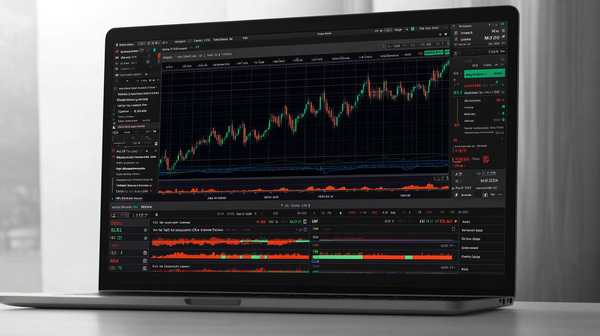
The platform stack in this segment is usually a proprietary WebTrader paired with iOS/Android apps. Expect functional charting but not institutional depth: common indicators, basic drawing tools, and one-click trading are typical, while advanced order logic (complex OCO brackets, granular depth-of-market, or strategy testing) tends to be limited. Order types are usually standard market/limit/stop, with a straightforward positions tab and margin display. Mobile tends to mirror the web experience—good enough for monitoring and quick execution, less ideal for detailed analysis. For traders used to MT4/MT5 or cTrader ecosystems, platforms like Rendivera can feel “closed,” especially if you rely on EAs, custom scripts, or a mature alerting stack.
Trading Fees, Spreads, and Account Types at Rendivera
Cost-wise, offshore CFD providers commonly push a spread-led “Standard” account, where EUR/USD often runs around 2.0 pips in normal liquidity. Some brands also advertise a tighter “Raw/ECN-style” tier (for example, 0.0–0.4 pips) but then add a commission in the neighborhood of $5–$8 round-turn. Overnight financing (swap) matters if you hold positions beyond the session; it’s a silent drain for swing trades. Also watch for friction fees: inactivity charges after dormancy, and withdrawals that can carry processing costs depending on method. Those small line items—more than the headline spread—often separate competitors to Rendivera from truly cost-transparent brokers.
When Do Traders Start Looking for Rendivera Alternatives?
Regulation is usually the first crack in the wall. When a broker’s oversight sits offshore, traders start asking uncomfortable questions about fund segregation, dispute resolution, and whether negative balance protection is enforced in practice. That’s one reason Rendivera alternatives with FCA/ASIC/CySEC/NFA supervision attract attention, especially after a high-volatility week where slippage, requotes, and widened spreads become very real. The second crack is strategy fit: a basic WebTrader is fine for simple entries, but it can be a dead end for systematic workflows, advanced order handling, or detailed reporting.
- You need MT4/MT5 or cTrader to run an EA, copy a strategy, or manage alerts that a proprietary WebTrader can’t support.
- A withdrawal takes longer than expected or requires repeated “verification” loops—cash-out is where offshore risk becomes personal.
- You want real stocks/ETFs (exchange-traded) rather than stock CFDs with no shareholder rights or voting.
- During news releases, you see frequent slippage or stop fills far from expected levels, and you can’t get a clear execution-model explanation.
How to Choose a Reliable Alternative to the Rendivera Trading Platform
Start with a risk budget, not a brand name. Your “best” platform depends on what you trade, how often you trade, and what failure modes you can’t tolerate (pricing disputes, withdrawal delays, platform outages). Alternatives to the Rendivera trading platform should be filtered through the boring stuff: regulator registers, client-money rules, and whether the product is CFDs-only or includes true multi-asset access. If the broker can’t explain execution and protections in plain language, move on.
Regulation, Safety, and Investor Protection
For US/EU readers, the practical regulators to recognize are FCA (UK), ASIC (Australia), CySEC (Cyprus/EU framework), and NFA/CFTC (US). FCA-authorized firms can be linked to the FSCS compensation scheme (up to £85,000 for eligible clients), while Cyprus investment firms may fall under the ICF (often up to €20,000). Segregated client funds and negative balance protection are not marketing slogans—they’re structural defenses when a broker fails or markets gap.
Available Markets and Instruments
Match instruments to intent. If you only want FX and index CFDs, a strong FX/CFD specialist can work. If you want to build a long-term portfolio—stocks, ETFs, bonds—then multi-asset access matters more than leverage. Options and futures are a different beast: they require robust margining, transparent routing, and deeper risk controls. Crypto is its own category too—CFD exposure is not on-chain ownership, and you don’t get withdrawal to a wallet.
Trading Costs: Spreads, Commissions, and Other Fees
Spreads are only half the bill. The clean comparison is the round-turn cost: spread plus commission, multiplied by your volume. For a scalper doing, say, 200 standard-lot round turns a month, an extra 0.8 pips can dwarf any deposit bonus. Don’t ignore swap/overnight fees either; they compound quietly for position traders. Finally, read the fee schedule for inactivity and withdrawals—small frictions add up faster than most traders admit.
Platforms, Tools, and Execution Quality
Platform choice is strategy choice. MT4/MT5 and cTrader support a mature ecosystem of indicators, automation, and VPS hosting; proprietary WebTraders often don’t. Execution model matters as well: market maker setups internalize flow, while STP/ECN or DMA frameworks aim to route more directly (though labels can be abused). In fast markets, watch for slippage, order rejection, and how stops are handled. A broker that explains its execution clearly is already ahead of the pack.
Support, Education, and Overall User Experience
When money is on the line, support is part of risk control. Look for responsive channels (chat/email/phone), clear operating hours, and competent answers about margin calls, corporate actions (for stock CFDs), and withdrawals. Educational material matters less than people think, but platform documentation matters more—especially if you use APIs or automation. Before funding big, run a small test: deposit, place trades, then withdraw. That single loop tells you more than glossy UI.
Rendivera and Different Asset Classes: When Alternatives May Be Better
Rendivera Forex and CFD Trading
Forex and CFDs are where Rendivera likely focuses: roughly 30–50 FX pairs, major indices, and a short commodities list, wrapped in leverage up to 1:500. That leverage number sells, but it also shrinks the distance to a margin call; one sharp move can liquidate you before you even reload the chart. For regulated options vs Rendivera, brokers like Pepperstone and OANDA tend to win on platform depth and execution transparency. Pepperstone is often chosen by traders who want MT4/MT5/cTrader stacks and Razor/Raw-style pricing, while OANDA is widely used for FX-first trading with strong regulatory coverage (including the US). If your strategy depends on predictable fills, the broker’s execution disclosures matter more than the maximum leverage printed on a landing page.
Rendivera Stock and ETF Trading
Stock and ETF access is where offshore CFD-first brokers commonly disappoint. Even when “stocks” are offered, it’s frequently stock CFDs—no shareholder rights, no voting, and fees that can look like spreads plus financing. Traders who want real ownership typically migrate to multi-asset venues with exchange connectivity. Interactive Brokers (IBKR) is the clearest example for US/EU pros: broad global equities/ETFs plus options and futures, with sophisticated risk tools. Saxo Bank is another strong candidate for those who want multi-asset coverage with a polished platform experience. In other words, if your goal is building a portfolio rather than short-term speculation, top substitutes for Rendivera are usually the ones that let you hold the underlying asset, not a contract that expires into cash settlement.
Rendivera Crypto Trading
Crypto on offshore CFD platforms is usually crypto CFDs: price exposure, no on-chain settlement, and no ability to withdraw BTC to your own wallet. As a Bitcoin orthodox, I’ll say it plainly—paper Bitcoin is not Bitcoin. Still, some traders want regulated derivative exposure. For crypto-CFD access under stronger oversight, IG and Plus500 are commonly cited in jurisdictions where crypto CFDs are permitted, offering a simplified way to trade price moves without custody. The trade-off is structural: you’re inside a CFD contract with financing costs and platform rules, not holding keys. If your aim is long-term accumulation, CFDs are the wrong tool; if your aim is short-term hedging, regulated competitors to Rendivera can be a safer arena than an offshore venue.
Best Rendivera Alternatives for 2026: Comparison of Top Trading Platforms
Interactive Brokers (IBKR): Key Facts and How It Compares to Rendivera
Regulation: SEC/FINRA (US), FCA (UK), IIROC (Canada)
Markets: Stocks, ETFs, options, futures, bonds, FX (spot), some CFDs (region-dependent)
Fees: FX pricing varies by venue and size; commissions are typically explicit rather than “hidden in spread” (review the schedule for your region)
Platform: Trader Workstation (TWS), IBKR Desktop, mobile app, API access
Best For: Multi-asset traders who want real exchange access
Pepperstone: Key Facts and How It Compares to Rendivera
Regulation: FCA, ASIC, CySEC, DFSA
Markets: FX and CFDs (indices, commodities, some crypto CFDs depending on region)
Fees: EUR/USD often ~0.0–0.3 pips on Razor/Raw plus commission; ~1.0–1.2 pips on Standard (conditions vary by entity)
Platform: MT4, MT5, cTrader, TradingView integration (availability varies)
Best For: Systematic and scalping setups needing MT4/MT5/cTrader
Saxo Bank: Key Facts and How It Compares to Rendivera
Regulation: FCA, MAS, DFSA
Markets: Stocks, ETFs, bonds, FX, options, futures, CFDs
Fees: Costs depend on tier and venue; FX spreads can be competitive on higher tiers, while investing fees are typically commission-based
Platform: SaxoTraderGO, SaxoTraderPRO
Best For: Portfolio builders who still want active trading tools
OANDA: Key Facts and How It Compares to Rendivera
Regulation: CFTC/NFA (US), FCA, ASIC, IIROC
Markets: FX (spot) and CFDs in some regions (product availability varies by entity)
Fees: Pricing is typically spread-based; EUR/USD often around ~0.6–1.2 pips in liquid hours (varies by region and account setup)
Platform: OANDA Trade (web/mobile), MT4 (region-dependent)
Best For: FX-first traders who prioritize strong oversight
IG: Key Facts and How It Compares to Rendivera
Regulation: FCA, ASIC, MAS
Markets: CFDs across indices, FX, commodities, shares; crypto CFDs where permitted; spread betting in the UK
Fees: Spread-led pricing; major FX pairs can be competitive in normal conditions, with financing costs for overnight CFD holds
Platform: IG web platform, mobile app, MT4 (in supported regions)
Best For: Active CFD traders wanting broad market coverage
Trading 212: Key Facts and How It Compares to Rendivera
Regulation: FCA, CySEC, FSC Bulgaria
Markets: Stocks and ETFs (investment accounts), CFDs (region-dependent offering)
Fees: Investing side is typically commission-free pricing model with other charges possible (e.g., FX conversion); CFDs are spread-based with financing for holds
Platform: Proprietary web and mobile platforms
Best For: Simple investing plus occasional CFD trading in one app
Comparison Summary
| Platform | Regulation | Main Markets | Typical Costs | Best For |
|---|---|---|---|---|
| Interactive Brokers (IBKR) | SEC/FINRA, FCA, IIROC | Real stocks/ETFs, options, futures, bonds, FX | Explicit commissions; FX costs depend on size/venue | Multi-asset traders who want real exchange access |
| Pepperstone | FCA, ASIC, CySEC, DFSA | FX + CFDs | Raw ~0.0–0.3 pips + commission; Standard ~1.0–1.2 pips | Systematic and scalping setups needing MT4/MT5/cTrader |
| Saxo Bank | FCA, MAS, DFSA | Stocks/ETFs, FX, options, futures, CFDs | Tiered pricing; commissions for investing, spreads for FX/CFDs | Portfolio builders who still want active trading tools |
| OANDA | CFTC/NFA, FCA, ASIC, IIROC | FX (spot); CFDs in some regions | Often ~0.6–1.2 pips on EUR/USD (varies); financing on holds | FX-first traders who prioritize strong oversight |
| IG | FCA, ASIC, MAS | CFDs across FX/indices/shares/commodities; crypto CFDs where allowed | Spread-led pricing; overnight financing for CFDs | Active CFD traders wanting broad market coverage |
| Trading 212 | FCA, CySEC, FSC Bulgaria | Stocks/ETFs (investing) + CFDs (where available) | Investing often commission-free; CFDs spread + financing; FX conversion may apply | Simple investing plus occasional CFD trading in one app |
How to Safely Move from Rendivera to Another Broker
Switching brokers is not a vibe; it’s an operational procedure. Treat it like a controlled migration: reduce open risk, verify the destination, and keep records. The biggest avoidable mistake is moving funds before the new account is fully verified—then getting stuck in limbo while markets move. And remember: leveraged CFDs can wipe an account quickly, so cut position sizes during the transition. If you currently trade on Rendivera, keep the process slow, documented, and reversible.
- Confirm the new broker’s authorization on the regulator’s public database (FCA Register, ASIC Connect, CySEC listings, or NFA BASIC) and match the legal entity name exactly.
- Open the new account and complete KYC/AML early (ID plus proof of address). Don’t wait until you’re stressed by an open position.
- Export statements, trade history, and funding records from your old account for taxes and dispute-proofing before you change anything.
- Flatten risk: close open positions rather than assuming they can be transferred. Rebuild exposure on the new platform with fresh entries if you still want the trade.
- Withdraw using the same rails you used to deposit whenever possible; many brokers enforce “same-method” withdrawals for AML reasons.
Ready to Explore Rendivera?
If you’re still considering it, take five minutes to compare onboarding terms, regional eligibility, and the platform stack against the regulated substitutes listed above. Check withdrawal methods and the fee schedule before you deposit—those details matter more than slogans.
FAQ: Rendivera Alternatives and Trading Platforms
What is the best alternative to Rendivera in 2026?
The best alternative depends on whether you want real multi-asset access or mostly FX/CFDs. For real stocks/ETFs and pro-grade tooling, Interactive Brokers (IBKR) is hard to beat; for MT4/MT5/cTrader-driven FX/CFD trading, Pepperstone is a common choice. This is the core split behind most best Rendivera alternatives 2026 shortlists.
Is Rendivera a safe broker/platform?
Rendivera appears to fit an offshore/unregulated profile (commonly associated with frameworks like the Seychelles FSA), which generally provides fewer protections than FCA/ASIC/CySEC/NFA-regulated firms. That doesn’t automatically mean “scam,” but it does mean you should assume weaker investor recourse and prioritize strict risk limits. If safety is your priority, regulated options vs Rendivera are typically the more defensible choice.
Can I trade stocks, futures, or crypto with Rendivera?
Rendivera is most plausibly centered on forex and CFDs, with crypto exposure usually delivered as crypto CFDs rather than on-chain coins. Real stock/ETF ownership and exchange-traded futures are often missing on CFD-first offshore setups, or provided only as CFDs. If you need real stocks or futures, platforms like Rendivera are usually outmatched by IBKR or Saxo.
What should I check before switching from Rendivera to another platform?
Before switching, verify the new broker’s exact legal entity on the regulator register and read the client-money and negative-balance terms. Next, make sure your new account is KYC-approved before you withdraw from the old venue, and keep copies of statements and deposits. If you’re comparing Rendivera trading platform alternatives 2026, prioritize execution disclosures, fee schedules (including swap), and withdrawal rails that match your region.
About the Author: Kenji Tanaka is a Tokyo-based market writer and active trader with a cryptography background (University of Tokyo, incomplete). I’m Bitcoin-orthodox—“21 million — and not a coin more”—and I don’t trust fiat plumbing, which is exactly why I obsess over execution details, custody risk, and the fine print that brokers hope you won’t read.