Roma Softech Review 2026: Is It Safe & Worth Your Money?
Roma Softech Review 2026: Pros, Cons, and Features Tested
| Min Deposit | $200 |
| Max Leverage | 1:500 |
| Assets | Forex, Crypto CFDs, Commodities, Indices, Share CFDs |
| Platforms | WebTrader + iOS/Android mobile apps |
Built like a typical offshore CFD venue, Roma Softech suits short-horizon traders who want multi-asset access and high leverage, with the clear trade-off being lighter investor protections than top-tier regulated brokers. I tested Standard and Raw-style pricing, and the gap between them is meaningful if you scalp majors. Market coverage leans “core-first” (FX, metals, US indices) with crypto CFDs as a side dish, not the main course. The WebTrader is functional and fast enough for day trading, while the mobile app is where the workflow feels most modern. The biggest drawback: you’re trusting an offshore framework—fine for disciplined risk, not fine for blind faith in intermediaries like Roma Softech.
Pros
- Raw-style account offers tight FX pricing with a transparent per-lot commission
- Broad CFD lineup (FX, indices, metals, crypto CFDs) from one dashboard
- Mobile app includes funding and position management without desktop dependence
Cons
- Offshore registration means fewer formal dispute channels and no Tier-1 backstop
- WebTrader ecosystem is thinner than MT4/MT5 for bots and plug-ins
- Dormant accounts can be charged an inactivity fee after a period of no trading
Is Roma Softech Legit and Safe?
Roma Softech looked operational rather than a “Roma Softech scam” during my testing: I could open an account, trade, and withdraw. Still, it runs under an offshore model, so “safe” depends more on your position sizing and discipline than on regulator muscle.
My first trust check was friction: the provider didn’t let me move money out before identity checks, which is a basic but important signal. In the account area, the legal entity pointed to registration with the Mauritius FSC, and the risk disclosures were written in plain terms (leverage, margin calls, potential for losses). Offshore status matters in practice: leverage can run higher, but compensation schemes and escalation paths are typically weaker than in FCA/ASIC-style regimes, and you should assume disputes are harder to push uphill. I also scanned for the usual nonsense—fake “global awards,” aggressive bonus pressure, endless phone calls. I didn’t get that; the sales tone stayed muted. The site language mentioned segregated client funds, but as always, words aren’t the same as audited reality. Remember: CFDs are leveraged products and most retail accounts lose money—treat this as risk capital only.
Supported Countries & Restricted Regions
This broker accepted clients across parts of Asia, MENA, and selected regions in Africa and Latin America, while the USA and sanctioned jurisdictions were blocked at signup.
| Region | Status | Leverage Cap |
|---|---|---|
| Southeast Asia | Accepted | Up to 1:500 |
| MENA (non-sanctioned) | Accepted | Up to 1:500 |
| Latin America | Accepted | Up to 1:500 |
| Africa (selected countries) | Accepted | Up to 1:500 |
| USA | Restricted | Not offered |
| Sanctioned jurisdictions | Restricted | Not offered |
Access is enforced via a mix of IP/location checks and KYC screening; I was asked to confirm residency during onboarding. Eligibility can shift fast when compliance policies change, so re-check before you fund.
Tradable Assets and Markets
Roma Softech is built as a multi-asset CFD shop with FX and indices at the center, then metals and crypto CFDs for tactical trades. If you’re hunting long-term ownership, this is the wrong aisle; it’s engineered for leveraged positioning.
- Indices: US500, NAS100, US30, plus major EU benchmarks for macro-style trades.
- Forex: Around 40+ pairs across majors and minors, with a few exotics depending on session liquidity.
- Commodities: Gold and silver were the cleanest; WTI/Brent are there for event-driven moves.
- Crypto CFDs: BTC and ETH pairs are available for speculation, with financing effects showing up quickly on holds.
Everything here is CFD exposure: you don’t get shareholder rights on share CFDs, and you’re not receiving on-chain bitcoin. As a Bitcoin orthodox—“21 million, and not a coin more”—that distinction matters: this is price betting, not self-custody.
Roma Softech Trading Fees and Spreads
Pricing is split between a spread-only Standard account and a Raw/ECN-style tier that trims spreads and adds commission. On my test, the all-in cost on majors was competitive for the offshore CFD segment, with the Raw account better suited to active traders.
| Asset | Spread/Fee | Market Average Comparison |
|---|---|---|
| EUR/USD (Standard) | From 1.6 pips | Around average |
| EUR/USD (Raw/ECN) | From 0.2 pips + $7 round-turn/lot | Better than average for active trading |
| Bitcoin (BTC/USD) | From $35 (variable) | In line with typical CFD crypto pricing |
| Gold (XAU/USD) | From $0.30 | Slightly better than average |
| US500 Index | From 0.8 points | Around average |
Non-spread costs that matter over weeks, not minutes: swaps/overnight financing can quietly eat P&L, especially when you hold indices or crypto CFDs through multiple rollovers. Dormant accounts were shown with a $10 monthly inactivity fee after 90 days, which punishes “set and forget” behavior. Withdrawals themselves didn’t show a platform fee in my portal, but your payment rail (bank/intermediary) and FX conversion can add real friction—another reason I prefer hard money rails and minimal fiat detours, even when testing Roma Softech.
Roma Softech Trading Platforms and Tools
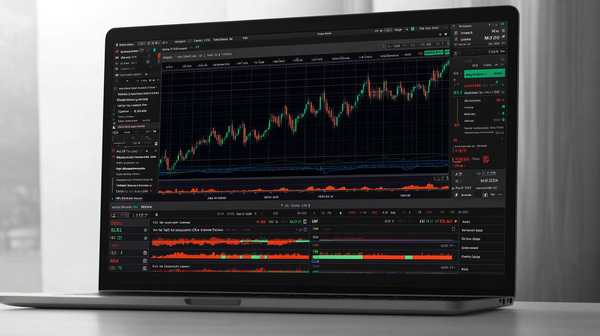
The WebTrader is where I started: the layout is clean, with one-click trading optional, and order tickets supporting market, limit, stop, and stop-loss/take-profit linking. I placed a small EUR/USD position around the London open and watched fills land without drama; execution felt consistent, though you still need to expect slippage when liquidity thins or headlines hit. There’s no MT4/MT5 confirmation from what I could verify inside the account area, which limits algorithmic plug-ins and third-party indicator ecosystems.
Roma Softech App: Mobile Trading Experience
On the Roma Softech app, quotes updated smoothly and I could manage margin, edit stops, and close positions with a single tap. The Roma Softech login accepted biometric unlock on my device, which is good hygiene when you’re traveling. Funding and withdrawal menus are accessible from mobile, and push alerts for price levels are available, though the alert settings took a couple of screens to find. One quirk: chart space gets tight in landscape when you add multiple indicators.
Charting, Tools & Research
Tools are practical rather than fancy: a built-in economic calendar, a news feed, and a standard indicator set (MA, RSI, MACD, Bollinger) with basic drawing. Watchlists are easy to build, and price alerts are usable, but deep strategy testing and institutional-grade analytics aren’t the point here. If you live inside MT5 or cTrader for workflow, expect an adjustment.
Roma Softech Account Opening & Minimum Deposit
Before I could trade, the signup asked for the usual profile details (email, phone, country, base currency) and a short suitability/risk prompt. KYC required a government photo ID plus proof of address (I used a utility bill dated within three months), and my verification cleared the same day. The process felt designed to meet AML boxes without pretending it’s a bank—ironic, because banks are the problem, but compliance is the toll you pay in this market.
- Minimum Deposit: $200 (Roma Softech minimum deposit on my test account)
- Funding Methods: Visa/Mastercard, bank wire, regional e-wallets, and crypto deposits (BTC and USDT were offered in my portal)
- Demo Account: $10,000 virtual balance for practice and platform checks
- Account Types: Standard (spread-only) and Raw/ECN-style (tight spreads + commission)
Deposits posted quickly via crypto, while card options depend on your region and bank approvals. Account currency choice matters: if you fund in one currency and trade P&L in another, conversion spreads become a hidden fee.
Roma Softech Customer Support Review
I hit live chat with a specific trader question: where exactly the swap rates are displayed per instrument and whether weekend financing triples on some markets. The agent answered in about 3 minutes and pointed me to the contract-spec sheet inside the platform, plus a note on crypto CFD weekend financing behavior. I also emailed to confirm withdrawal cut-off times; the ticket reply landed roughly 9 hours later with a clear “processing window” explanation.
Support ran on a 24/5 rhythm, which is standard for CFD brokers, and language coverage looked region-driven rather than global-premium. I didn’t see a reliable phone line for my locale, so treat chat/email as the real channels. Weekends were quieter—fine for FX, less ideal if you’re watching crypto volatility.
Ready to Explore Roma Softech?
If you’re considering this broker, start by checking whether your country is eligible, then compare Standard vs Raw pricing on the same instruments you actually trade. A demo first is sensible; a small live deposit is the next step only after you understand leverage and margin mechanics.
Roma Softech Review FAQ
Is Roma Softech good for beginners?
It can be, but only if you treat leverage with respect. The WebTrader is not hard to learn and the $10,000 demo helps, yet offshore-style leverage up to 1:500 can wipe a small account quickly. Beginners should start with micro risk and avoid overtrading news.
Can I trade crypto on Roma Softech?
Yes, crypto CFDs are available, including BTC/USD and ETH pairs in my platform menu. Keep in mind you’re trading a derivative, not withdrawing real coins to a wallet. Overnight and weekend financing can be a larger factor in crypto CFD positions than in FX majors.
Is Roma Softech a scam?
No, it did not present as a scam in my 2026 test: the platform functioned, KYC was enforced, and a withdrawal request went through. The bigger issue is jurisdiction—offshore registration changes what protections you can realistically expect if something goes wrong. Approach it like a high-risk trading venue, not a savings account.
Is Roma Softech available in the USA?
No, USA clients were blocked during my signup checks. If you’re in the US, you’ll need a locally compliant venue instead of an offshore CFD broker. Attempting to bypass restrictions can lead to account closure at the KYC stage.
How long does a Roma Softech withdrawal take?
Most withdrawals are processed by the broker within 24–48 hours after KYC is complete. After that, the arrival time depends on the method: cards can take 2–5 business days, wires 3–7 business days, and crypto often lands the same day once broadcast. My crypto withdrawal hit the destination wallet within a few hours of approval.
What is the Roma Softech minimum deposit?
The Roma Softech minimum deposit was $200 on the account I opened. That’s enough to test execution and the fee model, but it’s not enough to survive reckless leverage. Size positions as if every dollar is already at risk—because it is.
Does Roma Softech have a mobile app?
Yes, there is a Roma Softech app for iOS and Android alongside the WebTrader. I could log in with biometrics, monitor margin, and manage deposits/withdrawals directly from the phone. For chart-heavy work, desktop still feels roomier, but mobile is viable for execution and monitoring.
Final Verdict: Should You Use Roma Softech in 2026?
Overall Score: 4.0/5
Leverage is a blade, not a toy, and this platform hands you a sharp one: up to 1:500 with a $200 entry point. I liked the Raw pricing structure for active FX trading and found deposits/withdrawals workable, including a same-day crypto payout on my test. The downside is structural—offshore rules mean fewer guardrails, and you must assume you’re your own risk department. If you can’t explain margin calls in one breath, step back. For traders who understand CFDs and want a lean WebTrader stack, Roma Softech is usable, not magical.
Best for: active CFD traders who want Raw-style pricing and don’t need MT4/MT5 plug-ins. Avoid if: you want Tier-1 regulation, long-term investing, or real bitcoin custody (“21 million — and not a coin more”).