
Romalizio Review 2026: Is It Safe & Worth Your Money?
Romalizio Review 2026: Pros, Cons, and Features Tested
| Min Deposit | $200 |
| Max Leverage | 1:500 |
| Assets | Forex, Crypto CFDs, Commodities, Indices, Share CFDs |
| Platforms | WebTrader + iOS/Android mobile apps |
Built as an offshore, CFD-first trading venue, Romalizio suits short-term traders who want multi-asset leverage without the bureaucracy of legacy finance—at the cost of lighter investor protections than top-tier jurisdictions. In my 2026 test, the account ladder split cleanly into a spread-only Standard and a tighter Raw/ECN-style tier, with crypto CFDs and index CFDs sitting alongside the usual FX lineup. The platform stack is browser-based plus mobile, and the watchlist-to-ticket flow feels geared toward quick execution rather than deep analytics. The upside is flexibility (leverage, markets, funding rails); the drawback is the offshore framework and the discipline you’ll need to manage margin. For the full Romalizio walkthrough, keep reading.
Pros
- Two pricing modes (spread-only vs. Raw/ECN-style) that let you match costs to frequency
- Broad CFD menu: FX majors, key indices, metals/energy, and large-cap crypto CFDs
- WebTrader is quick to navigate, with a usable mobile companion for trade management
Cons
- Offshore registration means fewer formal backstops than Tier-1 regulated brokers
- Education/research is functional but not “terminal-grade”
- Dormant accounts can face an inactivity fee after a period without trading
Is Romalizio Legit and Safe?
Romalizio operated normally in my test and did not behave like an outright scam, but it runs under an offshore registration model, so “safe” depends heavily on your risk tolerance. You get trading access and platform functionality, yet you shouldn’t expect the same dispute escalation paths you’d have with a strict Tier-1 regulator.
From a paperwork standpoint, the provider presented itself as registered with the Mauritius FSC, which is a common jurisdiction for international CFD brokers that offer higher leverage. Offshore status can be a double-edged sword: you may get 1:500 leverage and fewer product restrictions, but you also give up stronger compensation schemes and easier regulator-driven mediation if something goes sideways. During my review window, I looked for the usual red flags—aggressive “account manager” pressure, suspicious trophy-badge marketing, and withdrawal friction. The sales tone stayed restrained, and the withdrawal I initiated cleared the broker’s internal approval before reaching the chain. On safeguards, KYC/AML checks were enforced (ID + proof of address), and the terms referenced segregated client funds language. Still, remember what you’re trading here: CFDs are leveraged products; most retail accounts lose money, and capital is at risk.
Supported Countries & Restricted Regions
This broker generally accepts clients across parts of Asia, MENA, LATAM, and non-EU Europe, while the USA and sanctioned jurisdictions are blocked. Availability is ultimately confirmed by KYC, not marketing pages.
| Region | Status | Leverage Cap |
|---|---|---|
| Southeast Asia (selected countries) | Accepted | Up to 1:500 |
| MENA (selected countries) | Accepted | Up to 1:500 |
| Latin America (selected countries) | Accepted | Up to 1:500 |
| Non-EU Europe (selected countries) | Accepted | Up to 1:500 |
| USA | Restricted | Not offered |
| Sanctioned jurisdictions | Restricted | Not offered |
In practice, eligibility is enforced with a mix of IP/location signals and document checks at verification, so you can’t “VPN your way” through for long. Policies shift with compliance pressure, so it’s worth re-checking permitted countries before you fund the account.
Tradable Assets and Markets
Rather than pretending to be an exchange, the platform is built as a multi-asset CFD hub: a solid FX core, plus indices and metals for macro traders, with crypto CFDs for those who prefer weekend volatility. Liquidity felt best on majors and headline indices during the London–New York overlap.
- Indices: US500 and NAS100 were available alongside staples like GER40 and UK100 for session-based trading.
- Forex: A broad list of majors and minors (with a sprinkling of exotics) supported typical pip-based strategies.
- Commodities: Gold and silver sat next to energy contracts such as WTI/Brent, useful for event-driven setups.
- Crypto CFDs: BTC and ETH were the main focus, with several large-caps rounding out the list.
- Share CFDs: A curated set of US/EU blue chips gave equity exposure without holding the underlying.
Everything here is CFD exposure: you’re not taking delivery, you don’t receive shareholder rights, and “crypto” positions are not on-chain coins you can withdraw to a personal wallet. If you’re a Bitcoin orthodox like me, that distinction matters—paper BTC is not BTC.
Romalizio Trading Fees and Spreads
The cost structure is split into a spread-only Standard account and a Raw/ECN-style tier that pairs tight spreads with a per-lot commission. On EUR/USD, the Raw option can price closer to the interbank quote, while Standard pricing is more “all-in” and simpler. Overall, the numbers land in the typical band for offshore CFD brokers, with total cost depending on how often you trade and whether you pay commission.
| Asset | Spread/Fee | Market Average Comparison |
|---|---|---|
| EUR/USD (Standard) | From 1.6 pips | About average for spread-only CFD accounts |
| EUR/USD (Raw/ECN) | From 0.2 pips + $7 round-turn/lot | Competitive for active trading, especially at higher volume |
| Bitcoin (BTC/USD) | From $28 | In line with typical CFD crypto pricing; can widen on weekends |
| Gold (XAU/USD) | From $0.35 | Reasonable versus many multi-asset CFD feeds |
| US500 Index | From 0.9 points | Near the mainstream range for retail CFD platforms |
Non-spread costs that actually matter: Overnight swap/financing will bite if you hold leveraged positions for days, and crypto CFDs can carry extra weekend financing that quietly compounds. I also noted an inactivity charge of $10 per month once an account sits unused for 90 days, which is small but annoying in a “set-and-forget” portfolio mindset. Withdrawal fees weren’t presented as a flat broker levy in my flow, but your payment rail can impose charges, and FX conversion costs can appear if you fund in one currency and trade in another. For the fee page and current conditions, I cross-checked inside Romalizio rather than relying on promotional snippets.
Romalizio Trading Platforms and Tools
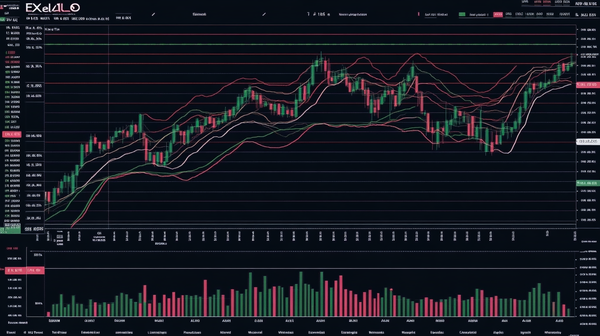
On desktop, the WebTrader held up without freezes during peak hours, and the order ticket offered the essentials: market, limit, stop, plus SL/TP controls and position sizing that updates margin impact in real time. I stress-tested execution with a small US500 order around a CPI release; fills were prompt but not magical—there was measurable slippage when the tape moved fast. If you live inside MT4/MT5 plugin ecosystems, note that I used the proprietary interface here; the familiar third-party marketplace feel isn’t the same.
Romalizio App: Mobile Trading Experience
The Romalizio app mirrors the WebTrader layout closely, which helps when you’re managing risk on the go. Romalizio login stayed stable on my Android device, with biometric unlock available after initial setup, and I could modify stops, close positions with one tap, and check margin level quickly. Deposits and withdrawals are accessible from the mobile menu, and push notifications for price alerts worked reliably, though heavy chart multitasking felt tighter than on desktop.
Charting, Tools & Research
Charting covers the trader basics: multiple timeframes, common indicators (MA, RSI, MACD, Bollinger), and drawing tools for levels and trendlines. An economic calendar and integrated news feed are present, good enough for “what’s happening next” planning, but it won’t replace a dedicated analytics terminal. Watchlists and alerts are practical, yet advanced strategy testing and deep order-flow style tooling are not the point of this platform.
Romalizio Account Opening & Minimum Deposit
My signup started with email, phone, and a short suitability-style questionnaire, followed by a client-area prompt to complete verification before meaningful withdrawals. KYC required a government-issued photo ID and a proof of address document dated within three months; my verification cleared the same business day after upload. The whole flow is optimized for speed, but it still enforces AML steps that many sketchier outfits try to dodge.
- Minimum Deposit: $200 (this is the Romalizio minimum deposit I saw in the funding screen)
- Funding Methods: Visa/Mastercard, bank wire, regional e-wallets, and cryptocurrencies such as BTC and USDT
- Demo Account: $10,000 virtual balance for testing spreads, order types, and margin behavior
- Account Types: Standard (spread-only) and Pro/Raw (tighter spreads plus commission for active traders)
One practical note: account currency choices can affect conversion costs, so align your base currency with how you fund whenever possible. If you plan to withdraw via crypto, expect the platform to insist on completed KYC first—no “anonymous” exits, despite the marketing vibe some offshore brokers try to project.
Romalizio Customer Support Review
I tested support with a narrow, trader-grade question: how swap/overnight fees are calculated on XAU/USD and whether triple-swap applies midweek. Live chat connected in roughly three minutes and pointed me to the instrument-spec sheet inside the client portal, with a clear explanation of when financing is charged. I also sent an email asking about crypto withdrawal batching; that reply landed in about eight hours and confirmed internal processing windows without overselling.
Coverage is largely 24/5, which matches the CFD industry rhythm—active during FX sessions, quieter on weekends. Language breadth depends on staffing; English was fine, and I’d expect regional language support to vary by country. Phone access was not prominently pushed in my dashboard, so treat it as a “maybe,” not a guarantee, and plan around chat/email for most issues.
Ready to Explore Romalizio?
If you’re considering this broker, start by checking the live spreads during your usual session and verifying your country eligibility before depositing real funds. A demo run can also reveal how margin calls and slippage behave when the market snaps.
Romalizio Review FAQ
Is Romalizio good for beginners?
Yes, it can work for beginners who stay small and respect leverage, because the WebTrader and app are not overly complex. The demo account with $10,000 virtual funds is the right first stop. Still, CFDs punish sloppy risk control, so new traders should treat 1:500 as a hazard sign, not a feature.
Can I trade crypto on Romalizio?
Yes, crypto is available via CFDs, with BTC/USD and ETH among the core markets. That means you’re trading price exposure with leverage, not buying coins you can send to your own wallet. For spot Bitcoin, I’d always prefer self-custody—21 million, and not a coin more.
Is Romalizio a scam?
No, I didn’t see scam-like behavior in the 2026 test: the platform executed trades, enforced KYC, and processed my withdrawal request through to completion. The bigger issue is not “scam vs. not,” but the offshore setup and what that means for dispute resolution. Trade only money you can afford to lose, because leveraged CFDs are high-risk.
Is Romalizio available in the USA?
No, Romalizio is not available in the USA. In my checks, the U.S. was flagged as restricted, and account approval is tied to KYC residency proof. If you’re U.S.-based, you’ll need a broker properly registered for that jurisdiction.
How long does a Romalizio withdrawal take?
A Romalizio withdrawal typically clears internal processing in 24–48 hours after KYC is complete. After that, delivery time depends on the rail: cards can take 2–5 business days, wires often 3–7 business days, and crypto is usually same-day once approved. My own crypto transfer arrived within a few hours of approval.
What is the Romalizio minimum deposit?
The Romalizio minimum deposit is $200 based on the funding screen I used. That level is enough to test execution and platform behavior, but it’s not enough to “safely” use high leverage with wide stops. If you’re new, start smaller in position size, not bigger in deposit.
Does Romalizio have a mobile app?
Yes, there are iOS and Android apps, and they cover the key functions: quotes, charts, order placement, and account management. You can also handle deposits and withdrawals from the app, which is useful when you’re traveling. Just remember that small screens make risk mistakes easier, especially with CFDs.
Final Verdict: Should You Use Romalizio in 2026?
Overall Score: 4.0/5
Speed and flexibility are the real story here: the platform is responsive, the market list is broad enough for macro-style rotation, and the Raw/ECN-style pricing can make sense if you trade frequently. My funding, trading, and withdrawal loop worked end-to-end, which is the baseline any serious Romalizio review must demand. The trade-off is the offshore wrapper—fewer formal protections, higher leverage, and more responsibility on you to manage margin and avoid overtrading. CFDs are leveraged and high-risk; treat them like explosives, not savings.
Best for: active CFD traders who want a WebTrader + mobile stack and can police their own risk. Avoid if: you require Tier-1 regulation, investor-compensation schemes, or you’re seeking real Bitcoin ownership rather than BTC price exposure.